
- Your cart is empty Browse Shop
25
Apr, 26
Vessel Hold Cleaning Services in Singapore: 7 Powerful Benefits
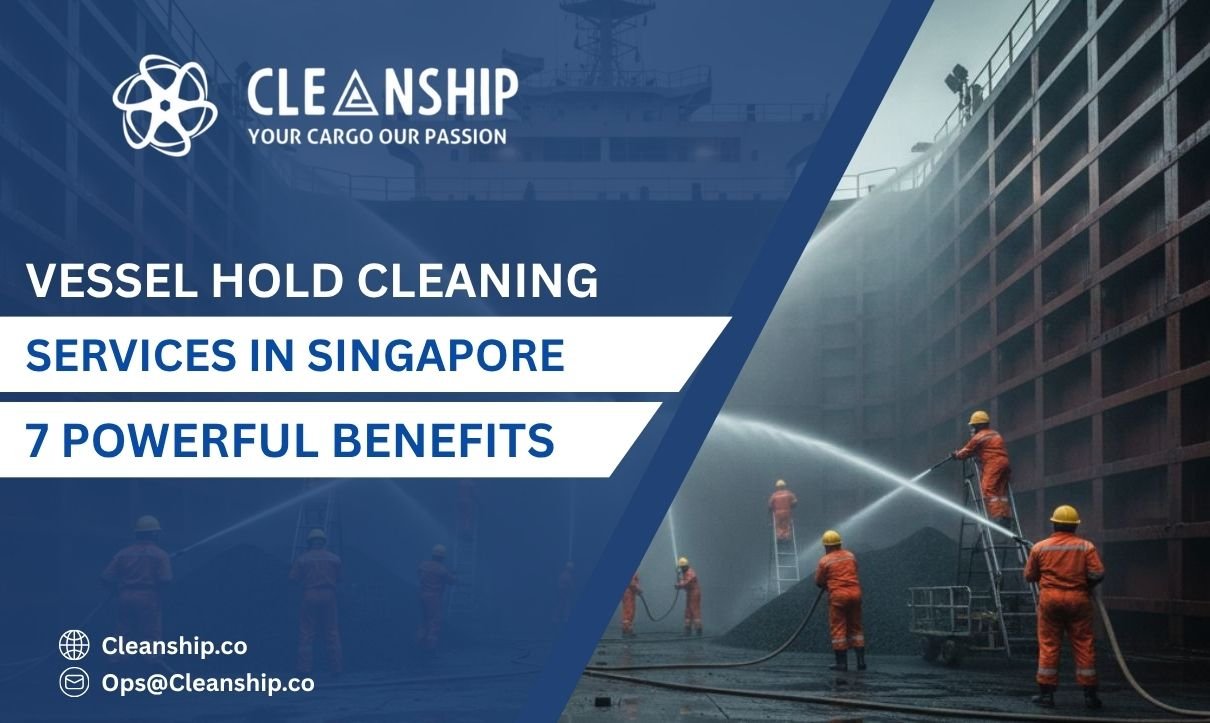
Vessel hold cleaning is the systematic removal of cargo residues, dust, moisture, and contaminants from ship holds to make them safe and cargo-ready. In Singapore’s fast-paced port environment, cleaning is not just housekeeping; it is a compliance-driven operation that protects vessels, cargo interests, and crew safety. When we talk about vessel hold cleaning services in Singapore, we are really talking about risk control in one of the world’s busiest maritime hubs. Why Singapore Sets the Benchmark for Hold Cleaning Singapore handles a constant flow of bulk carriers, multipurpose vessels, and general cargo ships. Tight port schedules and frequent inspections mean you cannot afford delays caused by substandard cleaning. Here, professional hold cleaning supports smooth cargo transitions, especially when vessels switch from dirty bulk cargoes to sensitive loads. Why the UAE Still Influences Global Marine Cleaning Practices Although Singapore is the focus, the UAE remains a reference point in marine cleaning. Ports such as Jebel Ali and Fujairah pioneered rapid turnaround models and strict inspection readiness. Many cleaning workflows now used in Singapore mirror UAE practices, especially in documentation discipline and safety planning. Regulatory Compliance Is Non-Negotiable Marine cleaning operates within a strict regulatory framework. Understanding these rules helps you avoid detentions and penalties. IMO Standards and Global Expectations The International Maritime Organization defines pollution prevention and safety benchmarks. Cleaning procedures must reflect cargo history, vessel type, and environmental safeguards. MARPOL Convention and Environmental Control MARPOL governs how residues, wash water, and waste are handled. Poorly managed cleaning can result in violations, fines, or vessel delays. Clean holds support cleaner seas and predictable operations. IMCA Guidance on Safe Operations IMCA guidelines shape how industrial marine tasks are executed. Risk assessments, confined-space protocols, and trained personnel are essential when working inside vessel holds. IAPH and Port Authority Oversight The International Association of Ports and Harbors promotes harmonized port standards. In Singapore, this translates into close inspection of cleaning quality and records. Benefit 1: Safer Working Conditions for Crew Hold cleaning involves enclosed spaces, slippery surfaces, and airborne dust. Professional procedures reduce accidents through gas testing, ventilation, and controlled entry systems. Safer holds protect crew welfare and prevent operational disruptions. Benefit 2: Protection of Cargo Integrity Residues from previous cargoes can contaminate new shipments. Clean holds protect cargo quality, reduce claims, and build trust with charterers and cargo owners. Benefit 3: Faster Port Turnaround Time in port is expensive. Efficient vessel hold cleaning services in Singapore help vessels meet tight schedules by aligning cleaning work with inspection windows and cargo readiness requirements. Benefit 4: Compliance With Bulk Carrier Standards Bulk carrier holds face unique challenges such as corrosion from moisture and residue buildup. Cleaning aligned with industry standards keeps structures sound and inspection-ready. Benefit 5: Reduced Maintenance and Repair Costs Corrosive residues accelerate steel degradation. Regular, thorough cleaning extends the life of coatings and structures, reducing long-term repair expenses. Benefit 6: Smoother Inspections and Audits Clean holds paired with proper documentation simplify Port State Control inspections. Inspectors focus on visible cleanliness and records, both of which support faster approvals. Benefit 7: Stronger Commercial Reputation A vessel known for clean, compliant holds attracts better cargo opportunities. Cleaning becomes part of your commercial reliability, not just an operational task. Standards for Tank, Hold, and Bulk Carrier Cleaning Different spaces demand different methods. Tank Cleaning Considerations Tanks require residue-specific cleaning based on oil, chemical, or specialty cargoes. Compatibility with the next cargo is critical. Hold Cleaning for Dry Bulk Dry bulk residues such as coal dust, fertilizer, or grain must be removed completely to prevent contamination and corrosion. Integrated Bulk Carrier Practices Bulk carrier cleaning blends mechanical washing, manual detailing, drying, and inspection preparation into one coordinated workflow. Read more about Hold Tank Cleaning in Abu Dhabi: 7 Powerful Safety Gains. Inspection and Documentation Workflows Cleaning without records is incomplete. Preparing for Port State Control Inspectors assess cleanliness, safety procedures, and waste disposal records. Clear documentation reduces re-inspections and delays. Digital Reporting and Traceability Modern operators use digital photos, logs, and checklists to prove compliance. These records protect you during audits and charter negotiations. Real-World Example From Singapore A bulk carrier arriving with coal residue prepares for grain loading. Cleaning teams remove dust, wash surfaces, and document results within a short port stay. Inspectors approve the holds, and the vessel sails on schedule, cargo-ready and compliant. Industry Practice and Integrated Maritime Services Across global ports, companies such as Cleanship.co reflect common industry practice by integrating cleaning with broader maritime services. Their work illustrates how operators combine global tank and hold cleaning operations with cargo supervision, compliance support, and crew drug and alcohol testing services to strengthen overall safety culture. Human Factors and Training Equipment alone does not guarantee quality. Trained personnel understand residue behavior, chemical handling, and confined-space risks. Knowledge turns procedures into reliable outcomes. Future Trends in Marine Cleaning Innovation continues to shape the sector. Automation and Remote Cleaning Tools Robotic systems reduce human exposure and improve consistency in enclosed spaces. Environmentally Responsible Cleaning Agents Biodegradable chemicals support stricter environmental expectations without sacrificing effectiveness. Data-Driven Compliance Systems Sensors and digital platforms create verifiable cleaning histories, supporting audits and operational transparency. Aligning Cleaning With Long-Term Vessel Value Clean holds preserve structural integrity and commercial reputation. Over time, consistent cleaning supports higher asset value and smoother chartering. Conclusion Vessel hold cleaning in Singapore is a strategic operation in demanding port environment. Three points stand out. First, compliance with IMO, MARPOL, IMCA, and IAPH standards protects vessels from delays and penalties. Second, professional cleaning improves safety, cargo integrity, and cost efficiency. Third, modern documentation and technology turn cleaning into a competitive advantage. For operators seeking consistent compliance and maritime service excellence, partnering with experienced providers such as Cleanship.co supports reliable, inspection-ready outcomes across global ports. FAQs: