
Ship Hold Cleaning in Khalifa Port is not a routine housekeeping task. In one of the UAE’s fastest-growing marine hubs, it is a safety-critical operation that protects crews, cargo, and compliance status. We operate in a port environment where bulk carriers, multipurpose vessels, and tankers face strict inspections, tight schedules, and zero tolerance for contamination. When you clean holds correctly, you reduce risk before it becomes an incident.
Khalifa Port sits at the crossroads of global trade. That makes Ship Hold Cleaning essential for vessels transitioning between cargo types, meeting charterer requirements, and passing port state control without delays.
Khalifa Port’s role in the UAE marine ecosystem
Khalifa Port is designed for high-volume, high-efficiency operations. Bulk terminals, container facilities, and industrial zones operate side by side. This density increases inspection frequency and documentation scrutiny. Ship Hold Cleaning must align with international standards while adapting to local port rules and UAE environmental expectations.
Clean holds support smooth cargo operations and protect the port’s reputation as a reliable trade gateway.
What ship hold cleaning really involves
Ship hold cleaning goes beyond removing visible residue. It includes washing, drying, ventilating, and inspecting cargo spaces to ensure they are safe for the next cargo. In bulk carriers, residues can hide in frames, bilges, and hatch coamings. In mixed-fleet operations, poor cleaning creates cross-contamination risks.
Ship Hold Cleaning demands methodical processes, trained crews, and clear acceptance criteria.
Safety Win 1: Reduced crew exposure to hazards
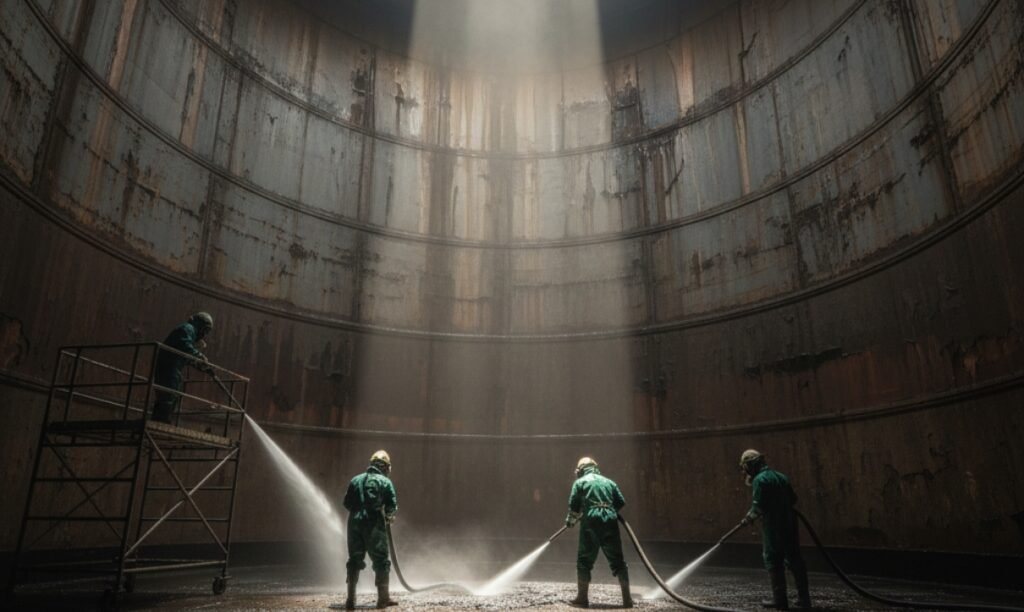
Dirty holds expose crew members to dust, toxic residues, and slip hazards. Proper ship hold cleaning lowers the risk of respiratory issues, chemical burns, and falls.
Key safety controls include:
- Confined space entry procedures
- Gas testing for oxygen and toxic vapors
- Controlled access during washing and drying
These steps turn a dangerous workspace into a controlled environment.
Safety Win 2: Compliance with international regulations
Hold cleaning supports compliance with:
- IMO safety management principles
- MARPOL Convention requirements on residue disposal
- IMCA guidance for safe marine operations
- IAPH port safety expectations
Clean holds demonstrate that you operate within recognized global frameworks, not just local rules.
Safety Win 3: Protection against cargo contamination
Bulk cargoes are unforgiving. A trace of previous cargo can trigger rejection. Hold cleaning prevents chemical reactions, moisture damage, and cargo claims.
For example, switching from coal to grain demands the removal of acidic residues and complete drying. This is not cosmetic cleaning. It is cargo protection.
Bulk carrier holds cleaning challenges in busy ports
Bulk carriers face tight berthing windows. Rushed cleaning increases accident risk. Ship hold cleaning must balance speed with safety by sequencing tasks and avoiding overcrowded work areas.
Effective planning reduces fatigue and ensures crews follow safety management systems rather than shortcuts. Read more about the 7 Proven Bulk Carrier Hold Cleaning in Ajman Port Benefits.
Safety Win 4: Inspection readiness and port state control
Port state control officers look for evidence, not promises. Clean holds signal operational discipline. Hold Cleaning improves outcomes during inspections by showing:
- No residue buildup
- Clear bilges and frames
- Proper lighting and access
Inspection readiness reduces delays, fines, and reputational damage.
Documentation workflows that support safety
Cleaning without records is invisible. Hold cleaning relies on clear documentation:
- Pre-cleaning risk assessments
- Cleaning checklists
- Gas-free certificates
- Final inspection reports
These records protect you during audits and help crews follow consistent procedures.
Safety Win 5: Alignment with marine supercargo standards
Marine supercargo inspectors apply strict final quality rules before approving holds. Hold cleaning that meets these expectations avoids costly re-cleaning and off-hire time.
Acceptance depends on dryness, cleanliness, and structural condition, not subjective opinions.
Tank and hold cleaning differences you must manage
Tank cleaning focuses on enclosed spaces with chemical hazards. Hold cleaning often involves large open areas with dust and fall risks. Hold cleaning requires adapting safety controls depending on the vessel type.
Understanding these differences prevents applying the wrong safety measures to the wrong space. Read more about Hold Tank Cleaning in Abu Dhabi: 7 Powerful Safety Gains.
Safety Win 6: Environmental protection and waste control
Improper disposal of wash water and residues violates MARPOL rules. Hold Cleaning integrates environmental protection by:
- Containing runoff
- Segregating waste
- Preventing discharge into port waters
Environmental discipline is a safety issue because violations lead to detentions and operational stress.
Crew training and testing protocols
Training turns procedures into habits. Hold Cleaning depends on crews who understand confined space risks, PPE use, and emergency response.
Regular drills and gas testing routines reduce human error, which remains the leading cause of onboard incidents. Learn more about 7 Proven Vessel Hold Cleaning Services in Abu Dhabi.
Safety Win 7: Cost efficiency through risk prevention
Accidents, cargo claims, and detentions are expensive. Ship Hold Cleaning in Khalifa Port saves money by preventing incidents rather than reacting to them.
Clean operations reduce insurance exposure and protect charter relationships over the long term.
UAE regulations and local port expectations
While global conventions apply, UAE authorities enforce strict local rules. Ship Hold Cleaning in Khalifa Port must respect port waste handling procedures, safety permits, and inspection protocols.
Local compliance supports smoother coordination with port officials and terminal operators.
Integration with safety management systems
Ship Hold Cleaning in Khalifa Port should fit into your vessel’s safety management system, not sit outside it. Linking cleaning tasks to permits, toolbox talks, and audits creates consistency.
Consistency is what inspectors trust.
Future trends in marine cleaning operations
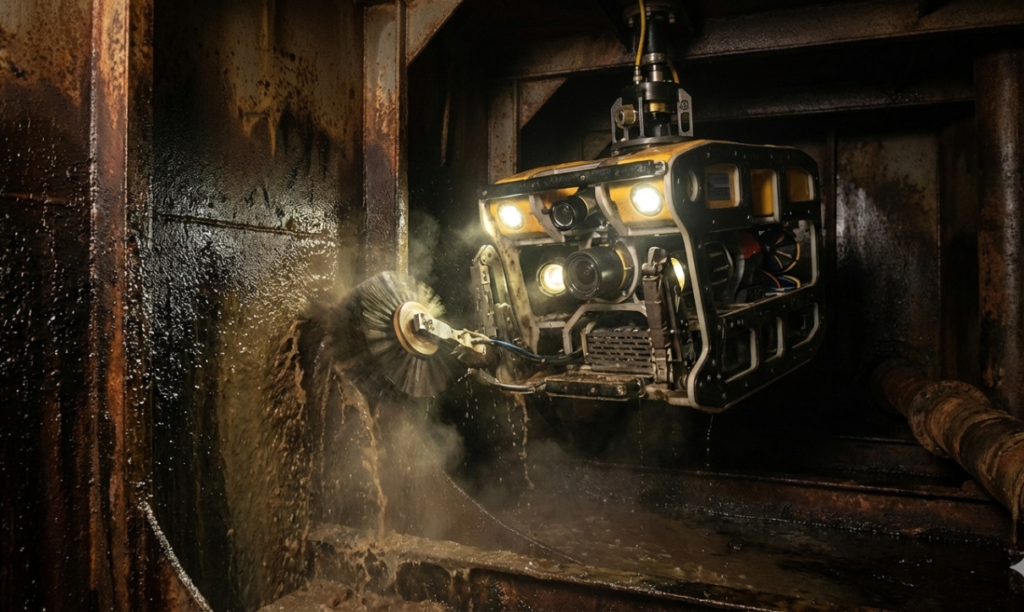
Automation, remote inspections, and eco-friendly cleaning agents are shaping the future. Ship Hold Cleaning in Khalifa Port will increasingly rely on data-driven checklists and real-time monitoring to improve safety outcomes.
Technology will not replace discipline, but it will support it.
Image alt text considerations for compliance
Use descriptive alt text such as: “Ship Hold Cleaning in Khalifa Port with crew conducting safe bulk carrier hold washing.” Clear alt text supports accessibility and SEO consistency.
Conclusion
Ship Hold Cleaning in Khalifa Port delivers measurable safety value when done correctly. First, it protects crews by controlling confined space, chemical, and fall risks. Second, it strengthens compliance with IMO, MARPOL, and port state control expectations, reducing delays and penalties. Third, it safeguards cargo quality and charterer confidence through documented, inspection-ready processes. In a high-traffic UAE marine hub, clean holds are not optional. They are a visible sign of professional seamanship, disciplined safety management, and long-term operational efficiency.
FAQs:
Tank cleaning focuses on enclosed spaces with chemical and vapor hazards, requiring strict gas testing and ventilation. Ship hold cleaning deals with larger cargo spaces, dust control, and fall risks. Both require different safety controls but share documentation and compliance principles.
Bulk carrier operations in Khalifa Port involve frequent cargo changes and inspections. Proper hold cleaning prevents contamination, supports charterer acceptance, and reduces the risk of detention during port state control inspections in the UAE.
Before cleaning, crews conduct confined space risk assessments, test oxygen and toxic gas levels, confirm ventilation, and issue permits. These checks are essential for safe Ship Hold Cleaning in Khalifa Port operations.
Ship Hold Cleaning in Khalifa Port supports compliance with IMO safety management systems, MARPOL waste rules, and IMCA guidance. Clean, documented holds demonstrate operational discipline during inspections and audits.
Yes. Inadequate Ship Hold Cleaning in Khalifa Port often results in failed inspections, cargo rejection, or re-cleaning orders. These issues cause delays, increase costs, and strain relationships with charterers and port authorities.