
7 Powerful Hold Cleaning in Sharjah Port: Fast & Safe
Sharjah Port is a working port, not a showcase. Bulk carriers arrive with tight schedules, mixed cargo histories, and strict inspection requirements. In this environment, hold cleaning is not cosmetic work. It is an operational safeguard that protects cargo quality, vessel safety, and commercial credibility. When done correctly, it keeps vessels moving. When done poorly, it causes delays, claims, and reputational damage.
This article explains how professional hold cleaning works in Sharjah Port, why the UAE sets high benchmarks in marine cleaning, and how “fast and safe” is achieved without compromising compliance.
Why the UAE Sets the Standard in Marine Cleaning
The UAE’s ports operate under intense international scrutiny. Sharjah Port aligns its practices with global maritime frameworks, making cleaning operations predictable and auditable.
You benefit from:
- Ports designed for high-volume, multi-cargo traffic
- Strong alignment with international conventions
- Experienced marine service ecosystems
This consistency is why charterers often trust UAE ports for sensitive cargo transitions.
What Hold Cleaning Really Means in Practice
Hold cleaning is the systematic removal of cargo residues, dust, moisture, and contaminants from cargo holds. The objective is not just visible cleanliness, but readiness for the next cargo.
A clean hold must be:
- Dry and odor-free
- Free from previous cargo traces
- Structurally safe for inspection
Think of a cargo hold as a warehouse that moves across oceans. Every new tenant expects a neutral, uncontaminated space.
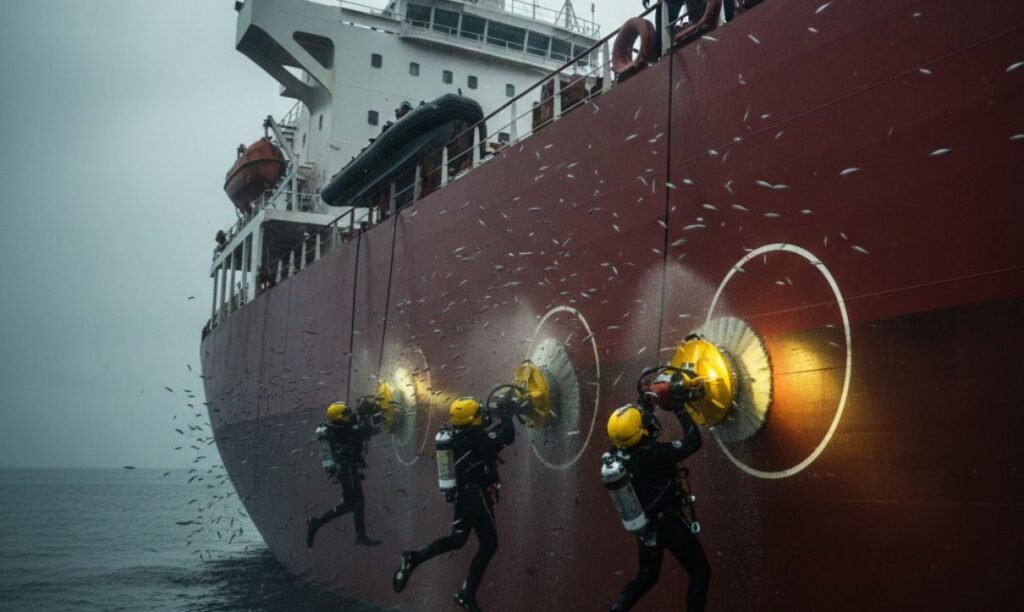
Power 1: Cargo-Specific Cleaning Strategy
No two cargoes behave the same way. Fertilizers, coal, grains, and minerals leave different residues.
Professional teams evaluate:
- Previous cargo properties
- Next cargo sensitivity
- Cleaning acceptance standards
This targeted approach avoids unnecessary work while meeting charter party cleanliness clauses.
Power 2: Mechanical and Manual Cleaning Balance
Effective hold cleaning uses both machines and human judgment.
Common methods include:
- Mechanical sweeping and scraping
- High-pressure washing
- Spot manual cleaning for corners and frames
Machines handle scale. Skilled hands handle detail. The balance determines inspection success.
Power 3: Safety Controls in Confined Spaces
Cargo holds are confined spaces with real risks.
Safety measures include:
- Confined space entry permits
- Continuous air monitoring
- Fall protection and proper lighting
These practices align with IMO and IMCA safety guidance. Safe crews work efficiently. Unsafe conditions stop operations.
Environmental Protection Under MARPOL
Cleaning generates wash water and residues that must be handled responsibly.
Under the MARPOL Convention:
- Discharge is controlled and documented
- Residues are collected and disposed properly
- Records match physical operations
Environmental discipline protects ports and operators from fines and blacklisting.
Power 4: Dryness and Moisture Control
Many cargo claims begin with moisture, not dirt.
Professionals focus on:
- Proper drainage after washing
- Natural or forced drying
- Moisture checks before inspection
A clean but damp hold is still a rejected hold.
Power 5: Inspection-Oriented Cleaning
Cleaning is planned backward from inspection standards.
Inspectors check:
- Visual cleanliness
- Residue behind frames and ladders
- Odor and moisture
When cleaning is inspection-driven, vessels pass faster and avoid rework. Read more about the 7 Proven Bulk Carrier Hold Cleaning in Ajman Port Benefits.
Tank, Hold, and Bulk Carrier Cleaning Standards
Different vessel areas follow different rules.
Key differences include:
- Tank cleaning focuses on chemical compatibility and gas-free conditions
- Hold cleaning focuses on physical residues and dryness
- Bulk carrier standards depend heavily on charter party terms
Understanding these distinctions prevents misaligned expectations.
Power 6: Documentation and Compliance Workflow
Physical cleaning without paperwork is incomplete.
Standard records include:
- Hold cleaning checklists
- Safety permits and logs
- Waste handling records
During port state control or charterer audits, documentation proves compliance beyond visual inspection.
The Role of Marine Supercargo Oversight
Marine supercargo professionals often verify hold condition against Final Quality Rules and FINAL delivery standards.
Their presence:
- Provides neutral assessment
- Reduces disputes
- Builds charterer confidence
This layer of verification is common in high-value bulk trades.
Power 7: Operational Speed Without Compromise
Fast cleaning is achieved through planning, not shortcuts.
Efficiency comes from:
- Correct manpower allocation
- Proper equipment choice
- Clear safety and inspection targets
Speed achieved this way is sustainable and defensible. Read more about Hold Tank Cleaning in Abu Dhabi: 7 Powerful Safety Gains.
Industry Practice and Global Perspective
Organizations such as Cleanship.co illustrate how global operators approach marine services. Their scope includes tank and hold cleaning, cargo supervision, compliance support, and crew safety programs like drug and alcohol testing.
This integrated approach reflects how modern maritime operations treat cleaning as part of a broader safety and quality system.
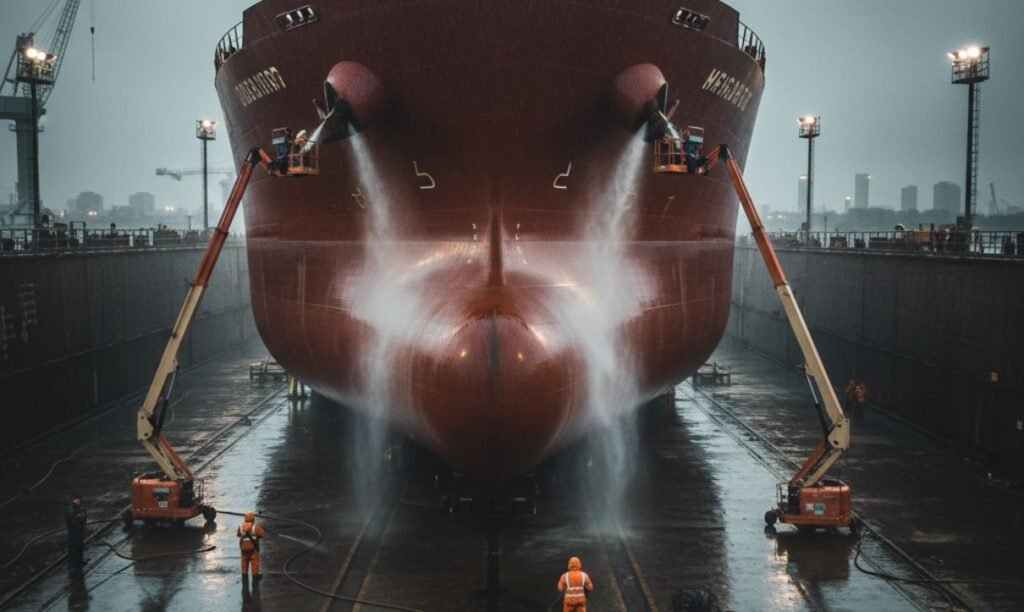
Real-World Sharjah Port Scenario
A bulk carrier discharging coal prepares for grain loading. Coal dust is abrasive, oily, and persistent. Without thorough cleaning and drying, grain contamination is inevitable.
A structured cleaning plan, verified dryness, and documented inspection allow the vessel to load grain without delay or claim. This is the commercial value of professional hold cleaning.
Future Trends in Marine Cleaning
The industry continues to evolve toward safer and cleaner practices.
Emerging trends include:
- Dust-suppression cleaning techniques
- Water-efficient washing systems
- Digital inspection and reporting tools
These innovations improve safety, reduce environmental impact, and enhance transparency.
Why “Fast & Safe” Is a Professional Equation
Speed without safety causes incidents. Safety without efficiency causes delay. In Sharjah Port, professional operations balance both through planning, training, and compliance discipline.
That balance is what charterers ultimately pay for.
Conclusion
Hold cleaning in Sharjah Port is not a background task. It is a core operational function that protects cargo integrity, crew safety, and commercial timelines. Three points stand out. First, cargo-specific planning defines cleaning success. Second, safety and environmental compliance prevent incidents and penalties. Third, inspection readiness and documentation avoid costly delays.
For operators seeking reliable compliance and maritime service excellence, Cleanship.co reflects industry-aligned practices that support safe, efficient, and globally accepted cleaning operations.
FAQs:
Sharjah Port follows international frameworks including IMO, IMCA, MARPOL Convention, and IAPH World Ports guidance. These standards govern safety, environmental protection, inspection readiness, and documentation requirements.
Common reasons include hidden residues behind frames, lingering odors, and moisture. Visual cleanliness alone is not enough. Dryness and detailed inspection readiness are critical for acceptance.
Hold cleaning focuses on physical cargo residues and moisture control. Tank cleaning addresses chemical residues, vapors, and cargo compatibility. Each follows different safety and inspection standards.
Documentation provides proof of compliance during port state control and charterer inspections. Logs, permits, and waste records demonstrate that cleaning met regulatory and safety requirements.
Marine supercargo professionals are often used for sensitive or high-value cargoes. They verify hold condition against Final Quality Rules and FINAL delivery standards, reducing disputes and ensuring acceptance.