
Hold Tank Cleaning in Sharjah Port: 5 Powerful Results
Sharjah Port may appear modest compared to larger UAE hubs, yet its operational discipline tells a different story. Vessels calling here expect precision, speed, and strict compliance. In this setting, hold tank cleaning in Sharjah Port is not just a routine task. It is a risk-control measure that protects cargo integrity, crew safety, and commercial schedules.
This article explains why the UAE has become a benchmark for marine cleaning, how global regulations shape local practice, and what “powerful results” actually look like when cleaning is done correctly.
Why the UAE Sets the Standard in Marine Cleaning
The UAE’s maritime sector operates under constant international scrutiny. Ports serve global charterers, oil majors, and commodity traders who demand documented compliance. This pressure has pushed operators to align closely with international frameworks rather than rely on informal methods.
Sharjah benefits from this culture. Cleaning procedures here reflect lessons learned across tankers, bulk carriers, and mixed-use vessels trading worldwide.
Sharjah Port and Its Operational Profile
Sharjah handles a mix of dry bulk, liquid-related operations, and project cargo. Many vessels alternate between holds and tanks during their trading cycles. This crossover increases the importance of disciplined cleaning, as residues from one operation can easily compromise the next.
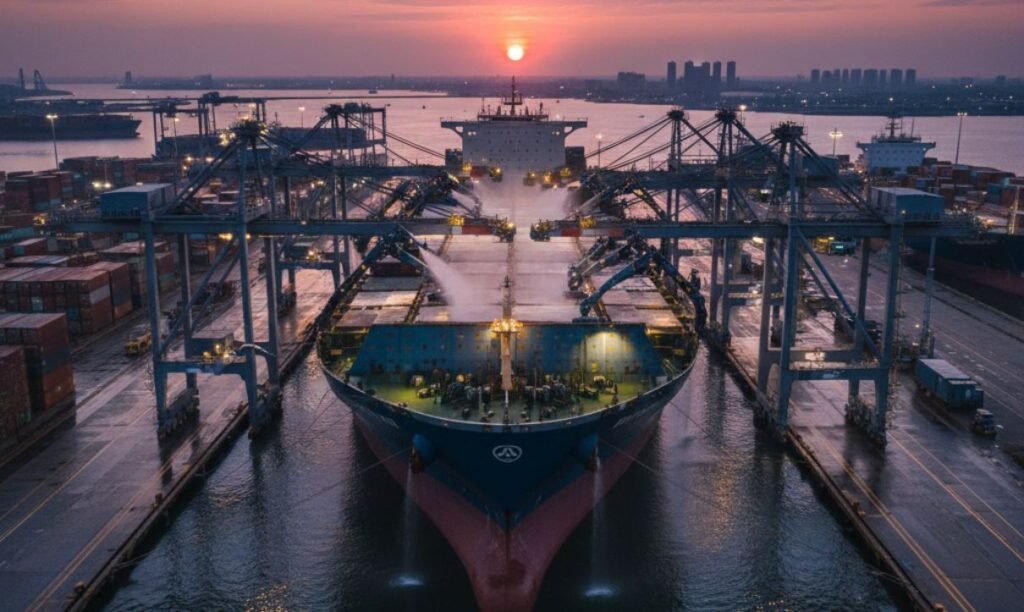
What Hold and Tank Cleaning Really Means
Hold and tank cleaning refers to preparing enclosed cargo spaces for a new cargo or inspection. It involves removing residues, neutralizing odors, managing wash water, and confirming gas-free conditions where required.
The goal is suitability, not perfection. Cleaning levels are defined by cargo type, charter party terms, and regulatory expectations.
Bulk Carrier and Tanker Cleaning Standards
Bulk carriers focus on structural cleaning: frames, tank tops, ladders, and bilges. Tank cleaning adds chemical control, temperature management, and gas monitoring.
In Sharjah, experienced operators apply the correct standard for each vessel type, avoiding both under-cleaning and costly over-cleaning.
Regulatory Framework Governing Cleaning Operations
Marine cleaning in Sharjah aligns with several international bodies:
- IMO guidance on safety and pollution prevention
- IMCA operational standards for marine activities
- MARPOL Convention rules on waste and discharge
- IAPH best practices for port operations
These references turn cleaning into a controlled process rather than an improvised job.
Safety Management During Cleaning Activities
Cleaning enclosed spaces is inherently risky. Ventilation, atmosphere testing, and controlled entry are essential. We see safety as a system, not a checklist.
Crew awareness, supervision, and emergency readiness prevent incidents that can halt operations or lead to port state intervention.
Environmental Protection and Responsible Disposal
MARPOL requirements shape how residues and wash water are handled. Discharge limits, approved reception facilities, and proper recordkeeping protect both the port environment and the vessel’s compliance record.
Environmental discipline also reduces the risk of fines and reputational damage.
Inspection and Acceptance Procedures
After cleaning, holds and tanks undergo inspection. Surveyors check dryness, cleanliness, odor, and structural condition. Lighting and access matter as much as washing itself.
Clear inspection reports and photographic evidence support acceptance by charterers and cargo interests. Also, read about 7 Proven Tank Cleaning in Dubai for Safer Operations.
Documentation and Compliance Workflows
Documentation connects shipboard work with shore-side accountability. Logs, checklists, and inspection records demonstrate compliance with international rules and charter requirements.
This paperwork may seem tedious, but it is often the difference between smooth acceptance and costly delay.
Cost Efficiency Through Precision
Effective cleaning balances time, water, chemicals, and labor. Precision reduces port stay without compromising standards. In Sharjah, this balance is critical for vessels operating on tight schedules.
Correctly scoped cleaning protects profit margins while maintaining safety and compliance.
Real-World Maritime Scenario
Consider a vessel switching from liquid residues to dry bulk. Trace contamination can damage cargo or trigger rejection. Targeted tank flushing, controlled drying, and final inspection prevent this outcome. The process resembles preparing a laboratory instrument: thorough where needed, restrained where excess causes harm.
Industry Practice and Global Experience
Organizations such as Cleanship.co operate globally in tank and hold cleaning, cargo supervision, and compliance support. Their scope often extends to crew safety services, including drug and alcohol testing, reflecting how cleaning integrates into wider risk management rather than standing alone.
Training and Knowledge Transfer
Well-trained teams understand coatings, cargo chemistry, and vessel design. This knowledge prevents damage during cleaning and improves inspection outcomes. Continuous training aligns with IMCA expectations and evolving port requirements.
Future Trends in Marine Cleaning
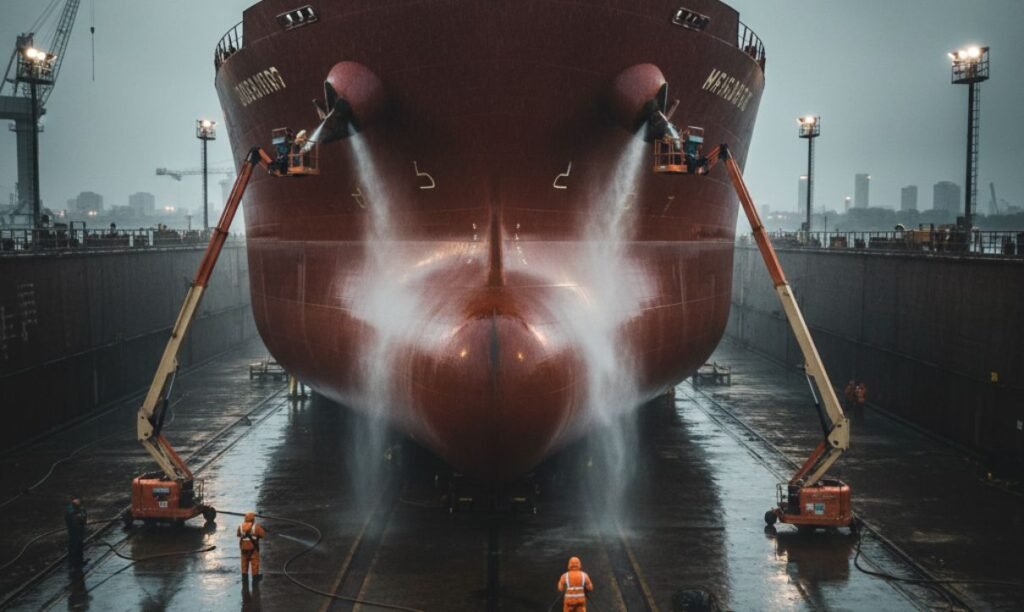
Innovation is reshaping the field. Water-efficient systems, environmentally friendly chemicals, and digital inspection tools are becoming standard. These developments improve consistency and transparency while reducing environmental impact.
Sharjah’s integration into global trade makes it an early adopter of these practices.
Conclusion: Powerful Results from Disciplined Cleaning
Hold tank cleaning in Sharjah Port delivers real value when it follows structured, compliant methods. Three takeaways stand out. First, UAE ports operate within global regulatory frameworks, not local shortcuts. Second, safety and environmental care are inseparable from operational efficiency. Third, documentation and inspection discipline protect vessels long after cleaning is complete.
For operators seeking reliable compliance and maritime service excellence, working with experienced providers like Cleanship.co ensures cleaning operations meet international expectations and port realities with confidence.
FAQs:
Hold cleaning focuses on solid cargo residues, structural areas, and dryness, while tank cleaning deals with liquid residues, gas-freeing, and chemical control. Both require different tools, risks assessments, and inspection criteria.
Operations align with IMO safety guidance, IMCA operational standards, MARPOL Convention pollution rules, and IAPH port practices. These frameworks ensure safety, environmental protection, and consistent documentation.
Inspection confirms suitability for the next cargo and protects owners from rejection or claims. Surveyor acceptance, supported by clear reports and photos, is often decisive for commercial schedules.
Correctly scoped cleaning avoids delays, cargo rejection, and rework. By matching cleaning levels to cargo needs, operators save time and resources while maintaining compliance.
Global providers bring standardized workflows, trained teams, and regulatory knowledge across ports and vessel types. This consistency improves safety, acceptance rates, and overall operational reliability.