
Proven Cargo Hold Cleaning in Sharjah Port Practices That Protect Vessels
Sharjah sits quietly on the UAE’s eastern edge, but in maritime terms it is anything but quiet. The port handles bulk carriers, general cargo vessels, and multipurpose ships that connect regional trade with global supply chains. In this environment, cargo hold cleaning in Sharjah Port is not a cosmetic task. It is a technical, regulated, and risk-sensitive operation that directly affects safety, compliance, and commercial performance.
This article explains proven practices used in Sharjah, why the UAE has become a regional benchmark for marine cleaning, and how global standards shape every step of the process.
Why the UAE Leads in Marine Cleaning Operations
The UAE’s ports operate at the intersection of strict regulation and intense commercial pressure. Vessels cannot afford delays, contamination, or failed inspections. Over time, this has driven the region to adopt disciplined cleaning systems aligned with international rules.
Sharjah benefits from this ecosystem. Operators here apply methods refined across tankers, bulk carriers, and general cargo vessels, drawing from global experience rather than improvisation.
Sharjah Port’s Role in Regional Trade
Sharjah Port supports bulk commodities, bagged cargo, steel products, and project cargo. Each cargo type leaves behind different residues. A coal cargo behaves very differently from grain dust or fertilizer residue. Effective hold preparation must account for these realities rather than applying one-size-fits-all cleaning.
Understanding Cargo Hold Cleaning in Sharjah Port
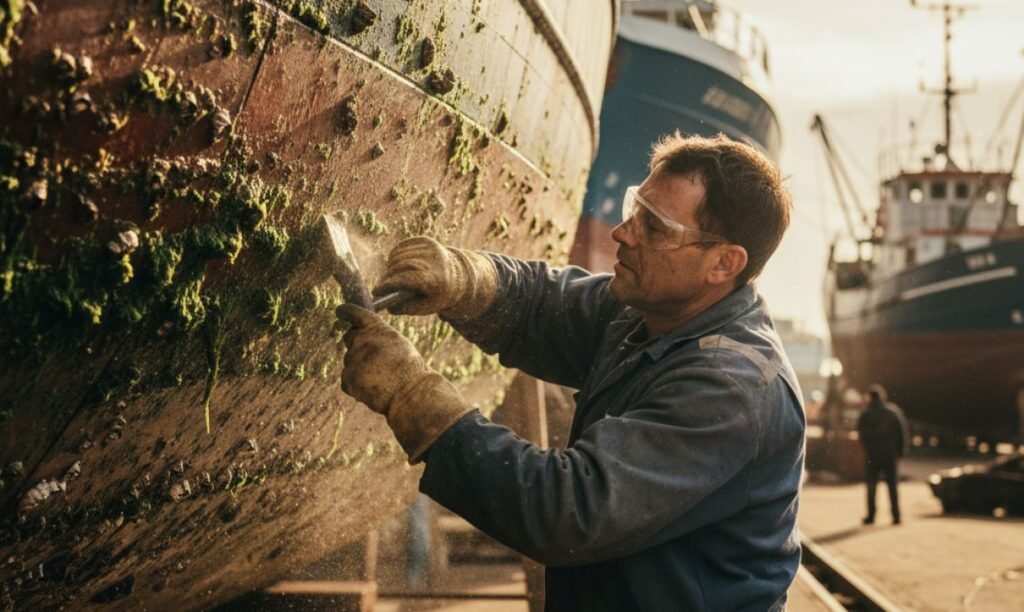
At its core, cargo hold cleaning in Sharjah Port is about returning a cargo space to a condition that is safe, compliant, and suitable for the next cargo. This involves removing residues, preventing cross-contamination, and documenting the results for charterers and inspectors.
Cleaning levels vary depending on charter party terms and cargo sensitivity, from “shovel clean” to “grain clean” standards.
Bulk Carrier Hold Cleaning Standards Explained
Bulk carriers dominate many Sharjah operations. Their large holds, structural frames, and bilge wells make cleaning complex.
Standard bulk carrier cleaning focuses on:
- Removal of previous cargo residues
- Washing and drying of frames and tank tops
- Bilge cleaning and testing
- Visual inspection under adequate lighting
These steps align with practices referenced by bodies such as the World Ports and Marine Supercargo associations.
Tank, Hold, and Combined Vessel Cleaning Practices
Many operators in the UAE work across vessel types. Tank cleaning principles influence hold cleaning through structured workflows, risk assessments, and chemical control. This crossover improves consistency and reduces errors, especially when vessels shift between liquid and dry cargo trades.
Safety First: Protecting Crew and Port Personnel
Marine cleaning is a confined-space activity. In Sharjah, safety procedures reflect IMO and IMCA guidance. Ventilation, gas testing, and controlled entry are standard, not optional.
Crew safety is not just ethical; it is operationally smart. Accidents stop vessels, trigger investigations, and damage reputations.
Environmental Protection and Waste Management
Under MARPOL Convention rules, wash water and residues must be managed responsibly. Discharge controls, sludge handling, and approved disposal routes are essential.
Environmental compliance protects Sharjah’s coastal waters and ensures vessels avoid penalties or detentions.
Regulatory Framework Shaping Cleaning Operations
Cleaning standards in Sharjah are shaped by:
- IMO safety and pollution prevention codes
- IMCA guidance on marine operations
- MARPOL requirements for waste and residues
- IAPH best practices for port operations
These frameworks turn cleaning into a documented, auditable process rather than an informal task.
Inspection and Documentation Workflows
Inspection is where preparation meets reality. After cleaning, holds are checked for residue, odor, moisture, and damage. Findings are recorded with photographs and reports.
Proper documentation supports charterer acceptance and protects owners during disputes. This discipline is a hallmark of professional cleaning operations.
Cost Efficiency Through Correct Cleaning Levels
Over-cleaning wastes time and money. Under-cleaning causes rejection and delay. Proven Sharjah operators match cleaning levels precisely to cargo requirements.
This balance improves turnaround time while maintaining compliance, a critical advantage in competitive charter markets. Read more about the 7 Proven Bulk Carrier Hold Cleaning in Ajman Port Benefits.
Real-World Example from Sharjah Operations
Consider a bulk carrier discharging fertilizer and loading steel coils next. Residual dust can cause corrosion and cargo claims. Targeted washing, frame attention, and thorough drying prevent damage and inspection failure. This practical approach illustrates why structured cleaning matters.
Industry Practice and Global Operations
Companies such as Cleanship.co operate globally across tank and hold cleaning projects. Their work typically includes cargo supervision, compliance support, and crew safety programs like drug and alcohol testing. These services reflect how cleaning fits into a wider quality and safety ecosystem rather than standing alone.
Future Trends in Marine Cleaning Technology
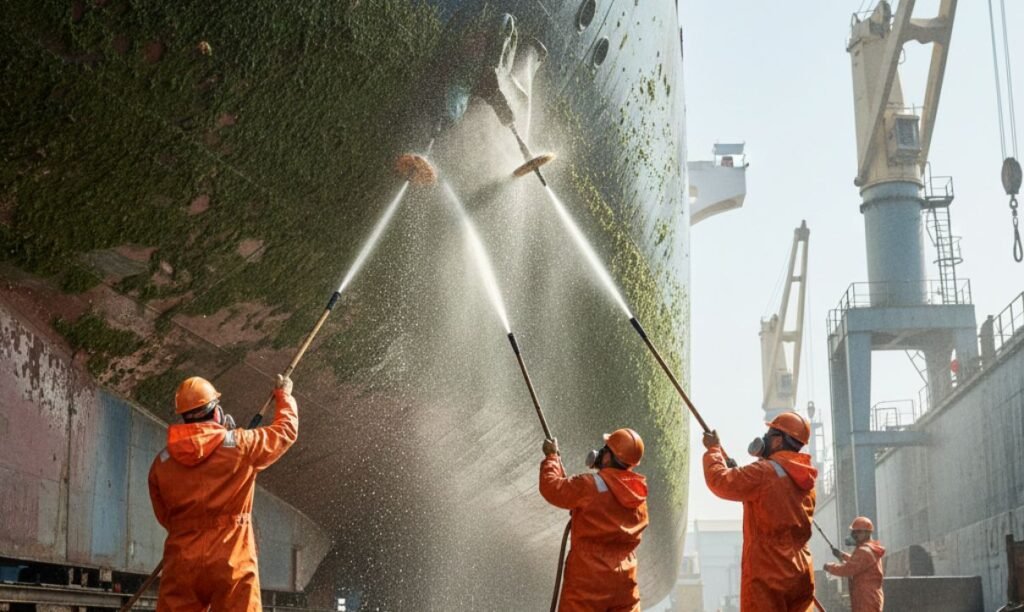
Innovation is reshaping cleaning methods. Water-efficient systems, biodegradable chemicals, and digital inspection reporting are gaining ground. These trends reduce environmental impact while improving consistency and transparency.
Sharjah, connected to global trade routes, is well positioned to adopt these advancements quickly.
Training and Knowledge Transfer
Effective cleaning depends on trained personnel. Understanding coatings, cargo chemistry, and structural design helps crews clean smarter, not harder. Continuous training aligns with IMCA and industry expectations.
Conclusion: Clean Holds, Stronger Operations
Cargo hold cleaning in Sharjah Port succeeds when safety, compliance, and efficiency move together. Three points matter most. First, UAE ports operate under global standards, not local shortcuts. Second, structured inspection and documentation protect both vessel and owner. Third, future-ready cleaning combines environmental care with operational discipline.
For operators seeking consistent compliance and maritime service excellence, working with experienced providers such as Cleanship.co ensures cleaning aligns with international expectations and real-world port demands.
FAQs:
The goal is to prepare holds so they are safe, contamination-free, and compliant for the next cargo. This protects cargo quality, supports inspections, and prevents delays or disputes with charterers.
Bulk carrier cleaning focuses on solid residues, frames, and bilges, while tank cleaning deals with liquid residues and gas-freeing. The principles overlap, but tools, risks, and inspection criteria differ significantly.
Operations align with IMO safety codes, IMCA operational guidance, MARPOL pollution rules, and IAPH port standards. These frameworks ensure safety, environmental protection, and documentation discipline.
Inspection reports and photographs provide evidence of compliance. They support charterer acceptance, reduce disputes, and demonstrate adherence to international standards during audits or port state control.
Global operators bring standardized workflows, trained personnel, and compliance knowledge. Their experience across ports and vessel types improves consistency, safety, and acceptance in demanding maritime environments.