Hold cleaning

Cargo hold cleaning in Khalid Port ensuring cargo safety and efficient vessel operations

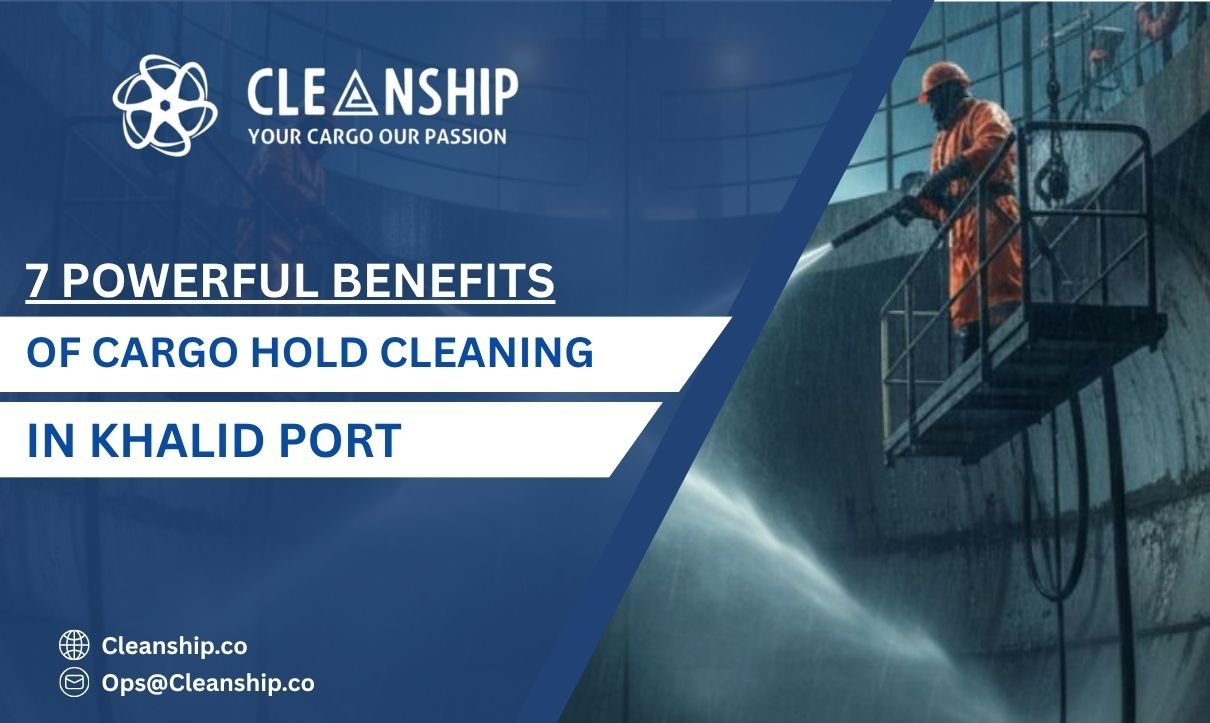
7 Powerful Benefits of Cargo Hold Cleaning in Khalid Port

Benefits of Cargo Hold Cleaning in Khalid Port Cargo hold cleaning in Khalid Port is a critical operational discipline for vessels trading through the UAE. It directly affects cargo acceptance, safety outcomes, environmental compliance, and commercial reliability. In a port environment aligned with world ports and international oversight, the condition of cargo holds is not a minor detail. It is a visible marker of how seriously a vessel operator treats compliance and risk management. For shipowners, operators, and charterers, cargo hold cleaning in Khalid Port determines whether the next cargo loads smoothly or becomes a source of delay, dispute, or rejection. This article explains why the UAE plays a leading role in marine cleaning, how global regulations shape cleaning practices, and the seven most powerful benefits of maintaining clean cargo holds at Khalid Port. Why the UAE Is a Global Hub for Marine Cleaning The UAE sits at the crossroads of global trade routes linking Asia, Europe, and Africa. Ports like Khalid Port handle a wide mix of bulk, breakbulk, and project cargoes under tight schedules and strict oversight. Because vessels calling at UAE ports often transition between very different cargo types, residue control becomes essential. Dust, moisture, rust scale, or chemical traces left behind can compromise the next cargo. Cargo hold cleaning in Khalid Port reflects the UAE’s commitment to meeting international expectations rather than local minimums. This consistency has positioned UAE ports as trusted stops within global shipping networks. What Cargo Hold Cleaning in Khalid Port Involves Cargo hold cleaning is the systematic removal of cargo residues, dust, rust flakes, moisture, and odors from ship holds after discharge. The objective is to present holds that are clean, dry, and ready for inspection and loading. In Khalid Port, cargo hold cleaning is typically required: When cargo hold cleaning in Khalid Port is done properly, it prevents re-cleaning, inspection failures, and operational delays. Regulatory Standards Shaping Cargo Hold Cleaning International Maritime Organization Framework The IMO establishes global standards for vessel safety and pollution prevention. Clean cargo holds reduce risks related to fire, contamination, and unsafe working environments, directly supporting IMO principles. MARPOL Convention Requirements The MARPOL Convention governs pollution from ships. Cargo residues and wash water generated during cargo hold cleaning in Khalid Port must be handled and disposed of correctly to prevent illegal discharge into port waters. IMCA Safety Guidance IMCA guidance addresses safe working practices during cleaning operations, including confined space entry, working at height, ventilation, and hazard management. These principles guide modern cargo hold cleaning methods. IAPH Port Expectations The International Association of Ports and Harbors promotes safe, sustainable port operations at world ports. Khalid Port applies these expectations through strict cleanliness and waste management controls. Cargo hold cleaning in Khalid Port is structured to satisfy all these frameworks simultaneously. Benefit 1: Protection of Cargo Quality The most immediate benefit of cargo hold cleaning in Khalid Port is cargo protection. Residues from previous cargoes can: For example, a hold previously carrying coal dust must be thoroughly cleaned before loading grain. Even fine particles can result in cargo rejection or claims. Clean holds preserve cargo integrity and protect commercial relationships. Benefit 2: Predictable Regulatory Compliance Regulatory compliance in UAE ports is actively enforced. Cargo hold cleaning in Khalid Port helps you: Inspectors assess both physical cleanliness and supporting documentation. Clean, well-prepared holds simplify inspections and reduce the risk of detention or delay. Benefit 3: Improved Crew Safety Cargo hold cleaning is labor-intensive and potentially hazardous. Common risks include: Professional cargo hold cleaning in Khalid Port emphasizes structured access, ventilation, and safe cleaning techniques. Clean, dry holds are safer to work in and reduce the likelihood of accidents. This approach aligns with IMCA safety guidance and modern safety management systems. Benefit 4: Environmental Protection and Sustainability Environmental responsibility is central to port operations in the UAE. Cargo residues may contain substances harmful to marine ecosystems. Improper handling during cleaning can lead to pollution incidents and severe penalties. Cargo hold cleaning in Khalid Port follows controlled waste handling practices that: These practices protect both the vessel and the port’s environmental standing. Benefit 5: Cost Efficiency Through Preventive Maintenance Cargo hold cleaning is often viewed as an expense. In reality, it is preventive maintenance. Clean holds: Residues act like abrasive grit inside machinery. Left in place, they accelerate wear. Cargo hold cleaning in Khalid Port helps preserve vessel condition and control lifecycle costs. Benefit 6: Faster Turnaround and Operational Efficiency Delays during cargo operations are expensive. Dirty holds often lead to: Cargo hold cleaning in Khalid Port ensures vessels are ready to load as scheduled. This reduces port stay duration and supports reliable voyage planning. Efficiency at the port translates directly into commercial advantage. Benefit 7: Commercial Readiness and Reputation Clean holds send a strong commercial signal. Charterers, surveyors, and marine supercargo professionals assess hold condition as an indicator of vessel management quality. Poor cleanliness raises concerns about broader operational discipline. Cargo hold cleaning in Khalid Port supports: A clean hold tells a clear story: this vessel is ready to perform. Tank, Hold, and Bulk Carrier Cleaning Standards Cargo hold cleaning exists within a wider maritime cleaning framework. Cargo Hold Cleaning Standards Holds must be clean, dry, and free of loose residues. Standards vary depending on cargo type and charter requirements. Bulk Carrier Hold Cleaning Bulk carriers focus on removing dust, moisture, and residues that could affect sensitive cargoes. Tank Cleaning Coordination Some vessels alternate between liquid and dry cargoes. Cleaning standards must prevent cross-contamination between tanks and holds. Cargo hold cleaning in Khalid Port integrates these standards into a unified operational approach. Inspection, Documentation, and Compliance Workflows Cleaning without documentation offers limited protection. Effective compliance workflows include: These documents provide traceability and support vessel operators during audits, inspections, or claims. Industry service providers such as Cleanship.co often support these workflows as part of global tank and hold cleaning operations, alongside cargo supervision and compliance support. Role of Marine Supercargo and Quality Verification Marine supercargo professionals verify the hold condition
Read more
Vessel hold cleaning services in Khalid Port improving cargo safety and operational efficiency

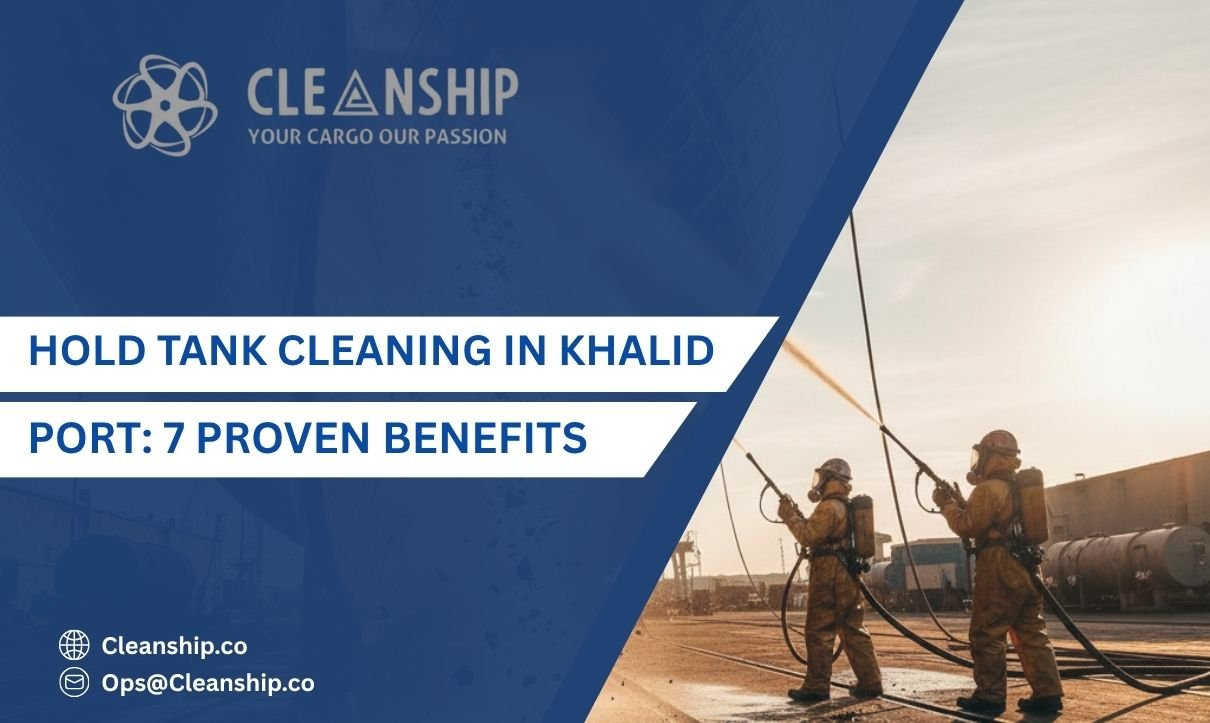
Hold Tank Cleaning in Khalid Port: 7 Proven Benefits

Hold Tank Cleaning in Khalid Port Hold tank cleaning in Khalid Port plays a critical role in keeping vessels compliant, safe, and operationally efficient in one of the UAE’s most strategically active maritime zones. As trade volumes through UAE ports continue to rise, shipowners, charterers, and operators face growing pressure to meet international regulations while maintaining turnaround speed and cargo integrity. In this article, we break down why hold tank cleaning in Khalid Port matters, how it aligns with global maritime standards, and the seven proven benefits you gain when cleaning is done correctly, professionally, and on time. Why UAE Ports Are Central to Marine Cleaning Operations The UAE sits at the crossroads of Asia, Europe, and Africa. Ports like Khalid Port handle bulk carriers, general cargo vessels, and tankers moving critical commodities every day. High traffic means strict oversight, frequent inspections, and little tolerance for non-compliance. In this environment, hold tank cleaning in Khalid Port is not optional. It is part of doing business safely and responsibly. Understanding Hold Tank Cleaning in Simple Terms Hold tanks are enclosed spaces used to carry bulk cargo, residues, or liquids. Over time, these tanks collect cargo remnants, moisture, and contaminants. If left untreated, they can cause corrosion, cargo contamination, and safety hazards. Hold tank cleaning in Khalid Port involves removing residues, washing surfaces, ventilating spaces, and preparing tanks for inspection or the next cargo. How Khalid Port’s Operating Conditions Affect Cleaning Standards Khalid Port operates under UAE port authority rules that closely align with international maritime conventions. High temperatures, humidity, and mixed cargo types demand precise cleaning methods. Because of this, hold tank cleaning in Khalid Port often requires tailored procedures rather than one-size-fits-all solutions. Regulatory Framework Governing Marine Cleaning IMO Compliance Expectations The International Maritime Organization (IMO) sets global benchmarks for safety and pollution prevention. Cleaning practices must ensure tanks are gas-free, structurally sound, and safe for entry. MARPOL Convention Requirements The MARPOL Convention focuses on preventing marine pollution. Improper discharge of cleaning residues or wash water can lead to serious violations, making compliant hold tank cleaning in Khalid Port essential. IMCA and IAPH Guidelines IMCA and IAPH provide operational best practices, especially around safety management, training, and port coordination. Following these guidelines reduces risk during cleaning operations. Safety as the Foundation of Tank Cleaning Confined space entry is one of the highest-risk activities at sea. Hold tank cleaning in Khalid Port follows strict safety protocols to protect crew and contractors. Key safety steps include: These measures protect lives and ensure inspections proceed without incident. Environmental Protection and Responsible Cleaning Environmental stewardship is a major focus in UAE ports. Cleaning residues must be collected, treated, and disposed of responsibly. By following approved methods, hold tank cleaning in Khalid Port supports: This protects marine ecosystems and avoids costly penalties. Benefit 1: Faster Port Turnaround Times Clean, inspection-ready tanks reduce delays. When tanks meet standards on first inspection, vessels avoid rework and waiting periods. Efficient hold tank cleaning in Khalid Port helps you sail on schedule and meet charter commitments. Benefit 2: Full Regulatory Compliance Compliance is not just about avoiding fines. It protects your vessel’s reputation and charter eligibility. With proper documentation and procedures, hold tank cleaning in Khalid Port aligns with IMO, MARPOL, IMCA, and IAPH expectations. Benefit 3: Improved Cargo Safety and Quality Residual contamination can damage new cargo or lead to rejection. Clean tanks protect cargo integrity, especially for sensitive bulk commodities. This makes hold tank cleaning in Khalid Port a direct contributor to cargo value preservation. Benefit 4: Enhanced Crew Safety A clean, ventilated tank reduces exposure to toxic gases and slip hazards. Safer working conditions improve crew morale and reduce incidents. Benefit 5: Reduced Maintenance and Corrosion Residues accelerate corrosion. Regular hold tank cleaning in Khalid Port removes corrosive materials, extending tank life and reducing long-term repair costs. Benefit 6: Cost Efficiency Over the Vessel Lifecycle While cleaning has an upfront cost, it prevents: Over time, consistent hold tank cleaning in Khalid Port lowers total operating expenses. Benefit 7: Inspection Readiness and Transparency Port State Control inspections are thorough in UAE ports. Clean tanks, clear records, and proper preparation create confidence with inspectors. Tank, Hold, and Bulk Carrier Cleaning Standards Different vessel types require different approaches: Hold tank cleaning in Khalid Port adapts methods to vessel design and cargo history. Inspection and Documentation Workflows Cleaning does not end when washing stops. Documentation is critical. Typical workflow includes: These records demonstrate compliance and protect operators during audits. Real-World Maritime Example from Khalid Port Consider a bulk carrier switching from coal to grain. Without proper hold tank cleaning in Khalid Port, fine coal dust could contaminate grain cargo. A structured cleaning process removes residues, verifies cleanliness, and allows safe loading, preventing claims and delays. Industry Practices and Service Integration Across global ports, companies like Cleanship.co represent industry-standard practices by integrating: These services work together to support safe and compliant vessel operations without disrupting schedules. The Role of Marine Supercargo in Cleaning Operations Marine supercargo professionals verify cleanliness, oversee cargo readiness, and ensure standards are met before loading. Their involvement adds an extra layer of assurance to hold tank cleaning in Khalid Port. Training and Competency in Cleaning Crews Well-trained crews understand chemical handling, ventilation techniques, and emergency response. This expertise directly impacts cleaning quality and safety outcomes. Technology and Innovation in Marine Cleaning The future of hold tank cleaning in Khalid Port is evolving through: These innovations improve accuracy, safety, and environmental performance. Why Consistency Matters More Than Speed Rushed cleaning leads to missed residues and failed inspections. Consistent, methodical hold tank cleaning in Khalid Port delivers reliable results every time. Collaboration Between Ports and Service Providers Strong coordination between port authorities, vessel crews, and service providers ensures smooth operations. Clear communication reduces downtime and compliance risks. Conclusion Hold tank cleaning in Khalid Port is a strategic necessity, not a routine task. First, it ensures compliance with global standards such as IMO and MARPOL while meeting strict UAE
Read more
Hold Cleaning

What is the purpose of hold cleaning?

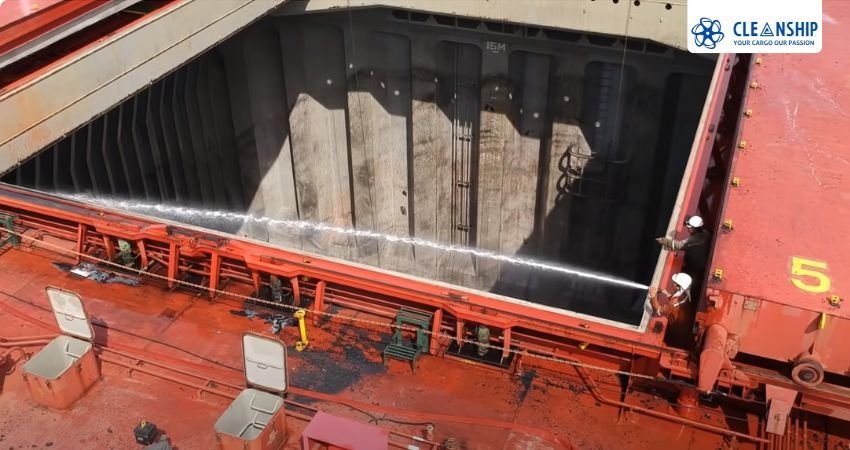
The purpose of hold cleaning in maritime operations is multifaceted and important for ensuring the safety, efficiency, and regulatory compliance of cargo transportation. Mostly, hold cleaning aims to remove ruins, contaminants, and waste from cargo holds after each shipment. This process controls cross-contamination between different types of cargo, preserving the integrity and quality of goods during transit. Additionally, clean holds contribute to maintaining the structural integrity of vessels by preventing corrosion and damage, thereby extending their operational lifespan. From a regulatory standpoint, clean cargo holds are necessary for compliance with international and local cleanliness standards, which are enforced to prevent the spread of pests, diseases, and pollutants across borders. Purpose of Hold Cleaning Cargo hold cleaning offers several advantages that contribute to efficient maritime operations and cargo management: 1. Ensures Cargo Integrity and Safety The main purpose of hold cleaning is to safeguard cargo goodness during transit. By simply removing residues, contaminants, and waste from previous loads, hold cleaning prevents cross-contamination and ensures that the new cargo arrives at its destination in optimal condition. This process is especially required for sensitive cargoes such as food products, chemicals, and pharmaceuticals, where contamination can lead to significant financial losses and safety risks. 2. Maintains Vessel Structural Integrity Regular hold cleaning helps maintain the structural goodness of the vessel itself. Residues left unchecked can lead to corrosion, weakening the hull and compromising its seaworthiness. By cleaning cargo holds regularly, ship owners and operators mitigate the risk of structural damage and extend the lifespan of their vessels. 3. Facilitates Regulatory Compliance Hold cleaning is necessary for compliance with international and local regulations governing maritime transport. Authorities set strict cleanliness standards to prevent the spread of pests, diseases, and pollutants across borders. Vessels must undergo inspections to verify compliance with these regulations, and clean cargo holds are a fundamental requirement for obtaining clearance to load or unload cargo at ports worldwide. 4. Improves Operational Efficiency Efficient hold cleaning practices miscalculate turnaround times at ports. Clean holds reduce the risk of delays due to quarantine or inspection issues, ensuring that vessels can quickly unload and load cargo. This efficiency is important for maintaining tight shipping schedules and meeting customer demands, thereby enhancing overall operational productivity. Advantages of Hold Cleaning While hold cleaning offers numerous benefits, it also comes with different advantages: 1. Enhanced Cargo Quality Clean cargo holds contribute to maintaining the quality and market value of transported goods. Customers receiving uncontaminated cargo are more likely to trust the shipping company, fostering long-term business relationships and customer satisfaction. 2. Cost Savings Investing in regular hold cleaning can lead to cost savings in the long run. Preventing corrosion and structural damage through aggressive maintenance reduces the need for costly repairs and extends the operational life of the vessel. Additionally, avoiding delays and fines associated with non-compliance can result in significant financial savings for shipowners. 3. Environmental Protection Clean cargo holds minimize the risk of accidental spills or leaks of pollutants into marine environments. By adhering to cleanliness standards and using eco-friendly cleaning products, shipping companies demonstrate their commitment to environmental stewardship and sustainable practices. 4. Crew Safety Maintaining clean cargo holds enhances onboard safety for crew members. A clean working environment reduces the risk of slips, trips, and exposure to unsafe substances, promoting a healthier and more productive workforce. Disadvantages of Hold Cleaning Despite its benefits, hold cleaning also presents some challenges and potential disadvantages: 1. Time and Labor Intensive Cleaning large cargo holds requires significant time and labor resources. Depending on the size of the vessel and the nature of the cargo residues, the cleaning process can be time-consuming and physically demanding for crew members. 2. Chemical Exposure The use of cleaning agents and chemicals poses potential health risks to personnel involved in hold cleaning operations. Proper training and safety protocols are essential to minimize disclosure and ensure the safe handling of cleaning products. 3. Operational Disruptions Scheduled hold cleaning can disrupt vessel operations and logistics planning. Shipowners must carefully schedule cleaning activities to minimize downtime and avoid conflicts with loading and unloading schedules at ports. 4. Cost Considerations Investing in equipment, cleaning products, and trained personnel for hold cleaning incurs additional operational costs for shipping companies. While these costs are necessary for maintaining compliance and operational efficiency, they can impact profit margins, particularly in competitive shipping markets. Read Also: Why Prioritize Cargo Hold Cleaning in Bulk Carriers? Conclusion Hold cleaning plays an essential role in maintaining maritime safety, cargo integrity, and regulatory adherence. While it requires investment in time, resources, and adherence to safety standards, the benefits outweigh the challenges. By prioritizing regular and thorough hold cleaning practices, shipping companies can enhance operational efficiency, protect the environment, ensure crew safety, and uphold their reputation in the global shipping industry. FAQs:
Read more
Shopping Cart (0 items)