The shipping industry rarely stops. Every day a vessel spends away from commercial operations means delays, additional costs, and lost revenue. This is one reason why UWILD Inspection in Kandla has become increasingly important for ship owners, operators, and managers operating along India’s western coast.
Kandla, officially known as Deendayal Port, handles a large number of bulk carriers, tankers, offshore support vessels, and coastal ships. Since many vessels trading in the Arabian Sea regularly call at the port, underwater inspections have become a practical alternative to dry docking in certain situations.
A properly conducted UWILD inspection allows classification societies and vessel owners to evaluate the condition of underwater hull structures while the vessel remains afloat. This approach saves both time and operational costs.
What is UWILD Inspection?
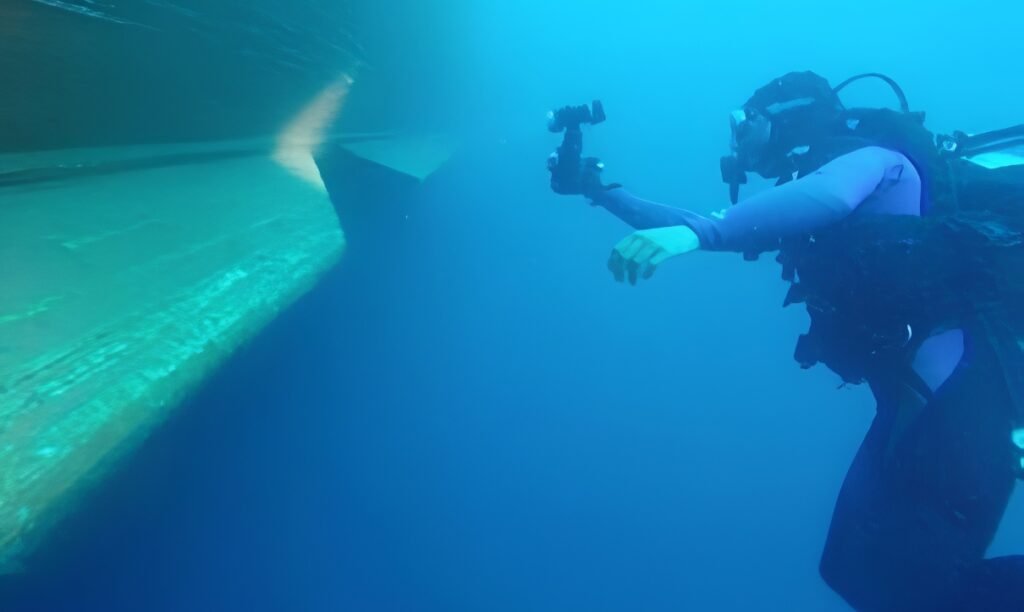
UWILD stands for Underwater Inspection in Lieu of Drydocking. It is an approved underwater examination carried out by certified divers or remotely operated vehicles while the vessel remains in water.
Instead of sending the ship to a dry dock, authorized surveyors inspect critical underwater components such as:
- Hull plating
- Sea chests
- Rudders
- Propellers
- Thrusters
- Bilge keels
- Weld seams
- Sacrificial anodes
Classification societies may approve UWILD inspections under specific conditions, depending on vessel age, type, and maintenance history.
For many ship operators, UWILD Inspection in Kandla offers a practical solution when dry dock slots are unavailable or operational schedules cannot accommodate lengthy repairs.
Why Kandla Has Become an Important UWILD Location
Kandla serves as one of India’s major commercial ports handling cargo ranging from crude oil and chemicals to fertilizers, containers, and dry bulk commodities.
Several factors make the port suitable for underwater inspections:
Strategic Location
The port lies close to important shipping routes connecting the Middle East, Africa, and western India. Vessels calling at nearby ports often choose Kandla for inspection work.
High Vessel Traffic
Kandla handles a large volume of tankers, bulk carriers, container vessels, and coastal ships throughout the year. This continuous vessel movement creates strong demand for underwater inspections, maintenance services, and marine support operations.
Availability of Diving Contractors
Professional diving companies with experienced commercial divers operate in and around the port area. Their expertise supports various underwater inspection activities.
Reduced Operational Downtime
UWILD inspections can often be performed while a vessel is alongside a berth or at anchorage. This allows shipowners to complete mandatory inspections without interrupting cargo operations or significantly affecting sailing schedules.
The UWILD Inspection Process in Kandla
Every UWILD inspection follows a structured and systematic procedure to ensure safety, accuracy, and compliance with classification society requirements. From planning and approvals to underwater examination and reporting, each stage plays an important role in the inspection process.
Pre-Inspection Planning
The vessel owner coordinates with:
- Classification society
- Marine diving contractor
- Port authorities
- Ship management company
Inspection areas, safety procedures, and reporting requirements are finalized before work begins.
Hull Cleaning if Required
Marine growth often affects visibility. Divers may perform underwater hull cleaning before the inspection starts.
Underwater Examination
Divers capture:
- High-definition photographs
- Video recordings
- Thickness observations
- Damage assessments
Surveyors review these findings either onboard or remotely.
Class Survey Review
Classification surveyors evaluate the collected data and determine whether the vessel satisfies inspection requirements.
If necessary, recommendations for repairs or future monitoring are issued.
Equipment Used During UWILD Inspections
Modern UWILD inspections depend on advanced underwater technology to ensure accurate and reliable assessments of a vessel’s submerged structures. From professional diving systems and high-resolution cameras to ROVs and specialized measurement tools, this equipment enables inspectors to safely evaluate hull conditions and document findings in accordance with classification society requirements.
Commercial Diving Systems
Commercial divers typically use surface-supplied diving systems that provide a continuous supply of air from the surface. These systems also enable real-time communication between divers and inspection supervisors, improving safety and inspection accuracy.
Underwater Cameras
High-resolution underwater cameras capture detailed images and videos of the vessel’s hull, propeller, and other submerged structures. The recorded footage serves as valuable evidence for classification societies and technical assessments.
ROV Technology
Remotely Operated Vehicles (ROVs) are widely used to inspect areas that may be difficult, confined, or hazardous for divers to access. They provide live video feeds and can perform detailed inspections without direct human intervention underwater.
Measurement Tools
Divers use specialized measuring instruments to assess corrosion levels, metal wastage, coating conditions, and structural integrity. These tools help generate accurate data for maintenance planning and repair decisions.
These advanced technologies have significantly improved the efficiency, accuracy, and reliability of UWILD Inspection in Kandla, allowing vessel owners to obtain detailed underwater assessments while minimizing operational disruptions.
Benefits of UWILD Inspection in Kandla
UWILD (Underwater Inspection in Lieu of Dry Docking) offers several operational and financial advantages for ship owners operating in Kandla. By allowing critical underwater inspections without taking the vessel into dry dock, UWILD helps reduce costs, minimize downtime, improve maintenance planning, and ensure continued compliance with classification and regulatory requirements.
Lower Dry Dock Costs
Dry docking involves significant expenses, including dock charges, labor, and vessel downtime. UWILD inspections can often fulfill class requirements while the vessel remains afloat, helping shipowners reduce overall maintenance costs.
Less Off-Hire Time
UWILD inspections can usually be completed during normal port stays or cargo operations. This minimizes operational disruptions and allows the vessel to remain commercially active for longer periods.
Early Damage Detection
Underwater inspections help identify corrosion, cracks, coating damage, or propeller defects at an early stage. Timely detection prevents minor issues from developing into costly repairs or safety concerns.
Better Maintenance Planning
Inspection reports help technical managers schedule future maintenance more efficiently.
For example, a coastal tanker operating between Gujarat and the Middle East may perform a UWILD inspection during a cargo call instead of losing several days in dry dock.
Common Findings During UWILD Surveys
Underwater inspections frequently identify issues such as:
- Marine growth accumulation
- Corrosion around sea chests
- Damaged anodes
- Propeller blade defects
- Rudder coating deterioration
- Minor hull indentations
- Coating breakdown
Early detection prevents larger maintenance costs later.
A bulk carrier arriving after long trading periods in tropical waters may show heavy fouling around the propeller area, affecting fuel efficiency. Divers can identify these issues during inspection.
Regulatory and Class Requirements
Not every vessel automatically qualifies for UWILD surveys.
Classification societies evaluate several factors:
- Vessel age
- Maintenance records
- Previous inspection reports
- Hull coating condition
- Operating history
Some vessels may still require traditional dry docking.
Ship owners planning UWILD Inspection in Kandla should coordinate with their classification society well before the vessel’s survey window.
Choosing the Right UWILD Service Provider
Experience matters considerably in underwater inspections.
When selecting a contractor, ship operators usually consider:
- Commercial diving certification
- Safety records
- Equipment capability
- Previous marine experience
- Availability of underwater imaging systems
- Knowledge of class requirements
Reliable reporting and clear communication often make the difference between a smooth inspection and operational delays.
Future of UWILD Services in Kandla
The demand for underwater inspections continues to grow.
As shipping companies focus on reducing operational costs and improving vessel availability, underwater surveys will become increasingly common.
ROV technology, digital reporting, and real-time video transmission are already changing how marine inspections are conducted.
Given Kandla’s position as a major maritime hub, the port is expected to remain an important location for underwater inspections in western India.
Conclusion
UWILD Inspection in Kandla offers ship owners an efficient alternative to conventional dry docking under approved conditions. The process helps reduce downtime, lower costs, and maintain vessel safety standards without disrupting commercial operations.
With experienced diving teams, growing marine infrastructure, and strong connectivity to regional trade routes, Kandla has become a practical choice for underwater inspections. For vessel operators seeking flexibility and operational efficiency, UWILD surveys provide a valuable maintenance solution while keeping ships moving.
FAQs:
Q1. What is UWILD inspection in shipping?
UWILD is an underwater inspection conducted instead of dry docking to examine a vessel’s underwater structure while it remains afloat.
Q2. Is UWILD inspection accepted by classification societies?
Yes. Many classification societies approve UWILD inspections under specific conditions and survey requirements.
Q3. How long does a UWILD inspection take in Kandla?
Depending on vessel size and inspection scope, the process may take several hours to one or two days.
Q4. Can underwater hull cleaning be combined with UWILD inspection?
Yes. Many operators perform hull cleaning before inspection to improve visibility and inspection quality.
Q5. Which vessels commonly undergo UWILD inspections in Kandla?
Bulk carriers, tankers, offshore vessels, coastal ships, and support vessels frequently undergo UWILD inspections at Kandla.