
In the maritime industry, vessel efficiency often comes down to details that are not visible from the deck. One of the most overlooked yet critical factors affecting ship performance is hull fouling. Marine growth accumulating beneath the waterline can gradually reduce a vessel’s speed, increase fuel consumption, and place additional strain on machinery.
Before shipowners decide whether cleaning or maintenance is necessary, they need an accurate assessment of the vessel’s underwater condition. This is where Hull Fouling Inspection in Kandla becomes an essential marine service.
As one of India’s busiest commercial ports, Kandla receives a steady flow of tankers, bulk carriers, container ships, and offshore support vessels. With vessels operating continuously in varying sea conditions, underwater inspections have become a practical tool for maintaining operational efficiency and controlling maintenance costs.
Rather than relying on assumptions, ship operators increasingly use professional hull fouling inspections to make informed maintenance decisions.
Understanding Hull Fouling
Hull fouling refers to the accumulation of marine organisms on a vessel’s submerged surfaces. The process begins with a thin layer of slime and gradually develops into more extensive growth such as algae, barnacles, mussels, and other marine species.
Although this buildup may appear harmless at first, its impact can be significant.
A fouled hull creates additional resistance as the vessel moves through water. The engines must work harder to maintain speed, resulting in higher fuel consumption and increased emissions.
Common Types of Hull Fouling
- Slime layers
- Algae growth
- Barnacles
- Mussels
- Tubeworms
- Shell deposits
- Mixed marine growth
The severity of fouling depends on several factors, including vessel trading patterns, water temperature, idle periods, and the condition of the antifouling coating.
Why Hull Fouling Inspection Matters
Many shipowners focus on cleaning once performance begins to decline. However, waiting for visible operational issues may not always be the most cost-effective approach.
A professional Hull Fouling Inspection in Kandla provides valuable information before performance losses become substantial.
Early Detection of Marine Growth
Regular inspections allow vessel operators to identify fouling during its early stages.
Instead of scheduling unnecessary cleaning, operators can assess the actual condition of the hull and plan maintenance accordingly.
Improved Maintenance Planning
Inspections help shipping companies determine whether underwater cleaning is required immediately or if maintenance can be postponed until the next port call or dry dock.
This flexibility helps optimize maintenance budgets and vessel schedules.
Better Fuel Management
Fuel remains one of the largest operating expenses for most vessels.
By understanding the extent of hull fouling, operators can identify potential causes of increased fuel consumption and take corrective action before costs escalate.
The Growing Demand for Hull Fouling Inspection in Kandla
The demand for Hull Fouling Inspection in Kandla has increased as shipping companies focus more closely on fuel efficiency, environmental performance, and predictive maintenance.
Kandla’s strategic location on India’s west coast makes it a frequent port of call for vessels operating between the Middle East, Africa, Southeast Asia, and domestic Indian trade routes.
For example, a tanker operating on regular Gulf-to-India voyages may experience varying levels of marine growth depending on trading conditions and port waiting times. Rather than immediately arranging underwater cleaning, ship managers often request a hull fouling inspection first to assess the actual condition of the vessel.
This approach prevents unnecessary maintenance expenses while ensuring performance standards are maintained.
How Hull Fouling Inspection Is Conducted
Modern underwater inspections combine experienced commercial divers with advanced imaging technology to provide accurate assessments of hull conditions.
Initial Planning
Before the inspection begins, marine service providers coordinate with ship management, agents, and port authorities.
Factors considered include:
- Vessel type
- Draft condition
- Berthing arrangements
- Weather conditions
- Tidal movements
- Operational schedule
Proper planning ensures efficient inspection without disrupting cargo operations.
Underwater Visual Inspection
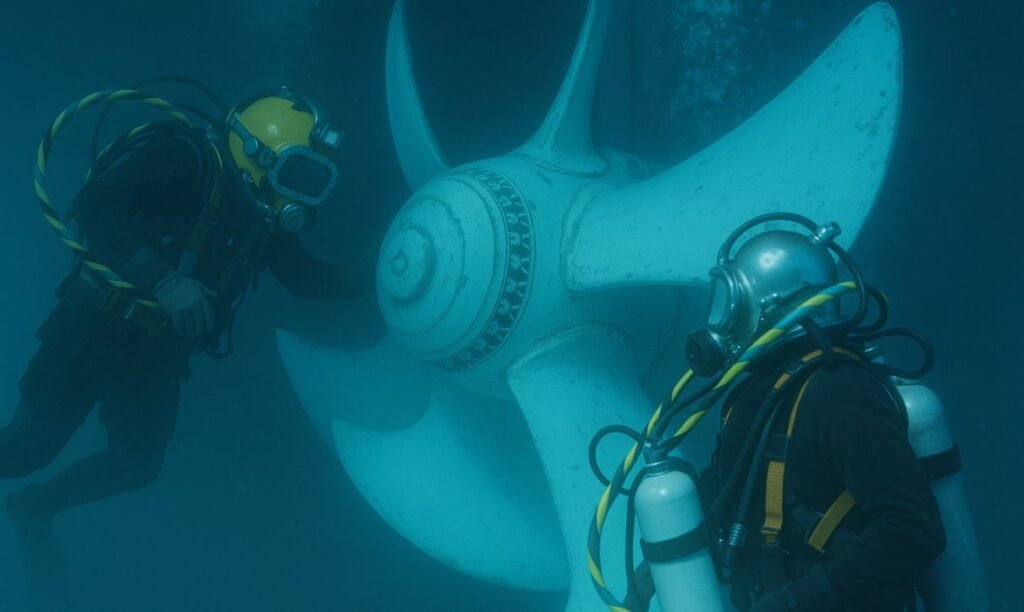
Commercial divers conduct a systematic survey of the vessel’s underwater surfaces.
Inspection areas typically include:
- Flat bottom sections
- Hull sides
- Bow areas
- Stern sections
- Rudders
- Bilge keels
- Sea chests
- Thruster tunnels
Divers assess both the extent and type of fouling present on the vessel.
Video and Photographic Documentation
Most professional providers performing Hull Fouling Inspection in Kandla use underwater cameras to capture visual evidence.
These images and videos provide shipowners with clear documentation of:
- Marine growth levels
- Coating condition
- Areas requiring attention
- Potential damage
- Corrosion concerns
This documentation supports informed maintenance decisions and future inspections.
Benefits of Hull Fouling Inspection in Kandla
Accurate Condition Assessment
A detailed inspection eliminates guesswork.
Shipowners receive a realistic understanding of the vessel’s underwater condition rather than relying solely on performance data.
Reduced Maintenance Costs
Not every vessel requires immediate cleaning.
Inspections help identify whether fouling levels justify maintenance expenses, allowing operators to avoid unnecessary service costs.
Enhanced Fuel Efficiency
When fouling is identified early, corrective actions can be taken before fuel penalties become significant.
This contributes to improved operational efficiency and lower voyage costs.
Extended Coating Life
Frequent cleaning is not always beneficial if fouling levels remain low.
Hull inspections help ship managers balance cleaning schedules while protecting valuable antifouling coatings.
Regulatory Compliance Support
Environmental regulations and vessel efficiency requirements continue to evolve.
Routine inspections provide maintenance records that support compliance and demonstrate proactive vessel management.
Challenges in Hull Fouling Inspection
Although inspections offer substantial benefits, conducting underwater assessments in active port environments requires expertise and careful coordination.
Water Visibility Conditions
Underwater visibility can vary depending on weather, sediment levels, and tidal conditions.
Experienced divers adapt inspection techniques to maintain accuracy even in challenging environments.
Tidal Variations
The Gulf of Kutch experiences strong tidal movements that can influence underwater operations.
Professional inspection teams plan work around favorable conditions whenever possible.
Vessel Access Requirements
Each vessel presents unique access challenges based on hull design, draft, and operational status.
Experienced inspectors understand how to efficiently examine all critical areas while maintaining safety standards.
Choosing the Right Inspection Provider
The quality of an underwater inspection depends heavily on the experience and capabilities of the service provider.
Key Selection Factors
Qualified Commercial Divers
Professional divers should possess extensive experience in underwater ship inspections and marine maintenance operations.
Advanced Inspection Technology
High-quality cameras and imaging systems improve documentation and reporting accuracy.
Safety Procedures
Strong safety practices are essential when working around large vessels and active port operations.
Detailed Reporting
A comprehensive inspection report should include photographs, video evidence, fouling assessments, and maintenance recommendations.
The Future of Hull Fouling Inspection in Kandla
The maritime industry is increasingly embracing data-driven maintenance strategies.
Underwater inspections are evolving from simple visual surveys into sophisticated condition-monitoring programs supported by digital reporting, high-definition imaging, and predictive maintenance technologies.
As fuel efficiency and environmental performance remain major industry priorities, Hull Fouling Inspection in Kandla will continue to play a crucial role in vessel management strategies.
Many shipping companies now consider regular inspections an essential part of maintaining fleet performance and controlling operational costs.
Conclusion
Hull Fouling Inspection in Kandla provides vessel operators with valuable insight into the underwater condition of their ships. By identifying marine growth before it significantly impacts performance, inspections help improve fuel efficiency, support maintenance planning, and reduce unnecessary operational expenses.
For shipowners operating through Kandla, regular hull fouling inspections offer a practical and cost-effective way to maintain vessel performance while protecting long-term asset value. In today’s competitive shipping environment, informed maintenance decisions begin with accurate underwater inspections.
FAQs:
1. What is hull fouling inspection?
Hull fouling inspection is an underwater assessment of a vessel’s submerged surfaces to identify marine growth, coating condition, and areas requiring maintenance.
2. Why is Hull Fouling Inspection in Kandla important?
It helps shipowners evaluate hull condition, improve fuel efficiency, plan maintenance effectively, and avoid unnecessary cleaning costs.
3. How is a hull fouling inspection performed?
Commercial divers inspect the underwater hull visually and often use underwater cameras to capture photographs and video documentation.
4. How often should vessels undergo hull fouling inspections?
Inspection frequency depends on vessel operations, trading routes, and environmental conditions. Many operators conduct inspections every few months.
5. Can hull fouling inspections be performed without dry docking?
Yes. Professional underwater inspection teams can assess hull conditions while the vessel remains afloat, minimizing operational downtime.