
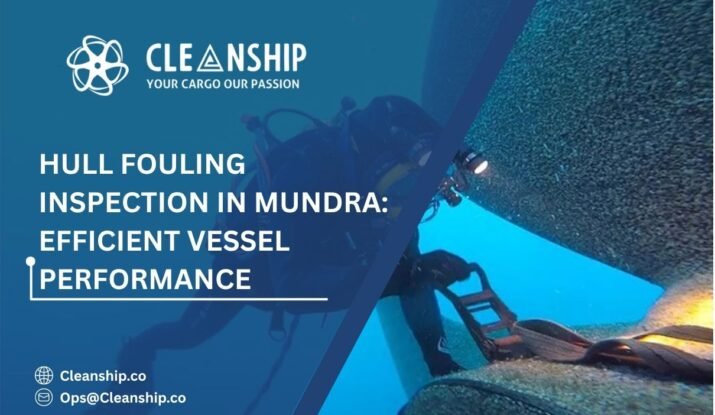
Every vessel operating at sea gradually develops marine growth on its underwater surfaces. It starts with a thin layer of slime, then algae begin to form, and before long, barnacles, mussels, and other marine organisms attach themselves to the hull. While this process is natural, its impact on vessel performance can be significant.
For ship owners and operators, understanding the extent of hull fouling before it becomes a costly problem is essential. That is why Hull Fouling Inspection in Mundra has become an important part of modern vessel maintenance programs.
Rather than relying on assumptions, vessel operators today prefer accurate underwater inspections that provide a clear picture of hull condition. These inspections help determine whether cleaning is required, identify problem areas, and support informed maintenance decisions.
As one of India’s largest commercial ports, Mundra handles a continuous flow of container ships, tankers, bulk carriers, and offshore vessels. With high vessel traffic and varying operating conditions, underwater inspections have become a practical tool for maintaining efficiency and reliability.
What Is Hull Fouling?
Hull fouling refers to the accumulation of marine organisms on a vessel’s submerged surfaces.
The process usually develops in stages:
- Slime and biofilm formation
- Algae growth
- Barnacle attachment
- Mussel and shellfish accumulation
- Advanced marine fouling
Even relatively light fouling can create additional resistance as a vessel moves through the water.
When resistance increases, engines must work harder to maintain speed. This often leads to higher fuel consumption, increased emissions, and rising operational costs.
Many shipping companies now rely on Hull Fouling Inspection in Mundra to monitor hull condition before performance losses become severe.
Why Hull Fouling Inspections Matter
The underwater section of a vessel is rarely visible during normal operations.
Without a proper inspection, vessel operators may not realize how much fouling has accumulated beneath the waterline.
An inspection provides valuable information regarding:
- Hull cleanliness
- Coating condition
- Marine growth severity
- Propeller condition
- Sea chest fouling
- Potential maintenance requirements
This information allows operators to make proactive maintenance decisions rather than reacting to performance problems later.
For example, a container vessel arriving in Mundra after several months of operation may appear to be performing normally. However, an underwater inspection could reveal extensive slime buildup that is already affecting fuel efficiency.
Early detection often results in lower maintenance costs and better operational planning.
Why Hull Fouling Inspection in Mundra Is Increasingly Important
Mundra serves vessels from various international and domestic trade routes.
Ships arriving from tropical waters often experience accelerated marine growth due to favorable environmental conditions. Extended waiting periods at anchor can also contribute to fouling development.
As fuel prices continue to influence operating budgets, many shipping companies have introduced regular inspection schedules to monitor hull performance.
A professional Hull Fouling Inspection in Mundra helps vessel operators:
- Identify fouling levels accurately
- Assess cleaning requirements
- Improve fuel efficiency planning
- Support environmental compliance
- Extend hull coating life
- Reduce operational uncertainty
These benefits make inspections an important part of vessel management strategies.
How Hull Fouling Inspections Are Performed
Pre-Inspection Planning
Before entering the water, inspection teams review vessel specifications and operational requirements.
This planning phase helps identify critical areas requiring close examination.
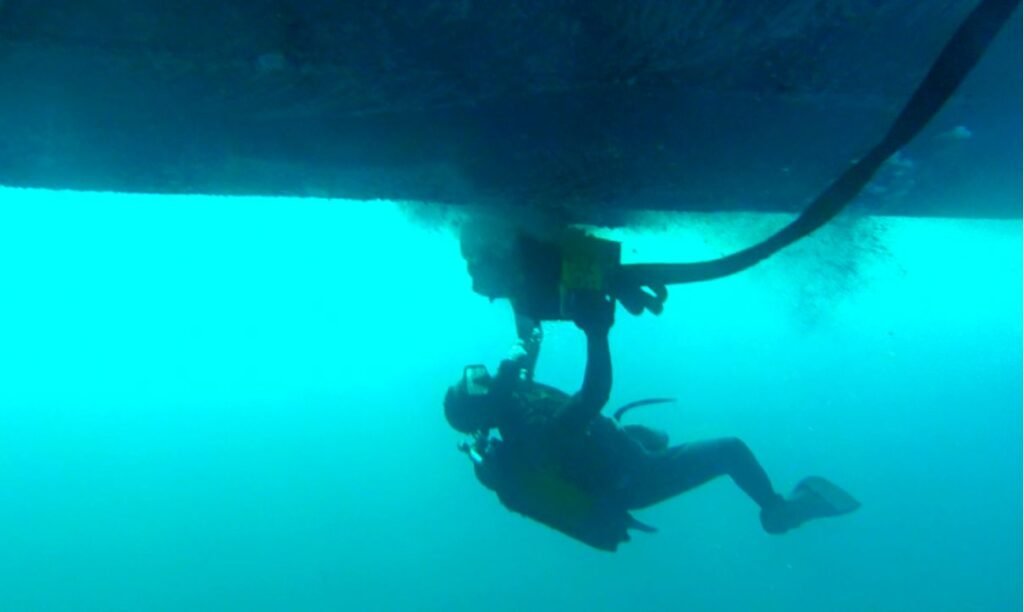
Underwater Visual Inspection
Commercial divers perform a detailed visual assessment of the vessel’s underwater surfaces.
Key inspection areas include:
- Flat bottom sections
- Bilge keels
- Bow thruster tunnels
- Rudders
- Propellers
- Sea chests
- Water intake gratings
Divers carefully document the type and extent of fouling observed throughout the hull.
Underwater Photography and Video Recording
Modern inspection projects often include high-resolution photography and video documentation.
These visual records provide vessel operators with a clear understanding of hull condition and can be shared with technical managers, classification societies, and maintenance teams.
Fouling Assessment and Reporting
Following the inspection, findings are compiled into a detailed report.
The report typically includes:
- Fouling severity ratings
- Photographic evidence
- Hull coating observations
- Maintenance recommendations
- Suggested cleaning requirements
This information forms the basis for future underwater maintenance planning.
Common Findings During Hull Fouling Inspection in Mundra
Not every vessel experiences the same fouling conditions.
Several factors influence marine growth levels, including:
- Trading routes
- Water temperature
- Vessel speed
- Port stay duration
- Hull coating condition
Some inspections reveal only light slime accumulation, while others uncover heavy barnacle infestations requiring immediate attention.
A bulk carrier spending extended periods at anchorage may develop substantial marine growth compared to a vessel operating continuously at higher speeds.
This variation highlights the importance of routine inspections rather than relying on assumptions.
Benefits of Hull Fouling Inspection in Mundra
Improved Fuel Efficiency
One of the primary reasons vessel operators schedule inspections is fuel management.
A fouled hull creates additional drag, increasing fuel consumption.
Identifying fouling early helps operators take corrective action before costs escalate.
Better Maintenance Planning
Inspections provide objective information that supports maintenance scheduling.
Instead of performing cleaning based on fixed timelines, operators can make decisions based on actual hull condition.
Reduced Operational Risk
Unexpected performance losses can affect voyage schedules and operating costs.
Regular Hull Fouling Inspection in Mundra helps identify potential issues before they impact vessel operations.
Environmental Compliance Support
The maritime industry continues to focus on reducing emissions and improving sustainability.
Maintaining a clean hull contributes to lower fuel consumption and reduced environmental impact.
Extended Coating Performance
Hull coatings represent a significant investment.
Regular inspections help monitor coating condition and identify areas where maintenance may be required to preserve coating effectiveness.
Choosing the Right Inspection Provider
The quality of an inspection depends heavily on the expertise of the service provider.
When selecting a company for Hull Fouling Inspection in Mundra, vessel operators should consider:
Experienced Diving Personnel
Commercial divers should possess relevant certifications and extensive marine inspection experience.
Modern Inspection Technology
High-quality imaging equipment improves documentation and reporting accuracy.
Comprehensive Reporting
Detailed reports help vessel operators make informed maintenance decisions.
Strong Safety Standards
Professional underwater inspections must be conducted according to strict safety procedures and port regulations.
Local Port Knowledge
Providers familiar with Mundra’s operational environment can coordinate efficiently with vessel representatives and port authorities.
The Future of Hull Fouling Monitoring
Advancements in underwater technology continue to improve inspection capabilities.
High-definition cameras, digital reporting systems, remotely operated vehicles, and data-driven maintenance planning are transforming the way vessel operators monitor underwater assets.
Many fleet operators now integrate regular Hull Fouling Inspection in Mundra into broader performance management programs designed to reduce fuel costs and improve operational efficiency.
As sustainability targets become more demanding, the role of underwater inspections will continue to grow across the maritime industry.
Conclusion
Marine fouling is an unavoidable part of vessel operations, but allowing it to go unchecked can lead to increased fuel consumption, higher emissions, and rising maintenance costs.
Hull Fouling Inspection in Mundra provides vessel owners and operators with the information needed to make informed maintenance decisions. By identifying fouling levels, assessing hull condition, and supporting preventive maintenance strategies, inspections help improve vessel performance and reduce operational risks.
For vessels trading through Mundra, regular hull fouling inspections have become a practical and cost-effective way to maintain efficiency while protecting valuable marine assets.
FAQs
Q1. What is hull fouling inspection?
Hull fouling inspection is an underwater assessment of a vessel’s submerged surfaces to identify marine growth, coating condition, and maintenance requirements.
2. Why is Hull Fouling Inspection in Mundra important?
It helps vessel operators monitor marine growth, improve fuel efficiency, plan maintenance activities, and reduce operational costs.
3. How is a hull fouling inspection conducted?
Commercial divers inspect the hull underwater, capture photographs and videos, assess fouling levels, and prepare a detailed inspection report.
4. How often should vessels undergo hull fouling inspections?
Inspection frequency depends on vessel operations, trading routes, and environmental conditions, but many operators schedule inspections every few months.
5. Can hull fouling inspections help reduce fuel consumption?
Yes. By identifying marine growth early, operators can schedule cleaning before fouling significantly affects vessel efficiency and fuel usage.