
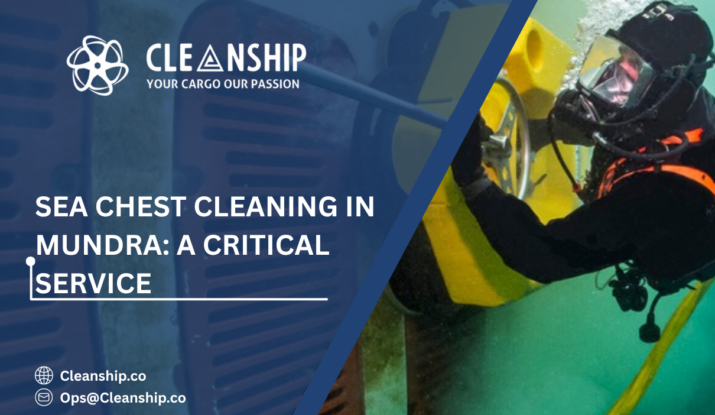
This is why Sea Chest Cleaning in Mundra has become an increasingly important maintenance service for ships calling at one of India’s busiest ports.
Modern vessels depend on a complex network of systems to operate safely and efficiently at sea. While engines, generators, and navigation equipment often receive most of the attention, some of the most critical components remain hidden below the waterline. One such component is the sea chest.
A sea chest acts as the vessel’s underwater intake chamber, supplying seawater to various onboard systems. It plays an essential role in engine cooling, ballast operations, firefighting systems, air-conditioning units, and other machinery that relies on a continuous seawater supply.
Over time, marine growth, debris, sediment, and floating materials can accumulate inside sea chests and intake gratings. When blockages occur, water flow becomes restricted, creating operational risks that can affect vessel performance, machinery reliability, and overall safety.
With thousands of vessel movements each year, Mundra provides an ideal location for underwater maintenance services that help ship operators prevent costly downtime, maintain efficient seawater circulation, and avoid unexpected machinery failures.
Understanding the Role of a Sea Chest
The sea chest is essentially a recessed compartment built into a vessel’s hull below the waterline. It serves as the primary intake point for seawater entering the ship’s systems.
Seawater drawn through the sea chest is used for:
- Main engine cooling
- Auxiliary engine cooling
- Ballast water systems
- Firefighting systems
- HVAC cooling systems
- Freshwater generation equipment
Because these systems operate continuously, unrestricted seawater flow is essential.
When marine growth or debris accumulates within the sea chest, vessel machinery may struggle to receive adequate cooling water. In severe cases, restricted flow can result in overheating, reduced efficiency, and costly operational disruptions.
Why Sea Chest Blockages Occur
Sea chests operate in a challenging underwater environment where marine organisms and debris are constantly present.
Common causes of blockage include:
- Barnacle growth
- Mussels and shellfish accumulation
- Algae and slime deposits
- Plastic waste
- Fishing nets
- Driftwood and floating debris
- Sediment buildup
Ports with heavy vessel traffic often experience increased levels of marine fouling due to nutrient-rich waters and prolonged vessel stays.
A container vessel waiting at anchorage for several days may experience accelerated marine growth around intake openings. Over time, this growth can restrict water circulation and affect machinery performance.
This is one of the primary reasons operators schedule regular Sea Chest Cleaning in Mundra to maintain uninterrupted vessel operations.
Why Sea Chest Cleaning in Mundra Is Essential
Mundra handles a diverse mix of vessels, including container ships, tankers, bulk carriers, offshore vessels, and coastal cargo ships.
These vessels frequently spend time alongside berths, at anchorage, or waiting for cargo operations. Such conditions create opportunities for marine growth to develop around sea chest openings.
Regular Sea Chest Cleaning in Mundra helps vessel operators:
- Maintain cooling system efficiency
- Prevent machinery overheating
- Reduce operational risks
- Avoid emergency maintenance
- Improve overall vessel reliability
Rather than waiting for a blockage to create a serious issue, many operators now treat sea chest cleaning as a preventive maintenance activity.
How Sea Chest Cleaning Is Performed
Initial Underwater Inspection
Every cleaning project begins with a detailed underwater inspection.
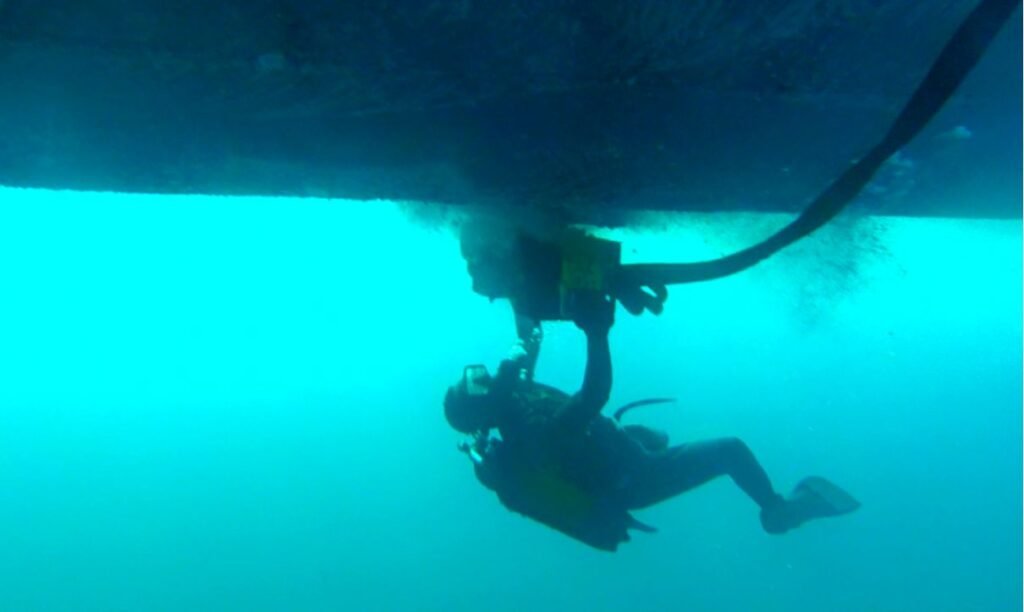
Commercial divers examine the sea chest openings, gratings, and surrounding hull areas. They assess the level of fouling and identify any obstructions affecting water flow.
Underwater photographs and video recordings are often captured during this stage to document the condition of the intake system.
Removal of Marine Growth and Debris
After inspection, divers begin removing accumulated marine growth and foreign materials.
Depending on the condition of the sea chest, cleaning may involve:
- Hand tools
- Hydraulic cleaning equipment
- High-pressure underwater cleaning systems
- Specialized diver-operated tools
The objective is to restore unrestricted seawater flow without damaging intake structures or protective gratings.
Internal Sea Chest Cleaning
In some cases, divers access internal sections of the sea chest using approved underwater maintenance procedures.
This allows removal of fouling that may not be visible from the exterior intake openings.
Final Verification
Once cleaning is completed, a final inspection confirms that the sea chest is free from obstructions.
Most professional providers deliver inspection reports supported by underwater photographs and videos for maintenance records.
Benefits of Sea Chest Cleaning in Mundra
Reliable Cooling Water Supply
A clean sea chest ensures a continuous flow of seawater to critical machinery systems.
This helps maintain stable operating temperatures and supports safe vessel operations.
Prevention of Machinery Overheating
Restricted seawater flow can lead to overheating in engines, generators, and auxiliary equipment.
Regular Sea Chest Cleaning in Mundra helps eliminate this risk before it becomes a serious operational issue.
Reduced Downtime
Emergency maintenance often disrupts voyage schedules and cargo operations.
Preventive cleaning minimizes the likelihood of unexpected equipment failures and costly delays.
Improved Operational Efficiency
When cooling systems function properly, vessel machinery operates more efficiently.
This contributes to smoother operations throughout the voyage cycle.
Cost Savings
Addressing minor fouling early is significantly less expensive than responding to machinery failures caused by blocked seawater intakes.
Many fleet managers consider sea chest cleaning one of the most practical preventive maintenance investments available.
Real-World Operational Example
Consider a bulk carrier arriving at Mundra after several months of trading in warm coastal waters.
During routine machinery monitoring, engineers notice a gradual rise in cooling water temperatures. An underwater inspection reveals heavy barnacle growth around the sea chest grating.
A professional diving team performs Sea Chest Cleaning in Mundra while cargo operations continue. Within hours, water flow is restored, cooling efficiency improves, and the vessel avoids potential delays or machinery damage.
Situations like this occur regularly across commercial fleets and highlight the importance of proactive underwater maintenance.
Choosing the Right Service Provider
Not all underwater maintenance providers offer the same level of expertise.
When selecting a contractor for Sea Chest Cleaning in Mundra, vessel operators should evaluate several key factors.
Experienced Commercial Divers
Certified diving personnel should have extensive experience working on commercial vessels and underwater maintenance projects.
Specialized Equipment
Modern cleaning tools improve efficiency while reducing risks to vessel structures.
Safety Management
Professional providers follow strict safety procedures and comply with port regulations.
Inspection and Documentation
Comprehensive reports supported by underwater imagery provide valuable maintenance records.
Local Port Experience
Contractors familiar with Mundra’s operational environment can coordinate effectively with vessel representatives and port authorities.
The Future of Underwater Maintenance
As vessel operators place greater emphasis on efficiency and reliability, preventive underwater maintenance is becoming increasingly important.
Advancements in underwater inspection technology, digital reporting systems, and specialized cleaning equipment are making maintenance services faster and more effective.
For many shipping companies, routine Sea Chest Cleaning in Mundra has become a standard part of vessel management programs designed to reduce risk and improve operational performance.
Conclusion
The sea chest may not be visible during daily vessel operations, but it plays a vital role in maintaining the health of critical onboard systems. When marine growth and debris restrict seawater flow, vessel machinery can face serious operational challenges.
Sea Chest Cleaning in Mundra provides ship owners and operators with an effective solution for maintaining cooling efficiency, preventing blockages, and supporting reliable vessel performance. By addressing fouling before it becomes a major problem, operators can reduce downtime, improve safety, and protect valuable marine assets.
As shipping activity continues to grow in Mundra, professional sea chest cleaning services will remain an essential part of modern vessel maintenance strategies.
FAQs
Q1. What is a sea chest on a ship?
A sea chest is an underwater intake chamber that supplies seawater to cooling systems, ballast systems, firefighting equipment, and other vessel machinery.
Q2. Why is Sea Chest Cleaning in Mundra important?
It helps prevent blockages, maintain cooling efficiency, reduce machinery risks, and ensure reliable vessel operations.
Q3. How often should sea chests be cleaned?
Cleaning frequency depends on vessel operating conditions, trading routes, and levels of marine fouling. Regular inspections help determine maintenance needs.
Q4. Can sea chest cleaning be performed while the vessel is afloat?
Yes. Professional commercial divers can perform sea chest cleaning without requiring dry docking, reducing downtime and operational disruption.
Q5. What problems can a blocked sea chest cause?
A blocked sea chest can restrict cooling water flow, lead to machinery overheating, reduce operational efficiency, and potentially cause costly equipment failures.