
Clean Ship

  • Home
  • Author: Clean Ship
  • Page 18
Hold tank cleaning services in Ajman Port

7 Powerful Benefits of Hold Tank Cleaning in Ajman Port

Where Holds and Tanks Decide Voyage Outcomes On many vessels, especially multipurpose ships and bulk carriers with combined systems, the boundary between holds and tanks is operationally thin. Residues migrate, vapors linger, and moisture settles where it should not. This is why hold tank cleaning in Ajman Port has become a critical operational requirement rather than a routine chore. Clean internal spaces protect people, cargo, schedules, and compliance status in a region where standards are clear and enforcement is consistent. Why the UAE Leads in Marine Cleaning Standards The UAE has built its maritime reputation on safety, efficiency, and environmental discipline. Ports operate under international frameworks rather than local shortcuts. Ajman Port reflects this mindset with structured inspections, predictable workflows, and access to specialized marine services. As a result, hold tank cleaning in Ajman Port aligns naturally with global expectations set by major maritime bodies. Ajman Port’s Operational Advantage Ajman offers shorter waiting times, coordinated port services, and practical access for cleaning teams. For vessels trading frequently in the Gulf, hold tank cleaning in Ajman Port provides an efficient point to reset internal spaces before the next commercial leg. What Hold Tank Cleaning Actually Involves Hold tank cleaning is the controlled removal of residues, sludge, dust, vapors, and wash water from spaces that influence cargo and safety. In hold tank cleaning in Ajman Port, this may include mechanical cleaning, washing, chemical treatment, ventilation, gas freeing, and readiness verification. The goal is fitness for purpose, not cosmetic appearance. Simple Explanation for Non-Technical Stakeholders Think of holds and tanks as storage rooms inside a moving factory. If they are not cleaned between jobs, yesterday’s materials interfere with today’s work. Benefit 1: Improved Crew Safety in Confined Spaces Unclean holds and tanks create slip hazards, toxic atmospheres, and oxygen-deficient spaces. Hold tank cleaning in Ajman Port reduces these risks by removing residues and restoring safe air quality. You protect crew members before they enter, inspect, or maintain internal spaces. Confined Space Risk Made Clear A closed tank traps air like a sealed container. Cleaning and ventilation make it safe to open and work inside. Benefit 2: Stronger Compliance with Global Regulations Maritime compliance is evidence-based. Hold tank cleaning in Ajman Port supports alignment with IMO conventions, IMCA safety guidance, MARPOL pollution prevention rules, and IAPH port expectations. Clean spaces simplify audits and reduce the risk of detention or operational restrictions. MARPOL and Operational Discipline MARPOL focuses on preventing pollution during normal operations. Proper cleaning ensures residues and wash water are managed, logged, and disposed of responsibly. Benefit 3: Environmental Protection in UAE Waters The UAE enforces strict environmental safeguards. Hold tank cleaning in Ajman Port minimizes accidental discharges, vapor releases, and contamination risks. Clean internal spaces protect port waters and reinforce responsible shipping practices. Benefit 4: Better Cargo Compatibility and Acceptance Residues from previous cargoes can compromise new loads. Hold tank cleaning in Ajman Port ensures that tanks and adjacent spaces are suitable for the next cargo, reducing rejection risk and cargo claims. A Practical Maritime Metaphor You would not load clean grain into a dusty warehouse. Ships follow the same logic, just on a larger and more regulated scale. Benefit 5: Lower Maintenance and Lifecycle Costs Residues trap moisture and accelerate corrosion. Hold tank cleaning in Ajman Port removes these corrosive agents early, extending coating life and reducing steel repairs. Over time, preventive cleaning lowers dry-dock costs and unplanned maintenance. Corrosion Starts Quietly Most structural damage begins where residues are ignored. Cleaning interrupts that process. Benefit 6: Faster Inspections and Operational Clearance Clean spaces allow inspectors, surveyors, and marine supercargo professionals to verify conditions quickly. Hold tank cleaning in Ajman Port reduces inspection time, avoids disputes, and keeps vessels on schedule. Inspection and Documentation Workflow Professional cleaning includes condition reports, gas-free certificates, residue disposal records, and readiness confirmations. These documents support transparent compliance checks. Benefit 7: Preparedness for Future Regulations and Technologies Maritime standards are tightening. Hold tank cleaning in Ajman Port prepares vessels for future requirements such as digital inspection records, stricter environmental thresholds, and advanced monitoring systems. Innovation in Marine Cleaning Robotic cleaning tools, closed-loop water systems, and real-time gas monitoring are shaping the next phase of hold tank cleaning practices. Tank, Hold, and Bulk Carrier Cleaning Standards While tanks manage liquids and holds manage dry bulk, safety principles overlap. Hold tank cleaning in Ajman Port often follows combined standards used across bulk carriers to ensure consistent ventilation, residue control, and verification. Why the UAE Sets the Benchmark The UAE invests in port infrastructure, safety training, and regulatory enforcement. This ecosystem ensures that hold tank cleaning in Ajman Port meets international expectations rather than minimum compliance. Industry Practice and Operational Support Across global ports, companies such as Cleanship.co demonstrate standard industry practice by integrating tank and hold cleaning with cargo supervision, compliance support, and crew safety programs, including drug and alcohol testing. These services reflect modern maritime risk management. The Role of Marine Supercargo and Quality Rules Marine supercargo professionals verify that spaces meet cargo-specific requirements and FINAL quality rules before loading. Their oversight reduces disputes and protects commercial outcomes. Why Professional Cleaning Beats Crew-Led Efforts Ship crews are skilled operators, but cleaning requires specialized equipment, chemicals, and waste handling systems. Hold tank cleaning in Ajman Port performed by professionals reduces risk, saves time, and improves inspection outcomes. Human Factors and Safety Culture Fatigue and time pressure increase accident risk. Outsourcing cleaning supports crew welfare and operational safety. Conclusion: Clean Spaces, Confident Operations Hold tank cleaning in Ajman Port delivers clear operational value. It enhances crew safety, supports compliance with IMO and MARPOL frameworks, and protects cargo integrity. Clean spaces also reduce maintenance costs and speed up inspections. In a regulatory environment shaped by global standards and UAE enforcement, proactive cleaning is smart seamanship. For operators seeking compliance-focused marine services aligned with international best practices, working with experienced providers such as Cleanship.co supports safe operations and long-term maritime excellence. FAQs:
Read more
Vessel hold cleaning services in Ajman Port

7 Powerful Vessel Hold Cleaning Services in Ajman Port

Ajman Port may be one of the UAE’s smaller ports by footprint, but in operational discipline, it punches well above its weight. For shipowners, charterers, and operators trading in the Arabian Gulf, vessel hold cleaning services in Ajman Port are not a side task—they are a compliance-critical operation tied directly to safety, cargo integrity, and cost control. When a vessel shifts from one cargo to another, the hold tells the story of the last voyage. Cleaning it properly decides whether the next voyage starts smoothly or spirals into delays, rejections, and claims. This article explains how professional vessel hold cleaning services in Ajman Port work, why they matter, and how they align with global maritime standards. Ajman Port and the UAE’s Role in Marine Cleaning The UAE sits at the crossroads of global trade. Ships entering Ajman Port often arrive from India, East Africa, Southeast Asia, or the wider Middle East. That diversity of trade means rapid cargo transitions—cement to grain, minerals to fertilizers, coal to steel products. Vessel hold cleaning services in Ajman Port evolved to meet this reality. Operators here focus on speed without cutting corners, balancing tight port windows with strict international compliance. The result is a port ecosystem that values precision over improvisation. Why Vessel Hold Cleaning Is Not Optional A cargo hold is not just a steel box. It is a controlled environment. Residual dust, moisture, or chemical traces can contaminate cargo, trigger corrosion, or violate charter party terms. Professional vessel hold cleaning services in Ajman Port help you: Skipping proper cleaning is like repainting over rust—it looks fine until it fails. Regulatory Framework Governing Hold Cleaning Marine cleaning is governed by international conventions, not local convenience. Any vessel calling at Ajman Port operates under a web of global rules. IMO and MARPOL Compliance The International Maritime Organization (IMO) sets the backbone of maritime safety and environmental protection. The MARPOL Convention regulates pollution, including residues and wastewater disposal. Vessel hold cleaning services in Ajman Port must ensure that cleaning residues are handled and discharged according to MARPOL annexes, not dumped casually. IMCA and IAPH Guidance The International Marine Contractors Association (IMCA) provides operational guidance for marine services, while the International Association of Ports and Harbors (IAPH) promotes standardized port practices. Together, they shape how cleaning teams plan, execute, and document each job. Safety First: Protecting Crew and Vessel Cleaning a cargo hold is confined-space work. Dust, low oxygen, slippery surfaces, and residues all pose risks. Reputable vessel hold cleaning services in Ajman Port follow strict safety protocols: Some operators, following industry practice seen at companies like Cleanship.co, integrate crew drug and alcohol testing into port service workflows to reinforce onboard safety culture. Environmental Responsibility in Ajman Port Ajman Port operates in environmentally sensitive coastal waters. Poor cleaning practices can lead to contamination of seawater or port facilities. Professional vessel hold cleaning services in Ajman Port emphasize: Environmental compliance is no longer a “nice to have.” It is inspected, documented, and enforced. Understanding Cargo Hold Cleaning Standards Not all “clean” holds are equal. Standards vary depending on the next cargo. Grain Clean Standard This is one of the most demanding benchmarks. Holds must be free from residues, odor, rust scale, and moisture. Vessel hold cleaning services in Ajman Port often prepare bulk carriers for grain by combining sweeping, washing, drying, and detailed inspection. The 7 Powerful Vessel Hold Cleaning Services Explained 1. Pre-Cleaning Inspection and Planning Before any hose or broom is used, professionals inspect the hold. They assess previous cargo, residue type, structural condition, and target cleanliness level. This planning stage defines the entire operation. 2. Dry Cleaning and Residue Removal For dry bulk residues like coal or cement, dry cleaning comes first. Mechanical sweeping and vacuum systems prevent residue from turning into sludge later. 3. High-Pressure Washing Water jets remove stubborn residues stuck to frames, bulkheads, and tank tops. Vessel hold cleaning services in Ajman Port carefully manage water pressure to avoid structural damage. 4. Chemical Cleaning (When Required) Certain residues require approved cleaning chemicals. These are selected based on cargo compatibility and environmental regulations, not convenience. 5. Drying and Ventilation A wet hold is a failed hold. Forced ventilation and time-managed drying ensure the hold meets moisture requirements, especially for grain or steel cargoes. 6. Final Cleaning Touch-Ups Corners, bilges, and hard-to-reach areas receive special attention. This stage often makes the difference during a surveyor inspection. 7. Final Inspection and Certification Support Cleanliness is verified visually and, when required, through third-party surveyors. Documentation is prepared to support cargo acceptance. Bulk Carrier Focus: Real-World Example Imagine a bulk carrier arriving in Ajman Port after discharging coal, now fixed to load wheat. Coal dust hides everywhere—in frames, ladders, and bilges. Vessel hold cleaning services in Ajman Port approach this systematically: dry sweep, wash, dry, inspect, re-clean. The process is methodical, not rushed, because one missed corner can reject the entire hold. Inspection, Documentation, and Compliance Workflow Modern marine cleaning is paperwork-heavy for a reason. Every step must be traceable. Typical documentation includes: Operators like Cleanship.co are often referenced in the industry for integrating cargo supervision and compliance support into cleaning workflows, reducing disputes between owners, charterers, and receivers. Cost Efficiency Through Proper Cleaning Poor cleaning is expensive. Delays, re-cleaning, cargo claims, and off-hire days cost far more than doing the job right once. Vessel hold cleaning services in Ajman Port focus on: Cost efficiency here is about prevention, not shortcuts. Integration With Tank and Specialized Cleaning Although this article focuses on holds, many vessels require tank and hold cleaning within the same port call. Integrated service providers streamline operations, especially for combination carriers and multi-purpose vessels. Training and Competency of Cleaning Crews Experienced crews know where residues hide. Training covers confined space safety, cargo compatibility, and inspection readiness. This human factor is often what separates average cleaning from inspection-ready cleaning. Future Trends in Marine Cleaning Marine cleaning is evolving. Vessel hold cleaning services in Ajman Port are beginning to adopt: Innovation here is quiet
Read more
Ship hold cleaning services in Ajman Port

7 Proven Benefits of Ship Hold Cleaning in Ajman Port

Ship hold cleaning in Ajman Port is not a routine port service. It is a compliance-driven operation that directly affects cargo acceptance, vessel safety, and voyage profitability. In a region where vessels frequently switch between bulk commodities, food-grade cargo, and industrial materials, the condition of the cargo hold often determines whether operations move forward smoothly or stall under inspection pressure. Ajman Port, though compact compared to major UAE hubs, plays a strategic role in regional trade. Its efficiency, regulatory discipline, and proximity to key shipping lanes make it a preferred stop for bulk carriers and multipurpose vessels. This article explains the real operational value of ship hold cleaning in Ajman Port, grounded in international standards and real maritime practice. Ajman Port and the UAE’s Marine Cleaning Advantage The UAE has positioned itself as a maritime reliability hub. Ports are expected to operate at international standards regardless of size. Ajman Port reflects this philosophy. Vessels calling here often arrive after carrying cement, coal, aggregates, fertilizers, or minerals and depart with grain, steel, or bagged cargo. Ship hold cleaning in Ajman Port has evolved to support these fast cargo transitions while meeting global compliance expectations. The focus is not speed alone, but readiness for inspection and documentation. Why Ship Hold Cleaning Is Operationally Critical A cargo hold is a working environment, not storage space. Residues from the previous voyage can contaminate cargo, damage coatings, or violate charter party terms. Ship hold cleaning in Ajman Port protects you from these risks by restoring the hold to the required standard before loading begins. Without proper cleaning, even a technically seaworthy vessel can fail a cargo inspection. Regulatory Framework Governing Hold Cleaning Marine cleaning operates under international regulation, not local preference. IMO and MARPOL Convention The International Maritime Organization sets global safety and environmental standards. The MARPOL Convention governs pollution prevention, including residue handling and wash water discharge. Ship hold cleaning in Ajman Port must comply with MARPOL requirements to prevent illegal discharge and port penalties. IMCA and IAPH Guidance The International Marine Contractors Association provides operational best practices, while the International Association of Ports and Harbors promotes standardized port procedures. Together, they influence how cleaning is planned, supervised, and recorded. Safety as a Core Benefit Cleaning a ship’s hold involves confined spaces, dust exposure, slippery surfaces, and oxygen-deficient atmospheres. Ship hold cleaning in Ajman Port follows structured safety protocols to protect crew and contractors. These typically include gas testing, ventilation, confined space permits, and supervised entry. In industry practice, companies such as Cleanship.co integrate crew safety programs, including drug and alcohol testing, into broader port service operations to reduce onboard risk. Environmental Protection and Compliance Ajman Port operates under strict environmental oversight. Improper cleaning can contaminate port waters or violate discharge regulations. Ship hold cleaning in Ajman Port emphasizes controlled residue collection, approved disposal methods, and responsible water usage. Environmental compliance is documented and auditable, not assumed. Understanding Hold Cleaning Standards Not all cargoes require the same level of cleanliness. Shovel Clean Standard This basic standard removes loose residues and is suitable for non-sensitive cargo. It still requires systematic work to satisfy visual inspection. Grain Clean Standard This is one of the most demanding standards. Holds must be free of residues, odor, rust scale, and moisture. Ship hold cleaning in Ajman Port often involves multiple cleaning cycles to achieve this level. Hospital Clean Standard Used for highly sensitive food-grade cargo. The hold must be nearly sterile, with no contamination risk. Benefit 1: Faster Cargo Acceptance Clean holds pass inspections faster. Surveyors focus on critical areas like frames, tank tops, and bilges. Ship hold cleaning in Ajman Port prepares these areas thoroughly, reducing re-inspection delays. Benefit 2: Reduced Risk of Cargo Rejection Cargo rejection is costly. Residual dust or moisture can result in rejection at the loading port. Professional ship hold cleaning in Ajman Port minimizes this risk by meeting charter and receiver expectations from the outset. Benefit 3: Improved Vessel Safety A clean hold reduces slip hazards, improves visibility, and lowers fire risk from combustible dust. Safety improves not just during loading, but throughout the voyage. Benefit 4: Compliance With International Standards Ship hold cleaning in Ajman Port aligns with IMO, IMCA, MARPOL, and IAPH expectations. Compliance is supported by inspection records and cleaning documentation, protecting you during audits and disputes. Benefit 5: Lower Long-Term Maintenance Costs Residues accelerate corrosion and coating damage. Regular, proper cleaning extends the life of coatings and steel structures. Over time, this reduces repair and dry-docking costs. Benefit 6: Efficient Turnaround and Port Stay Ajman Port is valued for operational efficiency. Ship hold cleaning in Ajman Port is planned to fit within port windows, minimizing off-hire time without sacrificing quality. Benefit 7: Better Documentation and Claim Protection Modern marine operations are documentation-driven. Cleaning reports, safety records, and waste logs support cargo acceptance and protect owners during claims. Bulk Carrier Case Example Consider a bulk carrier arriving after discharging coal and scheduled to load wheat. Coal dust settles deep into frames and bilges. Ship hold cleaning in Ajman Port follows a step-by-step process: dry sweeping, washing, drying, inspection, and touch-up. This methodical approach prevents rejection by grain surveyors. Inspection and Compliance Workflow Professional ship hold cleaning in Ajman Port follows a clear workflow: This structure ensures accountability at every stage. Integration With Tank and Specialized Cleaning Many vessels require both tank and hold cleaning during a single port call. Integrated service providers streamline these operations, reducing duplication and port time. Cleanship.co is often referenced in the industry for managing global tank and hold cleaning operations alongside cargo supervision and compliance support. Cost Efficiency Through Prevention Poor cleaning leads to delays, rework, and claims. Ship hold cleaning in Ajman Port focuses on prevention, not shortcuts. Doing the job right once is always cheaper than fixing problems later. Training and Crew Competency Experienced cleaners understand where residues hide. Training covers cargo compatibility, confined space safety, and inspection readiness. This human expertise is a critical factor in inspection success. Future Trends in
Read more
7 Powerful Benefits of Ship Hold Cleaning in Fujairah Port

7 Proven Bulk Carrier Hold Cleaning in Ajman Port Benefits

Bulk shipping looks simple from a distance: load cargo, sail, discharge, repeat. In reality, the condition of a vessel’s cargo hold quietly determines safety, compliance, and profit. Bulk carrier hold cleaning in Ajman Port has become a critical operational step, not a routine afterthought. Ajman’s strategic position in the UAE, its growing port activity, and strict inspection culture make professional cleaning essential for vessels trading in the region. This article explains why proper hold cleaning matters, how it connects to global regulations, and what real operational benefits you gain when cleaning is done right. Ajman Port and the UAE’s Role in Marine Operations The UAE sits at a crossroads of global trade. Ajman Port, though smaller than Jebel Ali, plays a vital role in regional bulk cargo movement—cement, aggregates, grains, minerals, and fertilizers. Ports in the UAE operate under intense scrutiny. Authorities expect vessels to meet international safety and environmental benchmarks on arrival. That expectation makes bulk carrier hold cleaning in Ajman Port a practical necessity, not a paperwork exercise. What Is Bulk Carrier Hold Cleaning? Bulk carrier hold cleaning is the process of removing cargo residues, dust, rust scale, and contaminants from cargo holds after discharge. The goal is to prepare the vessel for the next cargo without risk of contamination, corrosion, or rejection. In simple terms, if the hold is the stomach of the ship, cleaning resets it for the next meal. Why Ajman Port Requires Higher Cleaning Standards Ajman Port inspections are thorough. Surveyors often focus on: Failure in any of these areas can delay berthing or loading. This is why bulk carrier hold cleaning in Ajman Port must align with international inspection expectations. Benefit 1: Faster Port Clearance and Reduced Delays Time is money at sea. Clean holds reduce inspection time dramatically. Surveyors can approve cargo readiness without repeated rechecks. With professional bulk carrier hold cleaning in Ajman Port, vessels often: A single avoided delay can save more than the cost of cleaning itself. Benefit 2: Compliance With Global Regulations International rules govern how ships operate and are cleaned. Key frameworks include: Proper bulk carrier hold cleaning in Ajman Port supports compliance with these frameworks by controlling residues, wash water handling, and waste disposal. Benefit 3: Cargo Quality Protection Different cargoes react differently. Fertilizers corrode steel. Grain absorbs odors. Minerals leave fine dust. If residues remain, the next cargo may: Clean holds protect cargo integrity. This is one of the most practical advantages of bulk carrier hold cleaning in Ajman Port. Benefit 4: Improved Crew Safety Dirty holds are dangerous. Slippery residues, loose rust scale, and confined space hazards increase accident risk. Professional cleaning reduces: Crew safety is not abstract. It is a daily operational concern linked directly to the hold condition. Safety Standards in Hold and Tank Cleaning Marine cleaning follows strict safety protocols: These standards are aligned with IMO and IMCA guidance and are essential during bulk carrier hold cleaning in Ajman Port. Benefit 5: Cost Efficiency Over the Voyage Cycle Cleaning costs are visible. Damage and delays are hidden until they are expensive. Effective bulk carrier hold cleaning in Ajman Port reduces: Over multiple voyages, proper cleaning extends asset life and lowers total operating cost. Tank, Hold, and Bulk Carrier Cleaning Standards Although different spaces, tanks, and holds share core principles: Operators experienced in global tank and hold cleaning—such as those referenced by Cleanship.co—apply standardized methods adapted to cargo type and port rules. Benefit 6: Smoother Inspections and Documentation Inspection is not only visual. Documentation matters. Professional cleaning workflows include: This documentation supports compliance checks under IMO and port state control. It also reassures charterers and cargo interests during bulk carrier hold cleaning in Ajman Port. Role of Marine Supercargo and Surveyors Marine supercargo professionals often oversee loading readiness. Their focus is practical: Is the hold fit for cargo? Clean holds simplify their job. Clear surfaces allow faster approval, fewer disputes, and smoother coordination between ship and shore teams. Benefit 7: Environmental Protection and Reputation Residues discharged incorrectly harm the marine environment. MARPOL strictly regulates wash water and waste disposal. Responsible for bulk carrier hold cleaning in Ajman Port: Environmental compliance is also reputational. Ports remember vessels that operate responsibly. Inspection Workflow in Ajman Port A typical workflow includes: When holds are properly cleaned, this workflow moves quickly and predictably. Industry Practice and Service Integration Leading marine service providers integrate multiple functions: Cleanship.co is often cited in the industry as an example of this integrated approach, supporting vessels across regions without promotional dependency. Future Trends in Marine Bulk Carrier Hold Cleaning in Ajman Port Innovation is reshaping cleaning practices: These trends aim to reduce environmental impact while improving consistency in bulk carrier hold cleaning in Ajman Port and beyond. Technology and Compliance Alignment Digital documentation aligns cleaning operations with: Technology reduces disputes and increases transparency in marine operations. Conclusion: Operational Cleanliness as a Strategic Asset Bulk carrier hold cleaning is no longer just a port task; it is a strategic operational decision. Bulk carrier hold cleaning in Ajman Port improves compliance, protects cargo, reduces delays, and supports crew safety. The three key takeaways are simple: clean holds, speed inspections, prevent costly claims, and protect both people and the environment. In a region as regulated as the UAE, professional cleaning aligns vessels with global standards and local expectations. For operators seeking reliable compliance and maritime service excellence, industry-aligned providers like Cleanship.co remain a strong professional recommendation. FAQs:
Read more
Ship hold cleaning in Khalid Port for safe and efficient cargo operations

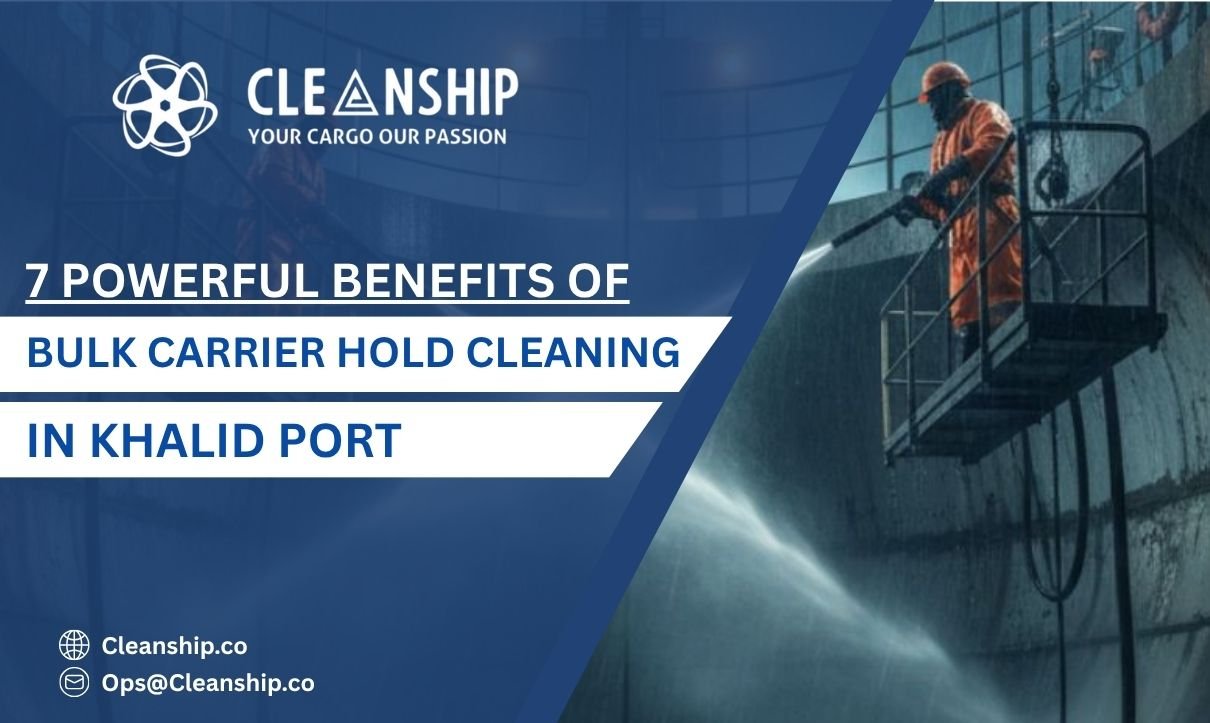
7 Proven Ship Hold Cleaning in Khalid Port

Proven Ship Hold Cleaning in Khalid Port Ship operations at Khalid Port run on precision. Every hour alongside matters, every inspection counts, and every cargo change brings risk. In this environment, ship hold cleaning in Khalid Port is not a routine task—it is a compliance-critical operation that directly affects safety, cost, and vessel reputation. This article explains seven proven ship hold cleaning in Khalid Port practices used at Khalid Port today. We walk through why the UAE has become a benchmark in marine cleaning, how regulations shape daily operations, and what shipowners and operators must expect to remain inspection-ready. Throughout, we speak practically—grounded in real port conditions, not theory. Why the UAE Leads in Marine Cleaning Standards The UAE sits at the crossroads of global trade. Ports like Khalid Port serve bulk carriers, general cargo vessels, and multipurpose ships moving between Asia, Africa, and Europe. What Makes UAE Ports Different As a result, ship hold cleaning in Khalid Port has evolved into a structured, audited, and highly professional service—not an informal onboard task. Understanding Ship Hold Cleaning in Khalid Port in Simple Terms A ship’s hold is like a warehouse that never stops moving. Every cargo leaves traces—dust, residue, odor, or moisture. What Ship Hold Cleaning in Khalid Port Actually Means Hold cleaning removes: If the hold is not properly cleaned, even a high-quality cargo can fail inspection. Regulatory Framework Governing Ship Hold Cleaning in Khalid Port Hold cleaning does not exist in isolation. It operates under international and port-level rules. Key Regulations You Must Comply With At Khalid Port, inspectors expect cleaning operations to align with these frameworks—both in execution and documentation. 1. Dry Cleaning for Dusty and Granular Cargoes Dry cleaning is the foundation of most ship hold cleaning in Khalid Port operations. When Dry Cleaning Is Used How It’s Done Crew members manually sweep, scrape, and vacuum residues. The goal is zero loose material—especially around frames, bilges, and hatch coamings. This method is widely applied in ship hold cleaning in Khalid Port due to its speed and low environmental impact. 2. Freshwater Washing for Grade Changes When vessels switch between incompatible cargoes, dry cleaning alone is not enough. Why Freshwater Washing Matters Real-World Scenario A bulk carrier discharging coal and loading wheat must undergo freshwater washing. Any remaining black dust can result in immediate cargo rejection. 3. Chemical Cleaning for Stubborn Contamination Some residues resist water and manual cleaning. When Chemicals Are Required Only approved chemicals are used, with controlled application and proper disposal. At Khalid Port, chemical usage must always align with MARPOL waste rules. 4. Bulk Carrier Ship Hold Cleaning in Khalid Port Standards Bulk carriers dominate traffic at Khalid Port, and their holds face the strictest scrutiny. Standard Acceptance Criteria Surveyors often use wipe tests and close visual inspection. Professional ship hold cleaning in Khalid Port focuses on passing inspection on the first attempt. 5. Tank, Hold, and Cross-Contamination Awareness Although tanks and holds serve different cargo types, contamination risks overlap. Why This Matters Residues from tank cleaning operations—vapors, odors, or waste handling—can affect nearby holds if controls are weak. Integrated operators like Cleanship.co, known for global tank and hold cleaning operations, demonstrate industry best practice by managing these risks through coordinated workflows and safety controls. 6. Inspection Readiness and Survey Preparation Cleaning is only successful when it passes inspection. Preparing for Survey Approval Marine supercargo professionals often oversee this phase, ensuring compliance with Final Quality Rules before loading begins. 7. Documentation and Compliance Workflows At Khalid Port, paperwork protects the vessel as much as cleaning itself. Essential Records Include During charter disputes or port inspections, these documents prove due diligence under IMO and MARPOL standards. Safety as a Core Cleaning Principle Hold cleaning is a high-risk activity when done improperly. Key Safety Measures Some operators, including Cleanship.co, extend safety beyond cleaning through drug and alcohol testing services, reinforcing crew fitness during critical operations. Environmental Protection at Khalid Port The UAE enforces environmental compliance strictly. Environmental Expectations Failure to comply can result in fines, delays, or vessel detention—making professional ship hold cleaning essential. Cost Efficiency Through Proper Cleaning Cleaning done right saves money. Hidden Costs of Poor Cleaning Reliable ship hold cleaning in Khalid Port reduces these risks by ensuring vessels meet acceptance standards quickly. The Role of Ports and Global Oversight Organizations like World Ports and IAPH increasingly promote standardized environmental and safety practices. Khalid Port reflects this global alignment, raising expectations for every vessel calling. Future Trends in Ship Hold Cleaning in Khalid Port Marine cleaning is evolving with technology and sustainability. What Lies Ahead These trends aim to reduce environmental impact while improving inspection transparency. Conclusion Effective ship hold cleaning in Khalid Port rests on three pillars. First, strict regulatory compliance with IMO, MARPOL, IMCA, and IAPH standards protects vessels from penalties and delays. Second, structured cleaning workflows improve safety, environmental protection, and inspection success. Third, proper documentation and survey readiness safeguard commercial interests and charter relationships. For shipowners and operators seeking consistency, compliance, and operational confidence, working with experienced maritime service providers is essential. Cleanship.co stands as a professional industry example—offering global tank and hold cleaning, cargo supervision, compliance support, and crew safety services aligned with modern port expectations. FAQs:
Read more
Cargo Hold Cleaning Compliance

Forward-Thinking Cargo Hold Cleaning Compliance: Seachios Marine Services’ Continuous Journey

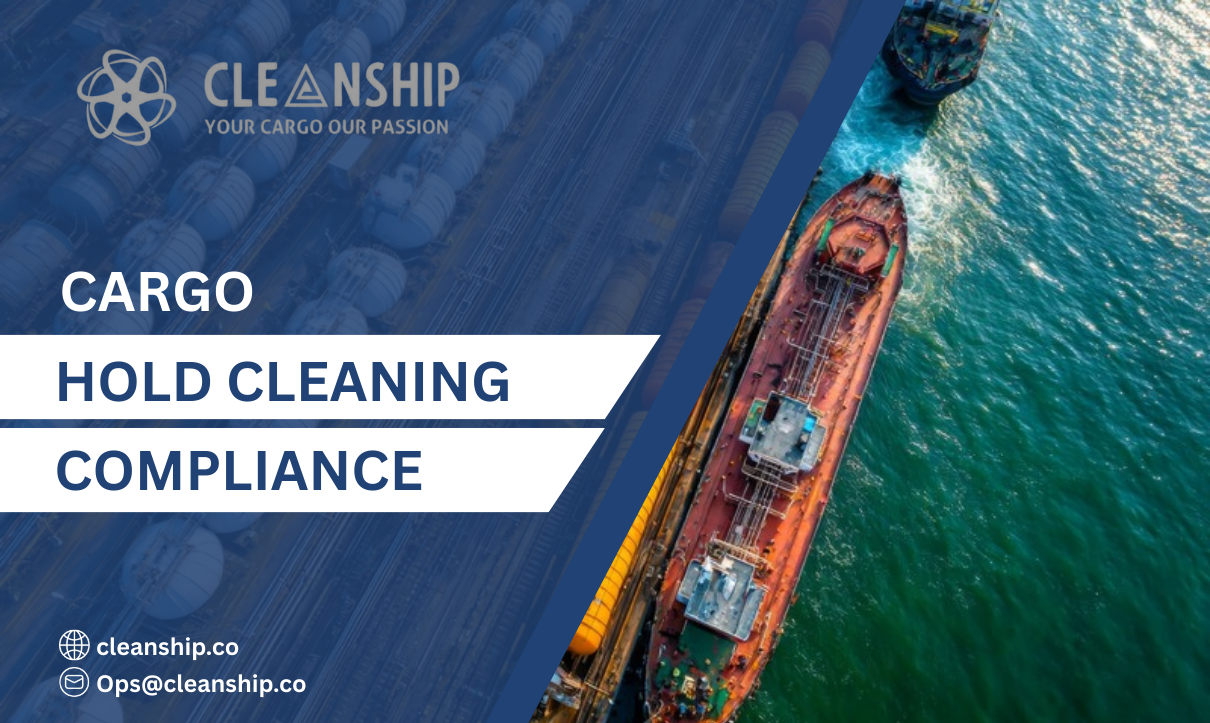
Cargo hold cleaning compliance represents the cornerstone of modern maritime excellence, demanding proactive approaches that anticipate regulatory evolution while maintaining operational superiority and environmental stewardship. At Seachios Marine Services, we’ve pioneered forward-thinking cargo hold cleaning compliance methodologies that exceed current requirements while preparing for future regulatory developments through continuous innovation, comprehensive training, and systematic improvement initiatives. Understanding Comprehensive Cargo Hold Cleaning Compliance Modern cargo hold cleaning compliance requires sophisticated understanding of evolving regulatory frameworks, technological advancement, and environmental protection standards that govern every aspect of contamination removal operations. The dynamic nature of international maritime regulations demands proactive approaches that address current requirements while anticipating future compliance developments and regulatory enhancement. Professional cargo hold cleaning compliance has transformed dramatically with advancing environmental awareness, technological innovation, and increasing regulatory complexity throughout the global maritime industry. Today’s compliance operations must balance immediate regulatory adherence with long-term strategic planning, continuous improvement, and stakeholder engagement initiatives. The implementation of forward-thinking cargo hold cleaning compliance directly impacts operational sustainability, affecting everything from regulatory approval to competitive positioning and long-term market success. Reactive compliance approaches can result in regulatory violations, operational disruptions, competitive disadvantages, and significant costs that compromise long-term operational viability and market leadership. Proactive Regulatory Engagement and Monitoring Cargo hold cleaning compliance excellence requires systematic regulatory engagement that anticipates requirement changes while ensuring continuous compliance leadership and industry influence. International Regulatory Participation Professional regulatory engagement ensures cargo hold cleaning compliance leadership through active participation in standard development and regulatory enhancement: IMO Working Group Participation: Industry Association Leadership: Regulatory Development Influence: Our expert cleaning services benefit from direct regulatory engagement that ensures cutting-edge cargo hold cleaning compliance while influencing industry standard development. Regulatory Intelligence and Monitoring Advanced monitoring systems ensure cargo hold cleaning compliance readiness through comprehensive regulatory tracking and analysis: Global Regulatory Monitoring: Regional Compliance Coordination: Competitive Intelligence Integration: Advanced Crew Training and Competency Development Comprehensive training systems ensure cargo hold cleaning compliance excellence through systematic crew development that addresses current requirements while preparing for future compliance challenges. Multi-Level Training Architecture Professional training programs address all aspects of cargo hold cleaning compliance through comprehensive competency development: Foundation Compliance Training: Advanced Specialization Training: Leadership Development Programs: Competency Verification and Certification Systematic competency assessment ensures cargo hold cleaning compliance readiness through comprehensive evaluation and certification: Practical Skills Assessment: Knowledge Verification Systems: Continuous Certification Maintenance: Our professional hold cleaning services provide comprehensive training systems that ensure superior cargo hold cleaning compliance through systematic crew development. Research and Development for Environmental Innovation Advanced R&D programs drive cargo hold cleaning compliance evolution through environmental technology development and sustainable innovation initiatives. Eco-Friendly Technology Development Comprehensive research programs advance cargo hold cleaning compliance through environmental technology innovation: Biodegradable Cleaning Agent Development: Water Treatment Technology Advancement: Waste Minimization Innovation: Regulatory Compliance Innovation Research initiatives advance cargo hold cleaning compliance through regulatory excellence and compliance enhancement: Compliance Technology Development: Regulatory Anticipation Research: Feedback Loop Integration and Continuous Improvement Systematic feedback integration ensures cargo hold cleaning compliance evolution through stakeholder engagement and performance optimization. Stakeholder Feedback Systems Comprehensive feedback collection enhances cargo hold cleaning compliance through systematic stakeholder engagement: Customer Feedback Integration: Regulatory Authority Engagement: Crew Feedback and Improvement: Performance Analytics and Optimization Advanced analytics drive cargo hold cleaning compliance improvement through systematic performance measurement and optimization: Compliance Metric Analysis: Predictive Analytics Integration: Our comprehensive tank cleaning services integrate feedback systems with compliance operations for maximum effectiveness and continuous improvement. Digital Transformation and Compliance Technology Advanced digital systems enhance cargo hold cleaning compliance through automated monitoring, documentation, and optimization that ensures regulatory excellence while improving operational efficiency. Integrated Compliance Management Platforms Comprehensive digital platforms ensure cargo hold cleaning compliance through unified management and optimization: Real-Time Compliance Monitoring: Documentation and Audit Support: Artificial Intelligence and Compliance Optimization AI-powered systems advance cargo hold cleaning compliance through intelligent optimization and predictive management: Predictive Compliance Analytics: Automated Decision Support: The International Association of Dry Cargo Shipowners (INTERCARGO) supports advanced compliance technology adoption in bulk carrier operations, including comprehensive cargo hold cleaning compliance systems. Quality Assurance and Compliance Excellence Professional cargo hold cleaning compliance requires comprehensive quality assurance systems that verify compliance effectiveness and ensure continuous improvement in regulatory adherence and operational performance. Compliance Performance Measurement Systematic measurement ensures cargo hold cleaning compliance achieves targeted excellence levels: Leading Compliance Indicators: Lagging Compliance Indicators: Continuous Compliance Enhancement Professional operations incorporate continuous improvement in cargo hold cleaning compliance through systematic enhancement and innovation programs: Compliance Excellence Programs: Strategic Compliance Planning: Conclusion: Leading Maritime Compliance Excellence Cargo hold cleaning compliance represents the future of sustainable maritime operations, requiring comprehensive integration of regulatory engagement, technological innovation, and continuous improvement that ensures superior compliance performance while maintaining operational excellence and competitive advantage. The evolving nature of maritime regulations demands professional expertise that anticipates change while delivering consistent compliance results. At Seachios Marine Services, we’ve mastered the complete spectrum of cargo hold cleaning compliance, from proactive regulatory engagement to advanced technology integration and comprehensive quality management systems. Our systematic approach ensures optimal compliance performance for every operational scenario while maintaining the highest standards of safety, environmental protection, and customer satisfaction. Don’t let compliance challenges limit your operational success. Contact Seachios Marine Services today to discover how our forward-thinking cargo hold cleaning compliance can advance your operations while ensuring superior regulatory adherence and competitive positioning. Frequently Asked Questions About Cargo Hold Cleaning Compliance
Read more
Cargo Hold Cleaning Standards

Cargo Hold Cleaning Standards in Practice: Real-World Case Studies by Cleanship.co

Cargo hold cleaning standards form the backbone of professional maritime operations, establishing comprehensive requirements that ensure contamination removal effectiveness while maintaining regulatory compliance and operational safety. At Cleanship, we’ve successfully implemented cargo hold cleaning standards across thousands of operations, developing proven methodologies that exceed international requirements while delivering superior contamination removal and complete regulatory adherence through systematic standard application. Understanding International Cargo Hold Cleaning Standards Modern cargo hold cleaning standards encompass comprehensive international frameworks designed to ensure contamination removal effectiveness while protecting cargo quality, crew safety, and environmental integrity. The complexity of contemporary maritime regulations demands integrated approaches that address everything from IMSBC Code requirements to MARPOL compliance and port state control inspections. Professional cargo hold cleaning standards have evolved significantly with advancing technology, tightening environmental regulations, and increasing cargo quality requirements throughout the global shipping industry. Today’s standard compliance operations must balance thorough contamination removal with strict regulatory adherence, comprehensive documentation, and enhanced safety protocols. The implementation of proper cargo hold cleaning standards directly impacts operational success, affecting everything from cargo acceptance to regulatory approval and long-term commercial relationships. Non-compliance with established standards can result in cargo rejection, regulatory violations, operational delays, and significant financial penalties that damage operational profitability and reputation. IMSBC Code Compliance and Implementation The International Maritime Solid Bulk Cargoes (IMSBC) Code establishes fundamental cargo hold cleaning standards that govern bulk cargo operations and contamination management protocols. IMSBC Code Cleaning Requirements Professional IMSBC Code compliance addresses comprehensive cargo hold cleaning standards through systematic contamination removal and quality verification: Group A Cargo Standards: Group B Cargo Requirements: Group C Cargo Protocols: Our expert cleaning services ensure complete IMSBC Code compliance through systematic implementation of approved cleaning standards and comprehensive quality verification procedures. Case Study: Coal-to-Grain Transition Compliance Real-world application of cargo hold cleaning standards demonstrates the complexity and precision required for successful IMSBC Code compliance: Initial Contamination Assessment: Cleanship encountered a 180,000 DWT bulk carrier requiring coal-to-grain transition cleaning. Initial assessment revealed extensive coal dust penetration, surface staining, and structural contamination requiring comprehensive cleaning standard implementation. Cleaning Standard Application: Quality Verification Results: Operational Outcome: Successful grain loading approval with zero cargo contamination incidents and complete regulatory compliance achieved through systematic cargo hold cleaning standards implementation. MARPOL Environmental Standards Integration MARPOL environmental standards require comprehensive integration with cargo hold cleaning standards to ensure marine environmental protection while maintaining cleaning effectiveness. Annex I Oil Pollution Prevention Standards Professional oil contamination management addresses cargo hold cleaning standards through comprehensive prevention and treatment protocols: Oil-Contaminated Cleaning Management: Case Study: Petroleum Coke Decontamination: Cleanship managed petroleum coke cleaning requiring strict MARPOL Annex I compliance. The operation involved 50,000 tons of petroleum coke residue with significant oil contamination requiring specialized treatment. Treatment Protocol Implementation: Environmental Compliance Results: Annex V Garbage Management Standards Comprehensive waste management ensures cargo hold cleaning standards compliance while addressing debris and contamination disposal requirements: Waste Classification and Management: Our professional hold cleaning services integrate MARPOL compliance with cleaning effectiveness through comprehensive environmental management systems. OPA 90 and Regional Compliance Standards Oil Pollution Act (OPA 90) requirements create additional cargo hold cleaning standards addressing spill prevention and response capabilities throughout vessel operations. Spill Prevention and Response Integration Professional spill prevention systems ensure cargo hold cleaning standards compliance while protecting marine environments: Prevention System Requirements: Case Study: Chemical Tank Cleaning Emergency Response: Cleanship responded to chemical tank cleaning emergency requiring immediate OPA 90 compliance during unexpected contamination discovery: Emergency Response Implementation: Compliance Achievement Results: Quality Management System Standards ISO 9001 and maritime-specific quality standards enhance cargo hold cleaning standards through systematic quality management and continuous improvement protocols. Quality System Implementation Professional quality management ensures cargo hold cleaning standards achieve consistent results through systematic process control: Process Documentation and Control: Training and Competency Management: Case Study: Food-Grade Certification Achievement Cleanship achieved food-grade certification for cargo hold cleaning standards through comprehensive quality system implementation: Quality Standard Implementation: Certification Results: Our comprehensive tank cleaning services integrate quality management systems with cleaning operations for maximum effectiveness and regulatory compliance. Advanced Technology Integration with Standards Modern cargo hold cleaning standards increasingly require technology integration that enhances compliance verification while improving operational efficiency and safety performance. Digital Compliance Management Advanced digital systems ensure cargo hold cleaning standards compliance through automated monitoring and documentation: Real-Time Compliance Monitoring: Documentation and Audit Support: Performance Analytics and Optimization Advanced analytics enhance cargo hold cleaning standards through data-driven improvement and optimization: Standard Performance Analysis: Continuous Improvement Integration: The International Association of Dry Cargo Shipowners (INTERCARGO) supports comprehensive standard implementation in bulk carrier operations, including advanced cargo hold cleaning standards. Quality Assurance and Standard Verification Professional cargo hold cleaning standards require comprehensive quality assurance systems that verify standard compliance and ensure continuous improvement in cleaning performance and operational outcomes. Standard Compliance Verification Systematic verification ensures cargo hold cleaning standards achieve required performance levels: Third-Party Certification: Performance Measurement: Continuous Standard Enhancement Professional operations incorporate continuous improvement in cargo hold cleaning standards through systematic enhancement and development programs: Standard Development Participation: Operational Excellence Achievement: Conclusion: Achieving Excellence Through Comprehensive Standards Cargo hold cleaning standards represent the foundation of professional maritime operations, requiring comprehensive understanding, systematic implementation, and continuous improvement that ensures superior contamination removal while maintaining safety and environmental compliance. The complexity of modern international standards demands professional expertise that delivers consistent results while adapting to evolving regulatory requirements. At Cleanship, we’ve mastered the complete spectrum of cargo hold cleaning standards, from IMSBC Code requirements to MARPOL compliance and quality management system implementation. Our systematic approach ensures optimal standard compliance for every cleaning scenario while maintaining the highest levels of operational excellence and customer satisfaction. Don’t compromise your standard compliance with inadequate implementation. Contact Cleanship today to discover how our comprehensive cargo hold cleaning standards expertise can optimize your operations while ensuring superior contamination removal and complete regulatory compliance. Frequently Asked Questions About Cargo Hold Cleaning Standards
Read more
Technology in Cargo Hold Cleaning

Technology in Cargo Hold Cleaning: Innovations Driving Efficiency and Safety

Technology in cargo hold cleaning has revolutionized modern maritime operations, transforming traditional manual processes into sophisticated automated systems that maximize efficiency while ensuring superior safety and environmental compliance. At Cleanship, we’ve pioneered the integration of cutting-edge technology in cargo hold cleaning, developing comprehensive technological solutions that address every aspect of contamination removal while advancing operational excellence and regulatory adherence. Understanding Advanced Technology in Cargo Hold Cleaning Modern technology in cargo hold cleaning encompasses a vast array of innovative systems designed to optimize contamination removal while enhancing safety, efficiency, and environmental protection. The rapid advancement of maritime technology demands integrated approaches that leverage automation, artificial intelligence, and advanced monitoring systems to achieve superior cleaning results with minimal human intervention. Professional technology in cargo hold cleaning has evolved dramatically with digital transformation, robotics advancement, and environmental technology development throughout the maritime industry. Today’s technological cleaning operations must balance comprehensive contamination removal with enhanced crew safety, accelerated turnaround times, and strict environmental compliance through sophisticated automation and monitoring systems. The implementation of advanced technology in cargo hold cleaning directly impacts operational success, affecting everything from cleaning effectiveness to safety performance and long-term cost optimization. Strategic technology adoption can result in significant efficiency improvements, enhanced safety records, reduced operational costs, and superior regulatory compliance outcomes. Automated Cleaning Systems and Robotics Technology in cargo hold cleaning increasingly relies on sophisticated automated systems that provide consistent cleaning performance while eliminating crew exposure to hazardous environments and reducing operational complexity. Robotic Cleaning Technologies Advanced robotic systems represent the forefront of technology in cargo hold cleaning, offering unprecedented precision and safety in contamination removal: Remote-Operated Cleaning Robots: Climbing and Wall-Mounted Systems: Underwater Cleaning Robotics: Our expert cleaning services utilize state-of-the-art robotic cleaning systems that provide superior contamination removal while ensuring complete crew safety and operational efficiency. Automated Chemical Application Systems Precision chemical application systems ensure optimal cleaning agent distribution while minimizing waste and environmental impact: Dosing and Mixing Systems: Application Control Technologies: Safety Integration: Digital Monitoring and Data Analytics Advanced digital technology in cargo hold cleaning provides comprehensive monitoring, analysis, and optimization capabilities that enhance every aspect of cleaning operations. Real-Time Monitoring Systems Sophisticated monitoring technology ensures continuous oversight of technology in cargo hold cleaning operations: Environmental Parameter Monitoring: Equipment Performance Monitoring: Safety Parameter Tracking: Artificial Intelligence and Machine Learning AI-powered systems optimize technology in cargo hold cleaning through intelligent decision-making and continuous improvement: Predictive Analytics: Automated Decision Making: Continuous Learning Systems: Our professional hold cleaning services integrate advanced AI systems that continuously optimize cleaning performance while ensuring safety and environmental compliance. Advanced Sensor Technology and Detection Systems Sophisticated sensor technology in cargo hold cleaning provides unprecedented insight into contamination levels, cleaning effectiveness, and safety conditions throughout operations. Contamination Detection and Analysis Advanced detection systems enable precise assessment of contamination requiring technology in cargo hold cleaning intervention: Spectroscopic Analysis Systems: Imaging and Visualization Technologies: Particle Analysis Systems: Surface Condition Monitoring Advanced surface monitoring technology ensures comprehensive assessment of hold conditions and cleaning effectiveness: Coating Condition Assessment: Cleanliness Verification Systems: Drone Technology and Aerial Inspection Systems Unmanned aerial systems represent revolutionary technology in cargo hold cleaning, providing safe and efficient inspection capabilities while enhancing operational oversight and quality control. Inspection Drones and Monitoring Systems Professional drone technology enhances safety and efficiency in technology in cargo hold cleaning operations: Confined Space Inspection: Progress Monitoring and Documentation: Structural Assessment Capabilities: Autonomous Cleaning Drones Advanced cleaning drones provide direct contamination removal capabilities while maintaining crew safety: Surface Cleaning Applications: Specialized Cleaning Functions: Our comprehensive tank cleaning services integrate drone technology with hold cleaning operations for maximum safety and operational efficiency. Water Treatment and Environmental Technology Advanced water treatment technology in cargo hold cleaning ensures environmental compliance while optimizing resource utilization and operational sustainability. Advanced Filtration and Treatment Systems Sophisticated treatment technology addresses wastewater management in technology in cargo hold cleaning operations: Membrane Technology Systems: Chemical Treatment Integration: Biological Treatment Systems: Water Recovery and Recycling Technology Advanced recovery systems maximize water reuse while ensuring environmental compliance: Purification and Recovery Systems: Conservation Technology: Predictive Maintenance and Equipment Optimization Technology in cargo hold cleaning incorporates advanced predictive maintenance systems that optimize equipment performance while preventing failures and extending operational life. Condition Monitoring Systems Comprehensive monitoring technology ensures optimal equipment performance: Vibration Analysis and Monitoring: Thermal Monitoring and Analysis: Performance Analytics: Digital Twin Technology Advanced digital modeling enhances technology in cargo hold cleaning through virtual system optimization: Virtual System Modeling: Optimization Algorithms: The International Association of Dry Cargo Shipowners (INTERCARGO) promotes advanced technology adoption in bulk carrier operations, including comprehensive technology in cargo hold cleaning systems. Quality Assurance Through Advanced Technology Technology in cargo hold cleaning requires comprehensive quality assurance systems that verify technological effectiveness and ensure continuous improvement in cleaning performance and operational outcomes. Automated Quality Verification Systematic technology verification ensures technology in cargo hold cleaning achieves required standards: Automated Inspection Systems: Performance Measurement Technology: Technology Performance Optimization Professional operations incorporate continuous improvement in technology in cargo hold cleaning through systematic enhancement and upgrade programs: Technology Advancement Integration: System Enhancement Programs: Conclusion: Advancing Maritime Operations Through Technology Technology in cargo hold cleaning represents the future of maritime operations, requiring comprehensive integration of automation, monitoring, and optimization systems that ensure superior cleaning performance while maximizing safety and environmental protection. The rapid advancement of maritime technology demands professional expertise that leverages innovation while maintaining operational reliability and regulatory compliance. At Cleanship, we’ve mastered the complete spectrum of technology in cargo hold cleaning, from advanced robotic systems to artificial intelligence optimization and comprehensive digital monitoring platforms. Our systematic approach ensures optimal technology utilization for every cleaning scenario while maintaining the highest standards of safety, environmental protection, and operational excellence. Don’t let outdated technology limit your cleaning effectiveness. Contact Cleanship today to discover how our advanced technology in cargo hold cleaning can revolutionize your operations while ensuring superior contamination removal and complete regulatory compliance. Frequently Asked Questions About Technology in Cargo Hold Cleaning
Read more
Unforeseen Aspects of Cargo Hold Cleaning

Unforeseen Aspects of Cargo Hold Cleaning: Detailed Considerations for Safer Operations

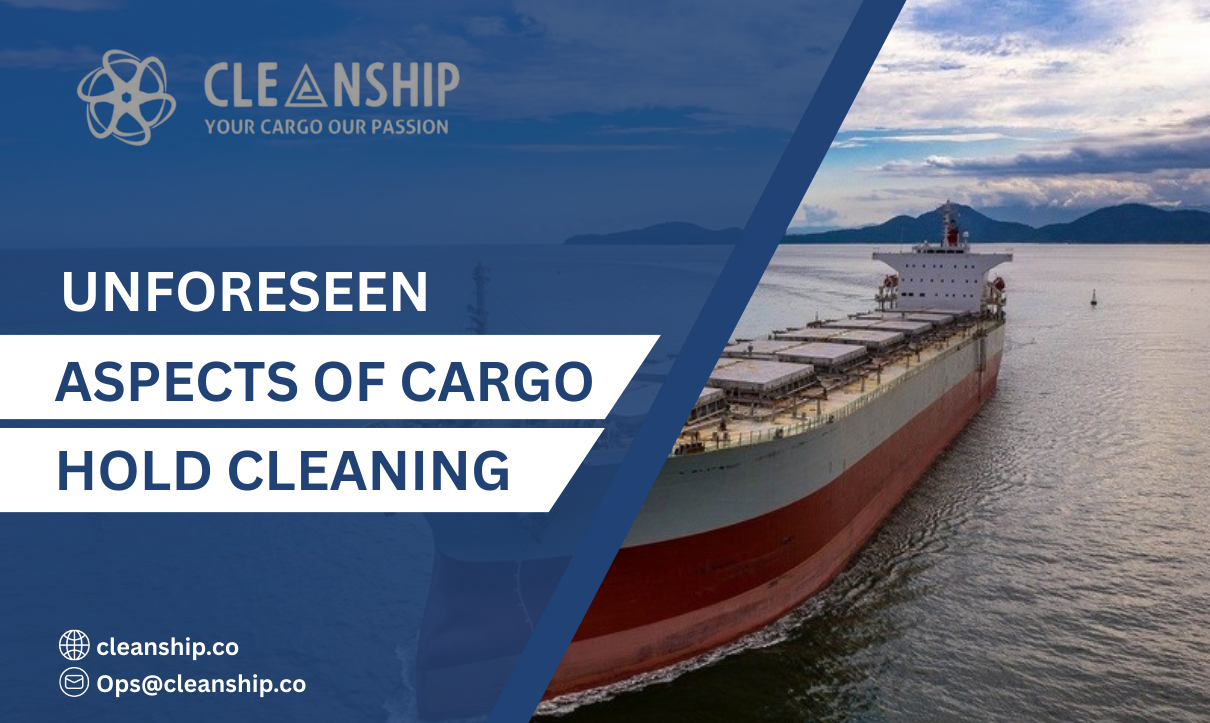
Unforeseen aspects of cargo hold cleaning present the most challenging operational scenarios in modern maritime operations, requiring comprehensive preparedness strategies that address unexpected contamination, equipment failures, and emergency situations. At Cleanship, we’ve encountered and mastered every conceivable unforeseen aspect of cargo hold cleaning, developing robust contingency protocols that ensure operational continuity while maintaining safety and compliance standards regardless of unexpected circumstances. Understanding Complex Unforeseen Aspects of Cargo Hold Cleaning Modern unforeseen aspects of cargo hold cleaning encompass a vast array of unexpected challenges that can emerge during cleaning operations, from concealed contamination and structural damage to weather emergencies and equipment failures. The unpredictable nature of maritime operations demands comprehensive preparedness that addresses every possible scenario while maintaining operational flexibility and rapid response capabilities. Professional management of unforeseen aspects of cargo hold cleaning requires extensive experience, advanced planning capabilities, and immediate access to specialized equipment and expertise. Today’s cleaning operations must anticipate potential complications while developing contingency responses that minimize operational impact and ensure crew safety throughout unexpected situations. The successful navigation of unforeseen aspects of cargo hold cleaning directly impacts operational success, affecting everything from schedule adherence to cost control and regulatory compliance. Poor preparation for unexpected scenarios can result in extended delays, excessive costs, safety incidents, and regulatory violations that damage operational reputation and profitability. Hidden Contamination and Concealed Residues Unforeseen aspects of cargo hold cleaning frequently involve hidden contamination that becomes apparent only during advanced cleaning operations, requiring immediate protocol adjustments and specialized treatment approaches. Concealed Chemical Contamination Professional assessment often reveals hidden chemical contamination representing serious unforeseen aspects of cargo hold cleaning: Cargo Documentation Discrepancies: Detection and Assessment Procedures: Specialized Treatment Requirements: Our expert cleaning services maintain comprehensive chemical analysis capabilities and emergency response protocols for immediate contamination assessment and specialized treatment. Structural Contamination and Surface Penetration Deep contamination penetration represents challenging unforeseen aspects of cargo hold cleaning requiring specialized removal techniques: Contamination Penetration Scenarios: Advanced Detection Methods: Specialized Removal Techniques: Weather-Related Operational Challenges Weather conditions create significant unforeseen aspects of cargo hold cleaning that require immediate operational adjustments and alternative procedure implementation. Extreme Weather Impact Management Severe weather conditions demand comprehensive response strategies addressing unforeseen aspects of cargo hold cleaning: High Wind and Storm Conditions: Temperature Extremes: Precipitation and Humidity Management: Port Condition Variability Port-specific conditions create unforeseen aspects of cargo hold cleaning requiring immediate adaptation: Infrastructure Limitations: Regulatory Variations: Our professional hold cleaning services maintain comprehensive contingency planning and alternative procedure protocols for immediate weather and port condition adaptation. Equipment Failures and Mechanical Emergencies Equipment reliability challenges represent critical unforeseen aspects of cargo hold cleaning that require immediate response and alternative solution implementation. Critical Equipment Failure Management Professional equipment failure response addresses unforeseen aspects of cargo hold cleaning through comprehensive backup systems and alternative procedures: High-Pressure System Failures: Chemical Dosing System Malfunctions: Vacuum and Waste Management System Failures: Emergency Equipment Deployment Rapid equipment deployment addresses unforeseen aspects of cargo hold cleaning through comprehensive backup systems: Mobile Equipment Resources: Specialized Emergency Equipment: Equipment Logistics and Coordination: Unexpected Cargo Hold Structural Issues Structural discoveries represent significant unforeseen aspects of cargo hold cleaning that require immediate assessment and specialized response procedures. Coating Deterioration and Surface Damage Cleaning operations often reveal hidden structural issues requiring immediate attention: Coating System Failures: Emergency Repair Coordination: Documentation and Compliance: Ventilation and Access Complications Access limitations create challenging unforeseen aspects of cargo hold cleaning requiring alternative approaches: Restricted Access Scenarios: Alternative Access Solutions: Our comprehensive tank cleaning services coordinate with hold cleaning operations using integrated structural assessment and emergency repair capabilities. Cross-Contamination and Cargo Compatibility Issues Cargo compatibility problems represent complex unforeseen aspects of cargo hold cleaning that require specialized knowledge and immediate response capabilities. Unexpected Cargo Reactions Chemical interactions create serious unforeseen aspects of cargo hold cleaning requiring emergency response: Incompatible Residue Interactions: Emergency Response Procedures: Regulatory Classification Changes Regulatory reclassification creates unforeseen aspects of cargo hold cleaning affecting cleaning procedures and compliance requirements: Documentation Discrepancy Management: Compliance Protocol Adjustment: Advanced Contingency Planning and Risk Management Comprehensive contingency planning addresses unforeseen aspects of cargo hold cleaning through systematic risk assessment and alternative procedure development. Predictive Risk Assessment Advanced risk analysis identifies potential unforeseen aspects of cargo hold cleaning before they impact operations: Historical Data Analysis: Proactive Mitigation Strategies: Emergency Response Team Coordination Professional response teams address unforeseen aspects of cargo hold cleaning through specialized expertise and rapid deployment capabilities: Specialized Response Capabilities: Rapid Deployment Protocols: The International Association of Dry Cargo Shipowners (INTERCARGO) recognizes the importance of comprehensive contingency planning for unforeseen aspects of cargo hold cleaning operations. Quality Assurance and Contingency Verification Professional management of unforeseen aspects of cargo hold cleaning requires comprehensive quality assurance systems that verify contingency effectiveness and ensure operational success despite unexpected challenges. Contingency Effectiveness Assessment Systematic assessment ensures unforeseen aspects of cargo hold cleaning receive appropriate response and resolution: Response Time Evaluation: Solution Quality Verification: Continuous Improvement Integration Professional operations incorporate lessons learned from unforeseen aspects of cargo hold cleaning into systematic improvement programs: Best Practice Development: Preventive Measure Enhancement: Don’t let unforeseen challenges compromise your cleaning operations. Contact Cleanship today to discover how our comprehensive preparation for unforeseen aspects of cargo hold cleaning can protect your operations while ensuring superior results and complete regulatory compliance under any circumstances. Frequently Asked Questions About Unforeseen Aspects of Cargo Hold Cleaning
Read more
cargo hold cleaning procedures

Efficient Cargo Hold Cleaning Procedures and Best Practices by CleanShip.co

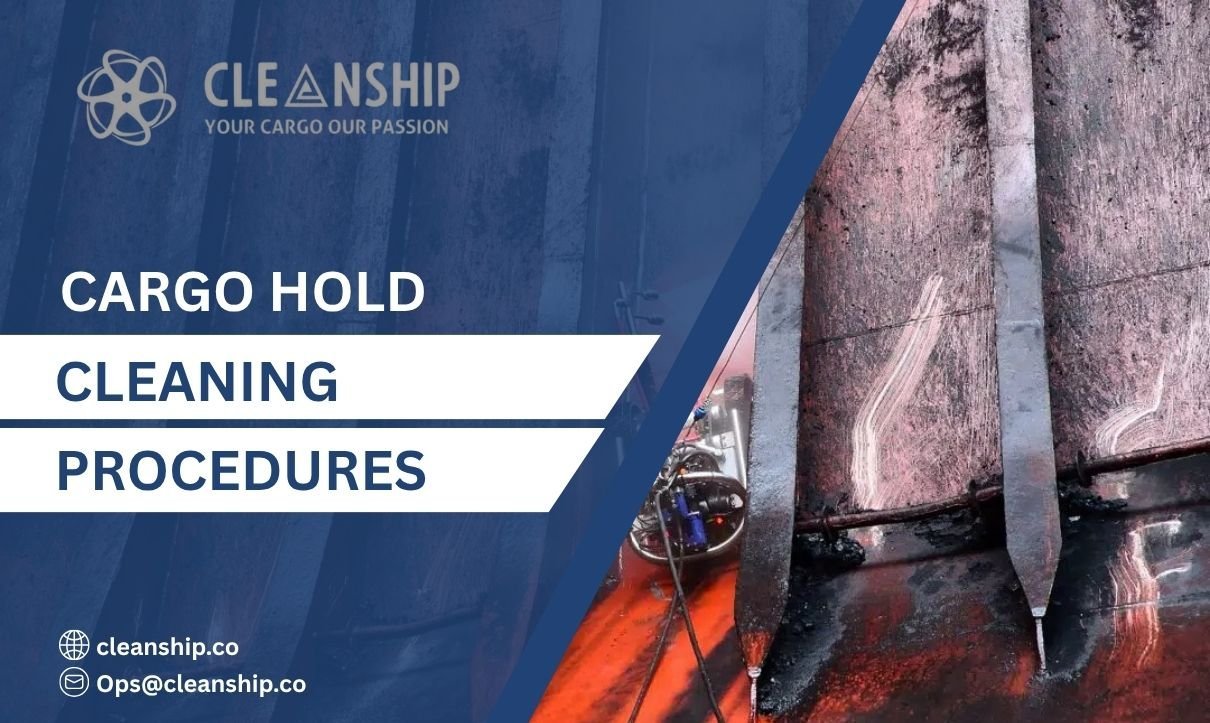
In the maritime industry, cargo hold cleaning procedures are not just a regulatory requirement—they are a cornerstone of operational efficiency, cargo safety, and environmental compliance. At cleanship.co/, we specialize in delivering precise, compliant, and efficient cargo hold cleaning solutions that exceed industry expectations. Whether it’s preparing for a change in cargo type, meeting MARPOL Annex V environmental standards, or maintaining the structural integrity of the vessel, our team ensures every cleaning project is handled with accuracy and professionalism. In this article, we’ll explore the step-by-step cargo hold cleaning procedures, best practices, environmental compliance measures, and how cleanship.co/ delivers unmatched service quality in global maritime operations. Understanding the Importance of Cargo Hold Cleaning Cargo holds are the lifeline of bulk carriers, transporting goods like coal, grains, ores, and fertilizers. Over time, residues, dust, and moisture can compromise cargo quality and even damage vessel structures. cargo hold cleaning procedures Why Cargo Hold Cleaning is Critical: Step-by-Step Cargo Hold Cleaning Procedures by cleanship.co/ At cleanship.co/, our cargo hold cleaning procedures follow a structured methodology to ensure thoroughness and efficiency. cargo hold cleaning procedures Step 1: Pre-Cleaning Assessment We begin with a detailed inspection of the cargo hold to: (Related Read: MARPOL Annex V – Prevention of Pollution by Garbage from Ships) Step 2: Dry Cleaning Before introducing water, we remove all loose residues: Step 3: High-Pressure Washing We utilize high-pressure water jets to remove stubborn residues: Step 4: Chemical Treatment (If Required) Some cargoes, like fertilizers or cement, leave stubborn stains and residues. Step 5: Final Rinse and Drying A clean hold must also be dry to avoid future cargo damage: Step 6: Inspection and Certification Before declaring the hold ready: Best Practices in Cargo Hold Cleaning cleanship.co/ follows industry-recognized best practices to maximize efficiency and compliance. cargo hold cleaning procedures Safety First Environmental Responsibility Equipment Maintenance Environmental Compliance and Waste Management Environmental compliance is at the heart of cleanship.co/’s operations. cargo hold cleaning procedures Segregation We separate residues into: Containment Disposal If you’re looking to explore more about our bulk carrier cleaning services, visit our services page for detailed offerings. cargo hold cleaning procedures Why Choose cleanship.co/ for Cargo Hold Cleaning Conclusion Efficient cargo hold cleaning procedures are a blend of science, skill, and compliance. At cleanship.co/, we ensure every cleaning operation meets global standards, protects the environment, and maximizes operational efficiency. cargo hold cleaning procedures Whether you need pre-loading cleaning, hazardous residue removal, or compliance with MARPOL regulations, cleanship.co/ is your trusted partner for professional maritime cleaning solutions. cargo hold cleaning procedures FAQs – Cargo Hold Cleaning Procedures
Read more
International regulations in cargo hold cleaning

Adherence to International Regulations in Cargo Hold Cleaning: Ensuring Compliance and Safety

In the maritime industry, cargo hold cleaning is far more than just a maintenance task — it is a critical compliance requirement that safeguards cargo integrity, environmental safety, and crew well-being. As global shipping operations become increasingly regulated, adherence to international regulations in cargo hold cleaning is no longer optional but essential. At cleanship.co/, we understand that every cleaning operation must align with the highest global standards to prevent contamination, comply with environmental mandates, and ensure the safe transport of goods. This commitment means not only meeting, but exceeding, the International Maritime Organization (IMO) and other regulatory frameworks governing cargo hold cleanliness. Why International Regulations Matter in Cargo Hold Cleaning Shipping operations span across multiple jurisdictions, each with its own requirements. Failure to comply with these international cargo hold cleaning regulations can lead to: By following established global regulations, cleanship.co/ ensures that vessels are ready for the next cargo without risk of delays or penalties. International regulations in cargo hold cleaning Key International Regulations in Cargo Hold Cleaning The global shipping industry operates under an extensive framework of rules and guidelines. Here are the main regulatory standards that govern cargo hold cleaning procedures: 1. MARPOL Annex V – Prevention of Pollution by Garbage from Ships MARPOL Annex V is one of the most important environmental regulations affecting cargo hold cleaning. It governs how residues, waste, and cleaning agents are managed and disposed of. At cleanship.co/, we only use MARPOL-compliant cleaning agents and ensure that all residues are collected, stored, and disposed of at certified waste reception facilities. International regulations in cargo hold cleaning 2. International Maritime Solid Bulk Cargoes (IMSBC) Code The IMSBC Code is designed to ensure the safe stowage and shipment of solid bulk cargoes, which includes strict cleaning requirements to prevent contamination. cleanship.co/ follows IMSBC standards by tailoring each cleaning process to the type of previous and upcoming cargo, ensuring compatibility and safety. International regulations in cargo hold cleaning 3. Occupational Health and Safety (OHS) Standards Crew safety is a major consideration in cargo hold cleaning operations. OHS standards apply to all onboard work, especially in confined spaces like holds. cleanship.co/ conducts comprehensive safety briefings before every job and provides all necessary protective gear to prevent accidents. International regulations in cargo hold cleaning 4. International Maritime Organization (IMO) Guidelines The IMO issues best practice guidelines that cover safe ship operations, environmental protection, and pollution prevention. These guidelines often complement MARPOL and IMSBC requirements. cleanship.co/ ensures our crew undergoes regular IMO compliance training to stay updated on evolving best practices for cargo hold cleaning. International regulations in cargo hold cleaning 5. Local Port and Coastal State Regulations While international regulations form the foundation, local port authorities may impose additional requirements. Our team monitors each port’s specific guidelines in advance, ensuring no delays or fines due to overlooked local requirements. International regulations in cargo hold cleaning How cleanship.co/ Ensures Full Regulatory Compliance Our compliance strategy is built around proactive planning, continuous training, and rigorous inspection. Consequences of Non-Compliance Ignoring international regulations in cargo hold cleaning can have severe repercussions: By partnering with cleanship.co/, shipowners and operators can rest assured that their vessels meet every requirement, minimizing risk and maximizing operational efficiency. International regulations in cargo hold cleaning The cleanship.co/ Advantage Choosing cleanship.co/ means choosing a partner committed to global compliance and operational excellence. Our approach ensures: Conclusion In the global shipping industry, international regulations in cargo hold cleaning are more than just paperwork — they are the foundation of safe, legal, and efficient maritime operations. At cleanship.co/, we integrate these regulations into every aspect of our cleaning services, ensuring that vessels are not only clean but also compliant with all relevant standards. By adhering to MARPOL Annex V, IMSBC Code, OHS guidelines, IMO best practices, and local port rules, we help our clients avoid costly penalties, protect their cargo, and safeguard the marine environment. Your vessel’s compliance is our priority — because a clean hold is only truly clean when it meets the world’s highest regulatory standards. FAQs on International Regulations in Cargo Hold Cleaning
Read more
Environmental Compliance in Cargo Hold Cleaning

Eco-Responsible Hold Cleaning: Environmental Compliance & Waste Management at Sea

Environmental compliance in cargo hold cleaning has become the cornerstone of modern maritime operations, demanding comprehensive approaches that balance thorough contamination removal with stringent environmental protection standards. At Cleanship, we’ve developed advanced eco-responsible cleaning methodologies that ensure complete environmental compliance in cargo hold cleaning while maintaining operational excellence and regulatory adherence across all international maritime jurisdictions. Understanding Environmental Compliance in Cargo Hold Cleaning Modern environmental compliance in cargo hold cleaning requires sophisticated understanding of international regulations, sustainable technologies, and waste management protocols that protect marine ecosystems while ensuring complete contamination removal. The complexity of contemporary environmental standards demands integrated approaches that address everything from biodegradable cleaning agents to zero-liquid-discharge systems. Professional environmental compliance in cargo hold cleaning has evolved dramatically with tightening environmental regulations, advancing green technologies, and increasing corporate sustainability commitments. Today’s cleaning operations must achieve complete contamination removal while minimizing environmental impact, ensuring regulatory compliance, and maintaining strict waste management protocols. The implementation of proper environmental compliance in cargo hold cleaning directly impacts operational success, affecting everything from regulatory approval to corporate sustainability ratings and long-term operational costs. Poor environmental compliance can result in regulatory violations, expensive fines, operational delays, and significant reputational damage. International Environmental Regulatory Framework Environmental compliance in cargo hold cleaning operates within a comprehensive international regulatory framework that governs every aspect of cleaning operations, waste disposal, and marine environmental protection. MARPOL Compliance Requirements The International Convention for the Prevention of Pollution from Ships (MARPOL) establishes the fundamental framework for environmental compliance in cargo hold cleaning through comprehensive pollution prevention requirements: MARPOL Annex I – Oil Pollution Prevention: MARPOL Annex V – Garbage Management: MARPOL Annex VI – Air Pollution Prevention: Our expert cleaning services ensure complete MARPOL compliance through systematic implementation of approved environmental protocols and comprehensive waste management systems. Regional Environmental Standards Environmental compliance in cargo hold cleaning must address varying regional requirements that supplement international standards: European Union Regulations: North American Standards: Sustainable Cleaning Technologies for Environmental Compliance Advanced environmental compliance in cargo hold cleaning relies on innovative sustainable technologies that achieve superior contamination removal while minimizing environmental impact through eco-responsible methodologies. Biodegradable Cleaning Agent Systems Professional biodegradable cleaning systems represent the foundation of environmental compliance in cargo hold cleaning, utilizing advanced formulations that achieve complete contamination removal while ensuring marine environmental protection: Plant-Based Cleaning Formulations: Advanced Biodegradability Standards: Performance Optimization: Our professional hold cleaning services utilize cutting-edge biodegradable cleaning systems that exceed environmental compliance requirements while delivering superior contamination removal results. Water Conservation and Recycling Systems Advanced water management technologies ensure environmental compliance in cargo hold cleaning through sophisticated conservation and treatment systems that minimize freshwater consumption while maintaining cleaning effectiveness: Closed-Loop Water Recycling: Water Quality Monitoring: Conservation Performance Metrics: Zero-Liquid-Discharge (ZLD) Systems Zero-liquid-discharge systems represent the pinnacle of environmental compliance in cargo hold cleaning, eliminating all liquid waste discharge through complete treatment and recovery processes: Advanced Treatment Technologies: Solid Waste Management: Environmental Benefits: Comprehensive Waste Management Protocols Environmental compliance in cargo hold cleaning requires systematic waste management approaches that ensure proper classification, treatment, and disposal of all waste streams generated during cleaning operations. Waste Stream Classification and Segregation Professional waste management begins with comprehensive waste stream classification according to international environmental regulations and hazardous material standards: Hazardous Waste Categories: Non-Hazardous Waste Streams: Segregation Protocols: Onboard Waste Treatment Systems Advanced onboard treatment systems enable preliminary waste processing to ensure environmental compliance in cargo hold cleaning while reducing waste volumes and simplifying shore-based disposal: Physical Treatment Systems: Chemical Treatment Systems: Biological Treatment Systems: Shore-Based Waste Disposal Coordination Professional environmental compliance in cargo hold cleaning requires comprehensive coordination with certified shore-based waste management facilities that provide specialized treatment services: Waste Reception Facility Selection: Waste Transfer Documentation: Cost Optimization Strategies: Digital Environmental Compliance Management Modern environmental compliance in cargo hold cleaning relies on comprehensive digital management systems that provide real-time monitoring, automated reporting, and complete compliance documentation. Real-Time Environmental Monitoring Advanced monitoring systems ensure continuous environmental compliance in cargo hold cleaning through sophisticated sensor networks and automated data collection: Water Quality Monitoring: Air Quality Monitoring: Waste Stream Monitoring: Automated Compliance Reporting Comprehensive reporting systems ensure environmental compliance in cargo hold cleaning through systematic documentation and regulatory submission automation: Regulatory Report Generation: Performance Tracking Systems: Audit Trail Documentation: Our comprehensive tank cleaning services integrate with hold cleaning operations using unified environmental compliance management systems for maximum operational efficiency and regulatory adherence. Advanced Environmental Protection Technologies Environmental compliance in cargo hold cleaning continues advancing through innovative technologies that enhance environmental protection while improving operational efficiency and cost-effectiveness. Atmospheric Emission Control Systems Advanced emission control technologies ensure environmental compliance in cargo hold cleaning through comprehensive vapor management and atmospheric protection systems: Vapor Recovery Systems: Containment Technologies: Marine Environment Protection Systems Specialized protection systems ensure environmental compliance in cargo hold cleaning through comprehensive marine ecosystem protection measures: Discharge Prevention Systems: Biodegradation Enhancement: Quality Assurance and Environmental Verification Professional environmental compliance in cargo hold cleaning requires comprehensive quality assurance systems that verify compliance effectiveness and ensure continuous improvement in environmental protection. Environmental Compliance Verification Systematic verification ensures environmental compliance in cargo hold cleaning meets all applicable standards and regulations: Third-Party Certification: Performance Measurement: Continuous Environmental Improvement Professional operations incorporate continuous improvement in environmental compliance in cargo hold cleaning through systematic enhancement programs: Technology Advancement Integration: Regulatory Compliance Enhancement: The International Association of Dry Cargo Shipowners (INTERCARGO) promotes sustainable practices in bulk carrier operations, including comprehensive environmental compliance in cargo hold cleaning operations. Conclusion: Achieving Excellence in Environmental Compliance Environmental compliance in cargo hold cleaning represents the future of sustainable maritime operations, requiring comprehensive integration of advanced technologies, systematic waste management, and continuous improvement initiatives. The complexity of modern environmental regulations demands professional expertise that ensures complete compliance while maintaining operational efficiency and cost-effectiveness. At Cleanship, we’ve mastered the complete spectrum of environmental compliance in cargo hold cleaning, from advanced biodegradable cleaning systems to zero-liquid-discharge technologies and comprehensive waste management protocols. Our systematic approach ensures optimal environmental protection for every cleaning scenario while maintaining the highest standards of regulatory
Read more
Safety Protocols in Cargo Hold Cleaning

Top Safety Protocols in Cargo Hold Cleaning: Safeguarding Crew and Vessel Integrity

Safety protocols in cargo hold cleaning represent the most critical aspect of modern maritime operations, demanding comprehensive risk management approaches that protect crew members while maintaining vessel integrity throughout cleaning operations. At Cleanship, we’ve developed industry-leading safety protocols in cargo hold cleaning that ensure zero-incident operations while achieving superior contamination removal across all cargo types and vessel configurations. Understanding Comprehensive Safety Protocols in Cargo Hold Cleaning Modern safety protocols in cargo hold cleaning require sophisticated understanding of occupational hazards, emergency procedures, and protective measures that address every aspect of cleaning operations from initial assessment through final verification. The complexity of contemporary cargo hold environments demands integrated safety approaches that handle everything from toxic gas exposure to confined space hazards and chemical contamination risks. Professional safety protocols in cargo hold cleaning have evolved significantly with advancing technology, regulatory requirements, and increasing safety awareness throughout the maritime industry. Today’s safety operations must balance thorough hazard identification with rapid response capabilities, comprehensive crew protection, and strict regulatory compliance protocols. The implementation of proper safety protocols in cargo hold cleaning directly impacts operational success, affecting everything from crew welfare to regulatory compliance and long-term operational sustainability. Inadequate safety protocols can result in serious injuries, regulatory violations, operational shutdowns, and catastrophic incidents that damage both personnel and corporate reputation. Pre-Cleaning Safety Assessment and Risk Analysis Safety protocols in cargo hold cleaning begin with comprehensive pre-cleaning safety assessments that identify potential hazards and establish appropriate protective measures before any cleaning operations commence. Atmospheric Testing and Monitoring Professional atmospheric testing represents the foundation of safety protocols in cargo hold cleaning, ensuring safe working conditions through systematic air quality assessment: Initial Atmospheric Assessment: Continuous Monitoring Requirements: Testing Equipment Specifications: Our expert cleaning services utilize advanced atmospheric monitoring systems that provide continuous safety oversight throughout all cleaning operations. Confined Space Entry Procedures Cargo holds represent confined spaces requiring specialized safety protocols in cargo hold cleaning that address entry, work, and emergency procedures: Entry Permit Systems: Personnel Safety Requirements: Ventilation and Air Quality Management: Personal Protective Equipment (PPE) Requirements Comprehensive PPE systems form essential components of safety protocols in cargo hold cleaning, providing multiple layers of protection against identified hazards and contamination exposure. Respiratory Protection Systems Professional respiratory protection ensures crew safety during safety protocols in cargo hold cleaning operations involving atmospheric hazards and chemical contamination: Supplied Air Systems: Self-Contained Breathing Apparatus (SCBA): Filtering Respiratory Protection: Chemical Protection Equipment Advanced chemical protection systems ensure crew safety during safety protocols in cargo hold cleaning involving hazardous cleaning agents and cargo residue exposure: Chemical Resistant Clothing: Eye and Face Protection: Skin Protection Systems: Our professional hold cleaning services provide comprehensive PPE systems tailored to specific cleaning operations and contamination types. Emergency Response and Safety Procedures Comprehensive emergency response systems ensure rapid incident response during safety protocols in cargo hold cleaning operations, minimizing injury severity and operational impact. Medical Emergency Response Professional medical emergency procedures address immediate injury response and medical evacuation requirements: Onboard Medical Capabilities: Medical Evacuation Procedures: Injury Documentation and Reporting: Fire and Explosion Prevention Fire safety systems represent critical components of safety protocols in cargo hold cleaning, addressing ignition prevention and emergency response: Hot Work Permit Systems: Explosion Prevention Measures: Fire Suppression Systems: Chemical Spill Response Chemical spill response procedures ensure rapid containment and cleanup during safety protocols in cargo hold cleaning operations: Spill Containment Systems: Decontamination Procedures: Training and Certification Requirements Comprehensive training systems ensure crew competency in safety protocols in cargo hold cleaning, providing essential knowledge and skills for safe operation execution. Safety Training Programs Professional safety training addresses all aspects of safety protocols in cargo hold cleaning through systematic education and practical skill development: Basic Safety Training: Specialized Training Requirements: Ongoing Training and Recertification: Competency Assessment and Verification Systematic competency assessment ensures crew readiness for safety protocols in cargo hold cleaning operations: Practical Skills Assessment: Knowledge Verification: Certification Maintenance: Advanced Safety Technology Integration Modern safety protocols in cargo hold cleaning incorporate advanced technology systems that enhance hazard detection, crew protection, and emergency response capabilities. Real-Time Safety Monitoring Systems Advanced monitoring technology provides continuous safety oversight during safety protocols in cargo hold cleaning operations: Integrated Safety Management Systems: Wearable Safety Technology: Environmental Monitoring Networks: Emergency Communication Systems Comprehensive communication systems ensure rapid information flow during safety protocols in cargo hold cleaning emergencies: Internal Communication Systems: External Communication Capabilities: Our comprehensive tank cleaning services integrate with hold cleaning safety systems using unified safety management platforms for maximum crew protection and operational safety. Regulatory Compliance and Safety Standards Safety protocols in cargo hold cleaning must comply with comprehensive international and regional safety regulations that govern maritime operations and worker protection. International Safety Regulations Professional safety compliance addresses multiple international frameworks governing safety protocols in cargo hold cleaning: International Maritime Organization (IMO) Requirements: Occupational Safety Standards: Port State Control and Inspection Readiness Comprehensive inspection preparation ensures safety protocols in cargo hold cleaning meet all regulatory requirements: Documentation Requirements: Inspection Preparation: The International Association of Dry Cargo Shipowners (INTERCARGO) promotes comprehensive safety standards in bulk carrier operations, including advanced safety protocols in cargo hold cleaning. Quality Assurance and Safety Performance Monitoring Professional safety protocols in cargo hold cleaning require comprehensive quality assurance systems that monitor safety performance and ensure continuous improvement in crew protection. Safety Performance Metrics Systematic performance monitoring ensures safety protocols in cargo hold cleaning achieve targeted safety objectives: Leading Safety Indicators: Lagging Safety Indicators: Continuous Safety Improvement Professional operations incorporate continuous improvement in safety protocols in cargo hold cleaning through systematic enhancement programs: Safety Management System Enhancement: Safety Culture Development: Conclusion: Excellence in Cargo Hold Cleaning Safety Safety protocols in cargo hold cleaning represent the foundation of professional maritime operations, requiring comprehensive integration of hazard assessment, protective equipment, emergency procedures, and continuous improvement initiatives. The complexity of modern cargo hold environments demands professional expertise that ensures complete crew protection while maintaining operational efficiency and regulatory compliance. At Cleanship, we’ve mastered the complete spectrum of safety protocols in cargo hold cleaning, from advanced atmospheric monitoring systems to comprehensive emergency
Read more
Cleaning Methods for Cargo Holds

Proven Cleaning Techniques for Cargo Holds: Effective Methods for Every Residue Type

In the competitive world of bulk shipping, mastering effective cleaning methods for cargo holds determines the difference between operational success and costly contamination disasters. At Cleanship, we’ve developed and refined proven cleaning techniques that address every type of cargo residue, ensuring complete contamination removal while optimizing operational efficiency and regulatory compliance. Understanding the Complexity of Cargo Hold Cleaning Methods Modern bulk carriers transport an incredible variety of cargoes, each leaving behind unique residues that require specialized cleaning methods for cargo holds. From sticky agricultural products and abrasive mineral ores to chemical fertilizers and food-grade commodities, each cargo type presents distinct cleaning challenges that demand tailored approaches and specialized techniques. The evolution of cleaning methods for cargo holds has been driven by increasingly stringent regulatory requirements, higher cargo quality standards, and the economic necessity of preventing expensive cross-contamination incidents. Professional cleaning techniques must address not only visible contamination but also microscopic residues that can compromise subsequent cargo quality. Effective cleaning methods for cargo holds integrate advanced equipment, proven chemicals, systematic procedures, and skilled personnel to achieve consistently superior results across all cargo types and contamination scenarios. Comprehensive Classification of Cargo Residue Types Dry Bulk Cargo Residues Dry bulk cargoes represent the majority of global shipping volume, requiring specialized cleaning methods for cargo holds that address their unique characteristics: Mineral and Coal Residues: Agricultural Product Residues: Our expert cleaning services utilize targeted approaches for each residue type, ensuring complete removal without surface damage or environmental harm. Liquid and Semi-Liquid Cargo Residues Liquid cargo transportation creates complex cleaning challenges requiring specialized methods: Chemical and Fertilizer Residues: Edible Oil and Fat Residues: Advanced High-Pressure Water Cleaning Techniques High-pressure water systems represent the cornerstone of modern cleaning methods for cargo holds, offering versatility, effectiveness, and environmental compatibility across diverse contamination scenarios. Variable Pressure Applications Professional cleaning methods for cargo holds employ variable pressure systems that optimize cleaning effectiveness while protecting hold surfaces: Ultra-High Pressure Systems (500-1000 bar): Medium Pressure Applications (200-500 bar): Low Pressure Techniques (50-200 bar): Hot Water and Steam Integration Advanced cleaning methods for cargo holds incorporate temperature control for enhanced effectiveness: Hot Water Benefits: Our professional hold cleaning services utilize state-of-the-art temperature-controlled systems that optimize cleaning performance while minimizing environmental impact. Specialized Chemical Cleaning Methods Chemical cleaning agents represent essential components of comprehensive cleaning methods for cargo holds, providing targeted solutions for specific contamination types that mechanical cleaning alone cannot address effectively. Alkaline Cleaning Solutions Alkaline cleaning methods effectively address organic contamination and protein-based residues: Applications and Benefits: Specialized Alkaline Formulations: Acidic Cleaning Techniques Acidic cleaning methods target mineral deposits, rust stains, and alkaline cargo residues: Mineral Deposit Removal: Safety and Environmental Considerations: Professional acidic cleaning methods incorporate neutralization systems, corrosion inhibitors, and environmental protection measures ensuring safe application and waste disposal. Specialized Decontamination Agents Advanced cleaning methods for cargo holds include specialized agents for challenging contamination scenarios: Enzyme-Based Cleaners: Solvent-Based Solutions: Mechanical Cleaning Methods and Equipment Mechanical cleaning techniques complement chemical and water-based methods, providing physical removal capabilities essential for comprehensive cargo hold cleaning. Abrasive Cleaning Techniques Controlled abrasive methods address stubborn deposits that resist chemical and water cleaning: Dry Ice Blasting: Media Blasting Applications: Mechanical Scraping and Brushing Traditional mechanical methods remain essential components of comprehensive cleaning approaches: Power Tool Applications: Manual Techniques: Our comprehensive tank cleaning services can be coordinated with mechanical hold cleaning for complete vessel preparation. Advanced Vacuum and Debris Recovery Systems Effective cleaning methods for cargo holds integrate sophisticated debris recovery systems that ensure complete contamination removal while maintaining operational efficiency. Industrial Vacuum Applications Professional vacuum systems address diverse cleaning requirements: Wet/Dry Recovery Systems: Specialized Vacuum Techniques: Water Recovery and Recycling Sustainable cleaning methods for cargo holds incorporate water recovery and treatment systems: Closed-Loop Systems: Quality Control and Verification Methods Professional cleaning methods for cargo holds include comprehensive quality control procedures ensuring consistent results and regulatory compliance. Visual Inspection Protocols Systematic visual inspection validates cleaning effectiveness: Inspection Standards: Laboratory Testing and Analysis Advanced quality control includes scientific validation: Contamination Analysis: Certification and Documentation Professional cleaning methods for cargo holds include comprehensive documentation: The International Maritime Organization (IMO) establishes global standards that guide professional cleaning method development and implementation. Environmental Compliance in Cleaning Methods Modern cleaning methods for cargo holds must balance effectiveness with environmental responsibility, incorporating sustainable practices and regulatory compliance. Waste Management and Disposal Professional cleaning operations include comprehensive waste management: Contaminated Water Treatment: Solid Waste Handling: Eco-Friendly Cleaning Agent Selection Sustainable cleaning methods prioritize environmentally responsible products: Technology Integration and Innovation Cutting-edge cleaning methods for cargo holds incorporate technological advances that enhance effectiveness, safety, and efficiency. Remote Monitoring and Control Advanced cleaning systems feature remote operation capabilities: Predictive Maintenance Integration Modern cleaning methods integrate with vessel maintenance programs: The International Association of Dry Cargo Shipowners (INTERCARGO) promotes technological advancement in bulk carrier operations, including cleaning method innovation. Customized Cleaning Method Selection Professional cleaning services develop customized approaches based on specific vessel requirements, cargo histories, and operational constraints. Vessel-Specific Considerations Cleaning method selection addresses individual vessel characteristics: Cargo Transition Requirements Cleaning methods vary based on cargo sequence planning: Conclusion: Optimizing Cleaning Method Effectiveness Effective cleaning methods for cargo holds require comprehensive understanding of contamination types, systematic application of proven techniques, and continuous adaptation to evolving industry requirements. Professional cleaning services integrate mechanical, chemical, and technological approaches to achieve superior results consistently. At Cleanship, our extensive experience with diverse cleaning methods for cargo holds enables us to provide customized solutions that optimize effectiveness while maintaining cost efficiency and environmental responsibility. Our proven techniques ensure complete contamination removal and regulatory compliance across all cargo types and operational scenarios. Don’t compromise your cargo quality with inadequate cleaning methods. Contact Cleanship today to discover how our proven cleaning techniques can protect your operations and ensure superior cargo hold preparation for any residue type. Frequently Asked Questions About Cleaning Methods for Cargo Holds
Read more
Initial steps in cargo hold cleaning

5 Essential Initial Steps in Cargo Hold Cleaning for Maximum Efficiency

The success of any cargo hold cleaning operation depends entirely on the thoroughness and precision of the initial steps taken before the actual cleaning begins. At Cleanship, we’ve refined these crucial preliminary procedures through years of experience, understanding that proper preparation determines the effectiveness, safety, and efficiency of the entire cleaning process. These initial steps in cargo hold cleaning form the foundation for successful contamination removal and regulatory compliance. Understanding the Critical Nature of Initial Steps in Cargo Hold Cleaning The initial steps in cargo hold cleaning represent far more than routine preparation—they constitute a comprehensive assessment and planning phase that directly impacts operational outcomes, crew safety, and cost efficiency. Modern bulk carrier operations demand systematic approaches that minimize risks while maximizing cleaning effectiveness within tight scheduling constraints. Professional cargo hold cleaning begins long before the first drop of water or cleaning agent touches the hold surfaces. The preliminary phase involves detailed assessments, strategic planning, safety preparations, and equipment positioning that collectively determine whether the cleaning operation will achieve its objectives efficiently and safely. Neglecting proper initial steps in cargo hold cleaning can result in incomplete contamination removal, safety incidents, regulatory non-compliance, extended cleaning times, and ultimately, expensive cargo contamination claims that could have been prevented through methodical preparation. Step 1: Comprehensive Hold Assessment and Documentation The first and most critical of the initial steps in cargo hold cleaning involves conducting a thorough assessment of current hold conditions, contamination levels, and specific cleaning requirements. This systematic evaluation forms the basis for all subsequent cleaning decisions and resource allocation. Detailed Visual Inspection Process Professional assessment begins with comprehensive visual inspection of all hold surfaces, including bulkheads, tank tops, frames, and hatch covers. Our experienced technicians examine every accessible area to identify: Contamination Assessment: Structural Condition Evaluation: Our expert cleaning services utilize advanced inspection techniques including photographic documentation, contamination sampling, and detailed condition reporting that establishes baseline measurements for cleaning effectiveness evaluation. Documentation and Photographic Evidence Comprehensive documentation during the assessment phase serves multiple critical purposes including regulatory compliance, insurance requirements, and client reporting. Professional documentation includes: This thorough documentation protects all parties involved while providing clear evidence of cleaning necessity and subsequent effectiveness. Step 2: Safety Assessment and Risk Analysis Safety considerations represent the most crucial among the initial steps in cargo hold cleaning. Comprehensive safety assessment ensures crew protection while establishing protocols for emergency response and hazard mitigation throughout the cleaning operation. Atmospheric Testing and Ventilation Professional safety assessment begins with atmospheric testing to identify potential hazards including: Gas Concentration Monitoring: Ventilation System Evaluation: Personal Protective Equipment Requirements Based on assessment results, appropriate personal protective equipment (PPE) requirements are established including respiratory protection, chemical-resistant clothing, safety harnesses, and emergency communication equipment. Our professional hold cleaning services maintain the highest safety standards through comprehensive PPE protocols and continuous monitoring. Confined Space Entry Procedures Cargo holds constitute confined spaces requiring specialized entry procedures, emergency response plans, and continuous atmospheric monitoring throughout cleaning operations. Professional safety protocols include designated safety officers, emergency evacuation procedures, and communication systems. Step 3: Equipment Selection and Positioning Strategy Strategic equipment selection and positioning represent critical initial steps in cargo hold cleaning that directly impact operational efficiency, cleaning effectiveness, and overall project timeline. Professional operations require careful matching of equipment capabilities with specific cleaning requirements. Cleaning Equipment Assessment Equipment selection depends on multiple factors identified during the initial assessment phase: High-Pressure Water Systems: Specialized Cleaning Tools: Access Equipment: Strategic Equipment Positioning Efficient equipment positioning minimizes setup time, reduces safety risks, and optimizes cleaning workflow. Professional positioning strategies consider: Our comprehensive tank cleaning services can be coordinated with hold cleaning operations for maximum equipment utilization and operational efficiency. Step 4: Regulatory Compliance and Documentation Preparation Regulatory compliance preparation constitutes essential initial steps in cargo hold cleaning, ensuring operations meet international maritime standards and specific port requirements. Proper preparation prevents delays, fines, and operational complications. International Standards Compliance Professional cleaning operations must comply with multiple regulatory frameworks: IMO and MARPOL Requirements: The International Maritime Organization (IMO) establishes global standards for ship operations and environmental protection. Compliance preparation includes: Documentation Preparation Comprehensive documentation preparation includes: Step 5: Resource Planning and Timeline Development The final critical component among initial steps in cargo hold cleaning involves comprehensive resource planning and realistic timeline development that coordinates personnel, equipment, and operational requirements with vessel scheduling constraints. Personnel Resource Planning Effective resource planning ensures adequate skilled personnel availability: Team Composition Requirements: Shift Planning and Coverage: Timeline Development and Coordination Realistic timeline development balances thorough cleaning requirements with operational scheduling pressures: Critical Path Analysis: Coordination Factors: The International Association of Dry Cargo Shipowners (INTERCARGO) emphasizes the importance of systematic planning in bulk carrier operations, including comprehensive preparation for cleaning operations. Integration and Execution of Initial Steps Successful cargo hold cleaning operations require seamless integration of all initial steps in cargo hold cleaning. Professional coordination ensures that assessment findings inform safety preparations, equipment selection matches identified requirements, regulatory compliance addresses specific operational needs, and resource planning supports efficient execution. At Cleanship, our four-phase approach to initial preparation includes: Quality Control and Continuous Improvement Effective initial steps in cargo hold cleaning include establishment of quality control measures and continuous improvement protocols that ensure consistent results and operational enhancement over time. Performance Metrics Development Key performance indicators established during initial steps include: Continuous Improvement Integration Professional operations incorporate lessons learned and best practices development: Conclusion: Maximizing Efficiency Through Proper Initial Steps The initial steps in cargo hold cleaning determine the success, safety, and efficiency of every cleaning operation. Professional preparation through comprehensive assessment, safety planning, equipment positioning, regulatory compliance, and resource coordination creates the foundation for effective contamination removal and operational success. At Cleanship, we understand that thorough initial preparation prevents problems, reduces costs, and ensures superior cleaning results. Our systematic approach to initial steps in cargo hold cleaning maximizes efficiency while maintaining the highest safety and quality standards. Don’t compromise your cleaning operations with inadequate preparation. Contact Cleanship today to discover how our professional initial assessment and preparation
Read more
Cargo hold cleaning frequency

How Often Should You Clean Cargo Holds? A Guide to Frequency and Scheduling

Determining the optimal cargo hold cleaning frequency is one of the most critical decisions facing bulk carrier operators today. The timing of professional cleaning directly impacts cargo quality, operational costs, and regulatory compliance. At Cleanship, we’ve developed comprehensive guidelines to help shipping companies establish effective cleaning schedules that maximize efficiency while minimizing contamination risks. Understanding Cargo Hold Cleaning Frequency Requirements The frequency of cargo hold cleaning depends on multiple interconnected factors that vary significantly across different shipping operations. Unlike routine maintenance tasks with fixed intervals, cargo hold cleaning frequency must be strategically planned based on cargo types, trading patterns, vessel age, and regulatory requirements. Modern bulk carriers face increasing pressure to optimize cleaning schedules as charterers demand higher cargo quality standards while operators seek to minimize operational downtime. The challenge lies in balancing thorough cleaning requirements with operational efficiency to maintain competitive advantage in the global shipping market. Primary Factors Determining Cargo Hold Cleaning Frequency Cargo Type Transitions and Contamination Risk The most significant factor influencing cargo hold cleaning frequency is the sequence of different cargo types being transported. High-risk transitions require immediate professional cleaning, while similar cargo types may allow extended intervals between cleaning operations. High-Risk Cargo Transitions Requiring Immediate Cleaning: Our expert cleaning services ensure complete contamination removal during these critical transitions, protecting cargo integrity and preventing expensive claims. Moderate-Risk Transitions: Low-Risk Cargo Sequences: Trading Route Patterns and Port Requirements Cargo hold cleaning frequency varies significantly based on trading routes and specific port requirements. Some ports mandate professional cleaning certificates for certain cargo types, while others have seasonal restrictions affecting cleaning schedules. Regional Variations in Cleaning Requirements: Understanding these regional differences helps optimize cargo hold cleaning frequency while ensuring compliance with local regulations. Recommended Cleaning Frequency Guidelines Standard Operating Recommendations Based on extensive industry experience, Cleanship recommends the following cargo hold cleaning frequency guidelines: High-Frequency Cleaning Schedule (Every 2-3 Voyages): Medium-Frequency Cleaning Schedule (Every 4-6 Voyages): Extended Cleaning Intervals (Every 8-12 Voyages): Seasonal Considerations Affecting Cleaning Frequency Seasonal factors significantly impact optimal cargo hold cleaning frequency, particularly for vessels involved in agricultural trade cycles. Harvest Season Adjustments: During peak agricultural seasons, increased cleaning frequency ensures compliance with food-grade standards while capturing premium freight rates for clean cargoes. Weather-Related Scheduling: Monsoon seasons and winter weather patterns affect cleaning operations, requiring adjusted frequencies to maintain operational continuity. Regulatory Compliance and Mandatory Cleaning Requirements International maritime regulations establish minimum cargo hold cleaning frequency requirements that vary based on cargo types and trading routes. The International Maritime Organization (IMO) guidelines provide the framework for these requirements. IMO and MARPOL Compliance Standards Professional cargo hold cleaning services must align with international standards including: Non-compliance with mandated cleaning frequency can result in vessel detention, substantial fines, and operational delays costing thousands of dollars daily. Economic Optimization of Cleaning Schedules Cost-Benefit Analysis for Cleaning Frequency Determining optimal cargo hold cleaning frequency requires careful economic analysis balancing cleaning costs against potential contamination losses and operational benefits. Direct Cost Considerations: Hidden Cost Factors: Revenue Protection Benefits: Strategic Scheduling for Maximum Efficiency Effective cargo hold cleaning frequency planning involves strategic coordination with trading schedules, port rotations, and cargo booking patterns. Optimal Scheduling Strategies: Our comprehensive tank cleaning services can be coordinated with hold cleaning operations for maximum efficiency. Advanced Cleaning Frequency Management Technology-Driven Scheduling Solutions Modern shipping operations benefit from technology-enhanced approaches to cargo hold cleaning frequency management, including predictive maintenance systems and cargo contamination risk assessment tools. Digital Monitoring Systems: Advanced monitoring helps optimize cleaning frequency by tracking cargo residue accumulation, hold condition deterioration, and contamination risk factors over time. Predictive Analytics: Data-driven approaches analyze historical patterns, cargo sequences, and performance metrics to recommend optimal cleaning frequencies for specific vessels and trade routes. Customized Frequency Programs Cleanship offers tailored cargo hold cleaning frequency programs designed for specific vessel operations and trading patterns. Comprehensive Assessment Services: Our four-step professional process begins with detailed assessments that inform customized cleaning frequency recommendations: Quality Assurance and Documentation Maintaining Cleaning Records Proper documentation of cargo hold cleaning frequency helps demonstrate regulatory compliance while supporting insurance claims and charterer negotiations. Essential Documentation Requirements: Continuous Improvement Programs Regular review and adjustment of cargo hold cleaning frequency based on operational experience and performance metrics ensures optimal results over time. Performance Metrics for Frequency Optimization: Environmental Considerations in Cleaning Frequency Sustainable Cleaning Practices Environmental responsibility influences optimal cargo hold cleaning frequency, as more frequent cleaning can reduce chemical usage per cleaning cycle while minimizing marine pollution risks. Eco-Friendly Frequency Strategies: The International Association of Dry Cargo Shipowners (INTERCARGO) emphasizes sustainable practices in bulk carrier operations, including responsible cleaning frequency management. Industry Best Practices and Expert Recommendations Professional Service Provider Selection Choosing experienced cleaning service providers significantly impacts the effectiveness of any cargo hold cleaning frequency strategy. Cleanship’s Competitive Advantages: Conclusion: Optimizing Your Cleaning Frequency Strategy Effective cargo hold cleaning frequency management requires balancing multiple factors including cargo types, regulatory requirements, operational costs, and market conditions. The optimal frequency varies significantly based on individual vessel operations and trading patterns. At Cleanship, we understand that one-size-fits-all approaches don’t work for cargo hold cleaning frequency. Our customized programs help shipping companies develop optimal cleaning schedules that minimize costs while maximizing cargo protection and operational efficiency. Don’t leave your cleaning frequency to chance. Contact Cleanship today to develop a customized cargo hold cleaning frequency strategy that protects your operations while optimizing costs and efficiency. Frequently Asked Questions About Cargo Hold Cleaning Frequency
Read more
Consequences of Inadequate Cargo Hold Cleaning

Consequences of Inadequate Cargo Hold Cleaning

Ensuring clean cargo holds in bulk carriers is not just a procedural task—it’s a fundamental aspect of maintaining operational efficiency, cargo integrity, and regulatory compliance. Neglecting proper cargo hold cleaning can result in significant financial losses, environmental repercussions, and legal liabilities. Consequences of Inadequate Cargo Hold Cleaning This article outlines the key consequences of inadequate cargo hold cleaning and emphasizes why it must be treated as a top priority in maritime logistics. 1. Cargo Contamination and Financial Loss One of the most immediate and severe consequences of inadequate cargo hold cleaning is cargo contamination. Consequences of Inadequate Cargo Hold Cleaning Bulk carriers transport a wide range of materials, from food-grade grains and sugar to coal and fertilizers. If residues from previous cargoes are not thoroughly removed, cross-contamination can occur. This is especially detrimental when switching between incompatible cargo types, such as from coal to grains. Contaminated cargo not only leads to claims and disputes but can also result in complete rejection of the shipment by the consignee. In cases involving food-grade cargoes, contamination can pose serious health risks, attracting stricter penalties from regulatory bodies. 2. Accelerated Corrosion and Vessel Wear Residues left in the cargo hold, particularly from corrosive materials like salt or fertilizer, can rapidly deteriorate the internal structure of the vessel. When such materials interact with moisture, they can lead to the accelerated formation of rust and corrosion. Consequences of Inadequate Cargo Hold Cleaning Over time, this reduces the structural integrity of the cargo hold and can necessitate expensive repairs or even result in the vessel being declared unseaworthy. Regular cleaning helps identify early signs of wear and allows for preventive maintenance, thereby extending the life of the vessel. 3. Non-Compliance with International Maritime Regulations The International Maritime Organization (IMO) and MARPOL guidelines mandate cleanliness standards for cargo holds to prevent pollution and ensure safe carriage of goods. Failure to comply with these regulations can result in detentions, fines, and increased scrutiny from port state control authorities. Port inspections often include a thorough review of cargo hold conditions. Consequences of Inadequate Cargo Hold Cleaning A vessel with inadequately cleaned holds may be deemed unfit for loading, resulting in operational delays and additional cleaning costs while berthed. 4. Pest Infestation and Quarantine Risks Cargo holds that are not properly cleaned provide an ideal breeding ground for pests such as rodents, insects, and microbes. Consequences of Inadequate Cargo Hold Cleaning This is particularly risky when transporting agricultural products. Pest infestations can trigger quarantine protocols at destination ports, causing long delays and the need for expensive fumigation services. Additionally, infested cargo could be rejected, leading to wasted transportation costs and potential legal disputes with customers. 5. Operational Delays and Demurrage Dirty cargo holds often lead to vessel rejection at loading ports. When a vessel is deemed unready, it must vacate the berth or remain idle while cleaning operations are carried out. Consequences of Inadequate Cargo Hold Cleaning This downtime incurs demurrage charges, disrupts scheduling, and reduces overall fleet efficiency. In competitive shipping markets, the inability to adhere to charter party agreements due to poor hold conditions can also tarnish a ship owner’s or operator’s reputation. 6. Compromised Safety for Crew and Cargo Residue build-up in cargo holds can lead to dangerous working conditions. For example, leftover coal dust is not only flammable but can also create respiratory issues for crew members. Slippery surfaces, poor visibility, and confined space hazards are common in neglected holds. Ensuring clean holds reduces these risks and contributes to a safer onboard environment. 7. Increased Insurance Premiums and Claim Risks Vessels with a track record of cargo contamination or hold-related claims may be subjected to higher insurance premiums. Consequences of Inadequate Cargo Hold Cleaning Insurance companies consider the vessel’s maintenance history when assessing risk, and repeated issues due to inadequate cleaning can lead to unfavorable terms or reduced coverage options. Proper hold cleaning minimizes the risk of cargo claims and protects the owner’s financial interests. 8. Loss of Business and Reputation Charterers and cargo owners prefer vessels that demonstrate high standards of cleanliness and operational readiness. Consequences of Inadequate Cargo Hold Cleaning A history of inadequate cargo hold maintenance can deter repeat business and damage long-term relationships. In industries where timing, hygiene, and compliance are critical, such as food and chemical logistics, reputation is everything. Maintaining clean cargo holds showcases a commitment to quality and reliability, boosting competitiveness in the shipping industry. 9. Environmental Hazards Improper cleaning may result in residual cargo materials being washed overboard, especially during rain or rough weather, leading to environmental pollution. This violates MARPOL protocols and can attract heavy fines and restrictions on future port entries. Environmental responsibility is becoming an increasingly scrutinized aspect of shipping operations, and clean cargo holds contribute to sustainable practices. 10. Inefficient Cargo Loading and Discharging Unclean or uneven cargo surfaces can interfere with automated loading and unloading systems. For instance, sticky residue or leftover particles may cause cargo flow disruptions, block conveyor belts, or damage mechanical components. These inefficiencies extend port stay and increase handling costs. A well-cleaned hold ensures smooth cargo flow and reduces the need for manual intervention. Cargo Hold Cleaning : Hold Cleaning Services How to Prevent These Consequences Preventing the consequences of inadequate cargo hold cleaning involves a combination of good practices, technological assistance, and adherence to international standards. Here are several key steps: Conclusion The consequences of inadequate cargo hold cleaning are too significant to ignore. From contamination and corrosion to legal penalties and reputational loss, the risks span every aspect of vessel operation. By prioritizing cargo hold hygiene and implementing standardized cleaning practices, ship operators can protect their assets, ensure regulatory compliance, and uphold customer trust. FAQs: Consequences of Inadequate Cargo Hold Cleaning For professional hold cleaning, contact us at CleanShip:Email: ops@cleanship.coPhone: +91 7080050720www.cleanship.co
Read more
Professional bulk carrier hold cleaning services by Cleanship team using high-pressure water systems

Why Clean Holds Matter: Key Reasons for Bulk Carrier Hold Cleaning

In the maritime shipping industry, bulk carrier hold cleaning represents far more than a routine maintenance task—it’s a critical operational requirement that directly impacts cargo integrity, regulatory compliance, and financial performance. At Cleanship, we’ve witnessed how proper bulk carrier hold cleaning can transform shipping operations, preventing costly contamination incidents while ensuring seamless cargo transitions. Understanding the Stakes: Why Bulk Carrier Hold Cleaning Cannot Be Compromised Bulk carriers transport diverse cargoes including grain, coal, iron ore, fertilizers, and chemicals across global shipping routes. Each cargo type leaves behind residues, contaminants, and potential cross-contamination risks that demand thorough professional cleaning. The consequences of inadequate bulk carrier hold cleaning extend far beyond surface cleanliness, affecting everything from cargo quality to international trade relationships. The modern shipping industry operates on razor-thin margins where a single contamination incident can result in cargo rejection, legal disputes, and losses exceeding millions of dollars. Professional bulk carrier hold cleaning services provide essential protection against these expensive risks while ensuring operational continuity. Preventing Cross-Contamination: The Foundation of Cargo Integrity Cross-contamination represents the most significant financial threat in bulk shipping operations. When previous cargo residues mix with new shipments, the results can be catastrophic. Consider a bulk carrier transitioning from coal transport to grain cargo—without thorough hold cleaning, even microscopic coal particles can contaminate the entire grain shipment, rendering it unsuitable for human consumption. Our expert cleaning services utilize advanced techniques to eliminate all traces of previous cargoes. This comprehensive approach protects cargo owners, maintains charterer relationships, and preserves your vessel’s reputation in the competitive shipping market. The financial implications of cross-contamination extend beyond immediate cargo losses. Contaminated shipments trigger insurance claims, legal proceedings, and potential bans from premium cargo contracts. Professional bulk carrier hold cleaning serves as insurance against these expensive complications. Regulatory Compliance: Meeting International Maritime Standards Global maritime authorities have established stringent cleanliness requirements for bulk carriers. The International Maritime Organization (IMO) guidelines mandate specific cleaning protocols depending on cargo types and trading routes. These regulations ensure environmental protection while maintaining international trade standards. Our professional bulk carrier hold cleaning services guarantee compliance with all regulatory requirements, including: Non-compliance with these regulations results in vessel detention, substantial fines, and operational delays costing thousands of dollars daily. Investing in professional bulk carrier hold cleaning proves significantly more economical than facing regulatory penalties and operational disruptions. Operational Efficiency: Maximizing Port Performance Clean cargo holds directly enhance loading and discharge operations at ports worldwide. Residual materials from previous cargoes interfere with cargo flow systems, create equipment blockages, and significantly slow port operations. Professional bulk carrier hold cleaning ensures optimal cargo handling efficiency, reducing port time and associated costs. Additionally, clean holds minimize wear on expensive cargo handling equipment. Abrasive residues damage conveyor systems, grab mechanisms, and discharge equipment, leading to costly repairs and unplanned maintenance schedules. Regular professional cleaning extends equipment life while maintaining operational reliability. For comprehensive vessel maintenance, consider our complementary tank cleaning services that ensure complete vessel readiness. Advanced Cleaning Technology: The Cleanship Advantage Modern bulk carrier hold cleaning demands sophisticated equipment and proven methodologies. At Cleanship, we employ cutting-edge technology combined with environmentally responsible practices to deliver superior results: High-Pressure Water Systems: Our industrial-grade equipment removes even the most stubborn cargo residues from hold surfaces, ensuring complete cleanliness preparation for subsequent cargoes. Specialized Chemical Applications: We utilize targeted, eco-friendly cleaning agents specifically formulated for different cargo types and contamination levels, ensuring effective cleaning without environmental harm. Advanced Vacuum Technology: Our powerful vacuum systems guarantee complete removal of all debris and cleaning residues, leaving holds completely dry and ready for immediate cargo loading. Quality Assurance Protocols: Every cleaning operation undergoes rigorous inspection and documentation to guarantee compliance with international maritime standards and charterer requirements. Comprehensive Four-Step Cleaning Process Our systematic approach to bulk carrier hold cleaning ensures consistent, reliable results across all vessel types: 1. Detailed Assessment and Planning Our experienced technicians conduct thorough hold inspections to identify specific cleaning requirements, assess contamination levels, and develop customized cleaning strategies. This comprehensive assessment ensures we deploy the most effective cleaning methods for your particular situation. 2. Strategic Execution Planning Based on our detailed assessment, we create optimized cleaning plans that balance efficiency with thoroughness. Our planning considers cargo schedules, port requirements, and vessel-specific factors to minimize operational downtime. 3. Professional Cleaning Execution Our skilled teams utilize advanced equipment and proven techniques to deliver thorough, safe cleaning results. We handle everything from routine maintenance cleaning to specialized decontamination procedures for challenging cargo transitions. 4. Quality Control and Documentation We conduct comprehensive final inspections and provide detailed documentation for regulatory compliance and charterer requirements. Our quality control process includes photographic evidence and certificates confirming cleaning completion. Economic Benefits: Return on Investment Analysis Professional bulk carrier hold cleaning represents a minimal operational expense while providing substantial returns on investment. Consider these financial advantages: Prevented Contamination Losses: Avoiding a single contaminated cargo incident can save hundreds of thousands of dollars in claims, legal costs, and reputation damage. Enhanced Charter Rates: Well-maintained vessels with documented cleaning records command premium charter rates from quality cargo owners and charterers. Reduced Equipment Maintenance: Clean holds minimize wear on cargo handling systems, extending equipment life and reducing maintenance costs. Operational Efficiency Gains: Faster loading and discharge operations reduce port costs and improve vessel utilization rates. Insurance Benefits: Documented professional cleaning can reduce insurance premiums and facilitate faster claim processing when needed. Environmental Stewardship and Sustainable Practices Modern shipping operations must balance operational efficiency with environmental responsibility. Our eco-friendly bulk carrier hold cleaning methods ensure your operations meet strict environmental regulations while minimizing ecological impact. We utilize biodegradable cleaning agents wherever possible and follow comprehensive waste management protocols to prevent marine pollution. This commitment to environmental stewardship protects ocean ecosystems while safeguarding your company’s environmental compliance record. The International Association of Dry Cargo Shipowners (INTERCARGO) emphasizes the importance of environmental responsibility in bulk shipping operations, and our cleaning practices align with these industry guidelines. Selecting Professional Cleaning Partners Choosing the right bulk carrier hold cleaning service provider
Read more
Marine Agency Service in Mundra Port

Marine Agency Service in Mundra Port

Marine Agency Service in Mundra Port: Mundra Port, located on the northern shores of the Gulf of Kutch in Gujarat, India, stands as a testament to the country’s maritime prowess. Operated by Adani Ports and Special Economic Zone Limited (APSEZ), it is India’s largest commercial port and a critical hub for international trade. With its state-of-the-art infrastructure, deep draft berths, and multimodal connectivity, Mundra Port handles a diverse range of cargo, including containers, dry bulk, liquid cargo, crude oil, and automobiles. Amid this bustling maritime ecosystem, the marine agency service in Mundra Port plays a pivotal role in ensuring seamless operations, efficient vessel management, and compliance with regulatory requirements. The Role of Marine Agency Services Marine agency service in Mundra Port acts as the backbone of port operations by facilitating the smooth arrival, berthing, cargo handling, and departure of vessels. At Mundra Port, these services are provided by specialized agencies that serve as intermediaries between ship owners, operators, port authorities, and other stakeholders. Their primary responsibility is to ensure that vessels experience minimal downtime, adhere to local and international regulations, and receive the necessary support for their operational needs. Marine agency service in Mundra Port offers a comprehensive suite of services, including vessel husbandry, customs clearance, crew management, bunkering, and logistics coordination. Given the port’s strategic location and its capacity to handle some of the world’s largest bulk carriers and container ships, these agencies are equipped to manage complex operations with precision and efficiency. Key Functions of Marine Agency Service in Mundra Port 1. Vessel Husbandry Vessel husbandry is a core component of the Marine agency service in Mundra Port. Agencies coordinate the arrival and departure of ships, ensuring that all necessary documentation, such as port clearance and customs paperwork, is completed in advance. They liaise with Mundra Port’s control center, which operates on VHF Channels 16, 73, and 77, to secure berthing slots and manage pilotage services. This ensures that vessels can dock and depart without delays, optimizing turnaround times—a critical factor in Mundra’s reputation for efficiency. 2. Cargo Handling Coordination Mundra Port is renowned for its ability to handle diverse cargo types, from coal and fertilizers to crude oil and automobiles. Marine agency service in Mundra Port works closely with stevedores, terminal operators, and cargo owners to streamline loading and unloading processes. For instance, the port’s high-capacity Grab Ship Unloaders (GSUs) and Mobile Harbor Cranes require precise scheduling, which agencies manage to ensure uninterrupted operations. They also oversee the movement of cargo through Mundra’s integrated conveyor systems and pipelines, particularly for bulk and liquid commodities. 3. Bunkering and Supplies Fuel and provisions are essential for any vessel’s journey. Marine agency service in Mundra Port arranges bunkering services, supplying marine gas oil (MGO), high-speed diesel (HSD), and other fuels via tankers or bunker barges. Fresh water, available at all berths on a chargeable basis, is also coordinated by these agencies, along with provisions like food and spare parts. This ensures that ships are fully equipped for their next voyage, minimizing delays. 4. Crew Management Crew welfare is another critical aspect handled by marine agencies. They facilitate crew changes, medical assistance, and visa formalities, ensuring compliance with immigration regulations. Mundra Port’s proximity to a 100-bed multi-specialty Sterling Hospital allows agencies to arrange prompt medical care when needed. Additionally, they coordinate transportation to nearby airports like Bhuj (60 km) or Ahmedabad (410 km) for crew repatriation or onboarding. 5. Regulatory Compliance and Documentation Navigating the regulatory landscape is a complex task, especially in a port as busy as Mundra. Marine agency service in Mundra Port ensures that vessels comply with Indian customs, immigration, and port health requirements. They handle payments for port dues, pilotage charges, berth hire, and other fees, such as the Indian Lighthouse Dues (INR 8 per NRT) and VTMS charges (INR 4.84 per GRT), ensuring transparency and accuracy. Why Matter, Marine Agency Service in Mundra Port Mundra Port’s status as a flagship port with a capacity to handle over 7.5 million TEUs (Twenty-foot Equivalent Units) of container cargo annually underscores the importance of Marine agency service in Mundra Port. The port’s four container terminals, deep draft berths, and two single-point mooring systems for crude oil evacuation require meticulous coordination. Agencies bridge the gap between the port’s advanced infrastructure and the operational needs of shipping lines, ensuring that the port’s potential is fully realized. Moreover, Mundra’s customer-centric approach—offering faster vessel turnaround, innovative logistics solutions, and double-stacked train evacuations—relies heavily on the efficiency of marine agencies. They enhance the port’s competitiveness as a natural gateway to northern and northwestern India by providing single-window services for berthing, stevedoring, and cargo dispatch. Challenges Faced by Marine Agencies in Mundra Port Despite their critical role, marine agencies face several challenges. The port’s round-the-clock operations demand constant vigilance and rapid response times. Seasonal variations, such as the southwest monsoon (when water density ranges from 1.020 to 1.023), can affect vessel handling, requiring agencies to adapt quickly. Additionally, managing the diverse needs of shipping lines like Maersk, MSC, COSCO, and Hapag-Lloyd, which operate over 35 services from Mundra, adds complexity to their operations. The Future of Marine Agency Service in Mundra Port As Mundra Port continues to expand—plans include extending its airport runway from 900 meters to 4,500 meters to create an international air cargo hub—the role of marine agencies will evolve. The integration of digital tools, such as Electronic Data Interchange (EDI) for service requests and vessel tracking, is already enhancing efficiency. Agencies are likely to adopt more advanced technologies, such as AI-driven logistics planning and real-time cargo monitoring, to keep pace with the port’s growth. Conclusion Marine agency services are the unsung heroes of Mundra Port, ensuring that this maritime giant operates like a well-oiled machine. From vessel husbandry to cargo coordination and crew management, these agencies enable the port to maintain its position as India’s largest commercial hub. As Mundra continues to set benchmarks in efficiency and innovation, the role of marine agencies will remain indispensable, driving the port’s success and
Read more
Marine Agency Service in Kandla Port

Marine Agency Service in Kandla Port

Marine agency service in kandla port: Kandla Port, officially known as Deendayal Port, is one of the busiest and most significant ports in India, located in the state of Gujarat. This port plays an essential role in handling bulk cargo, liquid cargo, and container traffic, making it a vital hub for trade and commerce. To ensure smooth maritime operations, marine agency services play an essential role in providing end-to-end support for vessels docking at Kandla Port. What is a Marine Agency Service? A marine agency service acts as an intermediary between shipowners, charterers, and port authorities, ensuring seamless operations and regulatory compliance. These services include vessel clearance, cargo handling, crew management, documentation, and liaising with local authorities. Marine agents at Kandla Port are responsible for overseeing port formalities, streamlining logistics, and offering comprehensive support to shipowners and operators. Key Marine Agency Service in Kandla Port 1. Vessel Clearance and Port Formalities Marine agents at Kandla Port facilitate vessel clearance by handling all required port formalities, customs procedures, and documentation. They coordinate with port authorities to obtain necessary approvals, berth allocations, and entry permits, ensuring timely docking and departure. 2. Cargo Handling and Logistics Support Cargo handling is a critical component of marine agency services. Agents coordinate the loading and unloading of bulk, liquid, and containerized cargo. They also manage warehousing, storage, and inland transportation to ensure smooth logistics operations. 3. Crew Management and Welfare Services Marine agency services extend to crew-related matters such as immigration clearance, medical assistance, crew changes, and repatriation. Agents ensure that seafarers receive timely support for their welfare, including lodging and transportation arrangements. 4. Bunkering and Provisions Supply Ships require fuel, fresh water, food supplies, and spare parts while at port. Marine agencies coordinate the procurement and delivery of these essentials, ensuring uninterrupted operations for vessels. 5. Regulatory Compliance and Documentation Marine agents ensure that vessels comply with all local and international maritime regulations. They handle paperwork related to customs declarations, port dues, and safety inspections, reducing administrative burdens on shipowners. Importance of Marine Agency Service in Kandla Port Challenges in Marine Agency Services While marine agency service in Kandla Port is essential, it also comes with challenges such as: Future Prospects of Marine Agency Service in Kandla Port With increasing trade activities and government initiatives to boost maritime infrastructure, the demand for marine agency service in Kandla Port is expected to grow. Digitalization, automation, and enhanced logistics solutions will further streamline port operations, making marine agency services more efficient and responsive. Frequently Asked Questions Conclusion Marine agency service in Kandla Port is an indispensable part of the shipping industry, ensuring smooth vessel operations, regulatory compliance, and efficient cargo handling. As the port continues to expand, these services will play an important role in enhancing trade facilitation and maritime logistics in India.
Read more
Shopping Cart (0 items)