
Powerful Benefits of Bulk Carrier Hold Cleaning in Khalid Port
Bulk carriers are the backbone of global trade, moving millions of tons of dry cargo every year. In a busy UAE port like Khalid Port, even a small lapse in cargo hold hygiene can lead to contamination, delays, or regulatory trouble. That is why bulk carrier hold cleaning in Khalid Port is not just a routine task—it is a strategic maritime decision.
In this article, we explain why hold cleaning matters, how it aligns with international regulations, and the seven powerful benefits you gain when it is done professionally, safely, and compliantly.
Why Khalid Port Is a Strategic Hub for Bulk Carriers
UAE’s Role in Global Maritime Trade
The UAE sits at a critical junction between Asia, Africa, and Europe. Khalid Port serves as a key gateway for bulk cargo such as:
- Grains
- Fertilizers
- Cement
- Minerals and aggregates
With high vessel traffic and tight schedules, operational efficiency is essential.
High Expectations from Port Authorities
Ports in the UAE follow strict safety, environmental, and inspection standards. A poorly cleaned cargo hold can quickly become a liability during port state control checks.
What Is Bulk Carrier Hold Cleaning in Khalid Port?
A Simple Explanation
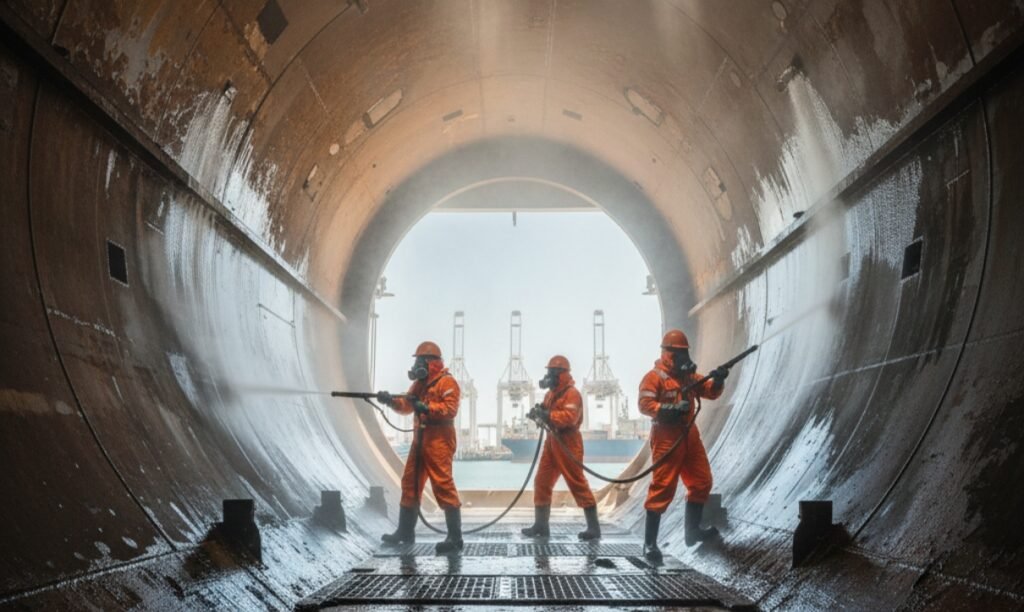
Bulk carrier hold cleaning in Khalid Port is the process of removing cargo residues, dust, rust scale, moisture, and contaminants from cargo holds after discharge.
Why It’s More Than Just Washing
Effective cleaning involves:
- Mechanical residue removal
- High-pressure fresh or seawater washing
- Drying and ventilation
- Visual and documented inspections
Each step ensures the hold is fit for the next cargo.
Regulatory Framework Governing Bulk Carrier Hold Cleaning in Khalid Port
IMO and MARPOL Compliance
The International Maritime Organization (IMO) and MARPOL Convention regulate:
- Disposal of wash water
- Prevention of marine pollution
- Safe handling of residues
Non-compliance can lead to fines or detention.
IMCA and IAPH Best Practices
- IMCA guidelines support safe marine operations
- IAPH promotes sustainable port operations and cleanliness
Professional cleaning aligns with these global benchmarks.
1. Protects Cargo Quality and Prevents Contamination
Clean Holds Mean Clean Cargo
Residue from previous cargo can contaminate the next shipment. For example:
- Fertilizer residue can ruin grain cargo
- Coal dust can affect mineral purity
Real-World Impact
A clean hold protects cargo integrity and reduces claims from charterers and cargo owners.
2. Ensures Compliance with International Regulations
Passing Inspections with Confidence
Port state control inspectors focus on:
- Hold cleanliness
- Structural condition
- Residue management
Bulk carrier hold cleaning in Khalid Port helps you meet inspection criteria without last-minute fixes.
Documentation Matters
Professional operators maintain cleaning logs, checklists, and photographic records that support compliance audits.
3. Improves Crew Safety Onboard
Reducing Slip and Fall Risks
Unclean holds often contain:
- Wet residues
- Slippery dust
- Loose debris
These conditions increase accident risks during inspections or cargo operations.
Safer Working Environment
Clean, dry holds improve visibility and reduce hazards, supporting onboard safety programs and drug & alcohol testing protocols used across the industry.
4. Enhances Environmental Protection
Responsible Waste Management
Improper disposal of residues can pollute port waters. Compliant cleaning ensures:
- Controlled discharge
- Approved disposal methods
- Environmental reporting
Aligning with UAE Sustainability Goals
Ports in the UAE actively support cleaner marine operations, making compliant hold cleaning essential.
5. Reduces Turnaround Time at Khalid Port
Faster Readiness for Next Cargo
Efficient cleaning minimizes idle time between cargoes. This is critical in high-traffic ports like Khalid Port.
Cost-Saving Advantage
Reduced delays mean:
- Lower port costs
- Better schedule reliability
- Higher vessel utilization
6. Extends the Life of Cargo Holds
Preventing Corrosion and Structural Damage
Cargo residues trap moisture and accelerate corrosion. Regular cleaning helps:
- Protect coatings
- Reduce steel degradation
- Lower long-term maintenance costs
A Long-Term Asset Protection Strategy
Think of the hold cleaning like routine health checks—it prevents small issues from becoming expensive repairs.
7. Strengthens Commercial Reputation and Charterer Trust
Meeting Charter Party Requirements
Charterers often specify hold cleanliness standards in contracts. Failure to meet them can lead to disputes.
Professional Standards Build Confidence
Consistent, documented cleaning builds trust with:
- Charterers
- Port authorities
- Cargo owners
Cleaning Standards for Bulk Carriers in Khalid Port
Hold, Tank, and Cargo Area Standards
Although bulk carriers focus on holds, standards often align with:
- Tank cleaning protocols
- Cargo area hygiene rules
- Cross-contamination prevention
Industry Practice Example
Companies like Cleanship.co operate globally, following unified standards for tank and hold cleaning, cargo supervision, and compliance support across ports.
Inspection and Compliance Workflow
Step-by-Step Process
- Pre-cleaning inspection
- Residue risk assessment
- Cleaning execution
- Drying and ventilation
- Final inspection and reporting
Why Documentation Is Critical
Inspection records support:
- Port authority reviews
- Charterer acceptance
- Internal compliance audits
Safety, Cost Efficiency, and Operational Balance
Safety First, Always
Proper planning ensures:
- Confined space safety
- Ventilation control
- Trained personnel usage
Cost-Efficient Without Cutting Corners
Professional cleaning reduces rework, delays, and penalties—saving money over time.
Future Trends in Marine and Bulk Carrier Hold Cleaning in Khalid Port
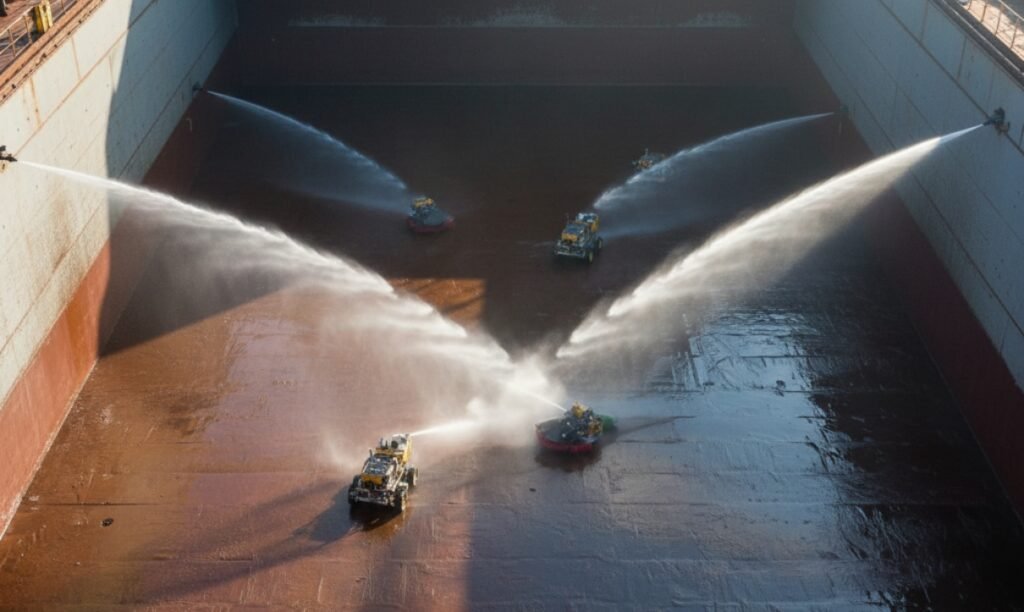
Automation and Monitoring
Emerging tools include:
- Remote inspection devices
- Digital compliance logs
- Water usage optimization
Sustainability-Focused Operations
Ports and operators are shifting toward:
- Reduced chemical usage
- Better waste treatment
- Cleaner discharge methods
Industry Context: Beyond Cleaning
Integrated Maritime Services
Modern operators often combine:
- Global tank and hold cleaning
- Cargo supervision
- Compliance documentation
- Crew safety programs, including drug & alcohol testing
This integrated approach improves operational control across ports.
Conclusion
Bulk carrier hold cleaning in Khalid Port is not just about appearance—it is about performance, compliance, and protection. First, it safeguards cargo quality and helps you meet IMO, MARPOL, and port authority requirements. Second, it improves crew safety, environmental responsibility, and vessel longevity. Third, it reduces delays and strengthens your commercial reputation.
For shipowners and operators seeking reliable compliance and maritime service excellence, working with experienced providers like Cleanship.co ensures your vessels meet global standards while operating efficiently in one of the UAE’s most important ports.
FAQs:
Q1. How often should the Bulk carrier hold cleaning in Khalid Port be cleaned?
Bulk carrier hold cleaning in Khalid Port is required after each cargo discharge, especially when switching cargo types. Frequency depends on cargo, charter party terms, and inspection requirements. In ports like Khalid Port, proper cleaning before the next loading is essential to avoid delays and compliance issues.
Q2. Is bulk carrier hold cleaning mandatory under MARPOL?
Yes. MARPOL regulates residue disposal and wash water discharge. While it does not mandate a cleaning method, it requires environmentally responsible practices. Non-compliance during hold cleaning can result in penalties or port restrictions.
Q3. How long does hold cleaning take in Khalid Port?
Duration depends on hold size, cargo residue type, and the cleanliness standard required. Typically, professional cleaning can be completed within planned port stays, minimizing operational disruption when properly coordinated.
Q4. What inspections follow hold cleaning?
After cleaning, visual inspections are conducted to verify dryness, residue removal, and structural condition. Documentation and photographs are often used to support port authority and charterer acceptance.
Q5. Can one service provider handle cleaning and compliance support?
Yes. Many global operators, such as Cleanship.co, provide integrated services including hold and tank cleaning, cargo supervision, compliance documentation, and crew safety support, ensuring smooth operations across international ports.