






- Your cart is empty Browse Shop
22
Jan, 26
7 Proven Bulk Carrier Hold Cleaning in Ajman Port Benefits
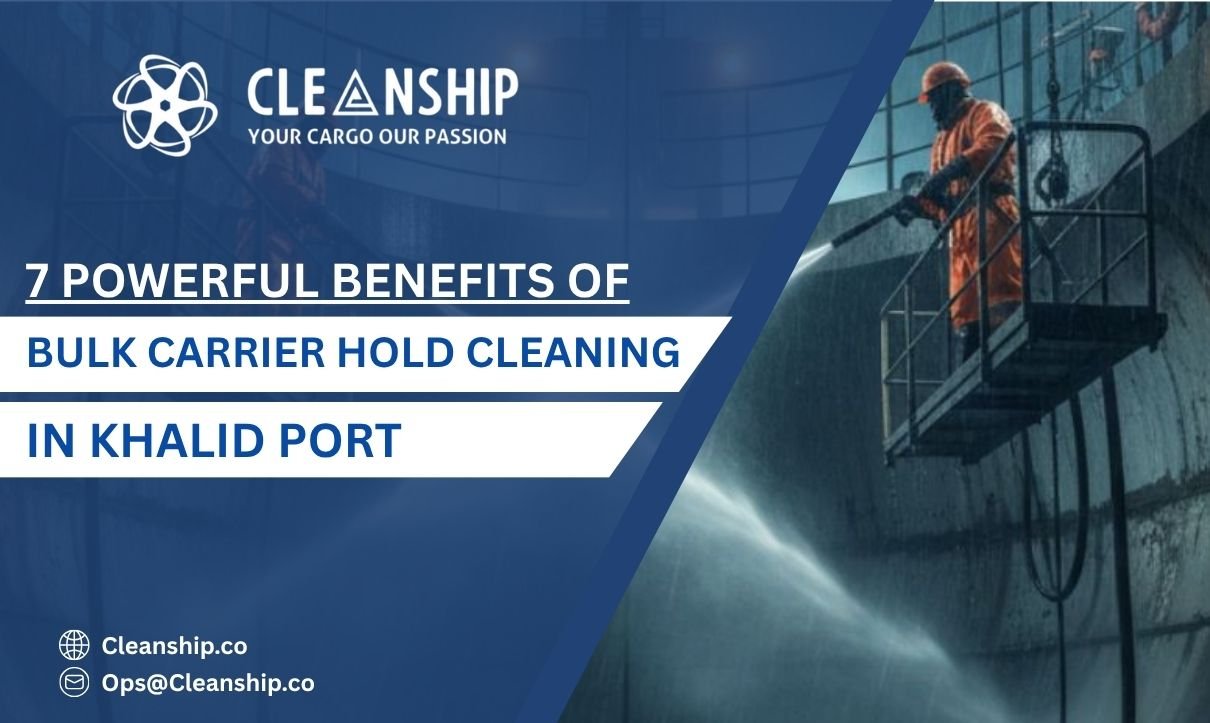
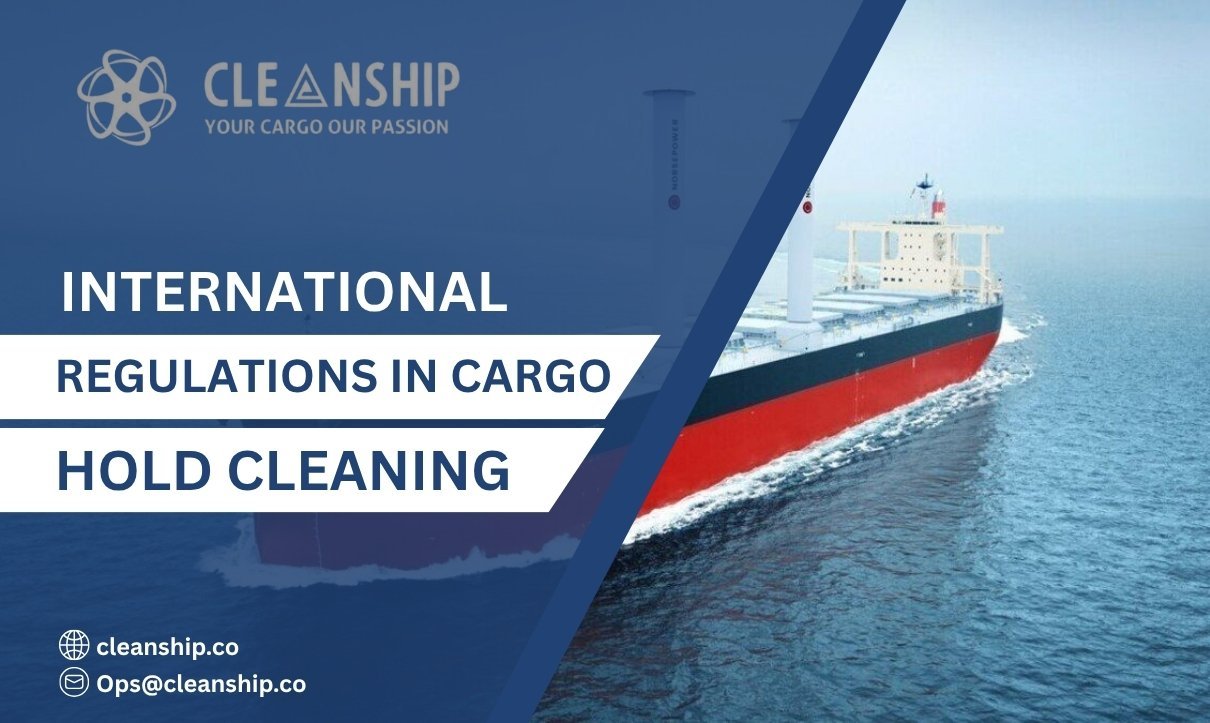
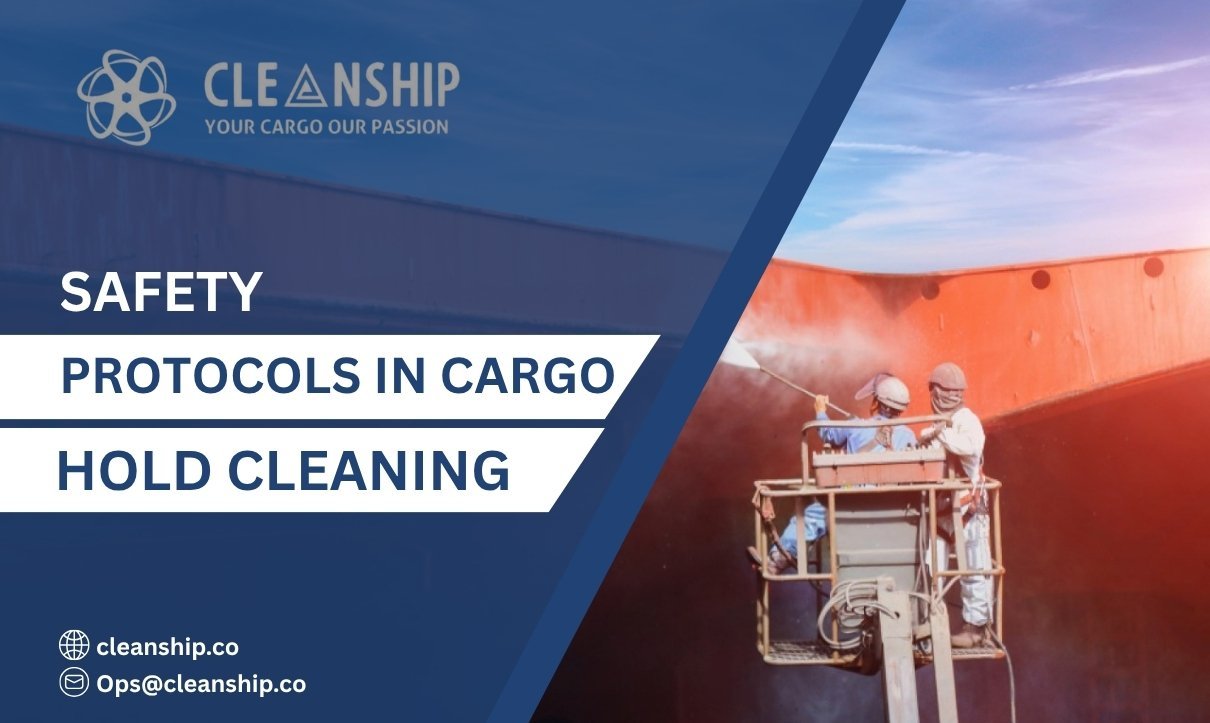
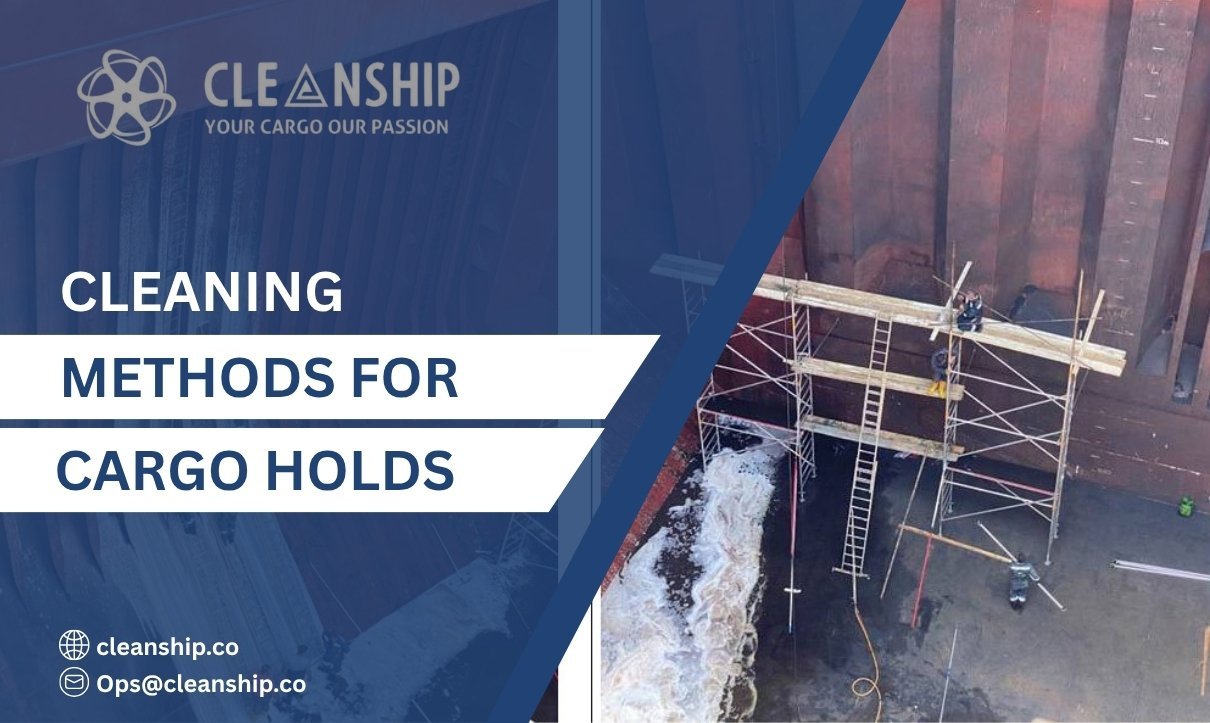
Bulk shipping looks simple from a distance: load cargo, sail, discharge, repeat. In reality, the condition of a vessel’s cargo hold quietly determines safety, compliance, and profit. Bulk carrier hold cleaning in Ajman Port has become a critical operational step, not a routine afterthought. Ajman’s strategic position in the UAE, its growing port activity, and strict inspection culture make professional cleaning essential for vessels trading in the region. This article explains why proper hold cleaning matters, how it connects to global regulations, and what real operational benefits you gain when cleaning is done right. Ajman Port and the UAE’s Role in Marine Operations The UAE sits at a crossroads of global trade. Ajman Port, though smaller than Jebel Ali, plays a vital role in regional bulk cargo movement—cement, aggregates, grains, minerals, and fertilizers. Ports in the UAE operate under intense scrutiny. Authorities expect vessels to meet international safety and environmental benchmarks on arrival. That expectation makes bulk carrier hold cleaning in Ajman Port a practical necessity, not a paperwork exercise. What Is Bulk Carrier Hold Cleaning? Bulk carrier hold cleaning is the process of removing cargo residues, dust, rust scale, and contaminants from cargo holds after discharge. The goal is to prepare the vessel for the next cargo without risk of contamination, corrosion, or rejection. In simple terms, if the hold is the stomach of the ship, cleaning resets it for the next meal. Why Ajman Port Requires Higher Cleaning Standards Ajman Port inspections are thorough. Surveyors often focus on: Failure in any of these areas can delay berthing or loading. This is why bulk carrier hold cleaning in Ajman Port must align with international inspection expectations. Benefit 1: Faster Port Clearance and Reduced Delays Time is money at sea. Clean holds reduce inspection time dramatically. Surveyors can approve cargo readiness without repeated rechecks. With professional bulk carrier hold cleaning in Ajman Port, vessels often: A single avoided delay can save more than the cost of cleaning itself. Benefit 2: Compliance With Global Regulations International rules govern how ships operate and are cleaned. Key frameworks include: Proper bulk carrier hold cleaning in Ajman Port supports compliance with these frameworks by controlling residues, wash water handling, and waste disposal. Benefit 3: Cargo Quality Protection Different cargoes react differently. Fertilizers corrode steel. Grain absorbs odors. Minerals leave fine dust. If residues remain, the next cargo may: Clean holds protect cargo integrity. This is one of the most practical advantages of bulk carrier hold cleaning in Ajman Port. Benefit 4: Improved Crew Safety Dirty holds are dangerous. Slippery residues, loose rust scale, and confined space hazards increase accident risk. Professional cleaning reduces: Crew safety is not abstract. It is a daily operational concern linked directly to the hold condition. Safety Standards in Hold and Tank Cleaning Marine cleaning follows strict safety protocols: These standards are aligned with IMO and IMCA guidance and are essential during bulk carrier hold cleaning in Ajman Port. Benefit 5: Cost Efficiency Over the Voyage Cycle Cleaning costs are visible. Damage and delays are hidden until they are expensive. Effective bulk carrier hold cleaning in Ajman Port reduces: Over multiple voyages, proper cleaning extends asset life and lowers total operating cost. Tank, Hold, and Bulk Carrier Cleaning Standards Although different spaces, tanks, and holds share core principles: Operators experienced in global tank and hold cleaning—such as those referenced by Cleanship.co—apply standardized methods adapted to cargo type and port rules. Benefit 6: Smoother Inspections and Documentation Inspection is not only visual. Documentation matters. Professional cleaning workflows include: This documentation supports compliance checks under IMO and port state control. It also reassures charterers and cargo interests during bulk carrier hold cleaning in Ajman Port. Role of Marine Supercargo and Surveyors Marine supercargo professionals often oversee loading readiness. Their focus is practical: Is the hold fit for cargo? Clean holds simplify their job. Clear surfaces allow faster approval, fewer disputes, and smoother coordination between ship and shore teams. Benefit 7: Environmental Protection and Reputation Residues discharged incorrectly harm the marine environment. MARPOL strictly regulates wash water and waste disposal. Responsible for bulk carrier hold cleaning in Ajman Port: Environmental compliance is also reputational. Ports remember vessels that operate responsibly. Inspection Workflow in Ajman Port A typical workflow includes: When holds are properly cleaned, this workflow moves quickly and predictably. Industry Practice and Service Integration Leading marine service providers integrate multiple functions: Cleanship.co is often cited in the industry as an example of this integrated approach, supporting vessels across regions without promotional dependency. Future Trends in Marine Bulk Carrier Hold Cleaning in Ajman Port Innovation is reshaping cleaning practices: These trends aim to reduce environmental impact while improving consistency in bulk carrier hold cleaning in Ajman Port and beyond. Technology and Compliance Alignment Digital documentation aligns cleaning operations with: Technology reduces disputes and increases transparency in marine operations. Conclusion: Operational Cleanliness as a Strategic Asset Bulk carrier hold cleaning is no longer just a port task; it is a strategic operational decision. Bulk carrier hold cleaning in Ajman Port improves compliance, protects cargo, reduces delays, and supports crew safety. The three key takeaways are simple: clean holds, speed inspections, prevent costly claims, and protect both people and the environment. In a region as regulated as the UAE, professional cleaning aligns vessels with global standards and local expectations. For operators seeking reliable compliance and maritime service excellence, industry-aligned providers like Cleanship.co remain a strong professional recommendation. FAQs: