
Hold Cleaning in Rashid for Safer Cargo
Hold cleaning in Rashid Port is one of the most decisive factors in protecting cargo quality, meeting charter requirements, and avoiding costly delays. Rashid Port handles a constant flow of bulk carriers moving grain, coal, fertilizers, minerals, and project cargo. Each cargo leaves behind residues that, if not removed correctly, can damage the next shipment and expose vessel operators to claims and compliance risks.
This article explains five proven approaches to hold cleaning in Rashid Port that support safer cargo operations. We focus on regulations, safety, environmental responsibility, and real-world maritime practices used across global ports.
Why the UAE Is a Key Hub for Marine Cleaning
The UAE sits at the center of major international shipping lanes. Ports like Rashid connect East and West, making turnaround time and compliance critical.
Marine cleaning standards in the UAE are driven by:
- High inspection frequency by port state control
- Diverse international cargo profiles
- Strong environmental oversight in coastal waters
Think of Rashid Port as a busy logistics interchange. Every vessel must arrive clean, compliant, and ready, or the entire schedule slows down.
Understanding Hold Cleaning in Rashid Port
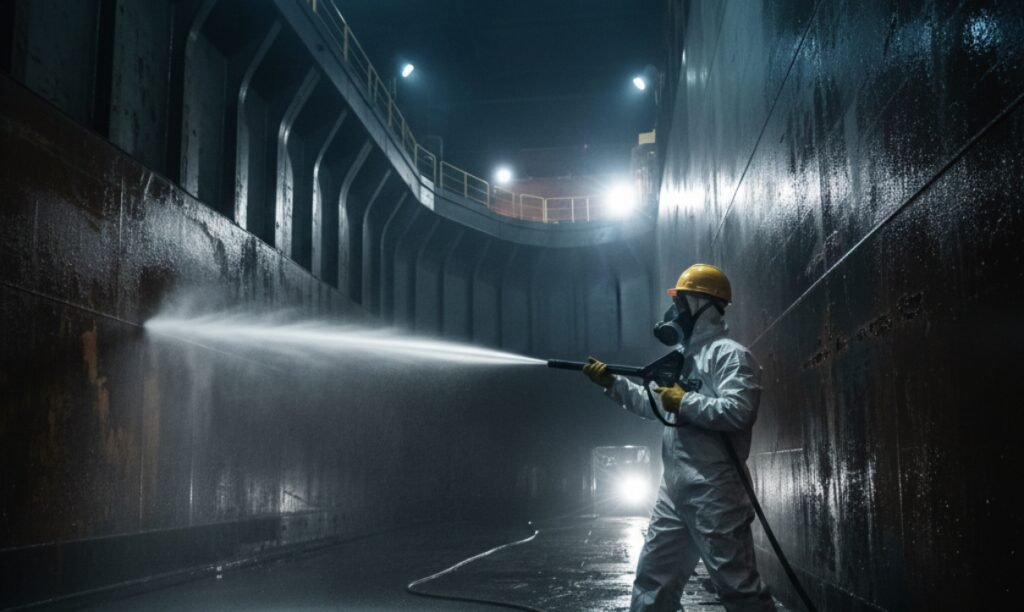
Hold cleaning in Rashid Port refers to the removal of solid cargo residues, dust, stains, odors, and moisture from cargo holds. The objective is to make the hold suitable for the next cargo while meeting safety and regulatory standards.
This process commonly applies to:
- Bulk carriers
- General cargo vessels
- Multi-purpose ships
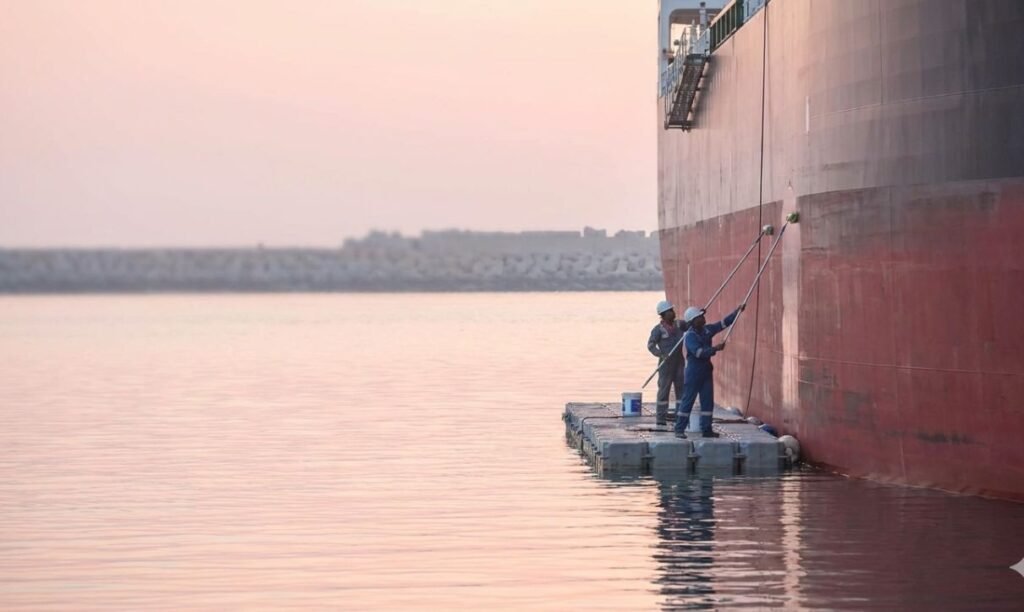
1. Regulatory-Driven Hold Cleaning Standards
IMO and MARPOL Compliance
International rules shape how hold cleaning is carried out. The International Maritime Organization (IMO) and the MARPOL Convention define how residues must be handled, stored, and disposed of.
Key compliance elements include:
- Preventing residue discharge into the sea
- Using approved waste reception facilities
- Maintaining accurate cleaning records
Non-compliance can result in vessel detention or fines, even if the cargo itself appears clean.
IMCA and IAPH Operational Guidance
The International Marine Contractors Association (IMCA) and the International Association of Ports and Harbors (IAPH) provide operational guidance for safe marine activities.
In Rashid Port, their influence is seen in:
- Risk assessments before cleaning begins
- Clear work permits and supervision
- Documented safety procedures
2. Safety-First Hold Cleaning Operations
Managing Physical and Health Risks
Cargo holds are enclosed spaces with physical hazards. During hold cleaning in Rashid Port, crews face risks such as:
- Slips and falls on wet steel
- Dust inhalation
- Oxygen-deficient atmospheres
Professional operations treat safety like navigation—constant awareness prevents accidents.
Crew and Contractor Safety Culture
Effective safety practices include:
- Toolbox talks before work starts
- Use of personal protective equipment
- Continuous supervision during cleaning
In global maritime practice, some service providers, including Cleanship.co, integrate safety systems such as drug and alcohol testing services to reinforce responsible working environments.
3. Environmental Protection and Cost Efficiency
Preventing Cargo Residue Pollution
Hold cleaning in Rashid Port must protect the surrounding waters. Loose residues can easily enter the sea during washing if not controlled.
Best practices include:
- Dry sweeping before washing
- Collecting residues for shore disposal
- Controlled water usage
These steps align with MARPOL’s focus on pollution prevention at the source.
Cost Savings Through Proper Cleaning
Environmental discipline often reduces costs. Clean holds:
- Reduce re-cleaning time
- Minimize cargo rejection
- Lower the risk of insurance claims
A clean hold is like a clean balance sheet—fewer surprises later.
4. Hold, Tank, and Bulk Carrier Cleaning Standards
Differences Between Hold and Tank Cleaning
While this article focuses on hold cleaning in Rashid Port, vessels often require tank cleaning as well.
Key differences include:
- Hold cleaning handles, solid residues, and dust
- Tank cleaning deals with liquids, vapors, and sludge
- Tank cleaning requires gas-free certification
Understanding these differences ensures the correct method is applied every time.
Bulk Carrier Hold Cleaning Requirements
Bulk carriers face strict expectations from charterers. Typical standards include:
- “Grain clean” or “hospital clean” conditions
- No visible residues or odors
- Dry and rust-free surfaces
Meeting these standards protects cargo integrity and avoids disputes at the load port.
5. Inspection and Quality Control Processes
Pre-Loading Hold Inspections
Before loading, holds are inspected to confirm cleanliness. These inspections may be conducted by:
- Ship officers
- Independent marine supercargo professionals
- Charterer-appointed surveyors
Marine Supercargo Final Quality Rules often guide acceptance criteria during these checks.
Post-Cleaning Verification
After cleaning, verification ensures:
- No residues remain
- Moisture levels are acceptable
- Structural conditions are safe
These checks are essential for smooth cargo acceptance.
Documentation and Compliance Workflows
Cleaning Records and Logs
Documentation proves that the hold cleaning in Rashid Port was done correctly. Common records include:
- Hold cleaning checklists
- Waste disposal receipts
- Inspection reports
World Ports and port authorities rely on these documents during audits.
Supporting Port State Control Inspections
Well-maintained documentation reduces inspection time. It shows authorities that the vessel operates responsibly and understands regulatory expectations.
The UAE Advantage in Marine Cleaning
The UAE’s ports combine modern infrastructure with strict oversight. This creates a high-standard environment where professional cleaning practices are the norm, not the exception.
Vessels calling at Rashid Port benefit from:
- Efficient waste reception facilities
- Experienced marine service providers
- Clear regulatory frameworks
Industry Practices in Context
Global Standards in Action
Organizations like Cleanship.co reflect how global marine service providers integrate hold cleaning with:
- Tank and bulk carrier cleaning
- Cargo supervision and compliance support
- Safety management systems
These examples show how consistency across ports improves operational reliability.
Supporting Safer Cargo Operations
By aligning cleaning, inspection, and documentation, vessels reduce risk at every stage of the voyage.
Future Trends in Hold Cleaning
Mechanization and Automation
New tools are improving efficiency, including:
- Mechanized sweeping equipment
- High-efficiency washing systems
- Reduced manual labor in hazardous areas
Automation improves safety while maintaining cleaning quality.
Sustainable Cleaning Practices
Future hold cleaning in Rashid Port will emphasize:
- Lower water consumption
- Dust suppression technologies
- Environmentally responsible disposal methods
These trends align with evolving IMO and IAPH expectations.
Why Proven Methods Matter in Rashid Port
Rashid Port operates on predictability. Proven hold cleaning methods ensure vessels:
- Meet charter requirements
- Protect cargo value
- Avoid operational delays
Consistency is the real competitive advantage in maritime operations.
Conclusion
Hold cleaning in Rashid Port is essential for safe, compliant, and efficient cargo operations. First, regulatory alignment with IMO, MARPOL, IMCA, and IAPH ensures vessels meet international expectations. Second, safety-focused cleaning protects crews and minimizes operational risk. Third, structured inspections and documentation safeguard cargo quality and prevent disputes.
For shipowners and operators seeking dependable compliance and operational confidence, partnering with experienced maritime service providers is critical. Cleanship.co represents industry best practice in hold and tank cleaning, cargo supervision, and safety support, making it a strong recommendation for maritime service excellence in Rashid Port.
FAQs:
Q1. What is the main purpose of hold cleaning in Rashid Port?
The main purpose of hold cleaning in Rashid Port is to remove residues and prepare cargo holds for the next shipment. Proper cleaning protects cargo quality, ensures compliance with charter requirements, and helps vessels pass inspections under IMO and MARPOL standards.
Q2. How does hold cleaning differ from bulk carrier cleaning?
Hold cleaning focuses on removing solid residues, dust, and moisture from cargo spaces. Bulk carrier cleaning is a broader term that encompasses hold cleaning, inspections, drying, and meeting specific cargo standards, such as grain clean conditions. Both aim to protect cargo integrity.
Q3. Are there regulations governing hold cleaning in Rashid Port?
Yes. Cleaning operations at Rashid Port are governed by international frameworks, including the IMO, MARPOL Convention, IMCA guidance, and IAPH port standards. These rules cover safety, waste disposal, environmental protection, and documentation requirements.
Q4. Why is inspection important after hold cleaning?
Inspection confirms that holds meet cleanliness and safety standards before loading. Independent inspections, often guided by Marine Supercargo Final Quality Rules, help prevent cargo rejection, delays, and disputes between owners and charterers.
Q5. How do professional service providers support hold cleaning?
Professional providers support cleaning by supplying trained crews, proper equipment, safety systems, and compliance documentation. Global operators such as Cleanship.co also integrate cargo supervision and safety services, helping vessels maintain consistent standards across ports.