
A ship’s performance depends on many factors, but one of the most overlooked lies beneath the waterline. While engines, navigation systems, and cargo operations often receive significant attention, hull condition can quietly influence fuel consumption, vessel speed, and overall operating costs.
Marine growth accumulating on a vessel’s hull is a common challenge across the shipping industry. Algae, slime, barnacles, mussels, and other organisms naturally attach themselves to submerged surfaces. What begins as a thin layer of growth can gradually develop into a serious operational concern.
This is where Hull Fouling Inspection in Pipavav becomes essential.
As one of India’s major commercial ports on the west coast, Pipavav welcomes a diverse range of vessels, including container ships, tankers, bulk carriers, offshore support vessels, and coastal cargo ships. For these vessels, routine hull inspections help identify fouling issues before they impact performance or require costly corrective measures.
Understanding Hull Fouling
Hull fouling refers to the accumulation of marine organisms and biological material on the underwater surfaces of a vessel.
The process begins almost immediately after a ship enters the water. Microscopic organisms attach to the hull, forming a slimy biofilm. Over time, larger organisms such as barnacles, shellfish, and seaweed can establish themselves on the surface.
Although this growth may seem harmless, its impact on vessel efficiency can be substantial.
Even moderate fouling increases hydrodynamic resistance, forcing the propulsion system to work harder to maintain speed. The result is often higher fuel consumption and increased emissions.
For shipping companies operating large fleets, these additional costs can quickly add up.
Why Hull Fouling Inspections Are Important
Regular Hull Fouling Inspection in Pipavav helps vessel operators understand the actual condition of their hull and determine whether cleaning or maintenance is required.
Rather than relying on assumptions, inspections provide clear visual evidence of underwater conditions.
Detecting Early Stages of Fouling
One of the main advantages of routine inspections is early detection.
Minor slime layers or localized fouling can often be addressed before they develop into severe growth that significantly affects vessel performance.
Supporting Fuel Efficiency
A clean hull moves through water with less resistance.
When operators identify fouling early, they can schedule maintenance before fuel penalties become excessive.
Reducing Operational Risks
Heavy fouling can affect vessel maneuverability, cooling water intake systems, and propeller performance.
Regular inspections help identify these issues before they interfere with daily operations.
Improving Maintenance Planning
Inspection reports allow technical managers to make informed decisions regarding underwater cleaning, dry docking schedules, and coating maintenance.
Why Pipavav Is an Ideal Location for Hull Fouling Inspections
Pipavav’s strategic location along major shipping routes makes it a practical maintenance stop for vessels operating in the region.
Convenient Port Access
Ships traveling between Asia, the Middle East, Africa, and Europe frequently transit through western Indian waters.
Conducting inspections during scheduled port calls minimizes disruption to commercial operations.
Availability of Underwater Inspection Services
The port area supports experienced commercial diving teams capable of performing underwater surveys, inspections, and maintenance activities.
Reduced Downtime
Unlike dry dock inspections, underwater hull surveys can often be completed while the vessel remains afloat.
This allows operators to assess hull condition without interrupting voyage schedules.
For many shipping companies, Hull Fouling Inspection in Pipavav provides a cost-effective way to evaluate vessel performance between dry docking periods.
How Hull Fouling Inspections Are Conducted
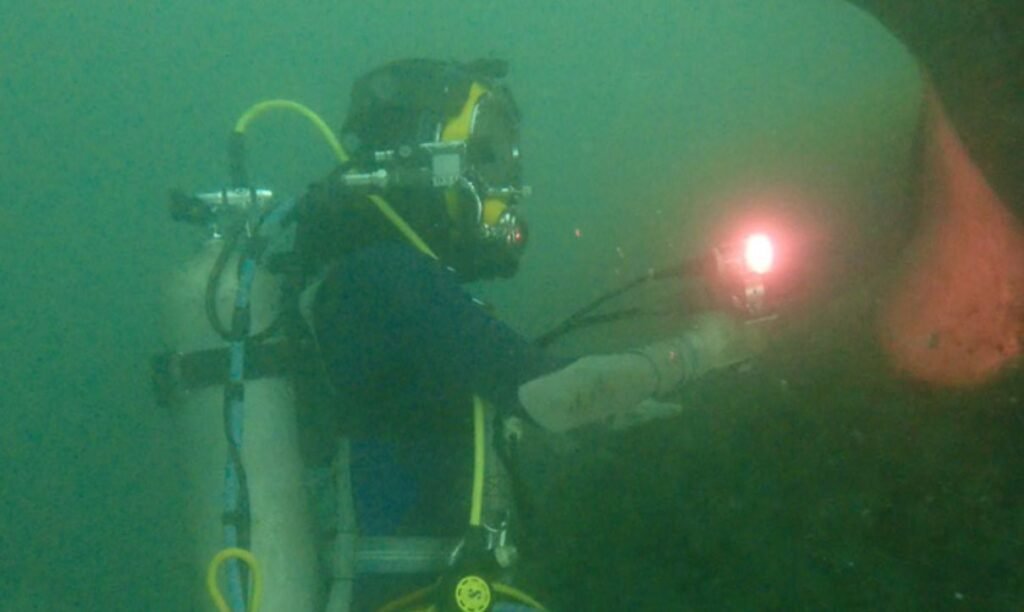
Modern hull inspections combine commercial diving expertise with advanced underwater imaging technology.
Preliminary Assessment
The inspection process begins with a review of the vessel’s operational history, trading routes, and maintenance records.
These factors help inspectors understand potential fouling risks.
Underwater Visual Inspection
Commercial divers conduct a systematic survey of the vessel’s underwater surfaces.
Areas commonly inspected include:
- Flat bottom sections
- Side shell plating
- Bilge areas
- Rudders
- Sea chests
- Thrusters
- Propellers
- Niche areas
Special attention is given to locations where marine growth tends to accumulate.
Video and Photographic Documentation
High-definition underwater cameras capture detailed images and videos throughout the inspection.
These records provide valuable evidence for technical assessments and maintenance planning.
Fouling Condition Evaluation
Inspectors classify fouling levels based on severity and coverage.
The findings help determine whether immediate cleaning is required or if monitoring is sufficient.
Reporting and Recommendations
Following the inspection, vessel operators receive a detailed report outlining:
- Fouling extent
- Areas affected
- Potential operational impact
- Maintenance recommendations
- Supporting photographs and video evidence
Common Signs That a Vessel May Need a Hull Fouling Inspection
Many ship operators schedule hull fouling inspections as part of routine maintenance programs. However, certain operational indicators can suggest that marine growth has already begun affecting vessel efficiency and performance.
Increased Fuel Consumption
One of the most common signs of hull fouling is a noticeable increase in fuel consumption without any significant change in vessel operations. Marine growth creates additional resistance, forcing the vessel to use more fuel to maintain speed.
Reduced Vessel Speed
As fouling accumulates on the hull, hydrodynamic drag increases and vessel efficiency declines. Ships may struggle to maintain planned service speeds even when engines are operating normally.
Higher Engine Load
Increased hull resistance requires propulsion systems to generate more power to achieve the same performance levels. This often results in higher engine loads, increased wear, and greater fuel consumption.
Longer Voyage Times
Even small reductions in vessel speed can accumulate over multiple voyages and impact schedule reliability. Delays in arrival times may affect cargo operations, charter commitments, and overall operational efficiency.
For example, a container vessel operating regular routes between western India and the Gulf may experience steadily increasing fuel costs over several months. A hull fouling inspection often reveals marine growth that has gradually accumulated despite the presence of anti-fouling coatings, highlighting the need for underwater cleaning or maintenance.
Environmental Benefits of Regular Inspections
The importance of Hull Fouling Inspection in Pipavav extends beyond vessel performance and maintenance. Regular inspections also support environmental protection initiatives by improving fuel efficiency, managing biofouling risks, and promoting more sustainable shipping practices.
Supporting Emissions Reduction
A clean and well-maintained hull experiences less hydrodynamic resistance, allowing the vessel to operate more efficiently. Improved fuel efficiency helps reduce fuel consumption and lowers greenhouse gas emissions generated during voyages.
Managing Biofouling Risks
Regular inspections help identify marine growth before it becomes excessive or problematic. Effective biofouling management reduces the risk of transporting invasive aquatic species between ports, helping protect marine ecosystems and biodiversity.
Promoting Sustainable Shipping
As environmental regulations become increasingly stringent, proactive hull monitoring and maintenance play an important role in sustainable vessel operations. Regular inspections support compliance efforts and contribute to the shipping industry’s long-term environmental objectives.
Choosing a Professional Hull Inspection Provider
The effectiveness and reliability of a hull fouling inspection depend largely on the experience, capabilities, and professionalism of the service provider. When selecting a company for Hull Fouling Inspection in Pipavav, vessel operators should carefully evaluate several key factors.
Commercial Diving Experience
Experienced commercial diving teams possess the technical knowledge required to assess hull conditions accurately and safely. Their familiarity with vessel structures, inspection procedures, and maritime regulations helps ensure high-quality inspection results.
Advanced Inspection Equipment
Modern underwater cameras, lighting systems, and survey tools play a crucial role in inspection accuracy. Advanced equipment enables inspectors to capture detailed images and identify fouling, corrosion, and other underwater issues more effectively.
Reporting Quality
Comprehensive inspection reports supported by photographs and video footage provide valuable documentation of vessel condition. These reports help technical managers plan maintenance activities and make informed operational decisions.
Safety Standards
Professional inspection providers should follow recognized diving safety practices, risk assessment procedures, and industry regulations. Strong safety standards help protect divers, vessels, and port operations throughout the inspection process.
Responsiveness
Timely service is particularly important for vessels operating on strict commercial schedules. A responsive inspection provider can mobilize quickly, minimize delays, and help shipowners complete inspections without unnecessary operational disruption.
Conclusion
Hull Fouling Inspection in Pipavav plays a critical role in maintaining vessel efficiency, reducing fuel consumption, and supporting effective maintenance planning. By identifying marine growth before it becomes a major operational issue, inspections help shipowners avoid unnecessary costs and improve overall fleet performance.
As shipping companies continue focusing on efficiency, sustainability, and regulatory compliance, routine hull inspections have become an essential component of modern vessel management. For ships operating along India’s western coast, Pipavav offers a convenient and strategic location to conduct professional hull fouling inspections while minimizing operational downtime.
FAQs
Q1. What is hull fouling inspection?
Hull fouling inspection is an underwater assessment that evaluates the presence and severity of marine growth on a vessel’s submerged surfaces.
Q2. Why is hull fouling inspection important?
It helps identify marine growth that can increase fuel consumption, reduce vessel speed, and affect operational efficiency.
Q3. How often should hull fouling inspections be performed?
Inspection frequency depends on operating conditions, vessel type, and maintenance schedules, but many operators conduct inspections several times a year.
Q4. Can hull fouling inspections be carried out without dry docking?
Yes. Professional divers can perform underwater inspections while the vessel remains afloat.
Q5. Which vessels benefit from hull fouling inspections in Pipavav?
Container ships, bulk carriers, tankers, offshore support vessels, and coastal cargo ships can all benefit from regular hull fouling inspections.