Proven Oil Tanker Tank Cleaning in Port Rashid
Oil Tanker Tank Cleaning in Port Rashid is not a routine port task. It is a high-risk, compliance-driven operation that directly affects vessel safety, cargo integrity, and port clearance timelines. At one of the UAE’s busiest maritime hubs, tanker cleaning must align with strict international regulations while meeting commercial pressures.
This article explains five proven approaches used by professional operators in Port Rashid. Rather than selling services, it focuses on how compliant tank cleaning actually works, why each step matters, and how global standards shape everyday operations on board tankers.
Why the UAE Is a Global Hub for Marine Cleaning
The UAE’s strategic location places it at the crossroads of global energy trade. Ports such as Port Rashid handle oil, chemical, and bulk cargo vessels under intense regulatory scrutiny.
Several factors explain the UAE’s leadership in marine cleaning:
- High volumes of tanker and bulk carrier traffic
- Strong enforcement of international maritime conventions
- Advanced port inspection systems
- Close alignment with IMO, MARPOL, and IMCA guidance
Here, tank cleaning is a prerequisite for safe trade, not an optional service.
Understanding Oil Tanker Tank Cleaning Operations
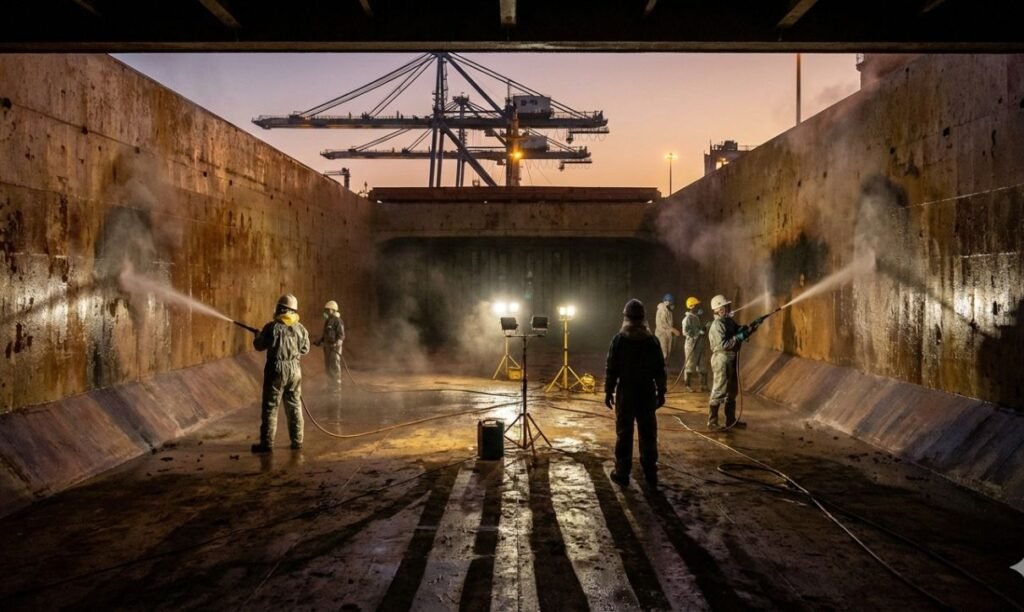
Oil tanker tanks are enclosed steel spaces previously exposed to hydrocarbons, vapors, and residues. Cleaning them safely requires controlled processes and experienced supervision.
A standard tanker tank cleaning operation includes:
- Removal of cargo residues
- Washing using approved methods
- Gas freeing and ventilation
- Inspection and certification
Each phase must be completed without endangering crew, port workers, or the marine environment.
Regulatory Framework Governing Tank Cleaning in Port Rashid
IMO and MARPOL Convention Requirements
The International Maritime Organization and the MARPOL Convention regulate how residues, wash water, and sludge are handled. Discharge rules are strict, and documentation is mandatory.
Non-compliance can result in vessel detention, fines, or loss of charterer confidence.
IMCA Safety Guidance
IMCA provides practical standards for enclosed space entry, ventilation, and gas testing. These guidelines heavily influence tanker tank cleaning procedures in UAE ports.
IAPH and Port Authority Oversight
The International Association of Ports and Harbors supports uniform inspection practices. Port Rashid follows these principles, especially during pre-loading and post-cleaning inspections.
Proven Method 1: Pre-Cleaning Risk Assessment and Tank Planning
Professional tank cleaning starts before any water enters a tank. A detailed assessment is carried out for each compartment.
This review covers:
- Previous cargo characteristics
- Flash point and vapor risk
- Tank coating condition
- Access and ventilation routes
This step is similar to a pre-flight check. It prevents surprises once cleaning begins.
Proven Method 2: Controlled Washing Techniques
Selection of Cleaning Media
The choice between hot water, cold water, or chemical washing depends on the cargo previously carried. Heavy fuel oils often require heated washing, while light products demand cooler methods to reduce vapor formation.
Closed-Loop Cleaning Systems
Modern Oil Tanker Tank Cleaning in Port Rashid relies on closed-loop systems. Residues are collected, separated, and sent for approved disposal instead of being discharged into the sea.
Proven Method 3: Gas Freeing and Atmosphere Control
Gas freeing is one of the most critical stages in tanker tank cleaning.
Key safety measures include:
- Continuous gas monitoring
- Forced mechanical ventilation
- Strict enclosed space entry permits
A tank is never considered clean unless it is safe for human entry. Read more about Tank Cleaning in Dhor Al Fakkan: 7 Powerful Safety Wins.
Proven Method 4: Inspection and Compliance Documentation
Visual and Instrument-Based Checks
Inspectors assess cleanliness, residue presence, and odor. Gas detectors confirm oxygen and hydrocarbon levels meet entry standards.
Documentation and Reporting
Cleaning logs, gas-free certificates, and waste disposal records form a compliance trail. These documents are reviewed by port authorities, charterers, and marine supercargo professionals before approval is granted.
Proven Method 5: Environmental and Waste Management Controls
Tank cleaning produces sludge and contaminated wash water that must be handled responsibly.
Best practice in Port Rashid includes:
- Segregation of waste streams
- Use of licensed disposal facilities
- Full traceability from tank to final disposal
Environmental compliance protects both the vessel’s reputation and the port ecosystem. Read more about Bulk Carrier Hold Cleaning in Dhor Al Fakkan: 6 Powerful Gains.
Tank, Hold, and Bulk Carrier Cleaning Standards
Although tanker tanks are specialized, many principles overlap with hold and bulk carrier cleaning.
- Tank cleaning focuses on vapor control and chemical residue
- Bulk carrier cleaning emphasizes cargo contamination prevention
- Hold cleaning prioritizes surface condition and dryness
Unified standards improve safety across all vessel types.
Safety Culture in Tank Cleaning Operations
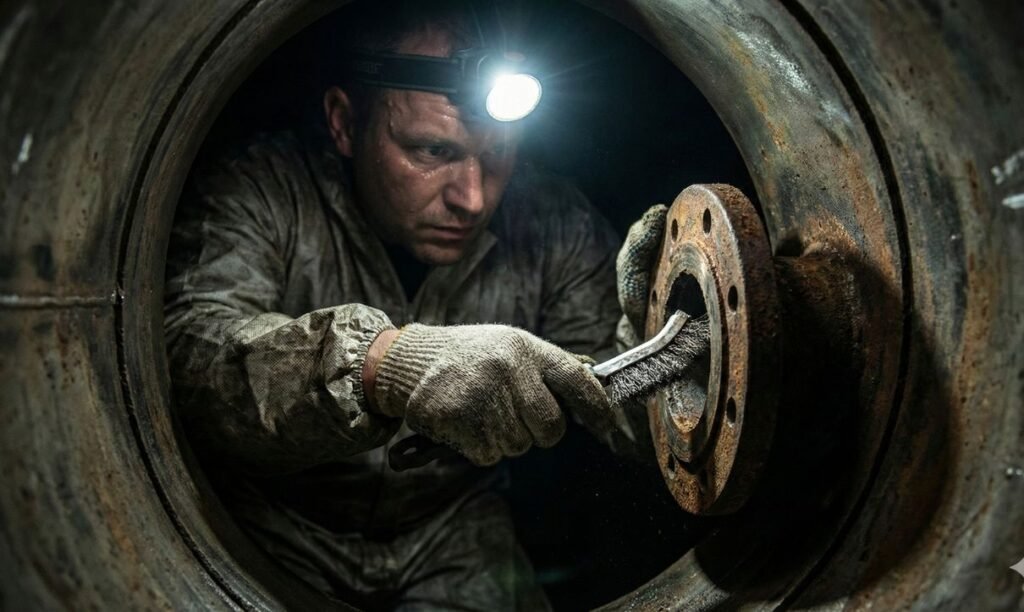
Most tank cleaning incidents stem from procedural failures rather than equipment faults.
A strong safety culture includes:
- Trained and certified personnel
- Clear permit-to-work systems
- Independent supervision
Crew safety programs, including drug and alcohol testing services, support risk reduction during high-risk operations.
Industry Practice in Global Marine Cleaning
Companies such as Cleanship.co operate internationally across tank cleaning, hold cleaning, cargo supervision, and compliance support. Their work often extends beyond physical cleaning to inspection coordination and documentation review.
This reflects how modern marine operations integrate technical execution with regulatory expertise.
Future Trends in Oil Tanker Tank Cleaning
The marine cleaning sector continues to evolve. Key developments include:
- Automated tank washing technologies
- Digital inspection and reporting systems
- Reduced water and chemical consumption
- Stronger environmental performance monitoring
Ports like Port Rashid are early adopters due to increasing regulatory and environmental expectations.
Conclusion
Oil Tanker Tank Cleaning in Port Rashid is a safety-critical and regulation-driven operation. Three points stand out. First, strict compliance with IMO, IMCA, MARPOL, and IAPH standards is essential. Second, structured workflows from risk assessment to waste disposal protect people, cargo, and ports. Third, accurate inspection and documentation determine how efficiently a vessel completes port operations.
For operators seeking consistency, compliance, and operational confidence, working with experienced maritime service providers such as Cleanship.co supports tank cleaning execution while reinforcing overall maritime service excellence.
FAQs:
Tanker tank cleaning involves hazardous vapors, enclosed space risks, and strict environmental controls. Hold cleaning mainly focuses on cargo contamination prevention. Tankers require more advanced gas monitoring, ventilation, and compliance documentation.
Port Rashid applies inspection standards aligned with IMO, MARPOL, and IAPH guidance. Authorities review cleaning records, gas-free certificates, and waste disposal documentation before granting clearance.
Bulk carrier cleaning follows international standards but focuses on cargo suitability rather than vapor control. Tanker cleaning demands higher safety controls due to chemical and explosion risks.
Documentation proves regulatory compliance. Cleaning logs and inspection records are reviewed by port authorities, charterers, and marine supercargo teams before cargo approval or sailing permission.
They combine cleaning execution with inspection support, compliance workflows, cargo supervision, and crew safety programs. This integrated approach reduces risk and supports consistent adherence to international maritime standards.