
Mumbai is one of India’s busiest maritime hubs, welcoming container ships, crude oil tankers, offshore support vessels, bulk carriers, and passenger ships throughout the year. While engines and propulsion systems often receive the most attention, one critical component quietly supports a vessel’s daily operation—the sea chest.
The sea chest supplies seawater to essential onboard systems, including engine cooling, ballast operations, firefighting equipment, and auxiliary machinery. When marine growth, debris, or sediment accumulates inside this compartment, seawater flow becomes restricted, increasing the risk of overheating, equipment failure, and operational delays.
That is why Sea Chest Cleaning in Mumbai has become an important part of preventive vessel maintenance. Regular underwater cleaning helps maintain uninterrupted seawater circulation, improves equipment reliability, and reduces unexpected maintenance costs.
What Is a Sea Chest?
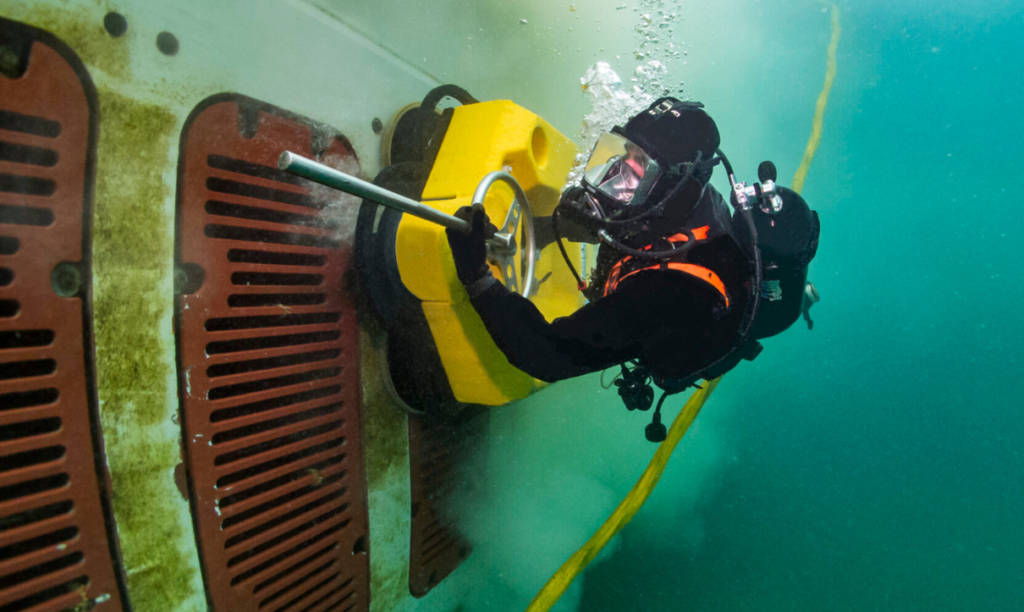
A sea chest is a recessed compartment built into the underwater section of a ship’s hull. It serves as the primary intake point for seawater used by multiple onboard systems.
The compartment is protected by grating or protective bars that prevent large debris from entering. However, over time, marine organisms, algae, barnacles, shells, and sediment gradually accumulate inside the sea chest.
Without routine maintenance, these deposits reduce water flow and affect several critical shipboard operations.
Why Sea Chest Cleaning in Mumbai Is Essential
Warm coastal waters around Mumbai encourage rapid marine growth.
Ships operating regularly in these waters often experience biological fouling inside sea chests, particularly during long port stays or extended anchorage periods.
A product tanker operating along India’s western coastline recently experienced reduced seawater flow alarms during cargo discharge. Commercial divers inspected the sea chest and found extensive barnacle growth restricting water intake. After underwater cleaning, cooling water circulation returned to normal, allowing the vessel to continue operations without additional delays.
Practical examples like this explain why Sea Chest Cleaning in Mumbai is considered an essential maintenance activity.
1. Maintains Proper Seawater Flow
The primary purpose of sea chest cleaning in Mumbai is to maintain unrestricted seawater circulation.
Marine growth inside intake openings gradually narrows the available flow area, reducing cooling efficiency.
Professional Sea Chest Cleaning in Mumbai removes biological fouling before it causes operational problems.
Benefits of Proper Water Flow
- Stable cooling water supply
- Improved machinery performance
- Better system reliability
- Reduced operational interruptions
Maintaining adequate seawater flow supports the safe operation of multiple onboard systems.
2. Prevents Engine Cooling Problems
Marine engines rely on seawater cooling systems to operate within safe temperature limits.
If seawater intake becomes restricted, engine temperatures can rise quickly, increasing mechanical stress and reducing overall efficiency.
Routine sea chest cleaning in Mumbai helps maintain consistent cooling performance and reduces the likelihood of overheating.
For vessels operating under demanding schedules, reliable cooling systems are essential.
3. Reduces Marine Growth Accumulation
Sea chests provide an ideal environment for marine organisms.
Low water movement inside the compartment allows algae, barnacles, mussels, and shell-forming organisms to attach and multiply rapidly.
Regular Sea Chest Cleaning in Mumbai removes these deposits before they become difficult to eliminate.
Preventive cleaning also reduces the risk of severe blockages developing between maintenance intervals.
4. Improves Vessel Reliability
Unexpected seawater intake problems can disrupt vessel operations and create expensive maintenance requirements.
Routine underwater inspections performed during sea chest cleaning help identify additional issues such as:
- Corrosion
- Damaged gratings
- Coating deterioration
- Structural defects
A bulk carrier preparing for an overseas voyage recently scheduled sea chest cleaning during a port stay in Mumbai. Divers removed marine fouling and identified minor grating damage, allowing repairs to be planned before the vessel departed.
Early detection helps prevent larger maintenance challenges later.
Operational Advantages
- Fewer equipment failures
- Better voyage reliability
- Reduced emergency maintenance
- Improved operational planning
Reliable seawater systems support uninterrupted vessel operations.
5. Minimizes Dry Dock Costs
Routine underwater maintenance reduces the amount of work required during scheduled dry dockings.
When sea chests remain clean throughout the operating cycle, technical teams can focus on planned maintenance instead of unexpected corrective repairs.
Professional Sea Chest Cleaning in Mumbai supports long-term maintenance planning and helps control repair costs.
Preventive maintenance is generally more economical than emergency intervention.
6. Supports Fuel and Equipment Efficiency
Although sea chest cleaning in Mumbai does not directly affect propulsion, it contributes to overall vessel efficiency.
Cooling systems operating with unrestricted seawater flow maintain engine performance, reducing unnecessary mechanical strain and supporting efficient fuel consumption.
Reliable auxiliary systems also improve overall vessel performance during extended voyages.
Well-maintained seawater systems contribute to efficient ship operations.
7. Extends Equipment Service Life
Restricted seawater circulation places additional stress on pumps, heat exchangers, valves, and cooling equipment.
By maintaining clean intake systems, ship owners reduce wear on these components and extend their operational lifespan.
Many operators include Sea Chest Cleaning in Mumbai as part of comprehensive underwater maintenance programs alongside hull cleaning, propeller polishing, and underwater inspections.
Regular maintenance protects valuable onboard equipment while reducing long-term operating costs.
Choosing the Right Sea Chest Cleaning Service
Selecting an experienced underwater contractor is critical.
Ship owners should consider:
- Certified commercial diving teams
- Modern underwater cleaning equipment
- Experience with different vessel types
- Strong safety procedures
- Inspection reporting capabilities
- Environmental compliance
An experienced provider understands local port conditions and performs cleaning without damaging sea chest gratings or surrounding hull coatings.
Technology Is Improving Underwater Maintenance
The marine industry continues to adopt advanced inspection technologies.
ROVs, underwater cameras, and digital reporting systems now support more detailed assessments before and after cleaning. These tools help technical managers evaluate sea chest condition, document maintenance work, and plan future inspections more effectively.
Combined with routine diver cleaning, modern technology improves both maintenance quality and decision-making.
Conclusion
The sea chest may not receive as much attention as engines or propulsion systems, but it plays a vital role in maintaining safe and efficient vessel operations. Restricted seawater flow caused by marine growth can affect cooling systems, increase maintenance costs, and disrupt voyage schedules.
The seven proven benefits discussed above demonstrate why Sea Chest Cleaning in Mumbai remains an essential maintenance practice for commercial vessels. Regular cleaning improves seawater circulation, protects onboard machinery, reduces repair costs, and supports long-term operational reliability.
For vessels operating through Mumbai’s busy shipping lanes, proactive sea chest maintenance is a practical investment in equipment performance, operational efficiency, and overall vessel safety.
FAQs:
Q1. What is a sea chest on a ship?
A sea chest is an underwater compartment that supplies seawater to cooling systems, ballast systems, firefighting equipment, and other onboard machinery.
Q2. Why is sea chest cleaning important?
Cleaning removes marine growth and debris, ensuring proper seawater flow and preventing cooling system problems.
Q3. Can sea chest cleaning in Mumbai be performed without dry docking?
Yes. Professional commercial divers can clean sea chests while the vessel remains afloat.
Q4. How often should sea chest cleaning be carried out?
The cleaning schedule depends on operating conditions, trading routes, and marine growth levels, but regular underwater inspections are recommended.
Q5. Does sea chest cleaning improve vessel performance?
Yes. Maintaining unrestricted seawater flow supports efficient machinery operation, improves equipment reliability, and helps prevent unexpected operational issues.