
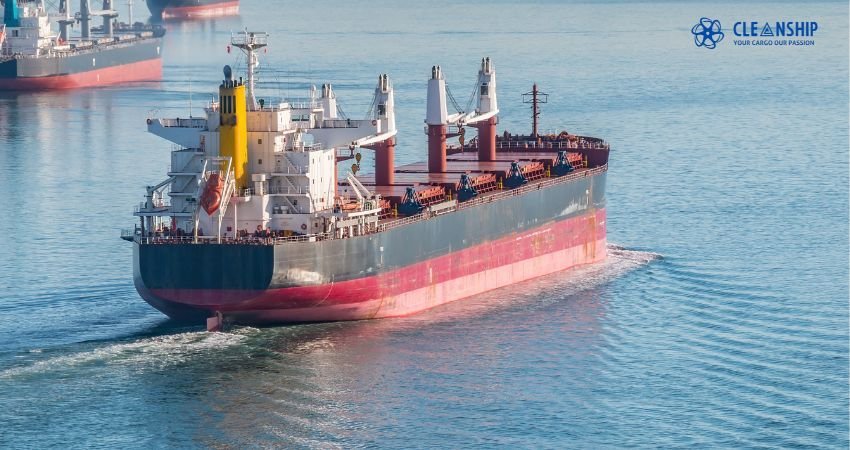
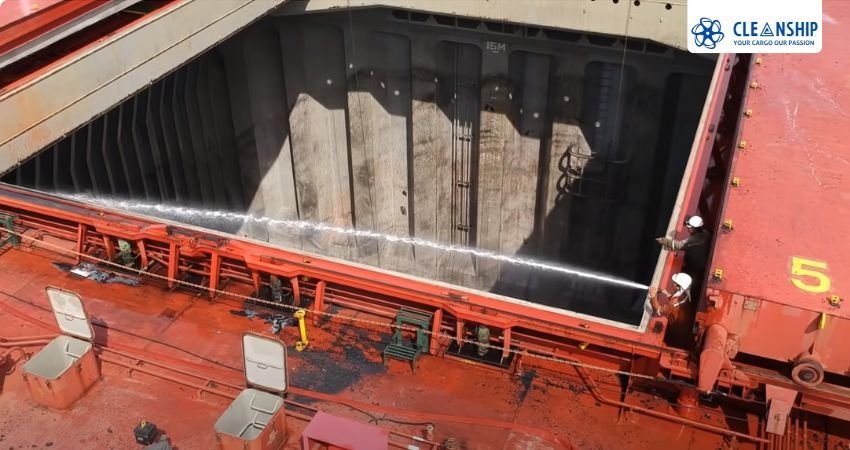
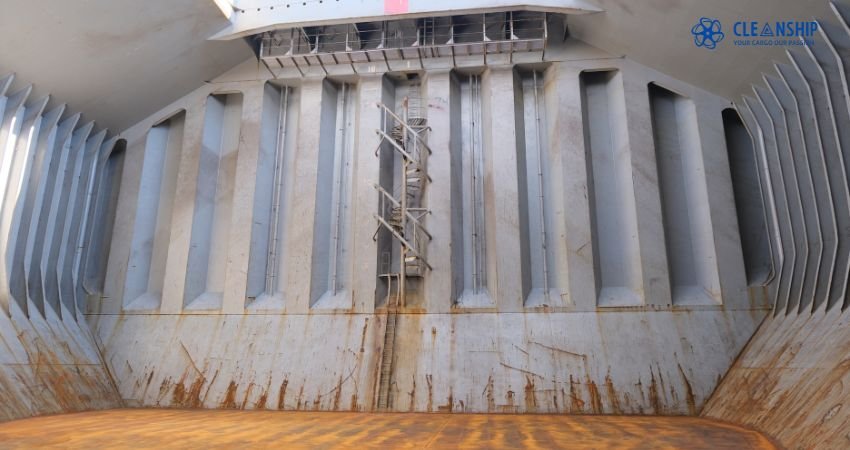
Bulk cargo hold cleaning in india

  • Home
  • Blog
  • Tag: Bulk cargo hold cleaning in india
Cargo Hold Cleaning Compliance

Forward-Thinking Cargo Hold Cleaning Compliance: Seachios Marine Services’ Continuous Journey

Cargo hold cleaning compliance represents the cornerstone of modern maritime excellence, demanding proactive approaches that anticipate regulatory evolution while maintaining operational superiority and environmental stewardship. At Seachios Marine Services, we’ve pioneered forward-thinking cargo hold cleaning compliance methodologies that exceed current requirements while preparing for future regulatory developments through continuous innovation, comprehensive training, and systematic improvement initiatives. Understanding Comprehensive Cargo Hold Cleaning Compliance Modern cargo hold cleaning compliance requires sophisticated understanding of evolving regulatory frameworks, technological advancement, and environmental protection standards that govern every aspect of contamination removal operations. The dynamic nature of international maritime regulations demands proactive approaches that address current requirements while anticipating future compliance developments and regulatory enhancement. Professional cargo hold cleaning compliance has transformed dramatically with advancing environmental awareness, technological innovation, and increasing regulatory complexity throughout the global maritime industry. Today’s compliance operations must balance immediate regulatory adherence with long-term strategic planning, continuous improvement, and stakeholder engagement initiatives. The implementation of forward-thinking cargo hold cleaning compliance directly impacts operational sustainability, affecting everything from regulatory approval to competitive positioning and long-term market success. Reactive compliance approaches can result in regulatory violations, operational disruptions, competitive disadvantages, and significant costs that compromise long-term operational viability and market leadership. Proactive Regulatory Engagement and Monitoring Cargo hold cleaning compliance excellence requires systematic regulatory engagement that anticipates requirement changes while ensuring continuous compliance leadership and industry influence. International Regulatory Participation Professional regulatory engagement ensures cargo hold cleaning compliance leadership through active participation in standard development and regulatory enhancement: IMO Working Group Participation: Industry Association Leadership: Regulatory Development Influence: Our expert cleaning services benefit from direct regulatory engagement that ensures cutting-edge cargo hold cleaning compliance while influencing industry standard development. Regulatory Intelligence and Monitoring Advanced monitoring systems ensure cargo hold cleaning compliance readiness through comprehensive regulatory tracking and analysis: Global Regulatory Monitoring: Regional Compliance Coordination: Competitive Intelligence Integration: Advanced Crew Training and Competency Development Comprehensive training systems ensure cargo hold cleaning compliance excellence through systematic crew development that addresses current requirements while preparing for future compliance challenges. Multi-Level Training Architecture Professional training programs address all aspects of cargo hold cleaning compliance through comprehensive competency development: Foundation Compliance Training: Advanced Specialization Training: Leadership Development Programs: Competency Verification and Certification Systematic competency assessment ensures cargo hold cleaning compliance readiness through comprehensive evaluation and certification: Practical Skills Assessment: Knowledge Verification Systems: Continuous Certification Maintenance: Our professional hold cleaning services provide comprehensive training systems that ensure superior cargo hold cleaning compliance through systematic crew development. Research and Development for Environmental Innovation Advanced R&D programs drive cargo hold cleaning compliance evolution through environmental technology development and sustainable innovation initiatives. Eco-Friendly Technology Development Comprehensive research programs advance cargo hold cleaning compliance through environmental technology innovation: Biodegradable Cleaning Agent Development: Water Treatment Technology Advancement: Waste Minimization Innovation: Regulatory Compliance Innovation Research initiatives advance cargo hold cleaning compliance through regulatory excellence and compliance enhancement: Compliance Technology Development: Regulatory Anticipation Research: Feedback Loop Integration and Continuous Improvement Systematic feedback integration ensures cargo hold cleaning compliance evolution through stakeholder engagement and performance optimization. Stakeholder Feedback Systems Comprehensive feedback collection enhances cargo hold cleaning compliance through systematic stakeholder engagement: Customer Feedback Integration: Regulatory Authority Engagement: Crew Feedback and Improvement: Performance Analytics and Optimization Advanced analytics drive cargo hold cleaning compliance improvement through systematic performance measurement and optimization: Compliance Metric Analysis: Predictive Analytics Integration: Our comprehensive tank cleaning services integrate feedback systems with compliance operations for maximum effectiveness and continuous improvement. Digital Transformation and Compliance Technology Advanced digital systems enhance cargo hold cleaning compliance through automated monitoring, documentation, and optimization that ensures regulatory excellence while improving operational efficiency. Integrated Compliance Management Platforms Comprehensive digital platforms ensure cargo hold cleaning compliance through unified management and optimization: Real-Time Compliance Monitoring: Documentation and Audit Support: Artificial Intelligence and Compliance Optimization AI-powered systems advance cargo hold cleaning compliance through intelligent optimization and predictive management: Predictive Compliance Analytics: Automated Decision Support: The International Association of Dry Cargo Shipowners (INTERCARGO) supports advanced compliance technology adoption in bulk carrier operations, including comprehensive cargo hold cleaning compliance systems. Quality Assurance and Compliance Excellence Professional cargo hold cleaning compliance requires comprehensive quality assurance systems that verify compliance effectiveness and ensure continuous improvement in regulatory adherence and operational performance. Compliance Performance Measurement Systematic measurement ensures cargo hold cleaning compliance achieves targeted excellence levels: Leading Compliance Indicators: Lagging Compliance Indicators: Continuous Compliance Enhancement Professional operations incorporate continuous improvement in cargo hold cleaning compliance through systematic enhancement and innovation programs: Compliance Excellence Programs: Strategic Compliance Planning: Conclusion: Leading Maritime Compliance Excellence Cargo hold cleaning compliance represents the future of sustainable maritime operations, requiring comprehensive integration of regulatory engagement, technological innovation, and continuous improvement that ensures superior compliance performance while maintaining operational excellence and competitive advantage. The evolving nature of maritime regulations demands professional expertise that anticipates change while delivering consistent compliance results. At Seachios Marine Services, we’ve mastered the complete spectrum of cargo hold cleaning compliance, from proactive regulatory engagement to advanced technology integration and comprehensive quality management systems. Our systematic approach ensures optimal compliance performance for every operational scenario while maintaining the highest standards of safety, environmental protection, and customer satisfaction. Don’t let compliance challenges limit your operational success. Contact Seachios Marine Services today to discover how our forward-thinking cargo hold cleaning compliance can advance your operations while ensuring superior regulatory adherence and competitive positioning. Frequently Asked Questions About Cargo Hold Cleaning Compliance
Read more
Environmental Compliance in Cargo Hold Cleaning

Eco-Responsible Hold Cleaning: Environmental Compliance & Waste Management at Sea

Environmental compliance in cargo hold cleaning has become the cornerstone of modern maritime operations, demanding comprehensive approaches that balance thorough contamination removal with stringent environmental protection standards. At Cleanship, we’ve developed advanced eco-responsible cleaning methodologies that ensure complete environmental compliance in cargo hold cleaning while maintaining operational excellence and regulatory adherence across all international maritime jurisdictions. Understanding Environmental Compliance in Cargo Hold Cleaning Modern environmental compliance in cargo hold cleaning requires sophisticated understanding of international regulations, sustainable technologies, and waste management protocols that protect marine ecosystems while ensuring complete contamination removal. The complexity of contemporary environmental standards demands integrated approaches that address everything from biodegradable cleaning agents to zero-liquid-discharge systems. Professional environmental compliance in cargo hold cleaning has evolved dramatically with tightening environmental regulations, advancing green technologies, and increasing corporate sustainability commitments. Today’s cleaning operations must achieve complete contamination removal while minimizing environmental impact, ensuring regulatory compliance, and maintaining strict waste management protocols. The implementation of proper environmental compliance in cargo hold cleaning directly impacts operational success, affecting everything from regulatory approval to corporate sustainability ratings and long-term operational costs. Poor environmental compliance can result in regulatory violations, expensive fines, operational delays, and significant reputational damage. International Environmental Regulatory Framework Environmental compliance in cargo hold cleaning operates within a comprehensive international regulatory framework that governs every aspect of cleaning operations, waste disposal, and marine environmental protection. MARPOL Compliance Requirements The International Convention for the Prevention of Pollution from Ships (MARPOL) establishes the fundamental framework for environmental compliance in cargo hold cleaning through comprehensive pollution prevention requirements: MARPOL Annex I – Oil Pollution Prevention: MARPOL Annex V – Garbage Management: MARPOL Annex VI – Air Pollution Prevention: Our expert cleaning services ensure complete MARPOL compliance through systematic implementation of approved environmental protocols and comprehensive waste management systems. Regional Environmental Standards Environmental compliance in cargo hold cleaning must address varying regional requirements that supplement international standards: European Union Regulations: North American Standards: Sustainable Cleaning Technologies for Environmental Compliance Advanced environmental compliance in cargo hold cleaning relies on innovative sustainable technologies that achieve superior contamination removal while minimizing environmental impact through eco-responsible methodologies. Biodegradable Cleaning Agent Systems Professional biodegradable cleaning systems represent the foundation of environmental compliance in cargo hold cleaning, utilizing advanced formulations that achieve complete contamination removal while ensuring marine environmental protection: Plant-Based Cleaning Formulations: Advanced Biodegradability Standards: Performance Optimization: Our professional hold cleaning services utilize cutting-edge biodegradable cleaning systems that exceed environmental compliance requirements while delivering superior contamination removal results. Water Conservation and Recycling Systems Advanced water management technologies ensure environmental compliance in cargo hold cleaning through sophisticated conservation and treatment systems that minimize freshwater consumption while maintaining cleaning effectiveness: Closed-Loop Water Recycling: Water Quality Monitoring: Conservation Performance Metrics: Zero-Liquid-Discharge (ZLD) Systems Zero-liquid-discharge systems represent the pinnacle of environmental compliance in cargo hold cleaning, eliminating all liquid waste discharge through complete treatment and recovery processes: Advanced Treatment Technologies: Solid Waste Management: Environmental Benefits: Comprehensive Waste Management Protocols Environmental compliance in cargo hold cleaning requires systematic waste management approaches that ensure proper classification, treatment, and disposal of all waste streams generated during cleaning operations. Waste Stream Classification and Segregation Professional waste management begins with comprehensive waste stream classification according to international environmental regulations and hazardous material standards: Hazardous Waste Categories: Non-Hazardous Waste Streams: Segregation Protocols: Onboard Waste Treatment Systems Advanced onboard treatment systems enable preliminary waste processing to ensure environmental compliance in cargo hold cleaning while reducing waste volumes and simplifying shore-based disposal: Physical Treatment Systems: Chemical Treatment Systems: Biological Treatment Systems: Shore-Based Waste Disposal Coordination Professional environmental compliance in cargo hold cleaning requires comprehensive coordination with certified shore-based waste management facilities that provide specialized treatment services: Waste Reception Facility Selection: Waste Transfer Documentation: Cost Optimization Strategies: Digital Environmental Compliance Management Modern environmental compliance in cargo hold cleaning relies on comprehensive digital management systems that provide real-time monitoring, automated reporting, and complete compliance documentation. Real-Time Environmental Monitoring Advanced monitoring systems ensure continuous environmental compliance in cargo hold cleaning through sophisticated sensor networks and automated data collection: Water Quality Monitoring: Air Quality Monitoring: Waste Stream Monitoring: Automated Compliance Reporting Comprehensive reporting systems ensure environmental compliance in cargo hold cleaning through systematic documentation and regulatory submission automation: Regulatory Report Generation: Performance Tracking Systems: Audit Trail Documentation: Our comprehensive tank cleaning services integrate with hold cleaning operations using unified environmental compliance management systems for maximum operational efficiency and regulatory adherence. Advanced Environmental Protection Technologies Environmental compliance in cargo hold cleaning continues advancing through innovative technologies that enhance environmental protection while improving operational efficiency and cost-effectiveness. Atmospheric Emission Control Systems Advanced emission control technologies ensure environmental compliance in cargo hold cleaning through comprehensive vapor management and atmospheric protection systems: Vapor Recovery Systems: Containment Technologies: Marine Environment Protection Systems Specialized protection systems ensure environmental compliance in cargo hold cleaning through comprehensive marine ecosystem protection measures: Discharge Prevention Systems: Biodegradation Enhancement: Quality Assurance and Environmental Verification Professional environmental compliance in cargo hold cleaning requires comprehensive quality assurance systems that verify compliance effectiveness and ensure continuous improvement in environmental protection. Environmental Compliance Verification Systematic verification ensures environmental compliance in cargo hold cleaning meets all applicable standards and regulations: Third-Party Certification: Performance Measurement: Continuous Environmental Improvement Professional operations incorporate continuous improvement in environmental compliance in cargo hold cleaning through systematic enhancement programs: Technology Advancement Integration: Regulatory Compliance Enhancement: The International Association of Dry Cargo Shipowners (INTERCARGO) promotes sustainable practices in bulk carrier operations, including comprehensive environmental compliance in cargo hold cleaning operations. Conclusion: Achieving Excellence in Environmental Compliance Environmental compliance in cargo hold cleaning represents the future of sustainable maritime operations, requiring comprehensive integration of advanced technologies, systematic waste management, and continuous improvement initiatives. The complexity of modern environmental regulations demands professional expertise that ensures complete compliance while maintaining operational efficiency and cost-effectiveness. At Cleanship, we’ve mastered the complete spectrum of environmental compliance in cargo hold cleaning, from advanced biodegradable cleaning systems to zero-liquid-discharge technologies and comprehensive waste management protocols. Our systematic approach ensures optimal environmental protection for every cleaning scenario while maintaining the highest standards of regulatory
Read more
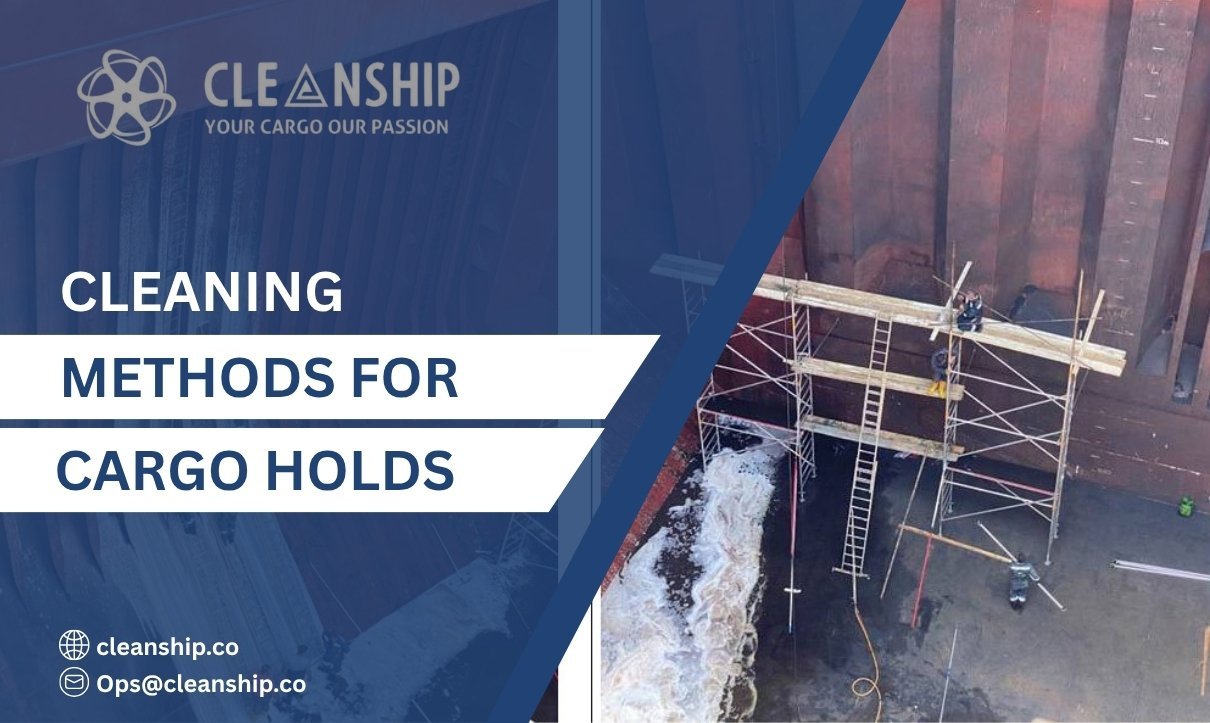
Cleaning Methods for Cargo Holds

Proven Cleaning Techniques for Cargo Holds: Effective Methods for Every Residue Type

In the competitive world of bulk shipping, mastering effective cleaning methods for cargo holds determines the difference between operational success and costly contamination disasters. At Cleanship, we’ve developed and refined proven cleaning techniques that address every type of cargo residue, ensuring complete contamination removal while optimizing operational efficiency and regulatory compliance. Understanding the Complexity of Cargo Hold Cleaning Methods Modern bulk carriers transport an incredible variety of cargoes, each leaving behind unique residues that require specialized cleaning methods for cargo holds. From sticky agricultural products and abrasive mineral ores to chemical fertilizers and food-grade commodities, each cargo type presents distinct cleaning challenges that demand tailored approaches and specialized techniques. The evolution of cleaning methods for cargo holds has been driven by increasingly stringent regulatory requirements, higher cargo quality standards, and the economic necessity of preventing expensive cross-contamination incidents. Professional cleaning techniques must address not only visible contamination but also microscopic residues that can compromise subsequent cargo quality. Effective cleaning methods for cargo holds integrate advanced equipment, proven chemicals, systematic procedures, and skilled personnel to achieve consistently superior results across all cargo types and contamination scenarios. Comprehensive Classification of Cargo Residue Types Dry Bulk Cargo Residues Dry bulk cargoes represent the majority of global shipping volume, requiring specialized cleaning methods for cargo holds that address their unique characteristics: Mineral and Coal Residues: Agricultural Product Residues: Our expert cleaning services utilize targeted approaches for each residue type, ensuring complete removal without surface damage or environmental harm. Liquid and Semi-Liquid Cargo Residues Liquid cargo transportation creates complex cleaning challenges requiring specialized methods: Chemical and Fertilizer Residues: Edible Oil and Fat Residues: Advanced High-Pressure Water Cleaning Techniques High-pressure water systems represent the cornerstone of modern cleaning methods for cargo holds, offering versatility, effectiveness, and environmental compatibility across diverse contamination scenarios. Variable Pressure Applications Professional cleaning methods for cargo holds employ variable pressure systems that optimize cleaning effectiveness while protecting hold surfaces: Ultra-High Pressure Systems (500-1000 bar): Medium Pressure Applications (200-500 bar): Low Pressure Techniques (50-200 bar): Hot Water and Steam Integration Advanced cleaning methods for cargo holds incorporate temperature control for enhanced effectiveness: Hot Water Benefits: Our professional hold cleaning services utilize state-of-the-art temperature-controlled systems that optimize cleaning performance while minimizing environmental impact. Specialized Chemical Cleaning Methods Chemical cleaning agents represent essential components of comprehensive cleaning methods for cargo holds, providing targeted solutions for specific contamination types that mechanical cleaning alone cannot address effectively. Alkaline Cleaning Solutions Alkaline cleaning methods effectively address organic contamination and protein-based residues: Applications and Benefits: Specialized Alkaline Formulations: Acidic Cleaning Techniques Acidic cleaning methods target mineral deposits, rust stains, and alkaline cargo residues: Mineral Deposit Removal: Safety and Environmental Considerations: Professional acidic cleaning methods incorporate neutralization systems, corrosion inhibitors, and environmental protection measures ensuring safe application and waste disposal. Specialized Decontamination Agents Advanced cleaning methods for cargo holds include specialized agents for challenging contamination scenarios: Enzyme-Based Cleaners: Solvent-Based Solutions: Mechanical Cleaning Methods and Equipment Mechanical cleaning techniques complement chemical and water-based methods, providing physical removal capabilities essential for comprehensive cargo hold cleaning. Abrasive Cleaning Techniques Controlled abrasive methods address stubborn deposits that resist chemical and water cleaning: Dry Ice Blasting: Media Blasting Applications: Mechanical Scraping and Brushing Traditional mechanical methods remain essential components of comprehensive cleaning approaches: Power Tool Applications: Manual Techniques: Our comprehensive tank cleaning services can be coordinated with mechanical hold cleaning for complete vessel preparation. Advanced Vacuum and Debris Recovery Systems Effective cleaning methods for cargo holds integrate sophisticated debris recovery systems that ensure complete contamination removal while maintaining operational efficiency. Industrial Vacuum Applications Professional vacuum systems address diverse cleaning requirements: Wet/Dry Recovery Systems: Specialized Vacuum Techniques: Water Recovery and Recycling Sustainable cleaning methods for cargo holds incorporate water recovery and treatment systems: Closed-Loop Systems: Quality Control and Verification Methods Professional cleaning methods for cargo holds include comprehensive quality control procedures ensuring consistent results and regulatory compliance. Visual Inspection Protocols Systematic visual inspection validates cleaning effectiveness: Inspection Standards: Laboratory Testing and Analysis Advanced quality control includes scientific validation: Contamination Analysis: Certification and Documentation Professional cleaning methods for cargo holds include comprehensive documentation: The International Maritime Organization (IMO) establishes global standards that guide professional cleaning method development and implementation. Environmental Compliance in Cleaning Methods Modern cleaning methods for cargo holds must balance effectiveness with environmental responsibility, incorporating sustainable practices and regulatory compliance. Waste Management and Disposal Professional cleaning operations include comprehensive waste management: Contaminated Water Treatment: Solid Waste Handling: Eco-Friendly Cleaning Agent Selection Sustainable cleaning methods prioritize environmentally responsible products: Technology Integration and Innovation Cutting-edge cleaning methods for cargo holds incorporate technological advances that enhance effectiveness, safety, and efficiency. Remote Monitoring and Control Advanced cleaning systems feature remote operation capabilities: Predictive Maintenance Integration Modern cleaning methods integrate with vessel maintenance programs: The International Association of Dry Cargo Shipowners (INTERCARGO) promotes technological advancement in bulk carrier operations, including cleaning method innovation. Customized Cleaning Method Selection Professional cleaning services develop customized approaches based on specific vessel requirements, cargo histories, and operational constraints. Vessel-Specific Considerations Cleaning method selection addresses individual vessel characteristics: Cargo Transition Requirements Cleaning methods vary based on cargo sequence planning: Conclusion: Optimizing Cleaning Method Effectiveness Effective cleaning methods for cargo holds require comprehensive understanding of contamination types, systematic application of proven techniques, and continuous adaptation to evolving industry requirements. Professional cleaning services integrate mechanical, chemical, and technological approaches to achieve superior results consistently. At Cleanship, our extensive experience with diverse cleaning methods for cargo holds enables us to provide customized solutions that optimize effectiveness while maintaining cost efficiency and environmental responsibility. Our proven techniques ensure complete contamination removal and regulatory compliance across all cargo types and operational scenarios. Don’t compromise your cargo quality with inadequate cleaning methods. Contact Cleanship today to discover how our proven cleaning techniques can protect your operations and ensure superior cargo hold preparation for any residue type. Frequently Asked Questions About Cleaning Methods for Cargo Holds
Read more
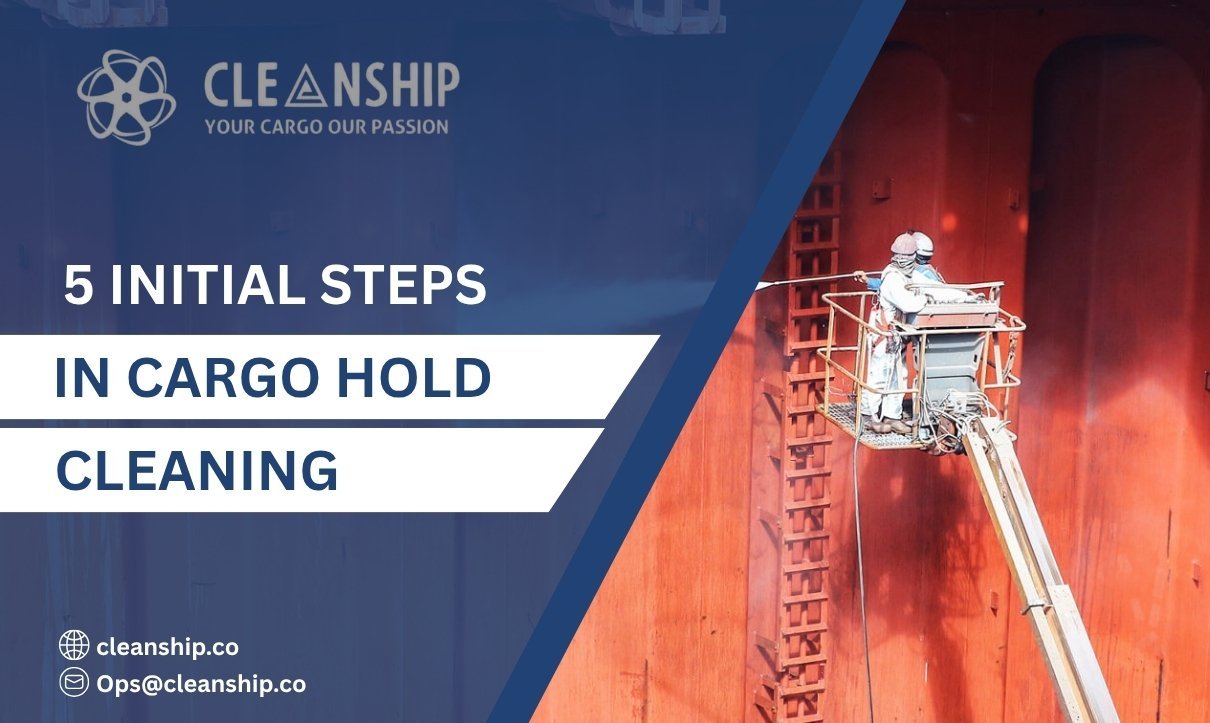
Initial steps in cargo hold cleaning

5 Essential Initial Steps in Cargo Hold Cleaning for Maximum Efficiency

The success of any cargo hold cleaning operation depends entirely on the thoroughness and precision of the initial steps taken before the actual cleaning begins. At Cleanship, we’ve refined these crucial preliminary procedures through years of experience, understanding that proper preparation determines the effectiveness, safety, and efficiency of the entire cleaning process. These initial steps in cargo hold cleaning form the foundation for successful contamination removal and regulatory compliance. Understanding the Critical Nature of Initial Steps in Cargo Hold Cleaning The initial steps in cargo hold cleaning represent far more than routine preparation—they constitute a comprehensive assessment and planning phase that directly impacts operational outcomes, crew safety, and cost efficiency. Modern bulk carrier operations demand systematic approaches that minimize risks while maximizing cleaning effectiveness within tight scheduling constraints. Professional cargo hold cleaning begins long before the first drop of water or cleaning agent touches the hold surfaces. The preliminary phase involves detailed assessments, strategic planning, safety preparations, and equipment positioning that collectively determine whether the cleaning operation will achieve its objectives efficiently and safely. Neglecting proper initial steps in cargo hold cleaning can result in incomplete contamination removal, safety incidents, regulatory non-compliance, extended cleaning times, and ultimately, expensive cargo contamination claims that could have been prevented through methodical preparation. Step 1: Comprehensive Hold Assessment and Documentation The first and most critical of the initial steps in cargo hold cleaning involves conducting a thorough assessment of current hold conditions, contamination levels, and specific cleaning requirements. This systematic evaluation forms the basis for all subsequent cleaning decisions and resource allocation. Detailed Visual Inspection Process Professional assessment begins with comprehensive visual inspection of all hold surfaces, including bulkheads, tank tops, frames, and hatch covers. Our experienced technicians examine every accessible area to identify: Contamination Assessment: Structural Condition Evaluation: Our expert cleaning services utilize advanced inspection techniques including photographic documentation, contamination sampling, and detailed condition reporting that establishes baseline measurements for cleaning effectiveness evaluation. Documentation and Photographic Evidence Comprehensive documentation during the assessment phase serves multiple critical purposes including regulatory compliance, insurance requirements, and client reporting. Professional documentation includes: This thorough documentation protects all parties involved while providing clear evidence of cleaning necessity and subsequent effectiveness. Step 2: Safety Assessment and Risk Analysis Safety considerations represent the most crucial among the initial steps in cargo hold cleaning. Comprehensive safety assessment ensures crew protection while establishing protocols for emergency response and hazard mitigation throughout the cleaning operation. Atmospheric Testing and Ventilation Professional safety assessment begins with atmospheric testing to identify potential hazards including: Gas Concentration Monitoring: Ventilation System Evaluation: Personal Protective Equipment Requirements Based on assessment results, appropriate personal protective equipment (PPE) requirements are established including respiratory protection, chemical-resistant clothing, safety harnesses, and emergency communication equipment. Our professional hold cleaning services maintain the highest safety standards through comprehensive PPE protocols and continuous monitoring. Confined Space Entry Procedures Cargo holds constitute confined spaces requiring specialized entry procedures, emergency response plans, and continuous atmospheric monitoring throughout cleaning operations. Professional safety protocols include designated safety officers, emergency evacuation procedures, and communication systems. Step 3: Equipment Selection and Positioning Strategy Strategic equipment selection and positioning represent critical initial steps in cargo hold cleaning that directly impact operational efficiency, cleaning effectiveness, and overall project timeline. Professional operations require careful matching of equipment capabilities with specific cleaning requirements. Cleaning Equipment Assessment Equipment selection depends on multiple factors identified during the initial assessment phase: High-Pressure Water Systems: Specialized Cleaning Tools: Access Equipment: Strategic Equipment Positioning Efficient equipment positioning minimizes setup time, reduces safety risks, and optimizes cleaning workflow. Professional positioning strategies consider: Our comprehensive tank cleaning services can be coordinated with hold cleaning operations for maximum equipment utilization and operational efficiency. Step 4: Regulatory Compliance and Documentation Preparation Regulatory compliance preparation constitutes essential initial steps in cargo hold cleaning, ensuring operations meet international maritime standards and specific port requirements. Proper preparation prevents delays, fines, and operational complications. International Standards Compliance Professional cleaning operations must comply with multiple regulatory frameworks: IMO and MARPOL Requirements: The International Maritime Organization (IMO) establishes global standards for ship operations and environmental protection. Compliance preparation includes: Documentation Preparation Comprehensive documentation preparation includes: Step 5: Resource Planning and Timeline Development The final critical component among initial steps in cargo hold cleaning involves comprehensive resource planning and realistic timeline development that coordinates personnel, equipment, and operational requirements with vessel scheduling constraints. Personnel Resource Planning Effective resource planning ensures adequate skilled personnel availability: Team Composition Requirements: Shift Planning and Coverage: Timeline Development and Coordination Realistic timeline development balances thorough cleaning requirements with operational scheduling pressures: Critical Path Analysis: Coordination Factors: The International Association of Dry Cargo Shipowners (INTERCARGO) emphasizes the importance of systematic planning in bulk carrier operations, including comprehensive preparation for cleaning operations. Integration and Execution of Initial Steps Successful cargo hold cleaning operations require seamless integration of all initial steps in cargo hold cleaning. Professional coordination ensures that assessment findings inform safety preparations, equipment selection matches identified requirements, regulatory compliance addresses specific operational needs, and resource planning supports efficient execution. At Cleanship, our four-phase approach to initial preparation includes: Quality Control and Continuous Improvement Effective initial steps in cargo hold cleaning include establishment of quality control measures and continuous improvement protocols that ensure consistent results and operational enhancement over time. Performance Metrics Development Key performance indicators established during initial steps include: Continuous Improvement Integration Professional operations incorporate lessons learned and best practices development: Conclusion: Maximizing Efficiency Through Proper Initial Steps The initial steps in cargo hold cleaning determine the success, safety, and efficiency of every cleaning operation. Professional preparation through comprehensive assessment, safety planning, equipment positioning, regulatory compliance, and resource coordination creates the foundation for effective contamination removal and operational success. At Cleanship, we understand that thorough initial preparation prevents problems, reduces costs, and ensures superior cleaning results. Our systematic approach to initial steps in cargo hold cleaning maximizes efficiency while maintaining the highest safety and quality standards. Don’t compromise your cleaning operations with inadequate preparation. Contact Cleanship today to discover how our professional initial assessment and preparation
Read more
Consequences of Inadequate Cargo Hold Cleaning

Consequences of Inadequate Cargo Hold Cleaning

Ensuring clean cargo holds in bulk carriers is not just a procedural task—it’s a fundamental aspect of maintaining operational efficiency, cargo integrity, and regulatory compliance. Neglecting proper cargo hold cleaning can result in significant financial losses, environmental repercussions, and legal liabilities. Consequences of Inadequate Cargo Hold Cleaning This article outlines the key consequences of inadequate cargo hold cleaning and emphasizes why it must be treated as a top priority in maritime logistics. 1. Cargo Contamination and Financial Loss One of the most immediate and severe consequences of inadequate cargo hold cleaning is cargo contamination. Consequences of Inadequate Cargo Hold Cleaning Bulk carriers transport a wide range of materials, from food-grade grains and sugar to coal and fertilizers. If residues from previous cargoes are not thoroughly removed, cross-contamination can occur. This is especially detrimental when switching between incompatible cargo types, such as from coal to grains. Contaminated cargo not only leads to claims and disputes but can also result in complete rejection of the shipment by the consignee. In cases involving food-grade cargoes, contamination can pose serious health risks, attracting stricter penalties from regulatory bodies. 2. Accelerated Corrosion and Vessel Wear Residues left in the cargo hold, particularly from corrosive materials like salt or fertilizer, can rapidly deteriorate the internal structure of the vessel. When such materials interact with moisture, they can lead to the accelerated formation of rust and corrosion. Consequences of Inadequate Cargo Hold Cleaning Over time, this reduces the structural integrity of the cargo hold and can necessitate expensive repairs or even result in the vessel being declared unseaworthy. Regular cleaning helps identify early signs of wear and allows for preventive maintenance, thereby extending the life of the vessel. 3. Non-Compliance with International Maritime Regulations The International Maritime Organization (IMO) and MARPOL guidelines mandate cleanliness standards for cargo holds to prevent pollution and ensure safe carriage of goods. Failure to comply with these regulations can result in detentions, fines, and increased scrutiny from port state control authorities. Port inspections often include a thorough review of cargo hold conditions. Consequences of Inadequate Cargo Hold Cleaning A vessel with inadequately cleaned holds may be deemed unfit for loading, resulting in operational delays and additional cleaning costs while berthed. 4. Pest Infestation and Quarantine Risks Cargo holds that are not properly cleaned provide an ideal breeding ground for pests such as rodents, insects, and microbes. Consequences of Inadequate Cargo Hold Cleaning This is particularly risky when transporting agricultural products. Pest infestations can trigger quarantine protocols at destination ports, causing long delays and the need for expensive fumigation services. Additionally, infested cargo could be rejected, leading to wasted transportation costs and potential legal disputes with customers. 5. Operational Delays and Demurrage Dirty cargo holds often lead to vessel rejection at loading ports. When a vessel is deemed unready, it must vacate the berth or remain idle while cleaning operations are carried out. Consequences of Inadequate Cargo Hold Cleaning This downtime incurs demurrage charges, disrupts scheduling, and reduces overall fleet efficiency. In competitive shipping markets, the inability to adhere to charter party agreements due to poor hold conditions can also tarnish a ship owner’s or operator’s reputation. 6. Compromised Safety for Crew and Cargo Residue build-up in cargo holds can lead to dangerous working conditions. For example, leftover coal dust is not only flammable but can also create respiratory issues for crew members. Slippery surfaces, poor visibility, and confined space hazards are common in neglected holds. Ensuring clean holds reduces these risks and contributes to a safer onboard environment. 7. Increased Insurance Premiums and Claim Risks Vessels with a track record of cargo contamination or hold-related claims may be subjected to higher insurance premiums. Consequences of Inadequate Cargo Hold Cleaning Insurance companies consider the vessel’s maintenance history when assessing risk, and repeated issues due to inadequate cleaning can lead to unfavorable terms or reduced coverage options. Proper hold cleaning minimizes the risk of cargo claims and protects the owner’s financial interests. 8. Loss of Business and Reputation Charterers and cargo owners prefer vessels that demonstrate high standards of cleanliness and operational readiness. Consequences of Inadequate Cargo Hold Cleaning A history of inadequate cargo hold maintenance can deter repeat business and damage long-term relationships. In industries where timing, hygiene, and compliance are critical, such as food and chemical logistics, reputation is everything. Maintaining clean cargo holds showcases a commitment to quality and reliability, boosting competitiveness in the shipping industry. 9. Environmental Hazards Improper cleaning may result in residual cargo materials being washed overboard, especially during rain or rough weather, leading to environmental pollution. This violates MARPOL protocols and can attract heavy fines and restrictions on future port entries. Environmental responsibility is becoming an increasingly scrutinized aspect of shipping operations, and clean cargo holds contribute to sustainable practices. 10. Inefficient Cargo Loading and Discharging Unclean or uneven cargo surfaces can interfere with automated loading and unloading systems. For instance, sticky residue or leftover particles may cause cargo flow disruptions, block conveyor belts, or damage mechanical components. These inefficiencies extend port stay and increase handling costs. A well-cleaned hold ensures smooth cargo flow and reduces the need for manual intervention. Cargo Hold Cleaning : Hold Cleaning Services How to Prevent These Consequences Preventing the consequences of inadequate cargo hold cleaning involves a combination of good practices, technological assistance, and adherence to international standards. Here are several key steps: Conclusion The consequences of inadequate cargo hold cleaning are too significant to ignore. From contamination and corrosion to legal penalties and reputational loss, the risks span every aspect of vessel operation. By prioritizing cargo hold hygiene and implementing standardized cleaning practices, ship operators can protect their assets, ensure regulatory compliance, and uphold customer trust. FAQs: Consequences of Inadequate Cargo Hold Cleaning For professional hold cleaning, contact us at CleanShip:Email: ops@cleanship.coPhone: +91 7080050720www.cleanship.co
Read more
Professional bulk carrier hold cleaning services by Cleanship team using high-pressure water systems

Why Clean Holds Matter: Key Reasons for Bulk Carrier Hold Cleaning

In the maritime shipping industry, bulk carrier hold cleaning represents far more than a routine maintenance task—it’s a critical operational requirement that directly impacts cargo integrity, regulatory compliance, and financial performance. At Cleanship, we’ve witnessed how proper bulk carrier hold cleaning can transform shipping operations, preventing costly contamination incidents while ensuring seamless cargo transitions. Understanding the Stakes: Why Bulk Carrier Hold Cleaning Cannot Be Compromised Bulk carriers transport diverse cargoes including grain, coal, iron ore, fertilizers, and chemicals across global shipping routes. Each cargo type leaves behind residues, contaminants, and potential cross-contamination risks that demand thorough professional cleaning. The consequences of inadequate bulk carrier hold cleaning extend far beyond surface cleanliness, affecting everything from cargo quality to international trade relationships. The modern shipping industry operates on razor-thin margins where a single contamination incident can result in cargo rejection, legal disputes, and losses exceeding millions of dollars. Professional bulk carrier hold cleaning services provide essential protection against these expensive risks while ensuring operational continuity. Preventing Cross-Contamination: The Foundation of Cargo Integrity Cross-contamination represents the most significant financial threat in bulk shipping operations. When previous cargo residues mix with new shipments, the results can be catastrophic. Consider a bulk carrier transitioning from coal transport to grain cargo—without thorough hold cleaning, even microscopic coal particles can contaminate the entire grain shipment, rendering it unsuitable for human consumption. Our expert cleaning services utilize advanced techniques to eliminate all traces of previous cargoes. This comprehensive approach protects cargo owners, maintains charterer relationships, and preserves your vessel’s reputation in the competitive shipping market. The financial implications of cross-contamination extend beyond immediate cargo losses. Contaminated shipments trigger insurance claims, legal proceedings, and potential bans from premium cargo contracts. Professional bulk carrier hold cleaning serves as insurance against these expensive complications. Regulatory Compliance: Meeting International Maritime Standards Global maritime authorities have established stringent cleanliness requirements for bulk carriers. The International Maritime Organization (IMO) guidelines mandate specific cleaning protocols depending on cargo types and trading routes. These regulations ensure environmental protection while maintaining international trade standards. Our professional bulk carrier hold cleaning services guarantee compliance with all regulatory requirements, including: Non-compliance with these regulations results in vessel detention, substantial fines, and operational delays costing thousands of dollars daily. Investing in professional bulk carrier hold cleaning proves significantly more economical than facing regulatory penalties and operational disruptions. Operational Efficiency: Maximizing Port Performance Clean cargo holds directly enhance loading and discharge operations at ports worldwide. Residual materials from previous cargoes interfere with cargo flow systems, create equipment blockages, and significantly slow port operations. Professional bulk carrier hold cleaning ensures optimal cargo handling efficiency, reducing port time and associated costs. Additionally, clean holds minimize wear on expensive cargo handling equipment. Abrasive residues damage conveyor systems, grab mechanisms, and discharge equipment, leading to costly repairs and unplanned maintenance schedules. Regular professional cleaning extends equipment life while maintaining operational reliability. For comprehensive vessel maintenance, consider our complementary tank cleaning services that ensure complete vessel readiness. Advanced Cleaning Technology: The Cleanship Advantage Modern bulk carrier hold cleaning demands sophisticated equipment and proven methodologies. At Cleanship, we employ cutting-edge technology combined with environmentally responsible practices to deliver superior results: High-Pressure Water Systems: Our industrial-grade equipment removes even the most stubborn cargo residues from hold surfaces, ensuring complete cleanliness preparation for subsequent cargoes. Specialized Chemical Applications: We utilize targeted, eco-friendly cleaning agents specifically formulated for different cargo types and contamination levels, ensuring effective cleaning without environmental harm. Advanced Vacuum Technology: Our powerful vacuum systems guarantee complete removal of all debris and cleaning residues, leaving holds completely dry and ready for immediate cargo loading. Quality Assurance Protocols: Every cleaning operation undergoes rigorous inspection and documentation to guarantee compliance with international maritime standards and charterer requirements. Comprehensive Four-Step Cleaning Process Our systematic approach to bulk carrier hold cleaning ensures consistent, reliable results across all vessel types: 1. Detailed Assessment and Planning Our experienced technicians conduct thorough hold inspections to identify specific cleaning requirements, assess contamination levels, and develop customized cleaning strategies. This comprehensive assessment ensures we deploy the most effective cleaning methods for your particular situation. 2. Strategic Execution Planning Based on our detailed assessment, we create optimized cleaning plans that balance efficiency with thoroughness. Our planning considers cargo schedules, port requirements, and vessel-specific factors to minimize operational downtime. 3. Professional Cleaning Execution Our skilled teams utilize advanced equipment and proven techniques to deliver thorough, safe cleaning results. We handle everything from routine maintenance cleaning to specialized decontamination procedures for challenging cargo transitions. 4. Quality Control and Documentation We conduct comprehensive final inspections and provide detailed documentation for regulatory compliance and charterer requirements. Our quality control process includes photographic evidence and certificates confirming cleaning completion. Economic Benefits: Return on Investment Analysis Professional bulk carrier hold cleaning represents a minimal operational expense while providing substantial returns on investment. Consider these financial advantages: Prevented Contamination Losses: Avoiding a single contaminated cargo incident can save hundreds of thousands of dollars in claims, legal costs, and reputation damage. Enhanced Charter Rates: Well-maintained vessels with documented cleaning records command premium charter rates from quality cargo owners and charterers. Reduced Equipment Maintenance: Clean holds minimize wear on cargo handling systems, extending equipment life and reducing maintenance costs. Operational Efficiency Gains: Faster loading and discharge operations reduce port costs and improve vessel utilization rates. Insurance Benefits: Documented professional cleaning can reduce insurance premiums and facilitate faster claim processing when needed. Environmental Stewardship and Sustainable Practices Modern shipping operations must balance operational efficiency with environmental responsibility. Our eco-friendly bulk carrier hold cleaning methods ensure your operations meet strict environmental regulations while minimizing ecological impact. We utilize biodegradable cleaning agents wherever possible and follow comprehensive waste management protocols to prevent marine pollution. This commitment to environmental stewardship protects ocean ecosystems while safeguarding your company’s environmental compliance record. The International Association of Dry Cargo Shipowners (INTERCARGO) emphasizes the importance of environmental responsibility in bulk shipping operations, and our cleaning practices align with these industry guidelines. Selecting Professional Cleaning Partners Choosing the right bulk carrier hold cleaning service provider
Read more
Hold Cleaning in Kandla port

Hold Cleaning in Kandla Port: Tank Hold Cleaning

Hold Cleaning in Kandla Port, located on the western coast of India, is one of the busiest and most strategically important ports in the country. Handling a wide variety of cargo ranging from coal and salt to grains and fertilizers, it plays a vital role in facilitating international trade. Given the diverse cargo transitions, hold cleaning is a crucial operation to maintain cargo quality, comply with international standards, and ensure environmental safety. Hold cleaning in Kandla Port, its significance, the step-by-step process, and addresses five frequently asked questions to help ship operators better understand the operation. What is Hold Cleaning? Hold cleaning refers to the thorough cleaning and preparation of a ship’s cargo holds between voyages. This is necessary to remove residues, stains, and contaminants from the previous cargo and to prepare the hold for the next load, particularly when the cargo type is sensitive or prone to contamination, such as grains, sugar, or fertilizers. Failing to clean cargo holds adequately can lead to: Importance of Hold Cleaning at Kandla Port Kandla Port handles millions of tons of cargo annually, making it a prime location for hold cleaning services. Some key reasons why hold cleaning is essential at Kandla Port include: 1. Transition Between Diverse Cargo Types: Ships arriving at Kandla often switch between bulk cargoes such as coal, salt, and food grains. Each type has unique requirements for cleanliness, making thorough cleaning indispensable. 2. Compliance with Stringent Standards: International shipping regulations, including those by MARPOL (International Convention for the Prevention of Pollution from Ships), demand strict cleanliness and proper disposal of residues. 3. Preventing Cross-Contamination: Residues from previous cargoes can contaminate sensitive goods, resulting in financial losses and reputational damage for ship operators. 4. Maintaining Operational Efficiency: Efficient hold cleaning services at Kandla minimize turnaround time, ensuring that ships can continue their voyages without unnecessary delays. The Hold Cleaning Process at Kandla Port Hold cleaning is a multi-step process that requires specialized equipment, trained personnel, and a keen understanding of the cargo being carried. Here’s how it’s typically conducted: 1. Initial Inspection: Surveyors inspect the cargo holds to assess their condition and determine the cleaning requirements. Factors such as residue type, moisture content, and structural integrity are evaluated. 2. Removal of Loose Residues: Loose residues, such as bulk grains or coal dust, are removed using manual or mechanical tools like sweepers, shovels, or vacuum systems. 3. High-Pressure Washing: High-pressure water jets are used to dislodge stubborn residues and clean hard-to-reach areas. This step ensures the removal of residues adhering to the walls and floors. 4. Chemical Cleaning: When required, biodegradable chemicals are applied to dissolve tough stains, rust, or oil residues. These chemicals are selected based on the cargo type and environmental safety standards. 5. Drying the Holds: Proper drying prevents the growth of mold or mildew, especially when sensitive cargoes like grains or sugar are to be loaded. Drying is typically done using fans or blowers. 6. Final Inspection and Certification: After cleaning, surveyors conduct a final inspection to ensure the holds meet the required standards. Certificates are issued for cargo readiness, particularly for food-grade or sensitive shipments. Read Also: Hold Cleaning in Kakinada Port Advantages of Professional Hold Cleaning in Kandla Port 1. Experienced Teams: The port is home to skilled and experienced cleaning crews adept at handling diverse cargo transitions. 2. State-of-the-Art Equipment: From high-pressure washers to vacuum systems, advanced tools ensure efficient and thorough cleaning. 3. Regulatory Compliance: Services at Kandla Port align with MARPOL and port-specific regulations, ensuring safe residue disposal and environmental sustainability. 4. Quick Turnaround: Efficient operations minimize delays, enabling vessels to resume their journeys promptly. Tips for Ship Operators to Optimize Hold Cleaning 1. Regular Maintenance: Regularly inspect and clean cargo holds to prevent heavy buildup of residues and rust. 2. Use Protective Coatings: Apply coatings to hold surfaces to reduce adhesion of residues and minimize rust formation. 3. Plan Cleaning in Advance: Coordinate with cleaning service providers at Kandla Port ahead of time to ensure availability and efficiency. 4. Partner with Professionals: Rely on experienced cleaning teams with a track record of compliance and quality service. FAQs: Conclusion Hold cleaning in Kandla Port is a critical operation that ensures the safe and compliant transition of cargoes. With its strategic location, advanced facilities, and experienced personnel, the port provides top-notch cleaning services to meet the diverse needs of the shipping industry. By understanding the process, associated costs, and regulatory requirements, ship operators can effectively manage their operations, ensuring cargo quality and operational efficiency. Whether transitioning from coal to grains or preparing holds for sensitive goods, Kandla Port remains a trusted partner for hold cleaning excellence.
Read more
Container Loss

TT Club Highlights Ongoing Efforts to Prevent Container Losses

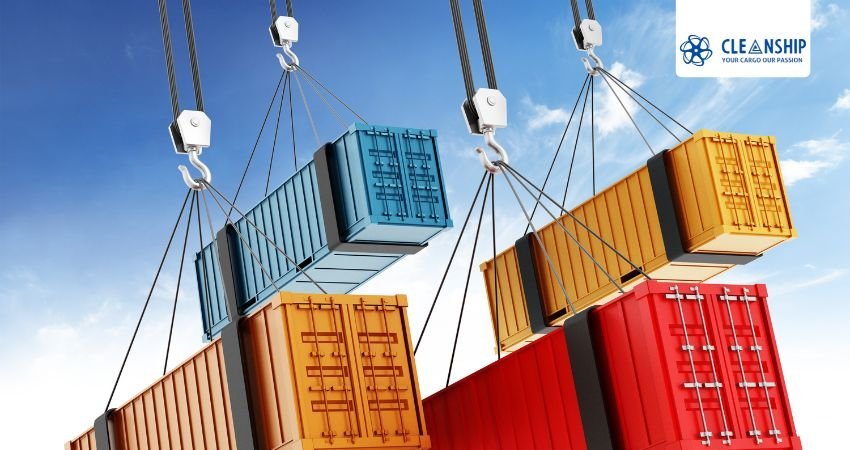
The TT Club, emphasizes its ongoing commitment to handling the persistent issue of container losses at sea, which fluctuate annually due to extreme weather conditions. As explained, understanding the circumstances that lead to stack collapse and losses overboard incidents is of course important in mitigating the danger. TT applauds the World Shipping Council initiative to publish the details of the annual survey into container loss and recognizes the lowest level of recorded losses during 2023, including the important fact that around 33% of units initially lost are subsequently rescued. Nevertheless, TT’s own analysis of historic incidents clearly shows that weather is the single most influential aspect. Furthermore, the data demonstrate that this is far more difficult a challenge, involving a wide range of interconnected operations. While the focus is, not wholly unreasonably, mostly on ship operations, TT has long recognised that all participants in the freight supply chain carry responsibility. When the transport order is initially placed the accuracy of the verified gross mass (VGM) is pivotal, as is the right load allocation and securing when packing cargo into the container. Consequently, TT’s cargo goodness campaign remains central to its work, alongside partners in the Cargo Integrity Group.
Read more
Bulk carrier hold cleaning in india

Bulk Carrier Hold Cleaning in India

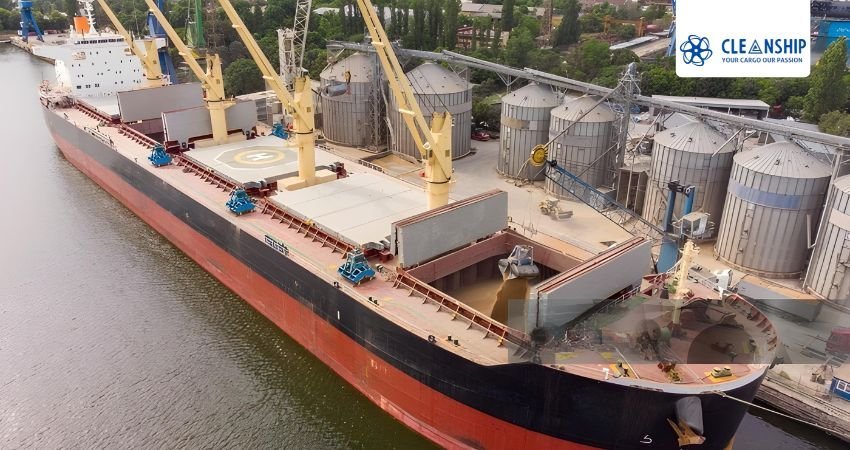
Bulk carrier hold cleaning in India, with its extensive coastline and strategic maritime position, plays an important role in international trade, particularly in bulk cargo transportation. Bulk carriers, the workhorses of the maritime industry, are responsible for transporting massive quantities of raw substances like coal, iron ore, grains, and fertilizers. To preserve the integrity of these cargoes and comply with global standards, meticulous hold cleaning of bulk carriers is required. Importance of Bulk Carrier Hold Cleaning Bulk carrier hold cleaning is an essential method that guarantees the safe and contamination-free transportation of numerous cargoes. Residues from earlier cargoes, dust, and rust can compromise the grade of the new load, leading to economic losses and possible legal issues. Moreover, compliance with international maritime guidelines and requirements is obligatory to avoid consequences and ensure clean operations. 1. Compliance with Regulations: Global maritime policies, together with those set by the International Maritime Organization (IMO), mandate the cleanliness of shipment holds. Non-compliance can result in big fines, arrests, and reputational damage. 2. Preventing Contamination: Various types of shipments have unique needs. For example, food grains have to be separated from contaminants that could compromise their quality. Thorough cleaning prevents cross-contamination among successive cargoes. 3. Maintaining Cargo Integrity: Detrita from previous shipments can chemically react with new shipments, leading to spoilage or damage. Hold cleaning guarantees that the holds are free from this kind of residue. 4. Enhancing Operational Efficiency: Clean holds promote smoother loading and unloading operations, decreasing turnaround times at ports and improving average operational efficiency. Methods of Hold Cleaning The methods employed in bulk carrier hold cleaning in India vary depending on the type of cargo and the quantity of infection. General strategies include: 1. Manual Cleaning: This entails the use of brooms, shovels, and other hand-held gear to dispose of residues. While labor-intensive, manual cleaning is powerful for dealing with stubborn residues and achieving inaccessible regions. 2. High-Pressure Washing: Utilizing high-pressure water jets, this technique is effective for dislodging and putting off bulk residues. It is particularly beneficial for cleaning coal, minerals, and other dry bulk cargoes. 3. Chemical Cleaning: For cargoes that go away with oily or sticky residues, chemical cleaning retailers are used to break down the contaminants. This method guarantees thorough cleaning and sanitization of the holds. 4. Vacuum Systems: Advanced vacuum structures are employed to suck out unfastened residues and dust. This approach is speedy and minimizes the threat of recontamination. 5. Steam Cleaning: Steam is used to sanitize and clean holds, especially when dealing with food-grade cargoes. It confirms the removal of bacteria and other microorganisms. Challenges in Bulk Carrier Hold Cleaning in India 1. Varied Cargo Types: The various range of shipments transported with the aid of bulk carriers way that cleaning needs can vary substantially. Every type of shipment leaves specific residues, necessitating specific cleansing strategies. 2. Accessibility and Safety: Cargo holds are large, confined areas, often making them hard to get entry to and easy to thoroughly. Confirming the protection of cleaning employees is paramount, given the dangers of operating in such environments. 3. Environmental Concerns: The removal of cleaning residues and washing water must follow environmental rules to save you from marine pollution. Endurable and eco-friendly cleaning practices are necessary. 4. Time Constraints: Cargoes often have tight schedules, leaving limited time for hold cleaning between ships. Efficient and powerful cleaning strategies are required to meet these time constraints. Advancements and Innovations The bulk carrier hold cleaning in India industry is witnessing technological advancements aimed toward improving performance and decreasing human exertions. Robotic cleaning structures and automated high-strain washing machines are being increasingly followed. These improvements not only enhance cleaning quality but also ensure employee safety by minimizing manual work in dangerous environments. Read Also: Hold Cleaning Service in Kakinada Port: Ensuring Quality and Efficiency Conclusion Bulk carrier hold cleaning in India is an essential aspect of the maritime industry, making sure the secure and contamination-free transportation of cargo. The system includes a mixture of traditional methods and technological improvements to obtain thorough cleaning even as maintaining compliance with international guidelines. As the industry evolves, the adoption of modern cleaning technology maintains enhanced performance and safety, reinforcing India’s function in the international maritime trade community. FAQs:
Read more
Hold Cleaning Service in Mumbai Port

Hold Cleaning Service in Mumbai Port

The bustling maritime hub of Mumbai Port is the gateway to India’s worldwide trade. With its strategic area and vast infrastructure, it handles a large volume of shipments annually. Among the important services that confirm smooth operations in this port is the hold cleaning service. Hold cleaning service in Mumbai port is important for maintaining the efficiency and protection of bulk carriers, which create the spine of maritime shipment delivery. The Importance of Hold Cleaning Services in Mumbai Port Hold cleaning service in Mumbai port is a necessary issue of bulk carrier operations. Bulk carrier companies transport various commodities, consisting of grains, coal, minerals, and fertilizers, regularly leaving residues and contaminants in the cargo holds. These residues can compromise the quality of subsequent cargoes, pose protection risks, and lead to regulatory non-compliance. Consequently, thorough hold cleaning is fundamental to confirm the integrity and protection of the cargo, vessel, and team. Methods of Hold Cleaning Service The methods employed in hold cleaning service in chennai port vary depending on the type of cargo and the quantity of infection. General strategies include: 1. Manual Cleaning: This entails the use of brooms, shovels, and other hand-held gear to dispose of residues. While labor-intensive, manual cleaning is powerful for dealing with stubborn residues and achieving inaccessible regions. 2. High-Pressure Washing: Utilizing high-pressure water jets, this technique is effective for dislodging and putting off bulk residues. It is particularly beneficial for cleaning coal, minerals, and other dry bulk cargoes. 3. Chemical Cleaning: Chemical cleaning retailers are used to break down the contaminants of cargo that go away with oily or sticky residues. This method guarantees thorough cleaning and sanitization of the holds. 4. Vacuum Systems: Advanced vacuum structures are employed to suck out unfastened residues and dust. This approach is speedy and minimizes the threat of recontamination. 5. Steam Cleaning: Steam is used to sanitize and clean holds, especially when dealing with food-grade cargoes. It confirms the removal of bacteria and other microorganisms. Challenges in Hold Cleaning Service in Mumbai Port Hold cleaning service in Mumbai Port comes with its set of demanding situations. These include coping with crowded detrita, making sure adherence to worldwide rules, and minimizing environmental impact. However, revolutionary solutions were evolved to deal with these challenges: 1. Varied Cargo Types: The various range of shipments transported with the aid of bulk carriers way that cleaning needs can vary substantially. Every type of shipment leaves specific residues, necessitating specific cleansing strategies. 2. Accessibility and Safety: Cargo holds are large, confined areas, often making them hard to get entry to and easy to thoroughly. Confirming the protection of cleaning employees is paramount, given the dangers of operating in such environments. 3. Environmental Concerns: The removal of cleaning residues and washing water must follow environmental rules to save you from marine pollution. Endurable and eco-friendly cleaning practices are necessary. 4. Time Constraints: Cargoes often have tight schedules, leaving limited time for hold cleaning between ships. Efficient and powerful cleaning strategies are required to meet these time constraints. Read Also: Hold Cleaning Service in Visakhapatnam Port Future Trends in Hold Cleaning Services The future of hold cleaning service in Mumbai port looks promising, with several arising trends set to revolutionize the industry: 1. Automation and Robotics: The integration of advanced robotics and automation will maintain the efficiency and accuracy of hold cleaning operations. Self-reliant robots ready with sensors and AI abilities will carry out complex cleaning duties with minimum human intervention. 2. Green Technologies: Sustainable practices will take middle level, with a focus on lowering the environmental footprint of hols cleaning. Progress in biodegradable cleaning merchants, water recycling systems, and energy-efficient systems will drive eco-friendly operations. 3. Digital Monitoring: Real-time monitoring and information analytics will play an important function in optimizing hold cleaning methods. Digital platforms will offer insights into hold situations, cleaning efficiency, and regulatory compliance, enabling proactive choice-making. Conclusion Hold cleaning services at Mumbai Port are integral to the efficient and safe operation of bulk carriers. With advanced strategies, environmental issues, and a priority point on compliance. These services guarantee that cargoes are transported in new conditions. The continuous evolution of technology and sustainable practices ensure a shiny future for the hold-cleansing industry. Improving the port’s recognition as a leading maritime hub. As Mumbai Port continues to develop and adapt to worldwide trade needs, hold cleaning services will continue to be a cornerstone of its achievement, safeguarding the integrity of cargoes and vessels alike. Frequently Asked Questions 1. Why cleaning of holds is carried out? Ans : When cargo holds are offered for loading cargoes in bulk and they are not clean enough for the intended cargo. 2. What are the hold cleanliness requirements for loading coal? Ans : Cargo holds must be totally cleaned and dry with no traces of earlier cargo in frames, beams, girders, and other structures. 3. What is cargo hold cleaning? Ans : Cargo hold cleaning involves removing remains and impurities from ship holds and ensuring hygiene, safety, and regulatory compliance for new cargo. 4. What is in a cargo hold? Ans : A cargo hold includes various goods or materials transported by a ship, protected from the elements, and securely stored for safety.
Read more
Hold Cleaning Service in Haldia Port

Hold Cleaning Service in Haldia Port

Hold Cleaning Service in Haldia Port, positioned within the Indian state of West Bengal, is an important hub for maritime trade and logistics. It serves as a key entry factor for numerous shipment sorts, which include bulk providers transporting uncooked materials and items. One important service that guarantees the efficient operation of these vessels is maintaining cleansing. Hold cleaning service in Haldia Port has become an essential element of preserving vessel hygiene, securing shipment integrity, and complying with stringent worldwide guidelines. The Importance of Hold Cleaning Services 1. Safety: Assuring that the cargo hold is easygoing from structural harm and dangers prevent accidents and guarantees the protection of the vessel and crew. 2. Quality Control: Inspections verify that the hold is clean, dry, and free from impurities that could harm the cargo. This is important for maintaining the first-class and integrity of products, in particular perishable or sensitive objects. 3. Regulatory Compliance: Adhering to global and country-wide maritime policies is mandatory. Inspections secure compliance with requirements set with the aid of bodies together with the International Maritime Organization (IMO) and the Global Conference for the Protection of Life at Sea (SOLAS). 4. Operational Efficiency: Periodic inspections can determine ability problems early, allowing for well-timed maintenance and renovation, thus minimizing downtime and making sure smooth operations. Advanced Methods in Bulk Carrier Hold Cleaning The hold cleaning service industry has seen great improvements in recent years. Modern techniques and systems have revolutionized the way bulk carrier holds are wiped clean, ensuring thoroughness and efficiency. A number of the present day innovations include: 1. High-Pressure Water Jets: High-pressure water jets are used to extract determined impurities and contaminants from the shipment holds. These jets can reach as much as 2500 PSI, successfully dislodging even the most farseeing substances without damaging the hold surfaces. 2. Chemical Cleaning Agents: Specialized chemical brokers are employed to dissolve and get rid of residues that water jets can not manage. These chemical compounds are cautiously chosen to make sure they do now not harm the environment or the vessel’s structure. 3. Automated Cleaning Systems: Automation has made its way into hold cleaning services, with robot structures now capable of performing cleaning tasks. These robots can navigate via the holds, spraying water or chemicals and scrubbing surfaces with minimum human intervention. 4. Vacuum Systems: Vacuum structures are used to remove free waste and dirt from the cargo holds. These systems are particularly efficient and might clean large areas fast ensuring the holds are ready for the next cargo load. Hold Cleaning Service Provider in Haldia Port 1. Cleanship: cleanship.co/ is known for its comprehensive hold cleaning solutions. They employ a combination of high-pressure water jets, chemical cleaning marketers, and vacuum systems to make sure cargo holds are thoroughly cleaned & wiped, and Read for new shipments. 2. CleanCargo Solutions: CleanCargo Solutions specializes in environmentally friendly hold cleaning services. They use biodegradable cleaning vendors and advanced water recycling methods to minimize their environmental impression. 3. EcoClean Marine: EcoClean Marine delivers automated hold cleaning services using state-of-the-art computerized procedures. Their robots can clean cargo holds fast and efficiently, decreasing downtime and improving working efficiency. Best Practices for Effective Hold Cleaning 1. Pre-Cleaning Inspection: Before beginning the cleaning method, a thorough inspection of the shipment holds is executed. This enables identify any areas that require special attention and ensures that the cleaning procedure is tailored to the particular needs of the vessel. 2. Proper Equipment Selection: The choice of a suitable cleaning method is important for achieving top-of-the-line consequences. Huge-pressure water jets, chemical vendors, and vacuum systems should be selected based on the type and volume of detrital present inside the holds. 3. Environmental Considerations: Environmental regulations must be taken into consideration when performing hold cleaning services. The use of biodegradable cleaning brokers and water recycling facilities can help minimize the environmental impact of the cleaning technique. 4. Post-Cleaning Inspection: After the cleaning procedure is complete, a final inspection is carried out to make certain that each residue has been removed and the holds are ready for brand-new cargo. This inspection helps identify any areas that could require additional cleaning. Challenges in Hold Cleaning Service in Haldia Port Hold cleaning service in Haldia Port comes with its set of demanding situations. These include coping with crowded detrita, making sure adherence to worldwide rules, and minimizing environmental impact. However, revolutionary solutions were evolved to deal with these challenges: 1. Varied Cargo Types: The various range of shipments transported with the aid of bulk carriers way that cleaning needs can vary substantially. Every type of shipment leaves specific residues, necessitating specific cleansing strategies. 2. Accessibility and Safety: Cargo holds are large, confined areas, often making them hard to get entry to and easy to thoroughly. Confirming the protection of cleaning employees is paramount, given the dangers of operating in such environments. 3. Environmental Concerns: The removal of cleaning residues and washing water must follow environmental rules to save you from marine pollution. Endurable and eco-friendly cleaning practices are necessary. 4. Time Constraints: Cargoes often have tight schedules, leaving limited time for hold cleaning between ships. Efficient and powerful cleaning strategies are required to meet these time constraints. Conclusion Hold cleaning service in Haldia Port is an important part of assuring the efficient operation of bulk carriers. With the modern improvements in cleaning strategies and equipment, hold cleaning service in Haldia Port are nicely prepared to address the demanding situations of cleaning. By following first-class practices and adopting progressive solutions, these carriers can ensure cargo integrity, regulatory compliance, and environmental sustainability. As the industry keeps evolving, the future of hold cleaning services seems promising, with new technologies and practices set to revolutionize the manner shipment holds are cleaned. FAQs:
Read more
Bulk Carrier

How Are Bulk Carriers Cleaned?

Bulk carriers are the workhorses of the maritime industry, transporting extensive quantities of raw materials along with coal, grain, ore, and cement throughout the globe. Because of the character of the shipment, keeping cleanliness on those vessels is required for operational performance, protection, and compliance with global standards. The cleaning method of bulk carriers is difficult and multifaceted, involving different techniques, tools, and problems. In this article we will give you complete info on ways bulk providers are cleaned, highlighting the importance and methods used in this important aspect of maritime operations. Importance of Cleaning Bulk Carriers Cleaning bulk carriers is required for several reasons: 1. Cargo Safety: Residual cargo can contaminate the new load, affecting its quality and marketplace cost. For example, remnants of coal can harm agricultural merchandise. 2. Preventing Cross-Contamination: One-of-a-kind shipment types can react with every different, imposing safety dangers. Powerful cleaning prevents such dangers. 3. Compliance: International maritime guidelines require ships to be wiped clean to prevent environmental pollutants and hold hygiene standards. 4. Efficiency: Clean ships ensure smoother operations, lowering downtime and maintenance costs. Preparation for Cleaning Before cleaning begins, several preceding steps are undertaken: 1. Inspection: An intensive inspection is carried out to evaluate the kind and volume of residues present. 2. Planning: A cleaning plan is developed mainly based on the cargo kind, residue quantity, and required cleanliness stage. 3. Safety Measures: Making sure safety is paramount. Protecting gear, right airflow, and safety protocols are installed location to protect the group from dangerous substances. Cleaning Methods Cleaning methods for bulk carriers vary depending on the type of shipment residues and the ship’s design. The primary plans consist of: 1. Dry Cleaning 1. Sweeping: The first step entails sweeping the cargo to eliminate loose residues. this can be accomplished manually or with the use of mechanized sweepers. 2. Vacuuming: Industrial vacuums are used to suck up the finer waste that sweeping cannot dispose of. 3. Scraping: Stubborn residues stuck to surfaces are scraped off using handheld or mechanical scrapers. 2. Wet Cleaning 1. High-Pressure Washing: High-stress water jets are employed to dislodge and wash away residues. This process is powerful for destroying sticky or compacted materials. 2. Chemical Cleaning: Specialized cleaning agents are used to dissolve or loosen residues that water on its own can not remove. The choice of chemicals depends upon the kind of shipment formerly carried. 3. Steam Cleaning: Steam is used to clean and disinfect the holds, particularly useful for natural ruins or whilst a high level of sanitation is needed. 3. Drying: After wet cleaning, the cargo holds must be thoroughly dried to control corrosion and prepare for the following load. Ventilation fans and dehumidifiers are commonly used for this reason. Specialized Cleaning Techniques In certain cases, specialized cleaning procedures are required: 1. Cargo-Specific Cleaning: Certain cargoes like cement, fertilizers, or chemical substances require specific cleaning protocols to successfully dispose of residues and prevent contamination. 2. Robot-Assisted Cleaning: Advanced technology, which includes cleaning robots, is increasingly being used. Those robots can access hard-to-attain areas and provide extra efficient and thorough cleaning. Challenges in Cleaning Bulk Carriers Cleaning bulk carriers comes with its own set of challenges: 1. Residue Adherence: A few cargoes, like cement or coal, go away residues that adhere strongly to surfaces, making them difficult to destroy. 2. Structural Complexity: The layout and shape of cargo holds could make getting right of entry and cleaning hard, particularly in corners and tight spaces. 3. Environmental policies: Complying with strict environmental guidelines regarding waste disposal and chemical use requires cautious planning and execution. Environmental Considerations Environmental sustainability is a significant consideration in the cleaning process: 1. Waste Management: Residues and cleaning waste must be disposed of responsibly to save you from environmental pollution. This includes the right collection, treatment, and disposal in keeping with worldwide policies. 2. Chemical Use: The usage of cleaning chemical substances is cautiously managed to limit environmental effects. Biodegradable and non-toxic chemical substances are desired. Read Also: What Is The Purpose Of Hold Cleaning Conclusion The cleaning of bulk carriers is an important process that guarantees the safe, efficient, and compliant operation of these maritime giants. It involves an entirety of manual hard work, superior generation, and strict adherence to protection and environmental standards. Because the shipping industry continues to adapt, so do the methods and technologies utilized in cleaning, making it an ever-advancing discipline that plays an essential function in global trade. Powerful cleaning no longer most effectively protects shipment integrity and delivers longevity however additionally upholds the environmental stewardship that is increasingly demanded in the ultra-modern world. FAQs:
Read more
Hold Cleaning

What is the purpose of hold cleaning?

The purpose of hold cleaning in maritime operations is multifaceted and important for ensuring the safety, efficiency, and regulatory compliance of cargo transportation. Mostly, hold cleaning aims to remove ruins, contaminants, and waste from cargo holds after each shipment. This process controls cross-contamination between different types of cargo, preserving the integrity and quality of goods during transit. Additionally, clean holds contribute to maintaining the structural integrity of vessels by preventing corrosion and damage, thereby extending their operational lifespan. From a regulatory standpoint, clean cargo holds are necessary for compliance with international and local cleanliness standards, which are enforced to prevent the spread of pests, diseases, and pollutants across borders. Purpose of Hold Cleaning Cargo hold cleaning offers several advantages that contribute to efficient maritime operations and cargo management: 1. Ensures Cargo Integrity and Safety The main purpose of hold cleaning is to safeguard cargo goodness during transit. By simply removing residues, contaminants, and waste from previous loads, hold cleaning prevents cross-contamination and ensures that the new cargo arrives at its destination in optimal condition. This process is especially required for sensitive cargoes such as food products, chemicals, and pharmaceuticals, where contamination can lead to significant financial losses and safety risks. 2. Maintains Vessel Structural Integrity Regular hold cleaning helps maintain the structural goodness of the vessel itself. Residues left unchecked can lead to corrosion, weakening the hull and compromising its seaworthiness. By cleaning cargo holds regularly, ship owners and operators mitigate the risk of structural damage and extend the lifespan of their vessels. 3. Facilitates Regulatory Compliance Hold cleaning is necessary for compliance with international and local regulations governing maritime transport. Authorities set strict cleanliness standards to prevent the spread of pests, diseases, and pollutants across borders. Vessels must undergo inspections to verify compliance with these regulations, and clean cargo holds are a fundamental requirement for obtaining clearance to load or unload cargo at ports worldwide. 4. Improves Operational Efficiency Efficient hold cleaning practices miscalculate turnaround times at ports. Clean holds reduce the risk of delays due to quarantine or inspection issues, ensuring that vessels can quickly unload and load cargo. This efficiency is important for maintaining tight shipping schedules and meeting customer demands, thereby enhancing overall operational productivity. Advantages of Hold Cleaning While hold cleaning offers numerous benefits, it also comes with different advantages: 1. Enhanced Cargo Quality Clean cargo holds contribute to maintaining the quality and market value of transported goods. Customers receiving uncontaminated cargo are more likely to trust the shipping company, fostering long-term business relationships and customer satisfaction. 2. Cost Savings Investing in regular hold cleaning can lead to cost savings in the long run. Preventing corrosion and structural damage through aggressive maintenance reduces the need for costly repairs and extends the operational life of the vessel. Additionally, avoiding delays and fines associated with non-compliance can result in significant financial savings for shipowners. 3. Environmental Protection Clean cargo holds minimize the risk of accidental spills or leaks of pollutants into marine environments. By adhering to cleanliness standards and using eco-friendly cleaning products, shipping companies demonstrate their commitment to environmental stewardship and sustainable practices. 4. Crew Safety Maintaining clean cargo holds enhances onboard safety for crew members. A clean working environment reduces the risk of slips, trips, and exposure to unsafe substances, promoting a healthier and more productive workforce. Disadvantages of Hold Cleaning Despite its benefits, hold cleaning also presents some challenges and potential disadvantages: 1. Time and Labor Intensive Cleaning large cargo holds requires significant time and labor resources. Depending on the size of the vessel and the nature of the cargo residues, the cleaning process can be time-consuming and physically demanding for crew members. 2. Chemical Exposure The use of cleaning agents and chemicals poses potential health risks to personnel involved in hold cleaning operations. Proper training and safety protocols are essential to minimize disclosure and ensure the safe handling of cleaning products. 3. Operational Disruptions Scheduled hold cleaning can disrupt vessel operations and logistics planning. Shipowners must carefully schedule cleaning activities to minimize downtime and avoid conflicts with loading and unloading schedules at ports. 4. Cost Considerations Investing in equipment, cleaning products, and trained personnel for hold cleaning incurs additional operational costs for shipping companies. While these costs are necessary for maintaining compliance and operational efficiency, they can impact profit margins, particularly in competitive shipping markets. Read Also: Why Prioritize Cargo Hold Cleaning in Bulk Carriers? Conclusion Hold cleaning plays an essential role in maintaining maritime safety, cargo integrity, and regulatory adherence. While it requires investment in time, resources, and adherence to safety standards, the benefits outweigh the challenges. By prioritizing regular and thorough hold cleaning practices, shipping companies can enhance operational efficiency, protect the environment, ensure crew safety, and uphold their reputation in the global shipping industry. FAQs:
Read more
Cargo Hold Cleaning

Why Prioritize Cargo Hold Cleaning in Bulk Carriers?

Bulk carriers are important in global trade, transporting massive quantities of commodities such as grains, ores, and coal across oceans. These vessels are indispensable to the world economy, but their efficiency and safety heavily depend on proper maintenance, especially in the often overlooked aspect of cargo hold cleaning. Here’s why prioritizing cargo hold cleaning is essential for bulk carriers: 1. Preventing Contamination and Cross-Contamination Cargo holds in bulk carriers are designed to carry a wide range of dry bulk commodities. Residual cargo left behind after a shipment can contaminate subsequent cargoes, leading to quality issues and financial losses for both shipowners and cargo owners. For example, traces of minerals or chemicals from one cargo can affect the quality and goodness of food grains or other sensitive commodities in the next load. Proper cleaning mitigates these risks by ensuring that holds are free from residues and contaminants. 2. Maintaining Cargo Goodness Certain cargoes, such as grains and minerals, are particularly susceptible to contamination and degradation. Moisture, heat, and residues can accelerate spoilage, leading to significant financial losses. Cargo hold cleaning helps maintain the integrity of these commodities by removing potential contaminants and creating a clean, dry environment suitable for the next cargo. This process is critical for preserving the quality and market value of transported goods. 3. Ensuring Compliance with Regulations International regulations, such as the International Maritime Organization’s (IMO) guidelines on cargo residue disposal and the prevention of pollution during cargo operations, mandate that vessels must clean cargo holds thoroughly to prevent environmental contamination. Compliance with these regulations is not only a legal requirement but also crucial for maintaining the reputation and operational licenses of shipping companies. Regular cleaning ensures adherence to environmental standards and reduces the risk of penalties or sanctions. 4. Enhancing Operational Efficiency Clean cargo holds contribute to the overall efficiency of bulk carriers. A well-maintained vessel can load and unload cargo more quickly and efficiently, reducing port turnaround times. This efficiency translates into cost savings for shipowners and charterers, as faster turnarounds increase the vessel’s earning potential and operational flexibility. Moreover, clean holds reduce the likelihood of delays caused by inspections or disputes over cargo quality. 5. Minimizing Safety Risks Cargo hold cleaning is not only about maintaining cargo quality but also about ensuring the safety of onboard personnel. Residues and contaminants left in holds can pose health risks to crew members involved in loading, unloading, or cleaning operations. Proper cleaning practices, including using appropriate personal protective equipment (PPE) and cleaning agents, mitigate these risks and create a safer working environment onboard bulk carriers. 6. Extending Vessel Lifespan Regular maintenance, including thorough cargo hold cleaning, contributes to the longevity of bulk carriers. Residues left unchecked can lead to corrosion and structural damage over time, compromising the vessel’s structural integrity. By preventing corrosion and maintaining cleanliness, shipowners can extend the operational lifespan of their vessels and reduce maintenance costs associated with premature wear and tear. 7. Upholding Industry Standards and Best Practices In an industry where reputation and reliability are paramount, adhering to high standards of cleanliness and maintenance distinguishes reputable shipping companies from their competitors. Investors, insurers, and customers alike value adherence to industry best practices, including rigorous cargo hold cleaning protocols. By prioritizing cleanliness, shipowners demonstrate their commitment to operational excellence and sustainability. Conclusion The importance of cargo hold cleaning in bulk carriers cannot be overstated. Beyond regulatory compliance and operational efficiency, it directly impacts cargo integrity, crew safety, and the overall lifespan of vessels. As global trade continues to expand, the need for clean, efficient bulk carriers will only grow. Investing in thorough and regular cargo hold cleaning is not just a necessity but a strategic decision that enhances both operational reliability and sustainability in the maritime industry. By prioritizing this aspect of maintenance, stakeholders ensure that bulk carriers remain indispensable contributors to global commerce well into the future. FAQs:
Read more
Shopping Cart (0 items)