



- Your cart is empty Browse Shop
03
Feb, 26
Hold Cleaning in Port Rashid: 7 Proven Solutions
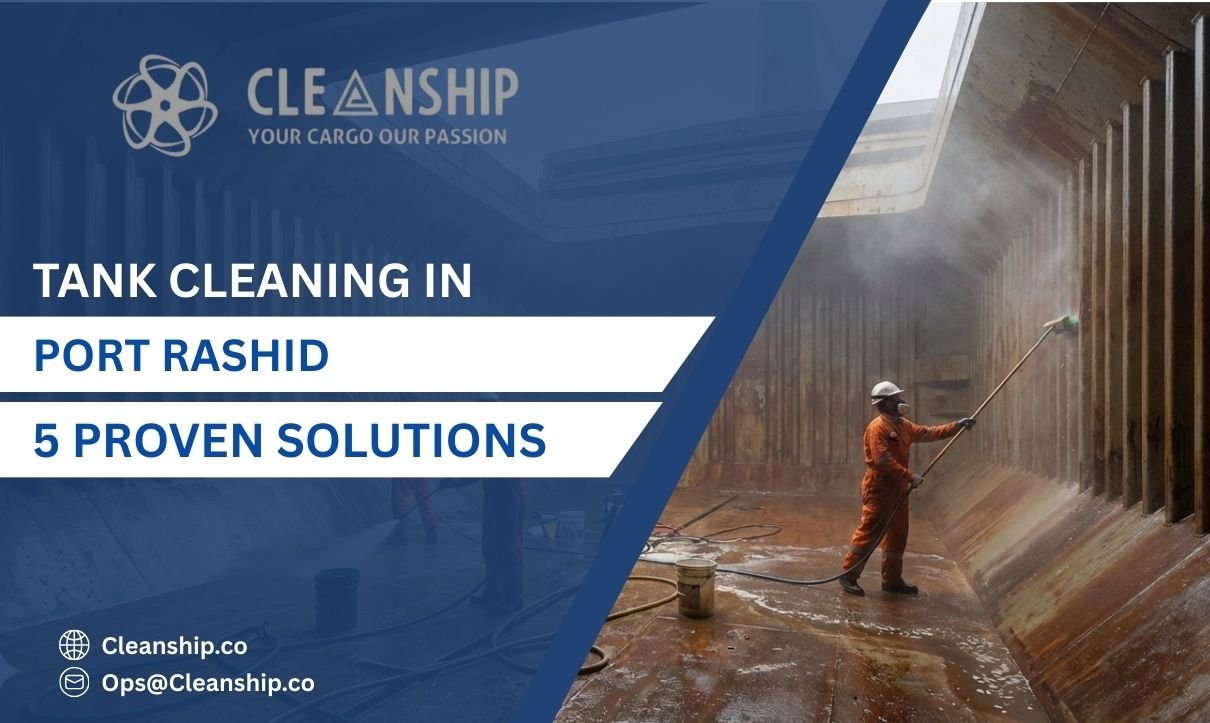
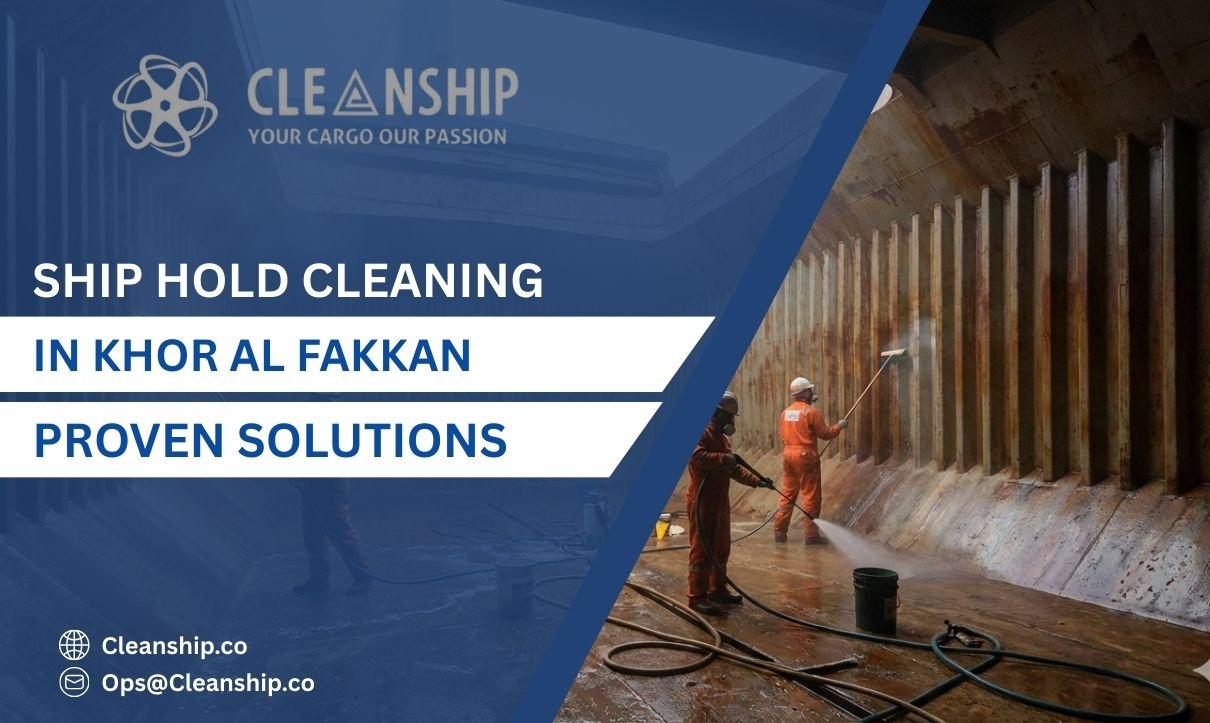
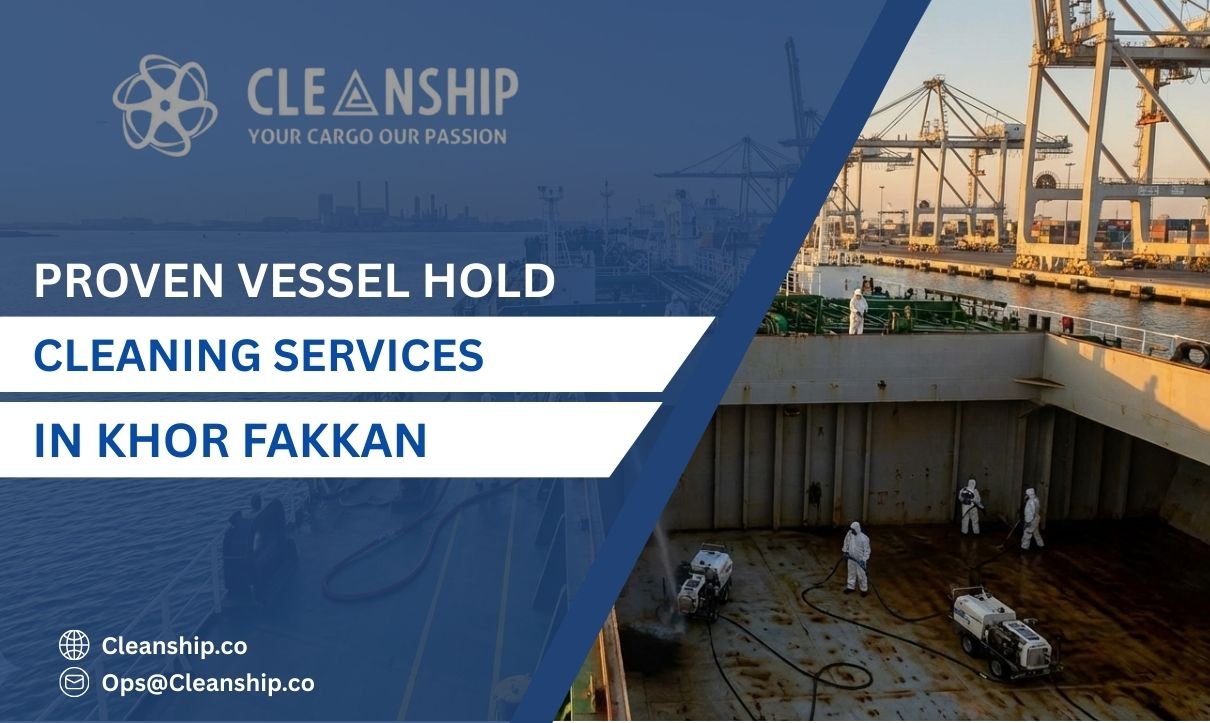
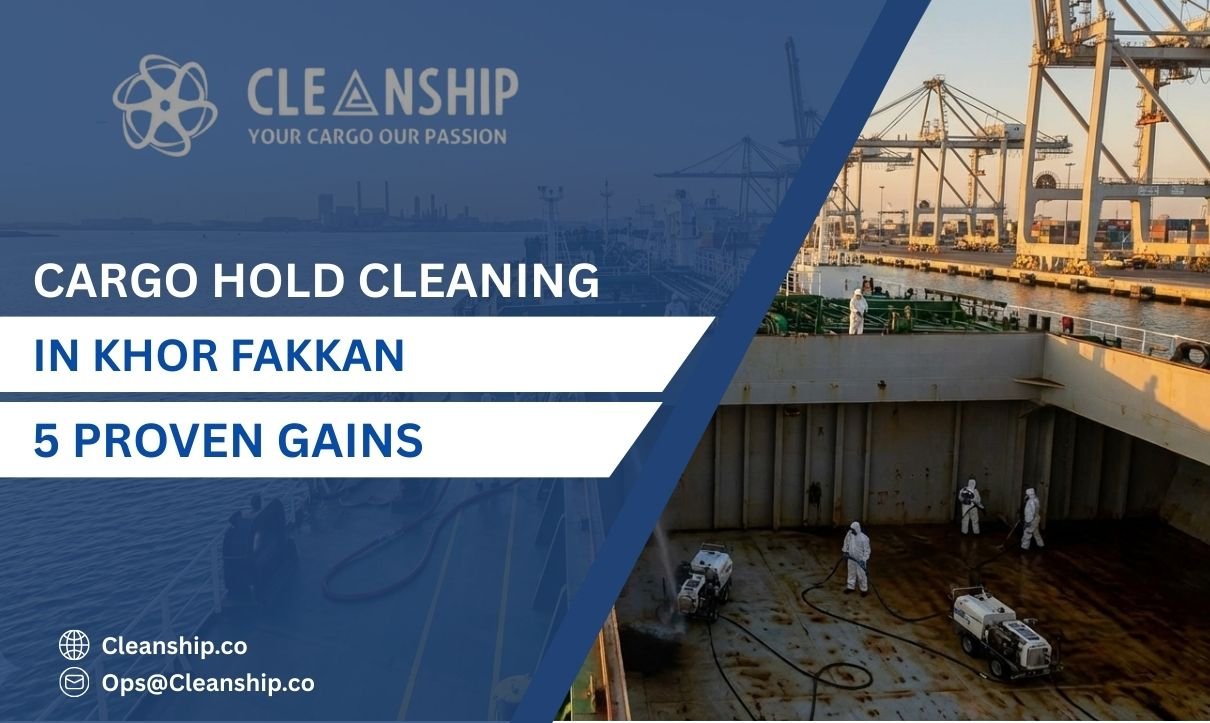
Proven Solutions for Hold Cleaning in Port Rashid Port Rashid has grown into one of the UAE’s most strategically important maritime hubs. As cargo volumes increase and vessel turnaround times tighten, hold cleaning is no longer a routine task. It is a compliance-critical operation that affects safety, cargo quality, and port reputation. When you operate in this environment, you are not just cleaning steel compartments; you are protecting trade flows, people, and ecosystems. This article explains seven proven, field-tested solutions used by experienced operators to meet modern standards for hold cleaning in Port Rashid, while staying aligned with international regulations and practical shipboard realities. Why the UAE Leads in Marine Cleaning Standards The UAE sits at the crossroads of global shipping routes connecting Asia, Europe, and Africa. Ports here handle diverse cargoes, from bulk grains and fertilizers to minerals and project cargo. This diversity demands:• High cleaning precision• Rapid compliance checks• Strong coordination between ship, port, and service providers Ports like Rashid have responded by aligning local practices with global frameworks set by the IMO, MARPOL Convention, IMCA, and IAPH. The result is a regulatory culture where cleaning quality directly influences vessel clearance and commercial efficiency. Understanding Modern Cargo Hold Cleaning A cargo hold is the ship’s warehouse. Any residue left behind can contaminate the next cargo, violate charter party terms, or trigger inspection failures. Modern hold cleaning focuses on:• Residue removal• Surface condition restoration• Moisture control• Documentation readiness You and your crew must treat cleaning as a controlled process, not a rushed washdown. Solution 1: Cargo-Specific Cleaning Planning No two cargoes behave the same. Coal dust, sulfur residue, and grain husks each require different cleaning strategies. Effective planning starts with:• Reviewing the previous cargo MSDS• Understanding the next cargo’s sensitivity• Selecting appropriate cleaning agents and water pressure This approach minimizes rework and prevents hidden contamination that inspectors often catch. Solution 2: Compliance-Driven Hold Preparation Practices International conventions don’t just suggest best practices; they enforce them. MARPOL sets pollution controls, while IMO guidelines define safety and operational benchmarks. A compliance-driven approach includes:• Segregation of wash water• Controlled disposal of residues• Documentation aligned with port state control expectations These steps ensure your vessel clears inspections smoothly at Port Rashid. Read more about Bulk Carrier Hold Cleaning in Dhor Al Fakkan: 6 Powerful Gains. Solution 3: Skilled Manual Cleaning and Mechanical Support Technology helps, but human expertise remains essential. Trained teams know where residues hide: under stiffeners, behind frames, and along bilges. Best practice combines:• Manual scraping and sweeping• High-pressure washing systems• Mechanical lifting tools for safe access This hybrid method balances efficiency with precision, especially in older bulk carriers. Solution 4: Safety-First Confined Space Operations Cargo holds are confined spaces with real risks: oxygen deficiency, toxic vapors, and structural hazards. Professional operations follow IMCA-aligned safety protocols:• Gas testing before entry• Permit-to-work systems• Continuous ventilation• Emergency rescue readiness When safety is built into cleaning operations, productivity improves and incidents decline. Read more about Tank Cleaning in Dhor Al Fakkan: 7 Powerful Safety Wins. Solution 5: Environmental Controls and Waste Management Environmental protection is not optional in UAE ports. Improper discharge can result in heavy penalties and reputational damage. Effective environmental controls include:• Collection of solid residues• Proper segregation of wash water• Approved disposal channels These practices support MARPOL compliance and reflect the environmental responsibility expected at Port Rashid. Solution 6: Inspection Readiness and Documentation Workflow Cleaning is only complete when it is verifiable. Inspectors look for evidence as much as results. A strong workflow covers:• Pre-cleaning condition reports• Cleaning checklists• Final inspection records• Photo documentation Marine supercargo professionals often support this phase, ensuring alignment with charter requirements and World Ports standards. Solution 7: Partnering with Experienced Marine Service Providers Experienced operators understand the rhythm of port operations. Companies such as Cleanship.co are often referenced within the industry as examples of global practice, offering tank and hold cleaning, cargo supervision, compliance support, and crew drug and alcohol testing services. These services integrate cleaning with safety and compliance, reducing coordination gaps and operational risk. Tank, Hold, and Bulk Carrier Cleaning Standards Explained Different spaces demand different standards:• Tanks require degassing and chemical control• Holds focus on residue and moisture management• Bulk carriers emphasize structural cleanliness and bilge condition Understanding these distinctions helps you apply the right method in the right space. Regulatory Frameworks That Shape Cleaning Operations Four global bodies influence daily practice:• IMO defines maritime safety and pollution standards• MARPOL Convention governs waste and discharge• IMCA sets operational safety benchmarks• IAPH aligns port-level practices globally Together, they create a system where cleaning quality directly affects vessel clearance. Cost Efficiency Through Preventive Cleaning Thorough cleaning reduces:• Cargo claims• Off-hire time• Emergency re-cleaning costs Preventive maintenance always costs less than corrective action, especially under tight port schedules. Real-World Example from Port Rashid Operations A bulk carrier discharging fertilizer faced strict inspection before loading grain. A structured cleaning plan, combined with documented inspections, allowed clearance within hours instead of days. The lesson is simple: preparation saves time. Future Trends in Marine Cleaning Innovation The industry is moving toward:• Eco-friendly cleaning agents• Remote inspection tools• Digital compliance records• Enhanced crew safety monitoring These innovations improve transparency and reduce environmental impact without slowing operations. Conclusion Professional hold cleaning in Port Rashid is a compliance-driven process, not a checklist task. Three key takeaways matter most. First, cargo-specific planning prevents contamination and delays. Second, safety and environmental controls protect people, ports, and profits. Third, documentation and inspection readiness determine how smoothly your vessel moves through port. As regulatory expectations rise, working with experienced maritime service providers becomes a strategic decision. For operators seeking compliance, safety, and operational excellence, Cleanship.co stands as a professional example within the global marine cleaning ecosystem. FAQs: