Hold cleaning service in UAE

  • Home
  • Blog
  • Tag: Hold cleaning service in UAE
  • Page 4
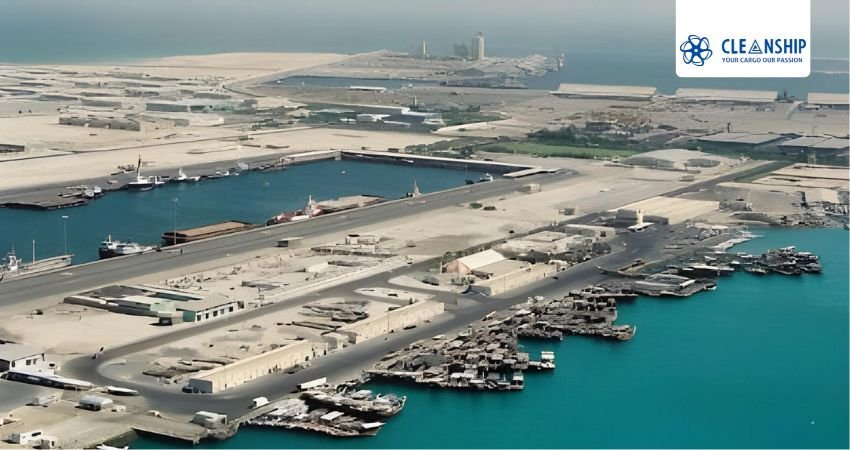
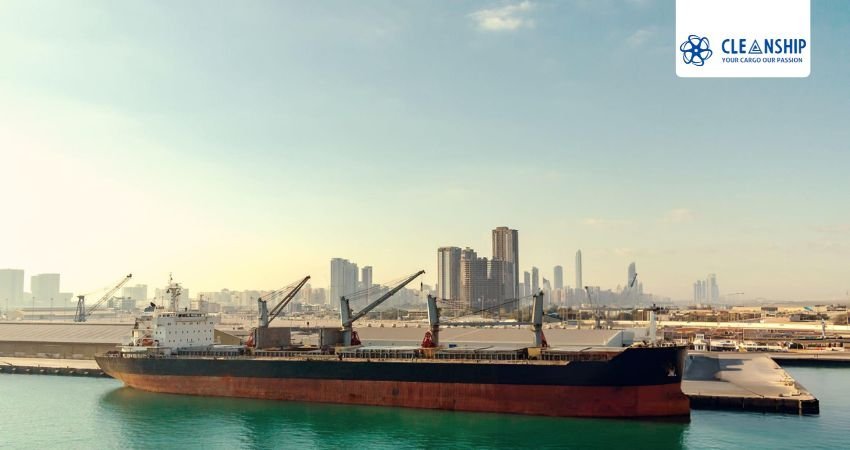
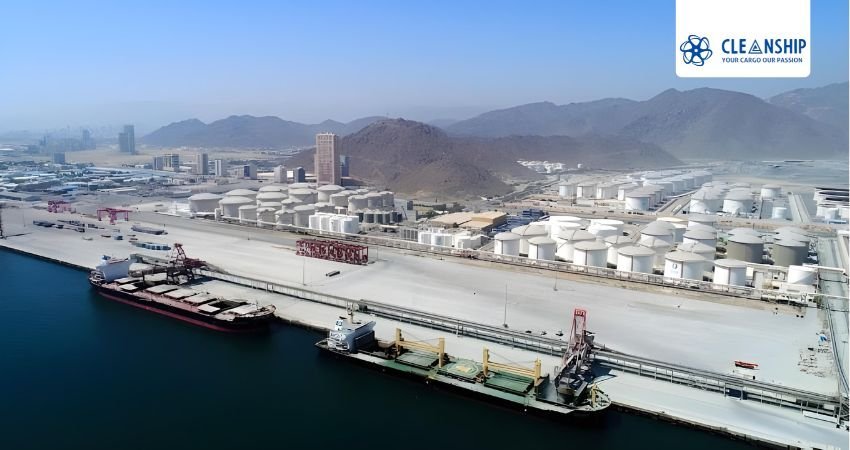
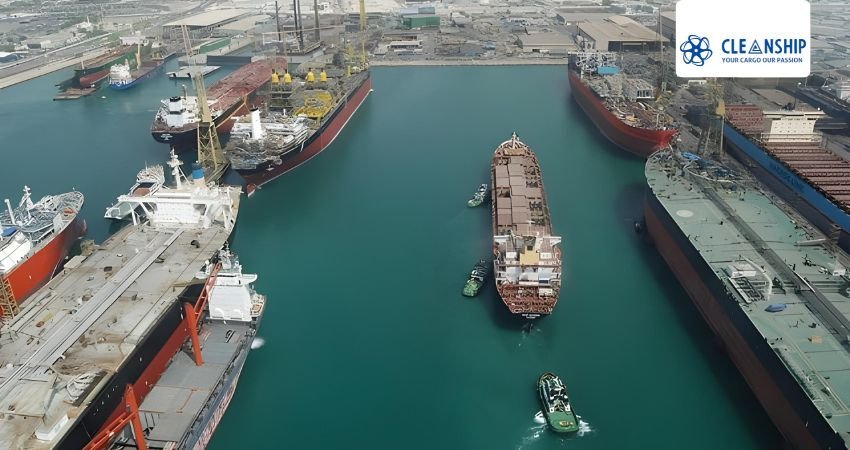
Ship hold cleaning services in Ajman Port

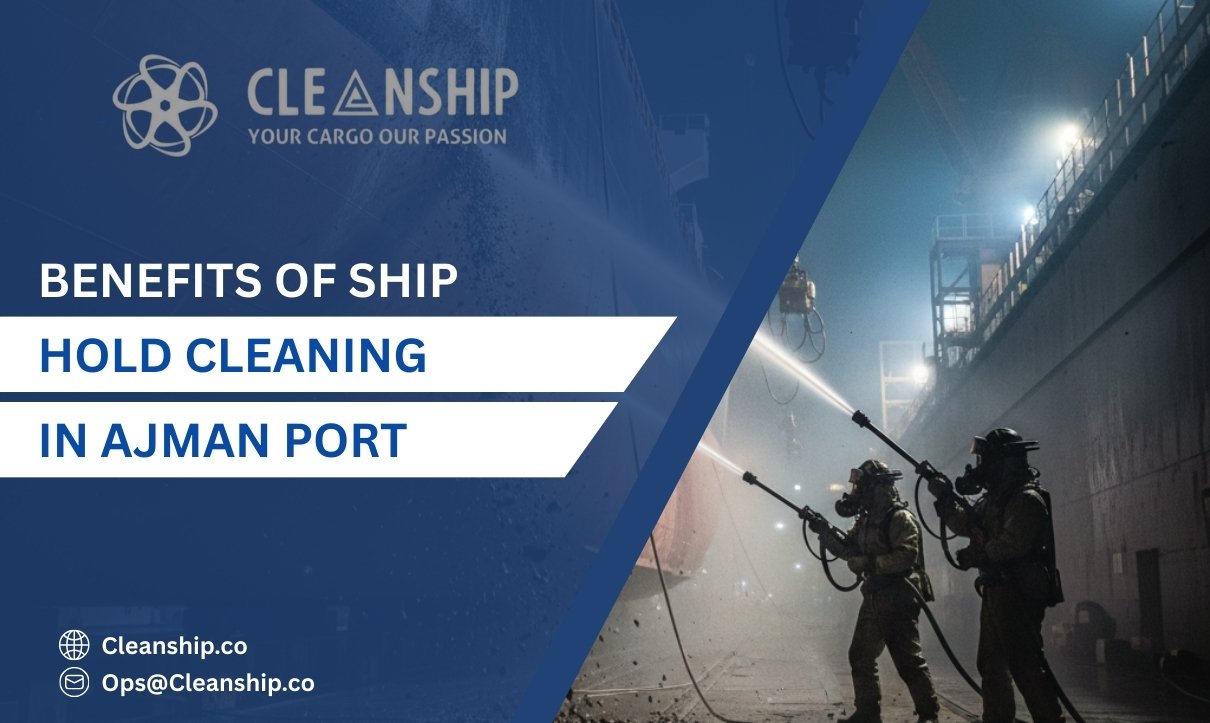
7 Proven Benefits of Ship Hold Cleaning in Ajman Port

Ship hold cleaning in Ajman Port is not a routine port service. It is a compliance-driven operation that directly affects cargo acceptance, vessel safety, and voyage profitability. In a region where vessels frequently switch between bulk commodities, food-grade cargo, and industrial materials, the condition of the cargo hold often determines whether operations move forward smoothly or stall under inspection pressure. Ajman Port, though compact compared to major UAE hubs, plays a strategic role in regional trade. Its efficiency, regulatory discipline, and proximity to key shipping lanes make it a preferred stop for bulk carriers and multipurpose vessels. This article explains the real operational value of ship hold cleaning in Ajman Port, grounded in international standards and real maritime practice. Ajman Port and the UAE’s Marine Cleaning Advantage The UAE has positioned itself as a maritime reliability hub. Ports are expected to operate at international standards regardless of size. Ajman Port reflects this philosophy. Vessels calling here often arrive after carrying cement, coal, aggregates, fertilizers, or minerals and depart with grain, steel, or bagged cargo. Ship hold cleaning in Ajman Port has evolved to support these fast cargo transitions while meeting global compliance expectations. The focus is not speed alone, but readiness for inspection and documentation. Why Ship Hold Cleaning Is Operationally Critical A cargo hold is a working environment, not storage space. Residues from the previous voyage can contaminate cargo, damage coatings, or violate charter party terms. Ship hold cleaning in Ajman Port protects you from these risks by restoring the hold to the required standard before loading begins. Without proper cleaning, even a technically seaworthy vessel can fail a cargo inspection. Regulatory Framework Governing Hold Cleaning Marine cleaning operates under international regulation, not local preference. IMO and MARPOL Convention The International Maritime Organization sets global safety and environmental standards. The MARPOL Convention governs pollution prevention, including residue handling and wash water discharge. Ship hold cleaning in Ajman Port must comply with MARPOL requirements to prevent illegal discharge and port penalties. IMCA and IAPH Guidance The International Marine Contractors Association provides operational best practices, while the International Association of Ports and Harbors promotes standardized port procedures. Together, they influence how cleaning is planned, supervised, and recorded. Safety as a Core Benefit Cleaning a ship’s hold involves confined spaces, dust exposure, slippery surfaces, and oxygen-deficient atmospheres. Ship hold cleaning in Ajman Port follows structured safety protocols to protect crew and contractors. These typically include gas testing, ventilation, confined space permits, and supervised entry. In industry practice, companies such as Cleanship.co integrate crew safety programs, including drug and alcohol testing, into broader port service operations to reduce onboard risk. Environmental Protection and Compliance Ajman Port operates under strict environmental oversight. Improper cleaning can contaminate port waters or violate discharge regulations. Ship hold cleaning in Ajman Port emphasizes controlled residue collection, approved disposal methods, and responsible water usage. Environmental compliance is documented and auditable, not assumed. Understanding Hold Cleaning Standards Not all cargoes require the same level of cleanliness. Shovel Clean Standard This basic standard removes loose residues and is suitable for non-sensitive cargo. It still requires systematic work to satisfy visual inspection. Grain Clean Standard This is one of the most demanding standards. Holds must be free of residues, odor, rust scale, and moisture. Ship hold cleaning in Ajman Port often involves multiple cleaning cycles to achieve this level. Hospital Clean Standard Used for highly sensitive food-grade cargo. The hold must be nearly sterile, with no contamination risk. Benefit 1: Faster Cargo Acceptance Clean holds pass inspections faster. Surveyors focus on critical areas like frames, tank tops, and bilges. Ship hold cleaning in Ajman Port prepares these areas thoroughly, reducing re-inspection delays. Benefit 2: Reduced Risk of Cargo Rejection Cargo rejection is costly. Residual dust or moisture can result in rejection at the loading port. Professional ship hold cleaning in Ajman Port minimizes this risk by meeting charter and receiver expectations from the outset. Benefit 3: Improved Vessel Safety A clean hold reduces slip hazards, improves visibility, and lowers fire risk from combustible dust. Safety improves not just during loading, but throughout the voyage. Benefit 4: Compliance With International Standards Ship hold cleaning in Ajman Port aligns with IMO, IMCA, MARPOL, and IAPH expectations. Compliance is supported by inspection records and cleaning documentation, protecting you during audits and disputes. Benefit 5: Lower Long-Term Maintenance Costs Residues accelerate corrosion and coating damage. Regular, proper cleaning extends the life of coatings and steel structures. Over time, this reduces repair and dry-docking costs. Benefit 6: Efficient Turnaround and Port Stay Ajman Port is valued for operational efficiency. Ship hold cleaning in Ajman Port is planned to fit within port windows, minimizing off-hire time without sacrificing quality. Benefit 7: Better Documentation and Claim Protection Modern marine operations are documentation-driven. Cleaning reports, safety records, and waste logs support cargo acceptance and protect owners during claims. Bulk Carrier Case Example Consider a bulk carrier arriving after discharging coal and scheduled to load wheat. Coal dust settles deep into frames and bilges. Ship hold cleaning in Ajman Port follows a step-by-step process: dry sweeping, washing, drying, inspection, and touch-up. This methodical approach prevents rejection by grain surveyors. Inspection and Compliance Workflow Professional ship hold cleaning in Ajman Port follows a clear workflow: This structure ensures accountability at every stage. Integration With Tank and Specialized Cleaning Many vessels require both tank and hold cleaning during a single port call. Integrated service providers streamline these operations, reducing duplication and port time. Cleanship.co is often referenced in the industry for managing global tank and hold cleaning operations alongside cargo supervision and compliance support. Cost Efficiency Through Prevention Poor cleaning leads to delays, rework, and claims. Ship hold cleaning in Ajman Port focuses on prevention, not shortcuts. Doing the job right once is always cheaper than fixing problems later. Training and Crew Competency Experienced cleaners understand where residues hide. Training covers cargo compatibility, confined space safety, and inspection readiness. This human expertise is a critical factor in inspection success. Future Trends in
Read more
Cargo Hold Cleaning Standards

Cargo Hold Cleaning Standards in Practice: Real-World Case Studies by Cleanship.co

Cargo hold cleaning standards form the backbone of professional maritime operations, establishing comprehensive requirements that ensure contamination removal effectiveness while maintaining regulatory compliance and operational safety. At Cleanship, we’ve successfully implemented cargo hold cleaning standards across thousands of operations, developing proven methodologies that exceed international requirements while delivering superior contamination removal and complete regulatory adherence through systematic standard application. Understanding International Cargo Hold Cleaning Standards Modern cargo hold cleaning standards encompass comprehensive international frameworks designed to ensure contamination removal effectiveness while protecting cargo quality, crew safety, and environmental integrity. The complexity of contemporary maritime regulations demands integrated approaches that address everything from IMSBC Code requirements to MARPOL compliance and port state control inspections. Professional cargo hold cleaning standards have evolved significantly with advancing technology, tightening environmental regulations, and increasing cargo quality requirements throughout the global shipping industry. Today’s standard compliance operations must balance thorough contamination removal with strict regulatory adherence, comprehensive documentation, and enhanced safety protocols. The implementation of proper cargo hold cleaning standards directly impacts operational success, affecting everything from cargo acceptance to regulatory approval and long-term commercial relationships. Non-compliance with established standards can result in cargo rejection, regulatory violations, operational delays, and significant financial penalties that damage operational profitability and reputation. IMSBC Code Compliance and Implementation The International Maritime Solid Bulk Cargoes (IMSBC) Code establishes fundamental cargo hold cleaning standards that govern bulk cargo operations and contamination management protocols. IMSBC Code Cleaning Requirements Professional IMSBC Code compliance addresses comprehensive cargo hold cleaning standards through systematic contamination removal and quality verification: Group A Cargo Standards: Group B Cargo Requirements: Group C Cargo Protocols: Our expert cleaning services ensure complete IMSBC Code compliance through systematic implementation of approved cleaning standards and comprehensive quality verification procedures. Case Study: Coal-to-Grain Transition Compliance Real-world application of cargo hold cleaning standards demonstrates the complexity and precision required for successful IMSBC Code compliance: Initial Contamination Assessment: Cleanship encountered a 180,000 DWT bulk carrier requiring coal-to-grain transition cleaning. Initial assessment revealed extensive coal dust penetration, surface staining, and structural contamination requiring comprehensive cleaning standard implementation. Cleaning Standard Application: Quality Verification Results: Operational Outcome: Successful grain loading approval with zero cargo contamination incidents and complete regulatory compliance achieved through systematic cargo hold cleaning standards implementation. MARPOL Environmental Standards Integration MARPOL environmental standards require comprehensive integration with cargo hold cleaning standards to ensure marine environmental protection while maintaining cleaning effectiveness. Annex I Oil Pollution Prevention Standards Professional oil contamination management addresses cargo hold cleaning standards through comprehensive prevention and treatment protocols: Oil-Contaminated Cleaning Management: Case Study: Petroleum Coke Decontamination: Cleanship managed petroleum coke cleaning requiring strict MARPOL Annex I compliance. The operation involved 50,000 tons of petroleum coke residue with significant oil contamination requiring specialized treatment. Treatment Protocol Implementation: Environmental Compliance Results: Annex V Garbage Management Standards Comprehensive waste management ensures cargo hold cleaning standards compliance while addressing debris and contamination disposal requirements: Waste Classification and Management: Our professional hold cleaning services integrate MARPOL compliance with cleaning effectiveness through comprehensive environmental management systems. OPA 90 and Regional Compliance Standards Oil Pollution Act (OPA 90) requirements create additional cargo hold cleaning standards addressing spill prevention and response capabilities throughout vessel operations. Spill Prevention and Response Integration Professional spill prevention systems ensure cargo hold cleaning standards compliance while protecting marine environments: Prevention System Requirements: Case Study: Chemical Tank Cleaning Emergency Response: Cleanship responded to chemical tank cleaning emergency requiring immediate OPA 90 compliance during unexpected contamination discovery: Emergency Response Implementation: Compliance Achievement Results: Quality Management System Standards ISO 9001 and maritime-specific quality standards enhance cargo hold cleaning standards through systematic quality management and continuous improvement protocols. Quality System Implementation Professional quality management ensures cargo hold cleaning standards achieve consistent results through systematic process control: Process Documentation and Control: Training and Competency Management: Case Study: Food-Grade Certification Achievement Cleanship achieved food-grade certification for cargo hold cleaning standards through comprehensive quality system implementation: Quality Standard Implementation: Certification Results: Our comprehensive tank cleaning services integrate quality management systems with cleaning operations for maximum effectiveness and regulatory compliance. Advanced Technology Integration with Standards Modern cargo hold cleaning standards increasingly require technology integration that enhances compliance verification while improving operational efficiency and safety performance. Digital Compliance Management Advanced digital systems ensure cargo hold cleaning standards compliance through automated monitoring and documentation: Real-Time Compliance Monitoring: Documentation and Audit Support: Performance Analytics and Optimization Advanced analytics enhance cargo hold cleaning standards through data-driven improvement and optimization: Standard Performance Analysis: Continuous Improvement Integration: The International Association of Dry Cargo Shipowners (INTERCARGO) supports comprehensive standard implementation in bulk carrier operations, including advanced cargo hold cleaning standards. Quality Assurance and Standard Verification Professional cargo hold cleaning standards require comprehensive quality assurance systems that verify standard compliance and ensure continuous improvement in cleaning performance and operational outcomes. Standard Compliance Verification Systematic verification ensures cargo hold cleaning standards achieve required performance levels: Third-Party Certification: Performance Measurement: Continuous Standard Enhancement Professional operations incorporate continuous improvement in cargo hold cleaning standards through systematic enhancement and development programs: Standard Development Participation: Operational Excellence Achievement: Conclusion: Achieving Excellence Through Comprehensive Standards Cargo hold cleaning standards represent the foundation of professional maritime operations, requiring comprehensive understanding, systematic implementation, and continuous improvement that ensures superior contamination removal while maintaining safety and environmental compliance. The complexity of modern international standards demands professional expertise that delivers consistent results while adapting to evolving regulatory requirements. At Cleanship, we’ve mastered the complete spectrum of cargo hold cleaning standards, from IMSBC Code requirements to MARPOL compliance and quality management system implementation. Our systematic approach ensures optimal standard compliance for every cleaning scenario while maintaining the highest levels of operational excellence and customer satisfaction. Don’t compromise your standard compliance with inadequate implementation. Contact Cleanship today to discover how our comprehensive cargo hold cleaning standards expertise can optimize your operations while ensuring superior contamination removal and complete regulatory compliance. Frequently Asked Questions About Cargo Hold Cleaning Standards
Read more
Unforeseen Aspects of Cargo Hold Cleaning

Unforeseen Aspects of Cargo Hold Cleaning: Detailed Considerations for Safer Operations

Unforeseen aspects of cargo hold cleaning present the most challenging operational scenarios in modern maritime operations, requiring comprehensive preparedness strategies that address unexpected contamination, equipment failures, and emergency situations. At Cleanship, we’ve encountered and mastered every conceivable unforeseen aspect of cargo hold cleaning, developing robust contingency protocols that ensure operational continuity while maintaining safety and compliance standards regardless of unexpected circumstances. Understanding Complex Unforeseen Aspects of Cargo Hold Cleaning Modern unforeseen aspects of cargo hold cleaning encompass a vast array of unexpected challenges that can emerge during cleaning operations, from concealed contamination and structural damage to weather emergencies and equipment failures. The unpredictable nature of maritime operations demands comprehensive preparedness that addresses every possible scenario while maintaining operational flexibility and rapid response capabilities. Professional management of unforeseen aspects of cargo hold cleaning requires extensive experience, advanced planning capabilities, and immediate access to specialized equipment and expertise. Today’s cleaning operations must anticipate potential complications while developing contingency responses that minimize operational impact and ensure crew safety throughout unexpected situations. The successful navigation of unforeseen aspects of cargo hold cleaning directly impacts operational success, affecting everything from schedule adherence to cost control and regulatory compliance. Poor preparation for unexpected scenarios can result in extended delays, excessive costs, safety incidents, and regulatory violations that damage operational reputation and profitability. Hidden Contamination and Concealed Residues Unforeseen aspects of cargo hold cleaning frequently involve hidden contamination that becomes apparent only during advanced cleaning operations, requiring immediate protocol adjustments and specialized treatment approaches. Concealed Chemical Contamination Professional assessment often reveals hidden chemical contamination representing serious unforeseen aspects of cargo hold cleaning: Cargo Documentation Discrepancies: Detection and Assessment Procedures: Specialized Treatment Requirements: Our expert cleaning services maintain comprehensive chemical analysis capabilities and emergency response protocols for immediate contamination assessment and specialized treatment. Structural Contamination and Surface Penetration Deep contamination penetration represents challenging unforeseen aspects of cargo hold cleaning requiring specialized removal techniques: Contamination Penetration Scenarios: Advanced Detection Methods: Specialized Removal Techniques: Weather-Related Operational Challenges Weather conditions create significant unforeseen aspects of cargo hold cleaning that require immediate operational adjustments and alternative procedure implementation. Extreme Weather Impact Management Severe weather conditions demand comprehensive response strategies addressing unforeseen aspects of cargo hold cleaning: High Wind and Storm Conditions: Temperature Extremes: Precipitation and Humidity Management: Port Condition Variability Port-specific conditions create unforeseen aspects of cargo hold cleaning requiring immediate adaptation: Infrastructure Limitations: Regulatory Variations: Our professional hold cleaning services maintain comprehensive contingency planning and alternative procedure protocols for immediate weather and port condition adaptation. Equipment Failures and Mechanical Emergencies Equipment reliability challenges represent critical unforeseen aspects of cargo hold cleaning that require immediate response and alternative solution implementation. Critical Equipment Failure Management Professional equipment failure response addresses unforeseen aspects of cargo hold cleaning through comprehensive backup systems and alternative procedures: High-Pressure System Failures: Chemical Dosing System Malfunctions: Vacuum and Waste Management System Failures: Emergency Equipment Deployment Rapid equipment deployment addresses unforeseen aspects of cargo hold cleaning through comprehensive backup systems: Mobile Equipment Resources: Specialized Emergency Equipment: Equipment Logistics and Coordination: Unexpected Cargo Hold Structural Issues Structural discoveries represent significant unforeseen aspects of cargo hold cleaning that require immediate assessment and specialized response procedures. Coating Deterioration and Surface Damage Cleaning operations often reveal hidden structural issues requiring immediate attention: Coating System Failures: Emergency Repair Coordination: Documentation and Compliance: Ventilation and Access Complications Access limitations create challenging unforeseen aspects of cargo hold cleaning requiring alternative approaches: Restricted Access Scenarios: Alternative Access Solutions: Our comprehensive tank cleaning services coordinate with hold cleaning operations using integrated structural assessment and emergency repair capabilities. Cross-Contamination and Cargo Compatibility Issues Cargo compatibility problems represent complex unforeseen aspects of cargo hold cleaning that require specialized knowledge and immediate response capabilities. Unexpected Cargo Reactions Chemical interactions create serious unforeseen aspects of cargo hold cleaning requiring emergency response: Incompatible Residue Interactions: Emergency Response Procedures: Regulatory Classification Changes Regulatory reclassification creates unforeseen aspects of cargo hold cleaning affecting cleaning procedures and compliance requirements: Documentation Discrepancy Management: Compliance Protocol Adjustment: Advanced Contingency Planning and Risk Management Comprehensive contingency planning addresses unforeseen aspects of cargo hold cleaning through systematic risk assessment and alternative procedure development. Predictive Risk Assessment Advanced risk analysis identifies potential unforeseen aspects of cargo hold cleaning before they impact operations: Historical Data Analysis: Proactive Mitigation Strategies: Emergency Response Team Coordination Professional response teams address unforeseen aspects of cargo hold cleaning through specialized expertise and rapid deployment capabilities: Specialized Response Capabilities: Rapid Deployment Protocols: The International Association of Dry Cargo Shipowners (INTERCARGO) recognizes the importance of comprehensive contingency planning for unforeseen aspects of cargo hold cleaning operations. Quality Assurance and Contingency Verification Professional management of unforeseen aspects of cargo hold cleaning requires comprehensive quality assurance systems that verify contingency effectiveness and ensure operational success despite unexpected challenges. Contingency Effectiveness Assessment Systematic assessment ensures unforeseen aspects of cargo hold cleaning receive appropriate response and resolution: Response Time Evaluation: Solution Quality Verification: Continuous Improvement Integration Professional operations incorporate lessons learned from unforeseen aspects of cargo hold cleaning into systematic improvement programs: Best Practice Development: Preventive Measure Enhancement: Don’t let unforeseen challenges compromise your cleaning operations. Contact Cleanship today to discover how our comprehensive preparation for unforeseen aspects of cargo hold cleaning can protect your operations while ensuring superior results and complete regulatory compliance under any circumstances. Frequently Asked Questions About Unforeseen Aspects of Cargo Hold Cleaning
Read more
cargo hold cleaning procedures

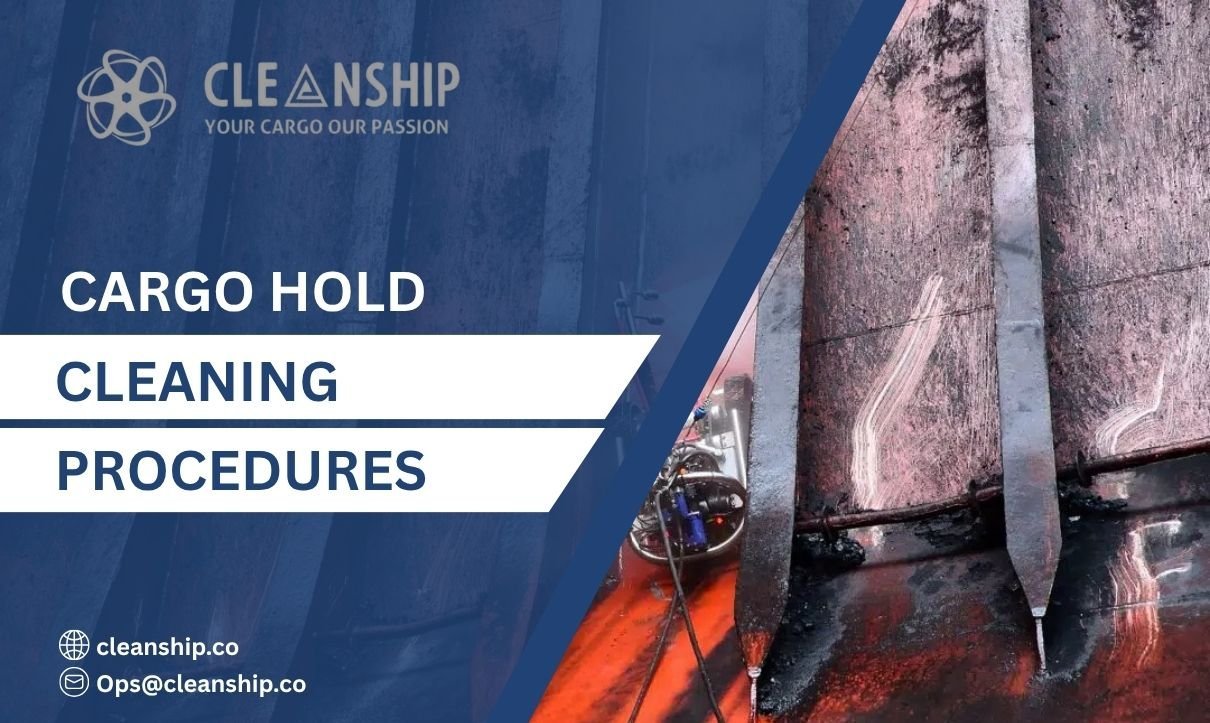
Efficient Cargo Hold Cleaning Procedures and Best Practices by CleanShip.co

In the maritime industry, cargo hold cleaning procedures are not just a regulatory requirement—they are a cornerstone of operational efficiency, cargo safety, and environmental compliance. At cleanship.co/, we specialize in delivering precise, compliant, and efficient cargo hold cleaning solutions that exceed industry expectations. Whether it’s preparing for a change in cargo type, meeting MARPOL Annex V environmental standards, or maintaining the structural integrity of the vessel, our team ensures every cleaning project is handled with accuracy and professionalism. In this article, we’ll explore the step-by-step cargo hold cleaning procedures, best practices, environmental compliance measures, and how cleanship.co/ delivers unmatched service quality in global maritime operations. Understanding the Importance of Cargo Hold Cleaning Cargo holds are the lifeline of bulk carriers, transporting goods like coal, grains, ores, and fertilizers. Over time, residues, dust, and moisture can compromise cargo quality and even damage vessel structures. cargo hold cleaning procedures Why Cargo Hold Cleaning is Critical: Step-by-Step Cargo Hold Cleaning Procedures by cleanship.co/ At cleanship.co/, our cargo hold cleaning procedures follow a structured methodology to ensure thoroughness and efficiency. cargo hold cleaning procedures Step 1: Pre-Cleaning Assessment We begin with a detailed inspection of the cargo hold to: (Related Read: MARPOL Annex V – Prevention of Pollution by Garbage from Ships) Step 2: Dry Cleaning Before introducing water, we remove all loose residues: Step 3: High-Pressure Washing We utilize high-pressure water jets to remove stubborn residues: Step 4: Chemical Treatment (If Required) Some cargoes, like fertilizers or cement, leave stubborn stains and residues. Step 5: Final Rinse and Drying A clean hold must also be dry to avoid future cargo damage: Step 6: Inspection and Certification Before declaring the hold ready: Best Practices in Cargo Hold Cleaning cleanship.co/ follows industry-recognized best practices to maximize efficiency and compliance. cargo hold cleaning procedures Safety First Environmental Responsibility Equipment Maintenance Environmental Compliance and Waste Management Environmental compliance is at the heart of cleanship.co/’s operations. cargo hold cleaning procedures Segregation We separate residues into: Containment Disposal If you’re looking to explore more about our bulk carrier cleaning services, visit our services page for detailed offerings. cargo hold cleaning procedures Why Choose cleanship.co/ for Cargo Hold Cleaning Conclusion Efficient cargo hold cleaning procedures are a blend of science, skill, and compliance. At cleanship.co/, we ensure every cleaning operation meets global standards, protects the environment, and maximizes operational efficiency. cargo hold cleaning procedures Whether you need pre-loading cleaning, hazardous residue removal, or compliance with MARPOL regulations, cleanship.co/ is your trusted partner for professional maritime cleaning solutions. cargo hold cleaning procedures FAQs – Cargo Hold Cleaning Procedures
Read more
International regulations in cargo hold cleaning

Adherence to International Regulations in Cargo Hold Cleaning: Ensuring Compliance and Safety

In the maritime industry, cargo hold cleaning is far more than just a maintenance task — it is a critical compliance requirement that safeguards cargo integrity, environmental safety, and crew well-being. As global shipping operations become increasingly regulated, adherence to international regulations in cargo hold cleaning is no longer optional but essential. At cleanship.co/, we understand that every cleaning operation must align with the highest global standards to prevent contamination, comply with environmental mandates, and ensure the safe transport of goods. This commitment means not only meeting, but exceeding, the International Maritime Organization (IMO) and other regulatory frameworks governing cargo hold cleanliness. Why International Regulations Matter in Cargo Hold Cleaning Shipping operations span across multiple jurisdictions, each with its own requirements. Failure to comply with these international cargo hold cleaning regulations can lead to: By following established global regulations, cleanship.co/ ensures that vessels are ready for the next cargo without risk of delays or penalties. International regulations in cargo hold cleaning Key International Regulations in Cargo Hold Cleaning The global shipping industry operates under an extensive framework of rules and guidelines. Here are the main regulatory standards that govern cargo hold cleaning procedures: 1. MARPOL Annex V – Prevention of Pollution by Garbage from Ships MARPOL Annex V is one of the most important environmental regulations affecting cargo hold cleaning. It governs how residues, waste, and cleaning agents are managed and disposed of. At cleanship.co/, we only use MARPOL-compliant cleaning agents and ensure that all residues are collected, stored, and disposed of at certified waste reception facilities. International regulations in cargo hold cleaning 2. International Maritime Solid Bulk Cargoes (IMSBC) Code The IMSBC Code is designed to ensure the safe stowage and shipment of solid bulk cargoes, which includes strict cleaning requirements to prevent contamination. cleanship.co/ follows IMSBC standards by tailoring each cleaning process to the type of previous and upcoming cargo, ensuring compatibility and safety. International regulations in cargo hold cleaning 3. Occupational Health and Safety (OHS) Standards Crew safety is a major consideration in cargo hold cleaning operations. OHS standards apply to all onboard work, especially in confined spaces like holds. cleanship.co/ conducts comprehensive safety briefings before every job and provides all necessary protective gear to prevent accidents. International regulations in cargo hold cleaning 4. International Maritime Organization (IMO) Guidelines The IMO issues best practice guidelines that cover safe ship operations, environmental protection, and pollution prevention. These guidelines often complement MARPOL and IMSBC requirements. cleanship.co/ ensures our crew undergoes regular IMO compliance training to stay updated on evolving best practices for cargo hold cleaning. International regulations in cargo hold cleaning 5. Local Port and Coastal State Regulations While international regulations form the foundation, local port authorities may impose additional requirements. Our team monitors each port’s specific guidelines in advance, ensuring no delays or fines due to overlooked local requirements. International regulations in cargo hold cleaning How cleanship.co/ Ensures Full Regulatory Compliance Our compliance strategy is built around proactive planning, continuous training, and rigorous inspection. Consequences of Non-Compliance Ignoring international regulations in cargo hold cleaning can have severe repercussions: By partnering with cleanship.co/, shipowners and operators can rest assured that their vessels meet every requirement, minimizing risk and maximizing operational efficiency. International regulations in cargo hold cleaning The cleanship.co/ Advantage Choosing cleanship.co/ means choosing a partner committed to global compliance and operational excellence. Our approach ensures: Conclusion In the global shipping industry, international regulations in cargo hold cleaning are more than just paperwork — they are the foundation of safe, legal, and efficient maritime operations. At cleanship.co/, we integrate these regulations into every aspect of our cleaning services, ensuring that vessels are not only clean but also compliant with all relevant standards. By adhering to MARPOL Annex V, IMSBC Code, OHS guidelines, IMO best practices, and local port rules, we help our clients avoid costly penalties, protect their cargo, and safeguard the marine environment. Your vessel’s compliance is our priority — because a clean hold is only truly clean when it meets the world’s highest regulatory standards. FAQs on International Regulations in Cargo Hold Cleaning
Read more
Environmental Compliance in Cargo Hold Cleaning

Eco-Responsible Hold Cleaning: Environmental Compliance & Waste Management at Sea

Environmental compliance in cargo hold cleaning has become the cornerstone of modern maritime operations, demanding comprehensive approaches that balance thorough contamination removal with stringent environmental protection standards. At Cleanship, we’ve developed advanced eco-responsible cleaning methodologies that ensure complete environmental compliance in cargo hold cleaning while maintaining operational excellence and regulatory adherence across all international maritime jurisdictions. Understanding Environmental Compliance in Cargo Hold Cleaning Modern environmental compliance in cargo hold cleaning requires sophisticated understanding of international regulations, sustainable technologies, and waste management protocols that protect marine ecosystems while ensuring complete contamination removal. The complexity of contemporary environmental standards demands integrated approaches that address everything from biodegradable cleaning agents to zero-liquid-discharge systems. Professional environmental compliance in cargo hold cleaning has evolved dramatically with tightening environmental regulations, advancing green technologies, and increasing corporate sustainability commitments. Today’s cleaning operations must achieve complete contamination removal while minimizing environmental impact, ensuring regulatory compliance, and maintaining strict waste management protocols. The implementation of proper environmental compliance in cargo hold cleaning directly impacts operational success, affecting everything from regulatory approval to corporate sustainability ratings and long-term operational costs. Poor environmental compliance can result in regulatory violations, expensive fines, operational delays, and significant reputational damage. International Environmental Regulatory Framework Environmental compliance in cargo hold cleaning operates within a comprehensive international regulatory framework that governs every aspect of cleaning operations, waste disposal, and marine environmental protection. MARPOL Compliance Requirements The International Convention for the Prevention of Pollution from Ships (MARPOL) establishes the fundamental framework for environmental compliance in cargo hold cleaning through comprehensive pollution prevention requirements: MARPOL Annex I – Oil Pollution Prevention: MARPOL Annex V – Garbage Management: MARPOL Annex VI – Air Pollution Prevention: Our expert cleaning services ensure complete MARPOL compliance through systematic implementation of approved environmental protocols and comprehensive waste management systems. Regional Environmental Standards Environmental compliance in cargo hold cleaning must address varying regional requirements that supplement international standards: European Union Regulations: North American Standards: Sustainable Cleaning Technologies for Environmental Compliance Advanced environmental compliance in cargo hold cleaning relies on innovative sustainable technologies that achieve superior contamination removal while minimizing environmental impact through eco-responsible methodologies. Biodegradable Cleaning Agent Systems Professional biodegradable cleaning systems represent the foundation of environmental compliance in cargo hold cleaning, utilizing advanced formulations that achieve complete contamination removal while ensuring marine environmental protection: Plant-Based Cleaning Formulations: Advanced Biodegradability Standards: Performance Optimization: Our professional hold cleaning services utilize cutting-edge biodegradable cleaning systems that exceed environmental compliance requirements while delivering superior contamination removal results. Water Conservation and Recycling Systems Advanced water management technologies ensure environmental compliance in cargo hold cleaning through sophisticated conservation and treatment systems that minimize freshwater consumption while maintaining cleaning effectiveness: Closed-Loop Water Recycling: Water Quality Monitoring: Conservation Performance Metrics: Zero-Liquid-Discharge (ZLD) Systems Zero-liquid-discharge systems represent the pinnacle of environmental compliance in cargo hold cleaning, eliminating all liquid waste discharge through complete treatment and recovery processes: Advanced Treatment Technologies: Solid Waste Management: Environmental Benefits: Comprehensive Waste Management Protocols Environmental compliance in cargo hold cleaning requires systematic waste management approaches that ensure proper classification, treatment, and disposal of all waste streams generated during cleaning operations. Waste Stream Classification and Segregation Professional waste management begins with comprehensive waste stream classification according to international environmental regulations and hazardous material standards: Hazardous Waste Categories: Non-Hazardous Waste Streams: Segregation Protocols: Onboard Waste Treatment Systems Advanced onboard treatment systems enable preliminary waste processing to ensure environmental compliance in cargo hold cleaning while reducing waste volumes and simplifying shore-based disposal: Physical Treatment Systems: Chemical Treatment Systems: Biological Treatment Systems: Shore-Based Waste Disposal Coordination Professional environmental compliance in cargo hold cleaning requires comprehensive coordination with certified shore-based waste management facilities that provide specialized treatment services: Waste Reception Facility Selection: Waste Transfer Documentation: Cost Optimization Strategies: Digital Environmental Compliance Management Modern environmental compliance in cargo hold cleaning relies on comprehensive digital management systems that provide real-time monitoring, automated reporting, and complete compliance documentation. Real-Time Environmental Monitoring Advanced monitoring systems ensure continuous environmental compliance in cargo hold cleaning through sophisticated sensor networks and automated data collection: Water Quality Monitoring: Air Quality Monitoring: Waste Stream Monitoring: Automated Compliance Reporting Comprehensive reporting systems ensure environmental compliance in cargo hold cleaning through systematic documentation and regulatory submission automation: Regulatory Report Generation: Performance Tracking Systems: Audit Trail Documentation: Our comprehensive tank cleaning services integrate with hold cleaning operations using unified environmental compliance management systems for maximum operational efficiency and regulatory adherence. Advanced Environmental Protection Technologies Environmental compliance in cargo hold cleaning continues advancing through innovative technologies that enhance environmental protection while improving operational efficiency and cost-effectiveness. Atmospheric Emission Control Systems Advanced emission control technologies ensure environmental compliance in cargo hold cleaning through comprehensive vapor management and atmospheric protection systems: Vapor Recovery Systems: Containment Technologies: Marine Environment Protection Systems Specialized protection systems ensure environmental compliance in cargo hold cleaning through comprehensive marine ecosystem protection measures: Discharge Prevention Systems: Biodegradation Enhancement: Quality Assurance and Environmental Verification Professional environmental compliance in cargo hold cleaning requires comprehensive quality assurance systems that verify compliance effectiveness and ensure continuous improvement in environmental protection. Environmental Compliance Verification Systematic verification ensures environmental compliance in cargo hold cleaning meets all applicable standards and regulations: Third-Party Certification: Performance Measurement: Continuous Environmental Improvement Professional operations incorporate continuous improvement in environmental compliance in cargo hold cleaning through systematic enhancement programs: Technology Advancement Integration: Regulatory Compliance Enhancement: The International Association of Dry Cargo Shipowners (INTERCARGO) promotes sustainable practices in bulk carrier operations, including comprehensive environmental compliance in cargo hold cleaning operations. Conclusion: Achieving Excellence in Environmental Compliance Environmental compliance in cargo hold cleaning represents the future of sustainable maritime operations, requiring comprehensive integration of advanced technologies, systematic waste management, and continuous improvement initiatives. The complexity of modern environmental regulations demands professional expertise that ensures complete compliance while maintaining operational efficiency and cost-effectiveness. At Cleanship, we’ve mastered the complete spectrum of environmental compliance in cargo hold cleaning, from advanced biodegradable cleaning systems to zero-liquid-discharge technologies and comprehensive waste management protocols. Our systematic approach ensures optimal environmental protection for every cleaning scenario while maintaining the highest standards of regulatory
Read more
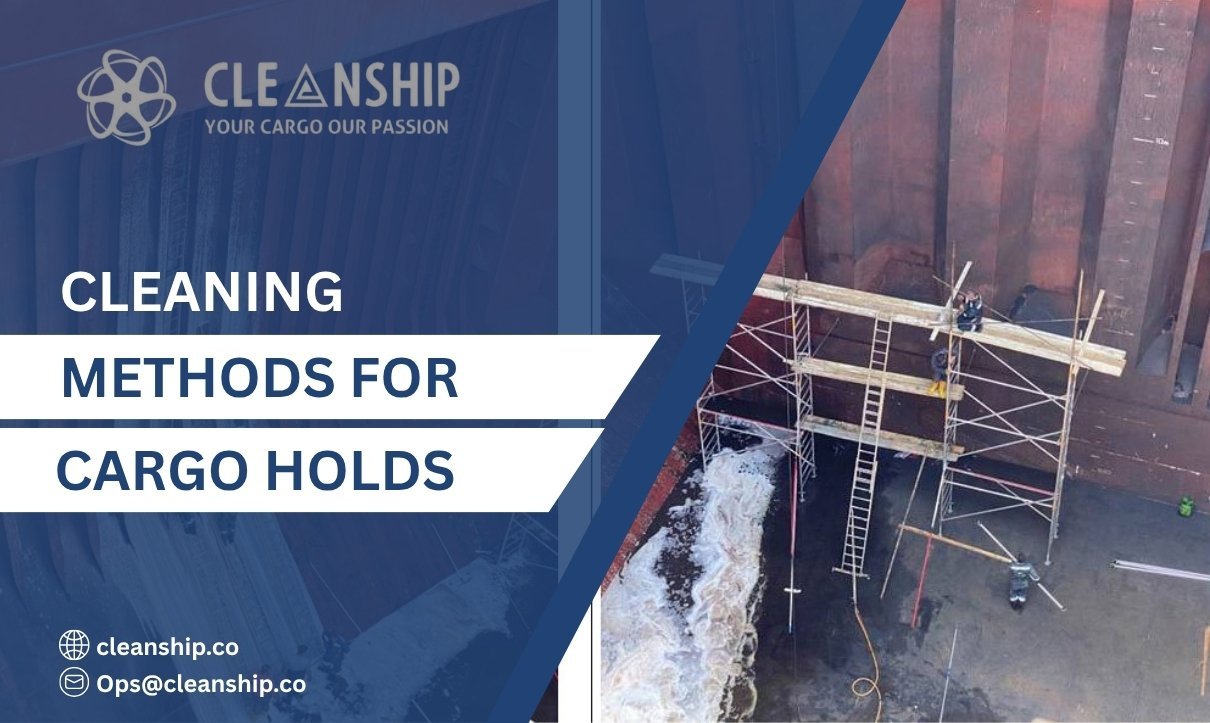
Cleaning Methods for Cargo Holds

Proven Cleaning Techniques for Cargo Holds: Effective Methods for Every Residue Type

In the competitive world of bulk shipping, mastering effective cleaning methods for cargo holds determines the difference between operational success and costly contamination disasters. At Cleanship, we’ve developed and refined proven cleaning techniques that address every type of cargo residue, ensuring complete contamination removal while optimizing operational efficiency and regulatory compliance. Understanding the Complexity of Cargo Hold Cleaning Methods Modern bulk carriers transport an incredible variety of cargoes, each leaving behind unique residues that require specialized cleaning methods for cargo holds. From sticky agricultural products and abrasive mineral ores to chemical fertilizers and food-grade commodities, each cargo type presents distinct cleaning challenges that demand tailored approaches and specialized techniques. The evolution of cleaning methods for cargo holds has been driven by increasingly stringent regulatory requirements, higher cargo quality standards, and the economic necessity of preventing expensive cross-contamination incidents. Professional cleaning techniques must address not only visible contamination but also microscopic residues that can compromise subsequent cargo quality. Effective cleaning methods for cargo holds integrate advanced equipment, proven chemicals, systematic procedures, and skilled personnel to achieve consistently superior results across all cargo types and contamination scenarios. Comprehensive Classification of Cargo Residue Types Dry Bulk Cargo Residues Dry bulk cargoes represent the majority of global shipping volume, requiring specialized cleaning methods for cargo holds that address their unique characteristics: Mineral and Coal Residues: Agricultural Product Residues: Our expert cleaning services utilize targeted approaches for each residue type, ensuring complete removal without surface damage or environmental harm. Liquid and Semi-Liquid Cargo Residues Liquid cargo transportation creates complex cleaning challenges requiring specialized methods: Chemical and Fertilizer Residues: Edible Oil and Fat Residues: Advanced High-Pressure Water Cleaning Techniques High-pressure water systems represent the cornerstone of modern cleaning methods for cargo holds, offering versatility, effectiveness, and environmental compatibility across diverse contamination scenarios. Variable Pressure Applications Professional cleaning methods for cargo holds employ variable pressure systems that optimize cleaning effectiveness while protecting hold surfaces: Ultra-High Pressure Systems (500-1000 bar): Medium Pressure Applications (200-500 bar): Low Pressure Techniques (50-200 bar): Hot Water and Steam Integration Advanced cleaning methods for cargo holds incorporate temperature control for enhanced effectiveness: Hot Water Benefits: Our professional hold cleaning services utilize state-of-the-art temperature-controlled systems that optimize cleaning performance while minimizing environmental impact. Specialized Chemical Cleaning Methods Chemical cleaning agents represent essential components of comprehensive cleaning methods for cargo holds, providing targeted solutions for specific contamination types that mechanical cleaning alone cannot address effectively. Alkaline Cleaning Solutions Alkaline cleaning methods effectively address organic contamination and protein-based residues: Applications and Benefits: Specialized Alkaline Formulations: Acidic Cleaning Techniques Acidic cleaning methods target mineral deposits, rust stains, and alkaline cargo residues: Mineral Deposit Removal: Safety and Environmental Considerations: Professional acidic cleaning methods incorporate neutralization systems, corrosion inhibitors, and environmental protection measures ensuring safe application and waste disposal. Specialized Decontamination Agents Advanced cleaning methods for cargo holds include specialized agents for challenging contamination scenarios: Enzyme-Based Cleaners: Solvent-Based Solutions: Mechanical Cleaning Methods and Equipment Mechanical cleaning techniques complement chemical and water-based methods, providing physical removal capabilities essential for comprehensive cargo hold cleaning. Abrasive Cleaning Techniques Controlled abrasive methods address stubborn deposits that resist chemical and water cleaning: Dry Ice Blasting: Media Blasting Applications: Mechanical Scraping and Brushing Traditional mechanical methods remain essential components of comprehensive cleaning approaches: Power Tool Applications: Manual Techniques: Our comprehensive tank cleaning services can be coordinated with mechanical hold cleaning for complete vessel preparation. Advanced Vacuum and Debris Recovery Systems Effective cleaning methods for cargo holds integrate sophisticated debris recovery systems that ensure complete contamination removal while maintaining operational efficiency. Industrial Vacuum Applications Professional vacuum systems address diverse cleaning requirements: Wet/Dry Recovery Systems: Specialized Vacuum Techniques: Water Recovery and Recycling Sustainable cleaning methods for cargo holds incorporate water recovery and treatment systems: Closed-Loop Systems: Quality Control and Verification Methods Professional cleaning methods for cargo holds include comprehensive quality control procedures ensuring consistent results and regulatory compliance. Visual Inspection Protocols Systematic visual inspection validates cleaning effectiveness: Inspection Standards: Laboratory Testing and Analysis Advanced quality control includes scientific validation: Contamination Analysis: Certification and Documentation Professional cleaning methods for cargo holds include comprehensive documentation: The International Maritime Organization (IMO) establishes global standards that guide professional cleaning method development and implementation. Environmental Compliance in Cleaning Methods Modern cleaning methods for cargo holds must balance effectiveness with environmental responsibility, incorporating sustainable practices and regulatory compliance. Waste Management and Disposal Professional cleaning operations include comprehensive waste management: Contaminated Water Treatment: Solid Waste Handling: Eco-Friendly Cleaning Agent Selection Sustainable cleaning methods prioritize environmentally responsible products: Technology Integration and Innovation Cutting-edge cleaning methods for cargo holds incorporate technological advances that enhance effectiveness, safety, and efficiency. Remote Monitoring and Control Advanced cleaning systems feature remote operation capabilities: Predictive Maintenance Integration Modern cleaning methods integrate with vessel maintenance programs: The International Association of Dry Cargo Shipowners (INTERCARGO) promotes technological advancement in bulk carrier operations, including cleaning method innovation. Customized Cleaning Method Selection Professional cleaning services develop customized approaches based on specific vessel requirements, cargo histories, and operational constraints. Vessel-Specific Considerations Cleaning method selection addresses individual vessel characteristics: Cargo Transition Requirements Cleaning methods vary based on cargo sequence planning: Conclusion: Optimizing Cleaning Method Effectiveness Effective cleaning methods for cargo holds require comprehensive understanding of contamination types, systematic application of proven techniques, and continuous adaptation to evolving industry requirements. Professional cleaning services integrate mechanical, chemical, and technological approaches to achieve superior results consistently. At Cleanship, our extensive experience with diverse cleaning methods for cargo holds enables us to provide customized solutions that optimize effectiveness while maintaining cost efficiency and environmental responsibility. Our proven techniques ensure complete contamination removal and regulatory compliance across all cargo types and operational scenarios. Don’t compromise your cargo quality with inadequate cleaning methods. Contact Cleanship today to discover how our proven cleaning techniques can protect your operations and ensure superior cargo hold preparation for any residue type. Frequently Asked Questions About Cleaning Methods for Cargo Holds
Read more
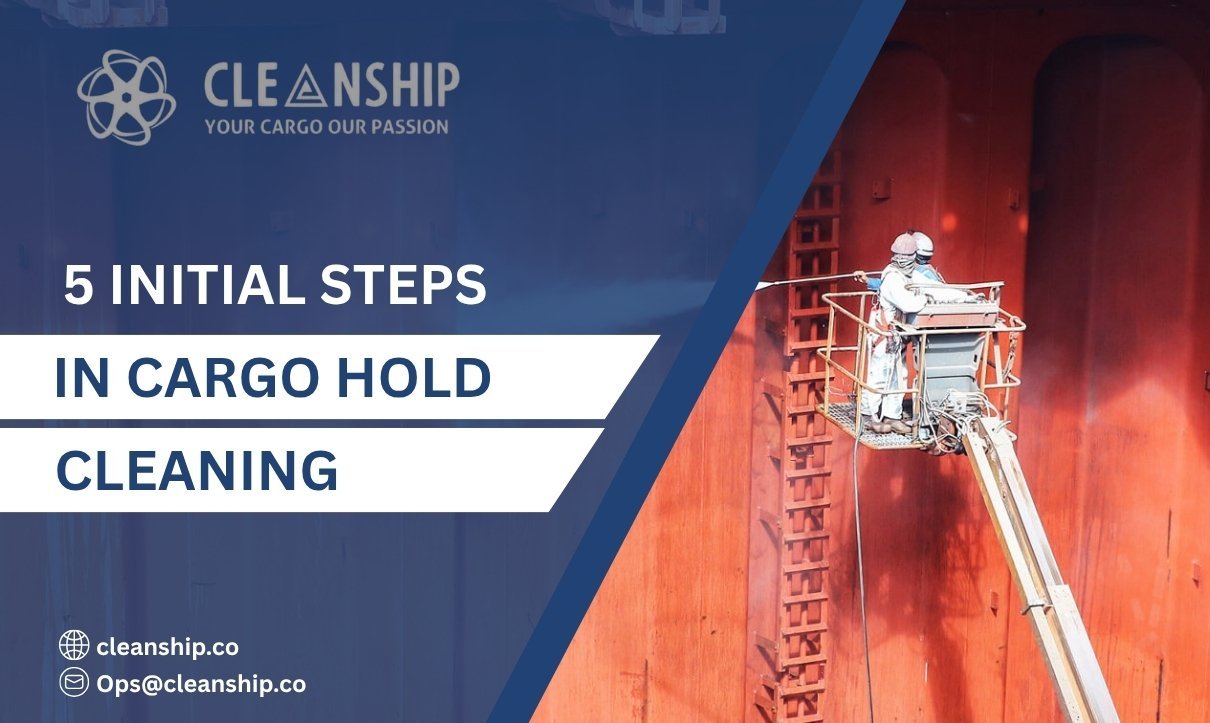
Initial steps in cargo hold cleaning

5 Essential Initial Steps in Cargo Hold Cleaning for Maximum Efficiency

The success of any cargo hold cleaning operation depends entirely on the thoroughness and precision of the initial steps taken before the actual cleaning begins. At Cleanship, we’ve refined these crucial preliminary procedures through years of experience, understanding that proper preparation determines the effectiveness, safety, and efficiency of the entire cleaning process. These initial steps in cargo hold cleaning form the foundation for successful contamination removal and regulatory compliance. Understanding the Critical Nature of Initial Steps in Cargo Hold Cleaning The initial steps in cargo hold cleaning represent far more than routine preparation—they constitute a comprehensive assessment and planning phase that directly impacts operational outcomes, crew safety, and cost efficiency. Modern bulk carrier operations demand systematic approaches that minimize risks while maximizing cleaning effectiveness within tight scheduling constraints. Professional cargo hold cleaning begins long before the first drop of water or cleaning agent touches the hold surfaces. The preliminary phase involves detailed assessments, strategic planning, safety preparations, and equipment positioning that collectively determine whether the cleaning operation will achieve its objectives efficiently and safely. Neglecting proper initial steps in cargo hold cleaning can result in incomplete contamination removal, safety incidents, regulatory non-compliance, extended cleaning times, and ultimately, expensive cargo contamination claims that could have been prevented through methodical preparation. Step 1: Comprehensive Hold Assessment and Documentation The first and most critical of the initial steps in cargo hold cleaning involves conducting a thorough assessment of current hold conditions, contamination levels, and specific cleaning requirements. This systematic evaluation forms the basis for all subsequent cleaning decisions and resource allocation. Detailed Visual Inspection Process Professional assessment begins with comprehensive visual inspection of all hold surfaces, including bulkheads, tank tops, frames, and hatch covers. Our experienced technicians examine every accessible area to identify: Contamination Assessment: Structural Condition Evaluation: Our expert cleaning services utilize advanced inspection techniques including photographic documentation, contamination sampling, and detailed condition reporting that establishes baseline measurements for cleaning effectiveness evaluation. Documentation and Photographic Evidence Comprehensive documentation during the assessment phase serves multiple critical purposes including regulatory compliance, insurance requirements, and client reporting. Professional documentation includes: This thorough documentation protects all parties involved while providing clear evidence of cleaning necessity and subsequent effectiveness. Step 2: Safety Assessment and Risk Analysis Safety considerations represent the most crucial among the initial steps in cargo hold cleaning. Comprehensive safety assessment ensures crew protection while establishing protocols for emergency response and hazard mitigation throughout the cleaning operation. Atmospheric Testing and Ventilation Professional safety assessment begins with atmospheric testing to identify potential hazards including: Gas Concentration Monitoring: Ventilation System Evaluation: Personal Protective Equipment Requirements Based on assessment results, appropriate personal protective equipment (PPE) requirements are established including respiratory protection, chemical-resistant clothing, safety harnesses, and emergency communication equipment. Our professional hold cleaning services maintain the highest safety standards through comprehensive PPE protocols and continuous monitoring. Confined Space Entry Procedures Cargo holds constitute confined spaces requiring specialized entry procedures, emergency response plans, and continuous atmospheric monitoring throughout cleaning operations. Professional safety protocols include designated safety officers, emergency evacuation procedures, and communication systems. Step 3: Equipment Selection and Positioning Strategy Strategic equipment selection and positioning represent critical initial steps in cargo hold cleaning that directly impact operational efficiency, cleaning effectiveness, and overall project timeline. Professional operations require careful matching of equipment capabilities with specific cleaning requirements. Cleaning Equipment Assessment Equipment selection depends on multiple factors identified during the initial assessment phase: High-Pressure Water Systems: Specialized Cleaning Tools: Access Equipment: Strategic Equipment Positioning Efficient equipment positioning minimizes setup time, reduces safety risks, and optimizes cleaning workflow. Professional positioning strategies consider: Our comprehensive tank cleaning services can be coordinated with hold cleaning operations for maximum equipment utilization and operational efficiency. Step 4: Regulatory Compliance and Documentation Preparation Regulatory compliance preparation constitutes essential initial steps in cargo hold cleaning, ensuring operations meet international maritime standards and specific port requirements. Proper preparation prevents delays, fines, and operational complications. International Standards Compliance Professional cleaning operations must comply with multiple regulatory frameworks: IMO and MARPOL Requirements: The International Maritime Organization (IMO) establishes global standards for ship operations and environmental protection. Compliance preparation includes: Documentation Preparation Comprehensive documentation preparation includes: Step 5: Resource Planning and Timeline Development The final critical component among initial steps in cargo hold cleaning involves comprehensive resource planning and realistic timeline development that coordinates personnel, equipment, and operational requirements with vessel scheduling constraints. Personnel Resource Planning Effective resource planning ensures adequate skilled personnel availability: Team Composition Requirements: Shift Planning and Coverage: Timeline Development and Coordination Realistic timeline development balances thorough cleaning requirements with operational scheduling pressures: Critical Path Analysis: Coordination Factors: The International Association of Dry Cargo Shipowners (INTERCARGO) emphasizes the importance of systematic planning in bulk carrier operations, including comprehensive preparation for cleaning operations. Integration and Execution of Initial Steps Successful cargo hold cleaning operations require seamless integration of all initial steps in cargo hold cleaning. Professional coordination ensures that assessment findings inform safety preparations, equipment selection matches identified requirements, regulatory compliance addresses specific operational needs, and resource planning supports efficient execution. At Cleanship, our four-phase approach to initial preparation includes: Quality Control and Continuous Improvement Effective initial steps in cargo hold cleaning include establishment of quality control measures and continuous improvement protocols that ensure consistent results and operational enhancement over time. Performance Metrics Development Key performance indicators established during initial steps include: Continuous Improvement Integration Professional operations incorporate lessons learned and best practices development: Conclusion: Maximizing Efficiency Through Proper Initial Steps The initial steps in cargo hold cleaning determine the success, safety, and efficiency of every cleaning operation. Professional preparation through comprehensive assessment, safety planning, equipment positioning, regulatory compliance, and resource coordination creates the foundation for effective contamination removal and operational success. At Cleanship, we understand that thorough initial preparation prevents problems, reduces costs, and ensures superior cleaning results. Our systematic approach to initial steps in cargo hold cleaning maximizes efficiency while maintaining the highest safety and quality standards. Don’t compromise your cleaning operations with inadequate preparation. Contact Cleanship today to discover how our professional initial assessment and preparation
Read more
Consequences of Inadequate Cargo Hold Cleaning

Consequences of Inadequate Cargo Hold Cleaning

Ensuring clean cargo holds in bulk carriers is not just a procedural task—it’s a fundamental aspect of maintaining operational efficiency, cargo integrity, and regulatory compliance. Neglecting proper cargo hold cleaning can result in significant financial losses, environmental repercussions, and legal liabilities. Consequences of Inadequate Cargo Hold Cleaning This article outlines the key consequences of inadequate cargo hold cleaning and emphasizes why it must be treated as a top priority in maritime logistics. 1. Cargo Contamination and Financial Loss One of the most immediate and severe consequences of inadequate cargo hold cleaning is cargo contamination. Consequences of Inadequate Cargo Hold Cleaning Bulk carriers transport a wide range of materials, from food-grade grains and sugar to coal and fertilizers. If residues from previous cargoes are not thoroughly removed, cross-contamination can occur. This is especially detrimental when switching between incompatible cargo types, such as from coal to grains. Contaminated cargo not only leads to claims and disputes but can also result in complete rejection of the shipment by the consignee. In cases involving food-grade cargoes, contamination can pose serious health risks, attracting stricter penalties from regulatory bodies. 2. Accelerated Corrosion and Vessel Wear Residues left in the cargo hold, particularly from corrosive materials like salt or fertilizer, can rapidly deteriorate the internal structure of the vessel. When such materials interact with moisture, they can lead to the accelerated formation of rust and corrosion. Consequences of Inadequate Cargo Hold Cleaning Over time, this reduces the structural integrity of the cargo hold and can necessitate expensive repairs or even result in the vessel being declared unseaworthy. Regular cleaning helps identify early signs of wear and allows for preventive maintenance, thereby extending the life of the vessel. 3. Non-Compliance with International Maritime Regulations The International Maritime Organization (IMO) and MARPOL guidelines mandate cleanliness standards for cargo holds to prevent pollution and ensure safe carriage of goods. Failure to comply with these regulations can result in detentions, fines, and increased scrutiny from port state control authorities. Port inspections often include a thorough review of cargo hold conditions. Consequences of Inadequate Cargo Hold Cleaning A vessel with inadequately cleaned holds may be deemed unfit for loading, resulting in operational delays and additional cleaning costs while berthed. 4. Pest Infestation and Quarantine Risks Cargo holds that are not properly cleaned provide an ideal breeding ground for pests such as rodents, insects, and microbes. Consequences of Inadequate Cargo Hold Cleaning This is particularly risky when transporting agricultural products. Pest infestations can trigger quarantine protocols at destination ports, causing long delays and the need for expensive fumigation services. Additionally, infested cargo could be rejected, leading to wasted transportation costs and potential legal disputes with customers. 5. Operational Delays and Demurrage Dirty cargo holds often lead to vessel rejection at loading ports. When a vessel is deemed unready, it must vacate the berth or remain idle while cleaning operations are carried out. Consequences of Inadequate Cargo Hold Cleaning This downtime incurs demurrage charges, disrupts scheduling, and reduces overall fleet efficiency. In competitive shipping markets, the inability to adhere to charter party agreements due to poor hold conditions can also tarnish a ship owner’s or operator’s reputation. 6. Compromised Safety for Crew and Cargo Residue build-up in cargo holds can lead to dangerous working conditions. For example, leftover coal dust is not only flammable but can also create respiratory issues for crew members. Slippery surfaces, poor visibility, and confined space hazards are common in neglected holds. Ensuring clean holds reduces these risks and contributes to a safer onboard environment. 7. Increased Insurance Premiums and Claim Risks Vessels with a track record of cargo contamination or hold-related claims may be subjected to higher insurance premiums. Consequences of Inadequate Cargo Hold Cleaning Insurance companies consider the vessel’s maintenance history when assessing risk, and repeated issues due to inadequate cleaning can lead to unfavorable terms or reduced coverage options. Proper hold cleaning minimizes the risk of cargo claims and protects the owner’s financial interests. 8. Loss of Business and Reputation Charterers and cargo owners prefer vessels that demonstrate high standards of cleanliness and operational readiness. Consequences of Inadequate Cargo Hold Cleaning A history of inadequate cargo hold maintenance can deter repeat business and damage long-term relationships. In industries where timing, hygiene, and compliance are critical, such as food and chemical logistics, reputation is everything. Maintaining clean cargo holds showcases a commitment to quality and reliability, boosting competitiveness in the shipping industry. 9. Environmental Hazards Improper cleaning may result in residual cargo materials being washed overboard, especially during rain or rough weather, leading to environmental pollution. This violates MARPOL protocols and can attract heavy fines and restrictions on future port entries. Environmental responsibility is becoming an increasingly scrutinized aspect of shipping operations, and clean cargo holds contribute to sustainable practices. 10. Inefficient Cargo Loading and Discharging Unclean or uneven cargo surfaces can interfere with automated loading and unloading systems. For instance, sticky residue or leftover particles may cause cargo flow disruptions, block conveyor belts, or damage mechanical components. These inefficiencies extend port stay and increase handling costs. A well-cleaned hold ensures smooth cargo flow and reduces the need for manual intervention. Cargo Hold Cleaning : Hold Cleaning Services How to Prevent These Consequences Preventing the consequences of inadequate cargo hold cleaning involves a combination of good practices, technological assistance, and adherence to international standards. Here are several key steps: Conclusion The consequences of inadequate cargo hold cleaning are too significant to ignore. From contamination and corrosion to legal penalties and reputational loss, the risks span every aspect of vessel operation. By prioritizing cargo hold hygiene and implementing standardized cleaning practices, ship operators can protect their assets, ensure regulatory compliance, and uphold customer trust. FAQs: Consequences of Inadequate Cargo Hold Cleaning For professional hold cleaning, contact us at CleanShip:Email: ops@cleanship.coPhone: +91 7080050720www.cleanship.co
Read more
Ship Hold cleaning Standard

What are the 6 ship hold cleaning standards?

Cargo holds in ships are essential areas that require thorough cleaning to assure the safety, quality, and compliance of transported goods. The cleanliness of a ship’s hold directly impacts the condition of the cargo and plays an integral role in adhering to international maritime regulations (IMO). Different cleaning standards exist to ensure that ship holds are maintained in top condition, preventing contamination and promoting safety during transportation. We explore the 6 key ship hold cleaning standards, shedding light on their significance, procedures, and outcomes. 1. Hospital Clean Standard The “Hospital Clean” standard is one of the most stringent cleaning requirements for ship holds. It is typically booked for sensitive cargo, such as food-grade products and pharmaceuticals, where even the smallest contamination could lead to health risks or compromise product quality. Fulfilling this standard requires the complete removal of all debris, residues, and microbial contaminants. Cleaning must expand beyond visible residues, often instructing the application of disinfectants or sanitizers to destroy bacteria and fungi. The use of approved cleaning agents and thorough drying processes ensures that the hold is left in a state comparable to a hospital environment in terms of cleanliness. Common Cargo Types: Pharmaceuticals, food products (grain, rice, sugar). Procedures: Scrubbing, disinfecting, drying, and frequent testing of microbial levels. 2. Food Safe Standard The Food Safe standard is designed to confirm that holds are cleaned to a level suitable for transporting edible goods. This standard is important for safeguarding food products like grains, pulses, and seeds. While it is less demanding than the Hospital Clean standard, it still requires rigorous attention to detail to avoid contamination by chemicals, pests, or previous cargo residues. During cleaning, no hazardous chemicals should be used, as any traces left behind could potentially harm the food products. The entire hold must be inspected to confirm that there is no remaining dirt, mold, or other contaminants that could compromise the safety and quality of the food being shipped. Common Cargo Types: Grains, cereals, pulses, and seeds. Procedures: Vacuuming, sweeping, steam cleaning, and visual inspection. 3. Dry Clean Standard The Dry Clean standard is often applied when transporting dry, non-food bulk cargo. It aims for the removal of all visible debris, loose residues, and dust from the hold. While it does not require washing or disinfecting, it ensures that the hold is free of dirt, remnants of previous cargo, and other unwanted materials that could affect the quality of the next shipment. This standard is often used for cargoes that are not sensitive to moisture or minor contaminants but still require a clean environment to avoid cross-contamination. Common Cargo Types: Cement, coal, minerals, or fertilizers. Procedures: Sweeping, vacuuming, and use of blowers to remove dust. 4. Grain Clean Standard The Grain Clean standard is specifically tailored for bulk agricultural products. It involves a thorough cleaning of the hold to prevent contamination from dust, old cargo remnants, and pests. Any residue from previous cargoes, especially harmful substances, can spoil the grain or render it unsafe for human or animal consumption. This standard requires attention to hidden areas like corners, hatch covers, and bulkheads. Ensuring proper ventilation and pest control measures are also part of this standard. The Grain Clean standard often includes checks for moisture levels to prevent mold growth during transit. Common Cargo Types: Corn, wheat, barley, and other grains. Procedures: Sweeping, vacuuming, removing rust or corrosion, and pest control. 5. Wash Clean Standard Wash Clean refers to the standard where the hold is cleaned using water and detergents to remove dirt, stains, and any residues that might cling to the surfaces. After sweeping and removing loose debris, water is used for more stubborn residues, ensuring a deeper clean. This standard is typically used for cargoes that are sensitive to chemical contaminants but not moisture. It ensures that the hold is free of stains, dust, and other contaminants. Care must be taken to properly drain and dry the hold after washing to prevent rust or mold formation. Common Cargo Types: Clay, ores, fertilizers, and scrap materials. Procedures: High-pressure washing, using biodegradable detergents, and thorough drying. 6. Weather Tight Standard The Weather Tight standard focuses on ensuring that the hold is not only clean but also properly sealed against external environmental factors, such as water ingress or humidity. This standard ensures that holds are watertight, preventing water damage or contamination during voyages. This level of cleanliness and maintenance is vital when carrying cargo that is sensitive to moisture or could be damaged by exposure to sea conditions. The integrity of the hold’s structure is inspected, ensuring that no leaks, rust, or damage exist that could compromise the cargo. Common Cargo Types: Machinery, equipment, and other high-value items. Procedures: Sealing, waterproofing, inspecting hatch covers, and ensuring proper ventilation. Read also: How does one determine the optimal frequency for cleaning cargo holds? Importance of Hold Cleaning Standards These cleaning standards are crucial for several reasons. First, they help maintain the integrity and quality of the cargo being transported, whether it’s food products, raw materials, or high-value items. Second, they ensure compliance with international regulations, which often require vessels to meet specific cleanliness standards before being allowed to load or unload in certain ports. Finally, proper cleaning prevents the spread of pests and diseases, contributing to global biosecurity. Choosing the appropriate cleaning standard depends on the type of cargo being transported and the specific requirements outlined by both international regulations and the cargo owner. Frequently Asked Questions 1. Why are different ship hold cleaning standards needed? Ans : Different cleaning standards are required because different types of cargo have varying levels of sensitivity to contamination. For instance, food products and pharmaceuticals require stricter cleaning standards to avoid health risks, while dry bulk materials like coal or cement may not need such stringent measures. 2. What happens if a ship fails to meet cleaning standards? Ans : If a ship’s hold does not meet the required cleaning standards, it can face penalties, delays in port, and possible rejection of the
Read more
Hold cleaning service in khalida Port

Hold Cleaning Service in Khalid Port: IMO Compliance Hold Cleaning

Hold cleaning is an important step in maritime operations, particularly in busy ports like Khalid Port. This service ensures the removal of residues, debris, and contaminants from cargo holds, allowing ships to safely transport new cargo without risk of contamination. In Khalid Port, where vast amounts of various cargo types are loaded and unloaded, professional hold cleaning services play an essential role in maintaining port efficiency and safety. What is Hold Cleaning? Hold cleaning involves the thorough cleaning of a vessel’s cargo hold after the discharge of goods. These holds are large, often cavernous spaces where commodities such as grain, chemicals, coal, or even food products are stored. Over time, residues from these materials can accumulate, potentially leading to contamination or damage to future cargo. Hold cleaning, therefore, ensures that the cargo area is pristine before the next load. Importance of Hold Cleaning Service in Khalid Port At Khalid Port, one of the busiest maritime hubs in the region, hold cleaning is essential not just for maintaining hygiene but also for complying with international maritime safety regulations. The port handles a diverse range of cargoes, making cross-contamination a serious concern. Moreover, unclean holds can delay operations, leading to costly downtime. Ensuring clean holds is critical to maintaining efficient port operations and preventing cargo damage or loss. Process of Hold Cleaning 1. Inspection and Evaluation The first step in any hold cleaning process is a comprehensive inspection. This involves evaluating the condition of the hold, identifying residual materials, moisture, and contaminants. Based on this assessment, cleaning crews can determine the appropriate methods and equipment for the job. 2. Manual Cleaning Often, the initial stage of hold cleaning requires manual labor. Large debris left behind from bulk cargo is removed by hand. Following this, smaller particles and dust are cleared using industrial vacuums and brooms. This step ensures the hold is ready for more intensive cleaning processes. 3. High-Pressure Washing After manual cleaning, high-pressure washing is typically employed to remove residues that cling to the walls and floors of the hold. These washes use high-powered water jets to dislodge even the most stubborn residues, such as oils or chemical deposits. This step is particularly effective in cleaning holds used to transport heavy, messy cargo like coal or chemicals. 4. Chemical Cleaning In some cases, chemical cleaning is necessary to neutralize harmful residues left behind by previous cargo. Specialized, environmentally-friendly cleaning agents are applied to the surfaces to ensure complete decontamination. This step is crucial when dealing with hazardous materials, ensuring that no dangerous substances remain in the hold. 5. Drying and Dehumidification One often overlooked aspect of hold cleaning is drying. Moisture in the hold can lead to mold growth or rusting, both of which can compromise future cargo or even the structural integrity of the vessel. Dehumidifiers and drying systems are used to eliminate any trace of water, leaving the hold dry and ready for the next load. 6. Final Inspection and Certification Once the cleaning process is complete, a final inspection is conducted to ensure the hold meets the necessary standards. If all criteria are satisfied, the cleaning crew provides a certificate of cleanliness, which is often required for the vessel to load new cargo. Environmental and Safety Considerations Environmental Regulations at Khalid Port Khalid Port operates under strict environmental regulations, which means hold cleaning services must adhere to local and international laws governing marine pollution. Cleaning agents must be non-toxic and environmentally safe, ensuring that no harmful substances are released into the water or surrounding environment. Safety Protocols for Crew and Equipment Safety is a top priority during hold cleaning operations. Crews are equipped with Personal Protective Equipment (PPE), and strict safety protocols are in place to prevent accidents. The use of specialized, safe cleaning equipment ensures that both the vessel and the crew remain unharmed during the cleaning process. Benefits of Professional Hold Cleaning Services 1. Preventing Cross-Contamination One of the primary reasons for hold cleaning is to prevent cross-contamination between different types of cargo. Residues from chemicals or other hazardous materials can easily mix with subsequent shipments, potentially ruining entire loads or posing significant health risks. 2. Reducing Downtime and Maximizing Efficiency Professional hold cleaning services are designed to minimize downtime. At Khalid Port, vessels need to operate on tight schedules, and any delay in cleaning can result in costly setbacks. Using state-of-the-art equipment, professional cleaning crews can complete the job quickly and efficiently, allowing vessels to resume operations promptly. 3. Prolonging Vessel Longevity Regular hold cleaning also contributes to the longevity of a vessel. By removing corrosive materials and preventing rust, hold cleaning can extend the lifespan of a ship, reducing maintenance costs and preventing expensive repairs down the line. Choosing the Right Hold Cleaning Provider 1. Expertise and Experience When selecting a hold cleaning provider at Khalid Port, it’s essential to consider their experience and expertise. The best providers will have a thorough understanding of the unique challenges presented by different types of cargo and will be well-versed in the specific regulations governing hold cleaning in the region. 2. Use of Modern Technology Advanced cleaning technologies, such as robotic cleaners and high-powered washing systems, can make the cleaning process faster and more effective. Providers who invest in modern technology are more likely to offer thorough and efficient cleaning services. 3. Cost Considerations While price is always a factor, it’s important to weigh the cost of cleaning services against the quality of work provided. Cheaper services may not offer the same level of thoroughness, potentially leading to issues down the road, such as contamination or vessel damage. Read also: Hold Cleaning Service in Khalifa Port Conclusion Professional hold cleaning services at Khalid Port are essential for maintaining safe, efficient, and compliant maritime operations. By choosing experienced providers who utilize modern technologies and adhere to environmental regulations, shipowners can ensure their vessels remain in top condition, ready for their next journey. Frequently Asked Questions
Read more
Hold cleaning service in Khalifa Port

Hold Cleaning Service in Khalifa Port: Ensuring Maritime Excellence

When it comes to maritime logistics, hold cleaning plays an integral role in maintaining the efficiency, safety, and compliance of vessels, especially in major ports like Khalifa Port. The significance of cleaning cargo holds after each voyage cannot be overstated, as unclean holds can lead to contamination, delays, and hefty fines. Khalifa Port, being one of the busiest and most advanced ports in the Middle East, is a hub for global maritime operations, making professional hold cleaning services a necessity. Why Hold Cleaning is Important in Khalifa Port Khalifa Port handles a wide range of cargo types, including grain, chemicals, and raw materials. Each of these commodities presents unique challenges in terms of cleanliness and safety. Cross-contamination between different types of cargo can lead to significant problems for shipping companies, affecting not only their reputation but also their operational efficiency. Hold cleaning services ensure that vessels leaving Khalifa Port meet the strict international maritime standards for cleanliness and hygiene. This process involves removing residues from previous cargo, eliminating harmful contaminants, and ensuring that the hold is free of moisture that could cause damage to sensitive cargo. By providing thorough cleaning, shipping companies can prevent cross-contamination and guarantee that future cargo is not compromised. Avoiding Contamination and Cargo Damage The residues from previous cargo shipments can pose serious threats if not handled properly. For example, leftover grain particles can attract pests, while chemical residues may react with other substances, causing dangerous conditions. Moreover, moisture accumulation in the hold can lead to rusting of the vessel’s infrastructure, compromising its structural integrity over time. A thorough cleaning process involves high-pressure washing, chemical cleaning, and vacuuming of debris. The use of industry-standard equipment ensures that every corner of the hold is reached, leaving no room for potential hazards. In Khalifa Port, where efficiency is paramount, hold cleaning companies use cutting-edge technology to reduce the downtime associated with this process, allowing ships to return to service as quickly as possible. Hold Cleaning Process: From Inspection to Execution Step 1: Inspection and Assessment Before the cleaning process begins, a comprehensive inspection of the cargo hold is conducted. This inspection identifies any areas that require special attention, such as stubborn residues, rust spots, or areas prone to moisture retention. The assessment helps tailor the cleaning process to the specific needs of the vessel, ensuring optimal results. Step 2: Pre-Cleaning Preparations The hold cleaning process starts with removing large debris manually. This includes any leftover cargo materials that were not discharged during unloading. Once the hold is clear of bulk materials, the team moves on to sweeping and vacuuming smaller particles. Step 3: High-Pressure Washing High-pressure washing is the core of the hold cleaning process. This step removes sticky residues, dirt, and contaminants from the hold’s surfaces. Using water at high pressure, the cleaning team ensures that even the toughest substances are dislodged from the hold walls and flooring. This method is particularly effective in removing remnants of chemicals, grain dust, or coal, which can be challenging to clean. Step 4: Chemical Cleaning and Disinfection For vessels carrying more hazardous or perishable goods, additional chemical cleaning is required. The cleaning agents used must be environmentally friendly yet powerful enough to eliminate any dangerous residues. This step is crucial when dealing with chemicals, oils, or other substances that leave toxic traces. Once the chemical cleaning is completed, the hold undergoes a disinfection process to ensure that no microbial contaminants remain. This is particularly important for vessels carrying food products or materials that are sensitive to contamination. The disinfection process guarantees that the next cargo load will not be affected by previous shipments. Step 5: Final Inspection and Certification After the hold has been thoroughly cleaned, a final inspection is carried out to ensure that it meets both the port’s and international standards for cleanliness. If the hold passes inspection, the cleaning team provides a certificate of cleanliness, which is essential for port authorities and regulatory compliance. The Importance of Professionalism in Hold Cleaning Services Given the complexity of modern maritime logistics, choosing a professional hold cleaning service in Khalifa Port is not just about cleanliness; it’s about compliance, safety, and efficiency. Khalifa Port, as a critical node in global supply chains, requires adherence to strict standards. A failure in this process can result in cargo rejection, delays, or even environmental penalties. Professional hold cleaning service in Khalifa Port utilize specialized equipment, advanced cleaning agents, and well-trained personnel to ensure that each vessel is properly cleaned, decontaminated, and inspected. Environmental and Safety Standards Hold cleaning service in Khalifa Port to adhere to International Maritime Organization (IMO) standards, as well as local environmental regulations. The port is located in the UAE, a country known for its stringent environmental policies. As such, cleaning companies must ensure that their operations do not lead to marine pollution or the release of harmful chemicals into the surrounding environment. In addition to protecting the environment, hold cleaning service in Khalifa Port also ensure the safety of the crew and port workers. By removing toxic residues and ensuring proper ventilation, cleaning companies help to create a safer working environment both aboard the vessel and during the loading and unloading processes. Why Choose Khalifa Port for Your Hold Cleaning Needs? Khalifa Port has established itself as a leader in maritime logistics not only because of its state-of-the-art facilities but also due to its commitment to maintaining the highest standards of operational efficiency and environmental stewardship. The port works closely with professional hold cleaning companies to ensure that vessels meet international standards for cleanliness and safety. Hold Cleaning Service in Khalifa Port offers a range of benefits: Read also: Hold Cleaning Service in Mina Saqr Conclusion In the bustling environment of Khalifa Port, hold cleaning is an essential service that ensures smooth operations, safety, and compliance with international standards. A well-maintained and thoroughly cleaned hold can prevent contamination, reduce downtime, and enhance the longevity of a vessel. Professional hold cleaning service in Khalifa Port not only keeps vessels
Read more
Hold cleaning service in Mina Saqr

Hold Cleaning Service in Mina Saqr

Efficient and thorough hold cleaning services are a critical aspect of cargo ship operations, particularly for those docking at Mina Saqr, a key port in the UAE. This service not only ensures compliance with international standards but also maintains cargo quality, prevents contamination, and upholds the vessel’s integrity. In this article, we delve deep into the importance of hold cleaning, the specific challenges faced in Mina Saqr, and why professional hold cleaning services play a pivotal role in maritime logistics. Why Hold Cleaning is Essential in Mina Saqr The Mina Saqr port is a major hub for bulk cargo, including commodities such as grain, coal, fertilizers, and minerals. Each of these materials can leave behind residues, which, if not properly cleaned, could lead to contamination of future shipments. The humid climate of the region also heightens the risk of mold growth and corrosion. Ensuring that the cargo holds are completely clean and dry is essential to preventing cross-contamination and meeting international food and safety standards. The International Maritime Organization (IMO) mandates that all vessels carrying bulk cargo undergo thorough hold cleaning before and after each shipment. Failure to meet these standards could result in heavy fines, shipment delays, and in some cases, rejection of the cargo by the receiving party. Mina Saqr, being a high-traffic port, has strict compliance checks, making hold cleaning even more crucial. Key Challenges in Hold Cleaning at Mina Saqr Hold cleaning service in Mina Saqr presents unique challenges due to the port’s hot and humid climate. These conditions increase the risk of residue buildup and corrosion in ship holds, particularly when dealing with hygroscopic materials like salt, fertilizers, and grains. Additionally, the abrasive nature of materials like iron ore and coal can damage the hold surface, which requires not just cleaning, but often a protective coating to ensure the integrity of the ship’s interior. Another challenge is time. Vessels operating out of Mina Saqr often have tight turnaround times. As such, hold cleaning services must be efficient, using advanced cleaning technologies that minimize downtime while ensuring the highest standards of cleanliness. Techniques Used in Hold Cleaning Services There are several modern techniques employed by professional hold cleaning companies to meet the rigorous standards set by regulatory authorities and port operations. High-Pressure Water Cleaning One of the most common methods, high-pressure water cleaning, is effective in removing solid residue from previous cargoes. This method uses specialized pumps to spray high-pressure water at the surfaces of the cargo holds, dislodging tough materials like coal dust or cement residue. In Mina Saqr, where bulk materials like gypsum and limestone are commonly shipped, this technique proves highly effective. Chemical Cleaning Solutions When dealing with oily or stubborn residues that water alone cannot remove, chemical cleaning agents come into play. These specially formulated cleaning solutions break down grease, oil, and other contaminants, leaving the hold spotless. This method is especially important for ships carrying food-grade materials, where cross-contamination must be avoided at all costs. Vacuuming and Blowing For loose dust particles and fine residues, vacuuming and blowing methods are applied. Industrial vacuum systems are used to extract fine dust that could potentially contaminate future cargoes. Alternatively, air blowers can be used to sweep out the holds, ensuring they are free of any residual particles. Drying and Dehumidification In the hot, humid climate of Mina Saqr, moisture poses a significant risk to bulk cargoes, especially those sensitive to humidity, such as grains and fertilizers. Dehumidifiers are employed to dry out the holds post-cleaning, ensuring no moisture remains that could lead to cargo spoilage or hold corrosion. Environmental Considerations in Hold Cleaning Hold cleaning service in Mina Saqr must be conducted in an environmentally responsible manner. Wastewater generated from cleaning holds can contain harmful chemicals or materials that could damage the marine ecosystem if not properly treated. As a result, professional cleaning companies adhere to strict environmental regulations, using water treatment systems to neutralize pollutants before discharge. Additionally, many companies now use eco-friendly cleaning agents that minimize harm to the environment while still delivering thorough cleaning results. The Importance of Choosing a Professional Hold Cleaning Service Selecting the right hold cleaning provider is required for ship operators. A professional hold cleaning service will have the expertise, equipment, and personnel necessary to tackle the toughest challenges, ensuring that vessels meet the strict standards imposed by the IMO and local port authorities like those at Mina Saqr. Professional cleaning teams are trained to work under tight deadlines and adverse conditions. They understand the types of materials typically carried through Mina Saqr and are adept at removing all traces of them from the holds. They also offer post-cleaning inspections and certifications, giving shipping companies peace of mind that their vessels are ready for their next load. Cost Implications of Poor Hold Cleaning Cutting corners on hold cleaning can have significant financial repercussions. Residue left in cargo holds can lead to contamination of the next shipment, resulting in the cargo being rejected by the buyer. The cost of lost cargo can be substantial, not to mention the fines imposed by regulatory bodies for non-compliance. Additionally, improperly cleaned holds can lead to accelerated corrosion, increasing maintenance costs and reducing the ship’s lifespan. Investing in professional hold cleaning services ensures compliance, preserves cargo integrity, and extends the operational life of the vessel, making it a cost-effective decision in the long run. Read also: Hold Cleaning Service in Mina Rashid Why Choose Our Hold Cleaning Service in Mina Saqr Our hold cleaning service in Mina Saqr stands out for its comprehensive approach, advanced cleaning technologies, and dedication to environmentally responsible practices. With a team of highly trained professionals, we offer: We understand the pressures ship operators face in maintaining tight schedules, and our cleaning teams are equipped to provide rapid, efficient services without compromising on quality. Whether you’re dealing with particularly tough residues or facing time constraints, we ensure your vessel is ready to sail on time and in full compliance with the regulations. Frequently Asked Questions 1.
Read more
Hold cleaning service in mina rashid

Hold Cleaning Service in Mina Rashid: Ensuring Optimal Ship Performance and Cargo Safety

Hold cleaning services are a critical aspect of the maritime industry, particularly in busy ports like Mina Rashid in Dubai. This service plays an essential role in maintaining the quality of ships, preventing contamination of cargo, and ensuring compliance with international safety and hygiene standards. With Mina Rashid serving as a prominent hub for global trade, offering hold cleaning service in Mina Rashid is pivotal for ensuring the smooth operation of maritime logistics. Importance of Hold Cleaning Services Cargo holds are large compartments within cargo ships designed to store and transport various materials. The nature of shipping involves transporting different types of cargo such as grains, coal, cement, chemicals, and other goods that leave residues. These residues, if not cleaned effectively, can pose several risks: 1. Cross-contamination: If a ship carries different types of cargo consecutively without adequate cleaning, residues from previous loads can contaminate the next shipment. This is particularly dangerous in the case of food and agricultural products. 2. Health and safety risks: Accumulated residues can harbor pests, mold, or hazardous materials, which may create unsafe working environments for crew members and dockworkers. 3. Ship damage: Residues such as corrosive materials can cause damage to the structure of the ship over time. Regular hold cleaning ensures that these residues do not contribute to long-term wear and tear of the vessel. 4. Regulatory compliance: International maritime laws mandate regular cleaning of cargo holds to ensure hygiene and safety. Non-compliance can result in heavy fines and the detention of vessels at ports. Given these risks, the importance of professional hold cleaning services cannot be overstated. The cleaning process ensures not only that the ship is ready for its next cargo but also that it adheres to the highest standards of operational efficiency. Mina Rashid: A Key Maritime Hub Mina Rashid, often known as Port Rashid, is one of the largest and busiest ports in the Middle East. Located in Dubai, it serves as a key gateway for global trade, handling millions of tons of cargo every year. Its strategic location at the crossroads of Asia, Europe, and Africa makes it a vital port for ships traveling through the Arabian Gulf and beyond. The port’s bustling activity demands stringent adherence to operational standards, especially when it comes to maintaining the cleanliness and safety of ships that arrive and depart. With such a high volume of traffic, hold cleaning services are in constant demand, ensuring that ships are turned around quickly without compromising on safety. The Hold Cleaning Process The hold cleaning process is a meticulous one, involving several steps to ensure that the cargo hold is free from any residue or contaminants: 1. Pre-inspection: Before beginning the cleaning process, a thorough inspection of the cargo hold is carried out to assess the condition and identify any areas that require special attention. This includes checking for remnants of the previous cargo, rust, damage, or pest infestation. 2. Dry Cleaning: Depending on the cargo type, the first step is often dry cleaning, which involves removing large debris, dust, and loose materials from the cargo hold. This is typically done using industrial vacuums, brushes, and shovels. 3. Washing: Once the bulk of the debris is removed, the cargo hold is washed using high-pressure water jets. This helps to dislodge any remaining particles that may be stuck to the walls and floor of the hold. Sometimes, special cleaning agents or chemicals may be used to tackle particularly stubborn residues or stains. 4. Chemical Cleaning: In some cases, especially if the previous cargo was hazardous or corrosive, a chemical cleaning process is employed. This involves using specific chemicals to neutralize any harmful substances and ensure that the hold is safe for the next load of cargo. 5. Drying: After washing, the hold must be thoroughly dried to prevent the growth of mold or bacteria. This step is critical, especially if the next cargo consists of sensitive goods like food or agricultural products. 6. Final Inspection and Approval: Once the hold is cleaned and dried, a final inspection is conducted to ensure that all residue has been removed and that the space is ready for the next cargo. Depending on the type of cargo, this inspection may involve checks for contamination, moisture levels, or chemical residues. Equipment and Technology Used in Hold Cleaning Hold cleaning service is a labor-intensive process, but advances in technology have streamlined many aspects of it. Some of the specialized equipment and technologies used in hold cleaning services include: 1. High-pressure water jets: These powerful tools allow for the thorough cleaning of large cargo holds. They are particularly effective in removing stubborn residues and stains. 2. Vacuum systems: Industrial-grade vacuums are used to remove loose dust, dirt, and debris quickly and efficiently. 3. Chemical sprayers: For ships carrying hazardous or corrosive cargo, chemical sprayers are used to apply specialized cleaning agents that neutralize harmful substances. 4. Robotic cleaners: In recent years, robotic cleaning systems have been introduced to the maritime industry. These automated machines can navigate tight spaces within cargo holds, ensuring that every corner is cleaned without the need for human intervention. This not only speeds up the cleaning process but also reduces safety risks for workers. Challenges in Hold Cleaning at Mina Rashid Operating hold cleaning service in Mina Rashid comes with its own set of challenges when it comes to this port: 1. High Volume of Traffic: As one of the busiest ports in the Middle East, ships are constantly arriving and departing. This creates tight schedules, requiring hold cleaning teams to work quickly and efficiently to ensure that ships are ready to sail again as soon as possible. 2. Diverse Cargo Types: Mina Rashid handles a wide range of cargo, from food products and chemicals to construction materials and oil. Each type of cargo requires a different cleaning approach, making it essential for cleaning teams to be well-versed in various cleaning techniques. 3. Environmental Concerns: Given its proximity to the Arabian Gulf, environmental regulations are strictly enforced at
Read more
inadequate cargo hold cleaning 1

What Consequences Can Arise From Inadequate Cargo Hold Cleaning?

Inadequate cargo hold cleaning on bulk carriers can lead to a range of serious consequences, affecting operational efficiency, financial standing, legal compliance, and the ship’s reputation. Here are the main risks and consequences: 1. Cargo Contamination Residual materials from previous cargoes can mix with new loads, leading to contamination. This is particularly problematic when transporting sensitive cargo like foodstuffs or chemicals. Contaminated cargo can be rejected by buyers, resulting in financial losses, disputes, or legal action. 2. Fines and Penalties Many countries have stringent regulations, especially when it comes to food-grade or hazardous materials. Failure to properly clean cargo holds can lead to hefty fines, penalties, or even vessel detainment until compliance is achieved, which can severely disrupt schedules. 3. Rejection of Cargo If a cargo hold is found to be inadequately cleaned, port authorities, inspectors, or customers may refuse to load or unload cargo until cleaning standards are met. This can cause significant delays, loss of contracts, and reputational damage. 4. Delays and Demurrage Costs If holds are not clean and require additional cleaning while at port, it can cause long delays. The ship may incur demurrage costs, which are fees paid to charterers or port authorities for time lost due to vessel unavailability. This can lead to financial losses. 5. Cross-Contamination and Damage to Cargo Inadequate cleaning can result in leftover residues, moisture, or chemical reactions, damaging the next cargo. For example, traces of coal can stain or damage food products, and moisture from previous cargo can cause mildew, spoilage, or corrosion, resulting in expensive damage claims. 6. Pest Infestation Organic residues, especially from grains or other food-related cargo, can attract pests such as insects, rodents, or fungi. Pest infestations can spread to new cargo, lead to quarantine measures at ports, and damage the ship’s reputation as an unclean vessel. 7. Damage to Vessel Structure Leftover corrosive materials, such as salt or fertilizer, can erode the ship’s steel structure over time, leading to rust, corrosion, and structural damage. Inadequate cleaning increases the need for costly maintenance and repairs, and can even compromise the vessel’s safety. 8. Health and Safety Risks Residual dust, chemicals, or organic material can pose health hazards to the crew, leading to respiratory problems, chemical exposure, or slips and falls in unsafe, dirty holds. This creates unsafe working conditions and can result in legal liabilities for the shipowner. 9. Increased Insurance Premiums or Claims If cargo or ship damage occurs due to poor cleaning practices, it can lead to insurance claims, potentially increasing future premiums. In severe cases, the insurer may refuse to cover damages if negligence in hold cleaning is proven. 10. Loss of Business and Reputation A shipowner or operator that frequently fails to provide clean cargo holds may develop a poor reputation in the market. This can lead to loss of contracts and reduced demand for the vessel, as charterers and customers prefer ships that maintain proper standards of cleanliness. In short, inadequate cargo hold cleaning can cause contamination, delays, financial losses, legal consequences, damage to the ship, and deterioration of market reputation, all of which are avoidable with proper cleaning practices. Read also: Top 7 Prioritize Cargo Hold Cleaning in Bulk Carriers 2024?
Read more
Hold cleaning service in zayed port

Hold Cleaning Service in Zayed Port: A Comprehensive Insight

Zayed Port, located in the heart of Abu Dhabi, is one of the most strategic and bustling ports in the Middle East. As the primary gateway for maritime trade in the region, it handles a diverse range of cargo, from bulk materials to containerized goods. To maintain the efficiency, safety, and operational standards of the vessels visiting Zayed Port, one of the most critical services offered is hold cleaning. Hold cleaning, though often overlooked, is essential in maintaining the integrity of a ship’s cargo hold between voyages, especially when transporting bulk materials like grain, coal, cement, or chemicals. We are exploring the importance of hold cleaning service in Zayed Port, the various techniques involved, the challenges unique to Zayed Port, and the impact of professional cleaning on the overall maritime industry. Importance of Hold Cleaning in Maritime Operations The hold of a ship is essentially the large, enclosed space within the vessel where cargo is stored. Over time, residues from previous cargo, dust, moisture, and contaminants can accumulate within the hold. Without proper cleaning, these residues can cause several issues: 1. Contamination: Cross-contamination between different cargo types is a significant risk, especially in the case of bulk materials such as food grains. A cargo hold that previously carried chemicals or coal, if not thoroughly cleaned, can introduce harmful residues into the next shipment, compromising the quality of the cargo and potentially leading to expensive claims or disputes. 2. Corrosion: The residues left from previous loads can also react with moisture, leading to corrosion of the ship’s metal surfaces. Corrosion not only weakens the structural integrity of the vessel but also decreases the lifespan of the cargo hold, necessitating costly repairs. 3. Health and Safety Hazards: Poorly cleaned holds can become breeding grounds for mold, pests, and other hazardous substances that threaten the health of the crew, dock workers, and the cargo itself. 4. Regulatory Compliance: Ports and maritime authorities worldwide, including those in the UAE, have stringent regulations regarding the cleanliness of ship holds. Non-compliance can result in fines, delays in port clearance, or even detention of the vessel. Given the necessary importance of hold cleanliness, Zayed Port has developed a robust framework for hold cleaning services, catering to the diverse needs of the shipping industry. Techniques and Methods Used in Hold Cleaning Hold cleaning requires specialized techniques depending on the type of residue, the material of the cargo hold, and the next cargo to be transported. At Zayed Port, various methods are employed by cleaning contractors to ensure that vessels leaving the port meet international cleanliness standards: 1. Dry Cleaning This is one of the most common techniques used when cleaning holds that have carried dry bulk cargo such as grain, coal, or ore. Dry cleaning involves sweeping, scraping, and vacuuming to remove loose debris and dust. Industrial vacuum machines are often employed to remove fine dust particles that are difficult to clean manually. 2. Chemical Cleaning For holds that have transported hazardous or chemical cargo, a simple dry cleaning may not suffice. Chemical cleaning agents are used to break down and neutralize the residues of the previous cargo. This method involves the application of specialized detergents and solvents, followed by high-pressure washing to ensure no traces of chemicals remain in the hold. 3. High-Pressure Washing Water at extremely high pressure is used to dislodge and remove stubborn debris stuck to the surface of the hold. This method is commonly used after dry cleaning to ensure that all residues are thoroughly removed. High-pressure washing also helps in removing any dust that may have settled into cracks or crevices in the hold structure. 4. Descaling Descaling is a specialized cleaning process used to remove rust and scale that accumulate on the steel surfaces of the hold. This is particularly important for holds that have carried corrosive materials or have been exposed to seawater for prolonged periods. Descaling can be done mechanically or through chemical treatments, depending on the severity of the corrosion. 5. Steam Cleaning In cases where hygiene is critical, such as the transportation of food-grade products, steam cleaning is employed. This method uses high-temperature steam to sterilize and clean the hold, effectively killing bacteria, mold, and other microorganisms that may be present. Steam cleaning is also environmentally friendly, as it uses minimal chemicals. Challenges of Hold Cleaning Service in Zayed Port While hold cleaning is a routine service, Zayed Port presents unique challenges due to its geographical location and the types of cargo it handles: 1. Climate and Weather Conditions Abu Dhabi’s climate is characterized by high temperatures, intense humidity, and dust storms, especially during the summer months. The heat can cause residues within the hold to harden, making them more difficult to clean. Dust storms, on the other hand, introduce additional contaminants that require thorough cleaning before the next cargo is loaded. 2. Diverse Cargo Types Zayed Port handles a wide range of cargo, from petroleum products and chemicals to foodstuffs and construction materials. This diversity means that hold cleaning contractors must be adaptable and knowledgeable about different cleaning techniques to cater to each type of cargo. Specialized equipment and cleaning agents are often required to meet the varying needs of different cargo types. 3. Time Constraints Vessels docking at Zayed Port are often on tight schedules. Efficient turnaround times are essential to avoid delays, so hold cleaning operations must be quick, effective, and thorough. The port’s cleaning teams are trained to work efficiently, minimizing downtime while ensuring compliance with cleanliness standards. 4. Stringent Environmental Regulations The UAE has implemented strict environmental laws to protect its marine ecosystems, and Zayed Port is no exception. Waste disposal from hold cleaning, especially when using chemicals, must be managed carefully to prevent environmental contamination. Cleaning contractors must follow approved protocols for waste management and disposal, ensuring that the port remains compliant with environmental regulations. The Impact of Professional Hold Cleaning on Shipping Operations Professional hold cleaning service in Zayed Port are a crucial element in ensuring smooth and efficient
Read more
Hold cleaning service in Sharjah

Hold Cleaning Service in Sharjah: A Crucial Component for Maritime Operations

Sharjah, located along the Arabian Gulf, is a vital hub for maritime trade in the UAE. Its strategic position makes it an important destination for various industries, including shipping and logistics. The Emirate’s thriving ports, like Port Khalid and Hamriyah Port, serve as gateways for global trade routes, handling significant amounts of cargo. One integral aspect of maritime operations, particularly for cargo vessels, is hold cleaning services. These services ensure the cleanliness and safety of cargo holds, contributing to the overall efficiency, hygiene, and operational compliance of vessels. We will delve into the significance of hold cleaning service in Sharjah, the techniques involved, and the industry standards that must be adhered to. We will also discuss the advantages of hiring professional cleaning services and how Sharjah’s maritime regulations influence these processes. The Importance of Hold Cleaning Service in Sharjah Cargo ships carry a diverse range of products— from bulk commodities like grain, coal, and cement, to hazardous materials. Over time, residues from these materials accumulate within the cargo holds. If these residues are not properly cleaned, they can cause contamination, leading to the spoilage of future cargoes, or even health hazards. For instance, when switching from transporting coal to grain, any leftover coal dust can spoil the grain, rendering it unusable. Thus, a thorough cleaning of the cargo holds is essential before the next shipment. Additionally, cargo holds can accumulate moisture, rust, or microbial growth, all of which can compromise the structural integrity of the vessel and pose risks to the safety of crew members. Neglecting hold cleaning can lead to regulatory penalties, insurance claims, and even the rejection of cargo by clients due to contamination concerns. In Sharjah, where global trade continues to expand, maintaining the cleanliness of cargo holds is crucial for ensuring that goods are transported safely and efficiently. Types of Cargo Holds and Cleaning Requirements Hold cleaning methods vary based on the type of vessel and the cargo being transported. Bulk carriers, container ships, and tanker vessels all have unique hold designs, which means that cleaning procedures must be adapted to the specific type of hold. 1. Bulk Carriers Bulk carriers often transport materials like coal, ore, and grain. These materials leave behind dust, debris, and residue, which can be difficult to clean without specialized equipment. Cleaning bulk carriers typically requires powerful equipment like high-pressure washers or chemical cleaning agents. In some cases, manual scrubbing may also be needed to reach corners and joints. 2. Container Ships Although the cargo itself is not directly stored in the holds of container ships, these vessels still require cleaning to remove residual materials that may be left behind by containers. Hold cleaning for container ships often focuses on preventing corrosion, rust, and maintaining the structural integrity of the ship. 3. Tanker Vessels Tankers are designed to carry liquid cargo, such as oil, chemicals, or petroleum products. Cleaning tanker holds is highly specialized due to the hazardous nature of the cargo they transport. Tanker cleaning often involves the use of chemical solvents to remove residues and prevent contamination of subsequent loads. Techniques Used in Hold Cleaning Effective hold cleaning in Sharjah requires the use of several techniques to ensure that all residues and contaminants are thoroughly removed. These methods range from manual cleaning to advanced technological solutions. 1. Manual Cleaning Manual cleaning is often the first step in hold cleaning, especially when dealing with bulky or hard-to-remove debris. Workers physically enter the hold and remove large chunks of residue using shovels, scrapers, and brushes. In some cases, manual cleaning is combined with other methods to ensure that all contaminants are cleared. 2. High-Pressure Washing High-pressure water jets are a standard method used to clean cargo holds, especially for bulk carriers. This method is effective at removing dust, dirt, and small residues. The high-pressure water can penetrate hard-to-reach areas and clean surfaces that might otherwise be difficult to reach manually. 3. Chemical Cleaning In cases where water alone cannot remove residue, chemical cleaning agents are employed. These agents break down stubborn materials like grease, oil, or certain chemicals that have adhered to the surfaces of the hold. Chemical cleaning is particularly necessary for tanker vessels that carry hazardous liquids, as even the smallest amount of residue can lead to cross-contamination. 4. Vacuum Cleaning Vacuum cleaning is commonly used for dry bulk cargoes like grain, sugar, or cement. Specialized vacuum systems suck up the fine dust particles left behind after manual cleaning and high-pressure washing. This method ensures that no trace of the previous cargo remains, especially when switching between different types of dry bulk materials. Industry Standards and Compliance in Sharjah Sharjah’s maritime sector operates under strict regulations, both at the national level, guided by UAE law, and international maritime conventions such as the International Maritime Organization (IMO) guidelines. Compliance with these standards is critical for shipping companies that want to avoid penalties and ensure their operations run smoothly. 1. IMO Guidelines The IMO sets stringent regulations regarding cargo hold cleanliness, particularly for vessels that transport sensitive cargo like foodstuffs or hazardous materials. These guidelines ensure that vessels meet international standards of cleanliness to prevent contamination and protect public health. 2. Sharjah Port Authorities In Sharjah, the local port authorities work closely with maritime companies to ensure compliance with UAE maritime laws. They regularly inspect vessels to confirm that they meet the necessary standards of hygiene and safety. Failure to meet these standards can lead to fines, vessel detainment, or the refusal of cargo loading operations. Advantages of Hiring Professional Hold Cleaning Services While some shipping companies may consider performing hold cleaning themselves, hiring professional services has several distinct advantages. In Sharjah port, there are numerous companies that specialize in maritime cleaning services, offering expertise and advanced equipment to tackle even the most challenging cleaning tasks. 1. Time Efficiency Professional cleaning companies are equipped with the necessary tools and personnel to complete hold cleaning tasks quickly and efficiently. This reduces downtime for vessels, allowing them to get back to sea
Read more
Hold cleaning service in Abu Dhabi City

Hold Cleaning Service in Abu Dhabi City: A Critical Maritime Solution

Abu Dhabi, the capital of the United Arab Emirates (UAE), is a bustling maritime hub located on the Persian Gulf. The city’s strategic geographical position makes it an essential performer in international trade and logistics. It is home to the Khalifa Port, one of the region’s largest and most advanced deepwater ports, serving as a gateway to global markets. With Abu Dhabi’s extensive maritime activities, hold cleaning services for cargo ships have emerged as a critical component of the shipping industry’s operations in the city. We will explore the importance, process, and challenges of hold cleaning service in Abu Dhabi City and the integral role it plays in providing the efficiency of global maritime trade. The Importance of Hold Cleaning Service in Abu Dhabi City Hold cleaning is an essential procedure carried out between cargo loads to ensure the ship’s holds (compartments where cargo is stored) are clean, safe, and free from contaminants. The cleanliness of cargo holds is crucial for several reasons: 1. Cargo Integrity: Contaminants such as residues, dust, and bacteria can damage or spoil sensitive goods like grains, sugar, fertilizers, and other bulk products. This could lead to significant financial losses for both the shipowner and the cargo owner. 2. Safety Compliance: International maritime organizations and national authorities, including the UAE’s Federal Transport Authority (FTA), enforce strict regulations for cargo ships. These regulations ensure that ships maintain cleanliness and hygiene standards to prevent contamination and maintain seaworthiness. 3. Prevention of Cross-Contamination: Ships often carry different types of cargo, and residues from one cargo can contaminate the next, especially in bulk carriers. For instance, coal dust can seriously impact the quality of grain if holds are not thoroughly cleaned. Hold cleaning eliminates such risks. 4. Environmental Responsibility: In today’s eco-conscious world, there is a growing emphasis on minimizing the environmental footprint of the shipping industry. Proper hold cleaning prevents contaminants from being dumped into the sea during subsequent voyages, thereby supporting cleaner oceans. Types of Hold Cleaning Services Hold cleaning can vary in complexity depending on the type of cargo previously transported and the next cargo to be loaded. In Abu Dhabi, hold cleaning services are tailored to meet the specific needs of vessels that dock at the city’s ports. 1. Basic Cleaning: This involves sweeping and removing any loose debris from the hold. Basic cleaning is typically done when the previous cargo was relatively non-hazardous and unlikely to contaminate the next shipment. 2. Water Washing: After sweeping, water washing is carried out using high-pressure washing systems to remove stubborn residues like coal dust or grain debris. This process is essential when cleaning holds that have transported sticky or fine-powdered substances. 3. Chemical Cleaning: For more challenging residue removal, chemical agents are used to break down and remove contaminants such as oil, chemicals, or hazardous materials. The cleaning agents used must comply with international safety standards to avoid further contamination. 4. Inspection and Certification: Once the cleaning process is complete, a thorough inspection is conducted to ensure the holds meet cleanliness standards. Many ports and cargo receivers require a cleanliness certificate before new cargo can be loaded, ensuring that ships comply with international trade regulations. The Hold Cleaning Process: Step by Step The process of hold cleaning involves several stages, each carefully executed to achieve the desired level of cleanliness and safety. Here’s a breakdown of the procedure: 1. Initial Assessment: Before the cleaning begins, the service provider assesses the hold’s condition and the type of residue present. This helps determine the cleaning methods and equipment required. 2. Debris Removal: Large pieces of debris, dust, and other particles are manually swept or vacuumed out of the hold. This step is particularly important if the previous cargo left behind solid residue. 3. High-Pressure Water Cleaning: After debris removal, high-pressure water jets are used to clean the surfaces of the hold. This is the most effective way to remove smaller particles and sticky substances. 4. Chemical Application: If water washing alone is insufficient, cleaning chemicals are applied to break down and remove stubborn residues. These chemicals must be safe for the environment and leave no harmful residues behind. 5. Drying: After cleaning, the hold must be dried thoroughly to prevent mold or other forms of contamination from moisture. In Abu Dhabi’s hot climate, natural drying often suffices, but sometimes industrial blowers are used to speed up the process. 6. Final Inspection: A visual inspection ensures the hold is spotless and ready for its next load. In some cases, third-party inspection agencies may be involved to certify cleanliness for sensitive cargoes. Challenges in Hold Cleaning Services in Abu Dhabi Despite the importance of hold cleaning, the process comes with several challenges, particularly in Abu Dhabi’s unique maritime environment. 1. Hot Climate: Abu Dhabi’s extreme heat can pose a challenge for cleaning teams, particularly during the summer months when temperatures can soar to 45°C or more. Workers must be adequately protected and hydrated, and cleaning agents must be chosen with the temperature in mind to avoid evaporation before they have had time to work. 2. Diverse Cargo Types: The variety of cargoes passing through Abu Dhabi’s ports means that hold cleaning services must be adaptable. Each type of cargo requires a different approach, whether it’s cleaning residue from coal, grains, or chemical products. 3. Time Constraints: Shipowners and operators are under constant pressure to minimize turnaround times at port. As a result, hold cleaning service in abu dhabi city must be highly efficient to ensure ships can load new cargo quickly and continue on their journeys without unnecessary delays. 4. Environmental Regulations: As the UAE tightens its environmental regulations, hold cleaning services must comply with strict guidelines for waste disposal. Water and chemicals used in the cleaning process must be carefully managed to avoid polluting the sea. The Role of Technology in Enhancing Hold Cleaning Services Technology is playing an increasingly significant part in improving the efficiency and usefulness of hold cleaning service in Abu Dhabi City. Some of the advancements
Read more
Hold cleaning service in Fujairah

Hold Cleaning Service in Fujairah: A Key to Efficient Cargo Operations

Fujairah, situated on the eastern coast of the United Arab Emirates (UAE), is one of the most powerful maritime hubs in the region. Its strategic location along international shipping lanes has made the Fujairah Port one of the busiest and most important in the Middle East, offering a broad range of hold cleaning service in Fujairah to the maritime industry. One crucial service that supports the smooth operation of shipping activities in this area is hold cleaning. Hold cleaning ensures that cargo holds on vessels are free from contaminants, residues, and impurities, preparing the ships for their next shipment. The Importance of Hold Cleaning in Shipping Operations Cargo hold cleaning is an essential part of maritime operations. It is the process of thoroughly cleaning the cargo hold of a vessel between different types of cargo to avoid contamination and ensure the integrity of the next load. The importance of hold cleaning becomes even more pronounced when vessels transport sensitive or high-value cargo such as grain, minerals, foodstuffs, chemicals, or other goods that require strict cleanliness standards. The cleanliness of a cargo hold can directly impact the quality and safety of the cargo being transported. Residue from the previous cargo, even in trace amounts, can cause contamination, leading to rejected shipments, financial loss, and delays in the shipping schedule. For instance, if a vessel that previously carried coal is set to transport grain, the residual dust from the coal can spoil the grain if the hold is not cleaned adequately. This is why hold cleaning is not just a routine procedure but a critical process in ensuring operational efficiency and compliance with safety and environmental standards. Fujairah: A Maritime Hub with Specialized Services Fujairah’s importance in the maritime world cannot be understated. As one of the few ports in the UAE located outside the Strait of Hormuz, it provides a safe and convenient location for vessels to anchor for bunkering, repairs, maintenance, and other essential services, including hold cleaning. The region’s maritime infrastructure, combined with its close proximity to key shipping routes, has attracted major shipping companies to use Fujairah as a regular stopover. The port’s ability to handle various vessel types—from oil tankers to bulk carriers—makes it an ideal place for hold cleaning services. This strategic advantage, along with the availability of highly skilled service providers, has established Fujairah as a hub for hold cleaning. Types of Hold Cleaning Services Hold cleaning service in Fujairah caters to a variety of vessel types, including bulk carriers, container ships, and oil tankers. Depending on the cargo, different cleaning techniques are employed. Some of the most common cleaning methods include: 1. Dry Cleaning: This method is used when cargo holds contain residues that are dry and can be removed without water. It typically involves sweeping and vacuuming to get rid of dust, dirt, and other dry residues. Dry cleaning is suitable for cargoes like coal, cement, and fertilizers. 2. High-Pressure Water Cleaning: High-pressure water jets are used to remove more stubborn residues. This method is often used after dry cleaning when there are still remnants of cargo that cannot be cleaned by sweeping alone. It’s commonly used for cargoes like grain, where dust or particles may be more challenging to remove. 3. Chemical Cleaning: Some cargoes leave behind residues that cannot be easily removed by water or physical cleaning methods. In such cases, chemical cleaning agents are used to dissolve the residue. This method is frequently used in cleaning holds after carrying cargoes like oil, chemicals, or other hazardous materials that can leave a thin film on the hold surfaces. 4. Steam Cleaning: This method involves using high-temperature steam to clean and disinfect the cargo hold. It is often used when hygiene is of utmost importance, such as when preparing holds for carrying foodstuffs or pharmaceuticals. 5. Dehumidification and Drying: After cleaning, it is critical that cargo holds are thoroughly dried to prevent moisture build-up, which can lead to mold or rust. Dehumidifiers and fans are used to speed up the drying process, especially in humid climates like that of Fujairah. Hold Cleaning Regulations and Standards Vessels operating out of Fujairah, like anywhere else in the maritime world, must adhere to international regulations and standards. These standards are often set by the International Maritime Organization (IMO) and other regulatory bodies, ensuring that vessels are safe, clean, and ready to transport the next cargo without contamination. The standards for cleanliness vary depending on the type of cargo. For example, grain cargoes have stringent cleanliness requirements due to their sensitivity to contamination. Shipowners and operators must comply with these standards to avoid penalties, delays, and reputational damage. Additionally, port authorities and charterers may also have their specific requirements, making it imperative for ship operators to engage professional hold cleaning services that understand and meet these standards. Challenges of Hold Cleaning in Fujairah While hold cleaning is a necessary service, it comes with its challenges, particularly in regions like Fujairah where the climate and operational demands can complicate the process. The hot and humid climate of Fujairah makes drying cargo holds after cleaning a challenge, requiring specialized drying equipment and techniques. Additionally, some vessels have complex hold configurations that make cleaning difficult, requiring experienced personnel and advanced equipment to ensure thorough cleaning. Another challenge is the need for speed. Ships operating in the global trade market are on tight schedules, and any delay in cleaning can lead to costly demurrage charges. Hold cleaning service providers in Fujairah must, therefore, be efficient and quick, without compromising on the quality of the cleaning. The Future of Hold Cleaning Service in Fujairah As global trade continues to grow, so does the demand for professional and efficient hold cleaning services. Fujairah, being a key player in the maritime industry, is expected to see an increase in demand for these services. Innovations in cleaning technology, such as automated cleaning robots and environmentally friendly cleaning agents, are likely to shape the future of hold cleaning in this region. Furthermore, as environmental
Read more
Hold cleaning service in UAE

Hold Cleaning Service in UAE

The maritime industry plays an important position in worldwide exchange, with cargo ships being the spine of this huge network. The UAE, a hub of global shipping routes, the significance of maintaining hold cleaning services can not be overstated. Whether it’s making a vessel ready for the next shipment, making sure of compliance with global guidelines, or keeping the integrity of the delivery’s shape, maintaining cleaning services is essential to the smooth operation of any shipment vessel. Hold cleaning service in UAE, exploring numerous elements of vessel cleaning, with a focus on cargo ship cleaning, bulk provider hold cleaning, and the demanding situations faced in these specific surroundings. Bulk Carrier Hold Cleaning Service Hold cleaning service is a specialized method that includes the thorough cleaning of a ship’s cargo hold after the discharge of cargo and before loading the next one. This service is important for preventing infection, ensuring compliance with health and protection regulations, and maintaining the structural integrity of the vessel. The UAE, with its strategic place and bustling ports like Jebel Ali, Khalifa Port, and Port Rashid, has emerged as a key center for maritime activities, making hold cleaning services an essential part of the maritime industry within the territory. The Importance of Hold Cleaning Service in UAE in the UAE, the shipping industry is a prime contributor to the financial system, with a large volume of cargo passing through its ports annually. Given the various range of cargoes managed, from bulk commodities to specialized items, the need for meticulous hold cleaning services is paramount. 1. Preventing Contamination: One of the primary motives for hold cleaning is to prevent cross-contamination between different types of bulk carriers. For example, residues from previous cargoes, including grains, chemicals, or minerals, can contaminate the next load, leading to full-size financial losses and capability legal liabilities. Powerful hold cleaning services ensure that the bulk carrier hold is free from any residues, dust, or contaminants, providing an easy and secure surrounding for the new cargo. 2. Compliance with Regulations: International maritime regulations, together with the ones enforced through the International Maritime Organization (IMO), require ships to maintain high standards of cleanliness in their bulk carrier holds. Within the UAE, port authorities also enforce strict guidelines to ensure that vessels adhere to these conditions. Non-compliance can result in hefty fines, delays, or even the detention of vessels. Consequently, hold cleaning service in UAE is essential for ensuring that ships meet all regulatory requirements and keep away from any legal complications. 3. Protecting Vessel Integrity: Over time, residues from certain kinds of bulk carriers, such as corrosive substances, can cause damage to the ship’s structure. This may lead to high priced repairs and reduce the vessel’s lifespan. Every day hold cleaning services help prevent such damage by way of getting rid of any dangerous residues, hence protecting the ship’s structural integrity and ensuring its long-term operational performance. Vessel Cleaning Service in UAE Vessel cleaning contains a wide variety of services, consisting of not only the best hold cleaning but also the cleaning of other parts of the ship, together with the deck, engine room, and tanks. In the UAE, vessel cleaning services are offered with the aid of specialized groups equipped with advanced technology and skilled employees to deal with the precise demanding situations posed via extraordinary types of vessels and cargoes. 1. Cargo Ship Cleaning: Bulk carrier ships in the UAE bring a wide variety of goods, from crude oil to perishable items. Each type of bulk carrier presents its very own set of demanding situations with regard to cleaning. For instance, cleaning the holds after discharging crude oil or other petroleum merchandise calls for specialized procedures and devices to put off residues successfully and save you any environmental risks. Furthermore, cleaning after perishable goods like grains or fruits requires thorough disinfection to prevent the growth of mold or bacteria. Hold cleaning service in UAE is properly versed in handling these challenges, making sure that bulk carrier ships are cleaned to the best standards. 2. Bulk Carrier Hold Cleaning Service: Bulk carriers, that transport massive quantities of unpackaged cargo such as coal, ore, and grain, require specifically rigorous hold cleaning procedures. Within the UAE, bulk carrier hold cleaning service in UAE are in high demand due to the country’s significant involvement in the international trade of bulk products. The cleaning process for bulk carriers involves numerous steps, which include removing loose detrita, sweeping, washing, and drying. In some cases, high-pressure water jets and specialized chemicals are used to put off stubborn residues and stains. The goal is to make sure that the hold is free of any residues that would contaminate the following cargo or damage the vessel. Challenges in Hold Cleaning Service in UAE Hold cleaning service in UAE presents unique demanding conditions, given the country’s climate, the range of cargoes managed, and the stringent regulatory environment. 1. Climate Considerations: The UAE’s warm and humid weather can pose demanding situations for hold cleaning, specifically in terms of drying the holds after washing. In such conditions, moisture can stay trapped, leading to the growth of mold or rust, which could damage the bulk carrier or the vessel itself. To mitigate this, bulk carrier cleaning companies inside the UAE frequently use dehumidifiers or drying dealers to ensure that the holds are absolutely dry earlier than loading the next bulk carrier. 2. Diverse Cargoes: The UAE’s ports take care of a wide type of bulk carriers, from crude oil and chemical compounds to foodstuffs and construction materials. Every type of cargo requires a distinct approach to cleaning, with precise procedures and chemicals used to eliminate residues properly and successfully. This variety necessitates a high level of expertise and flexibility on the part of a hold cleaning service in the UAE. 3. Regulatory Compliance: As mentioned earlier, compliance with worldwide and local policies is a key issue for bulk carrier operators within the UAE. The country’s port authorities enforce strict policies that ensure vessels meet all
Read more
Shopping Cart (0 items)