- Your cart is empty Browse Shop
03
Jul, 26
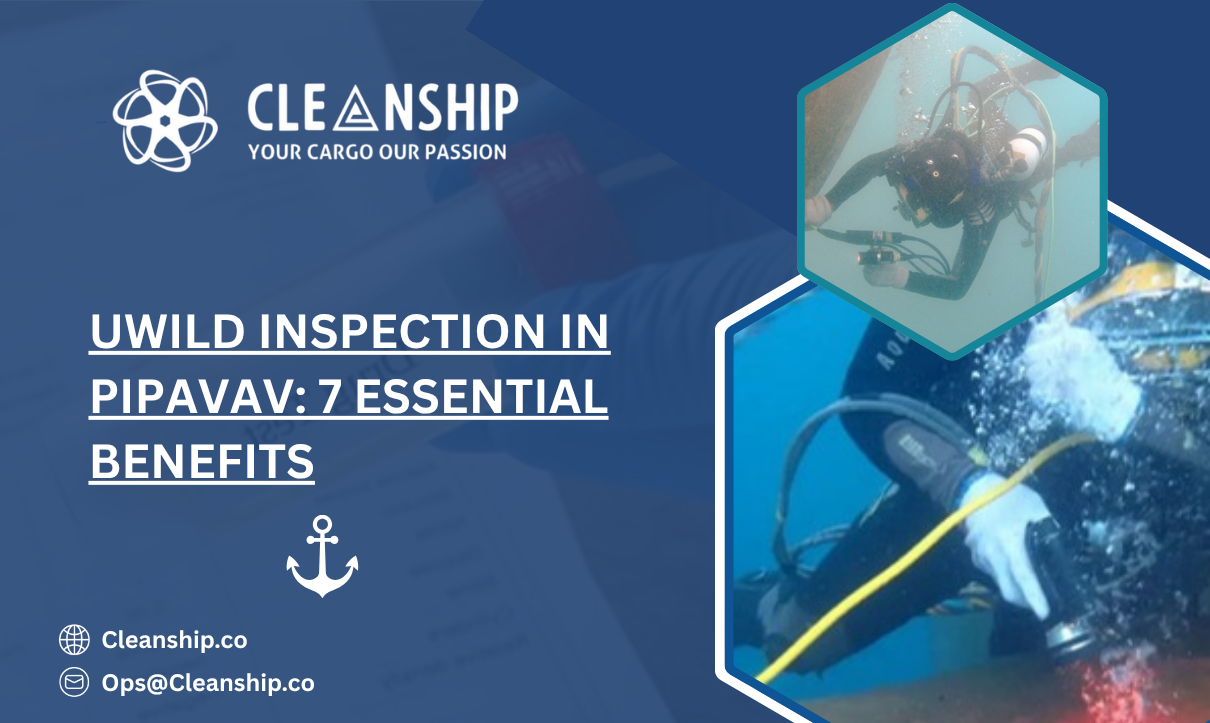
UWILD Inspection in Pipavav: 7 Essential Benefits
Pipavav has established itself as one of India’s leading commercial ports, serving container ships, bulk carriers, oil tankers, and offshore support vessels throughout the year. With tight sailing schedules and increasing operational demands, shipowners are constantly looking for maintenance solutions that save time without compromising safety. That is where UWILD Inspection in Pipavav plays an important role. UWILD, or Underwater Inspection in Lieu of Drydocking, allows vessels to undergo approved underwater inspections while remaining afloat. Instead of taking the vessel out of service and sending it to dry dock, marine experts inspect critical underwater components using certified divers, advanced cameras, and remotely operated vehicles (ROVs). The result is a faster inspection process that helps ship operators maintain compliance while avoiding unnecessary downtime. Whether a vessel is visiting Pipavav for cargo operations or making a scheduled port call, UWILD inspections provide valuable information about its underwater condition. They help technical managers make informed maintenance decisions before small issues become major repairs. What is UWILD Inspection? UWILD Inspection in Pipavav is an underwater survey carried out in place of a scheduled dry docking inspection when permitted by the vessel’s classification society. It allows qualified inspectors to examine submerged parts of the ship while the vessel remains in the water. The inspection covers critical underwater structures such as the hull, propeller, rudder, sea chests, thrusters, and sacrificial anodes. High-definition video, underwater photography, and digital reporting provide detailed documentation that supports maintenance planning and regulatory compliance. For modern shipping companies, UWILD has become a practical maintenance strategy that balances operational efficiency with vessel safety. Why Pipavav is a Preferred Location for UWILD Inspection Pipavav handles a wide range of domestic and international vessels every day. Since many ships spend only a limited time alongside the berth, maintenance activities must fit within busy operational schedules. Choosing UWILD Inspection in Pipavav allows vessel operators to complete underwater surveys during cargo loading, unloading, or bunkering operations. Instead of delaying departure for dry docking, the vessel continues its voyage after receiving an approved inspection report. This flexibility has made UWILD increasingly popular among fleet managers looking to optimize maintenance without affecting commercial commitments. 1. Reduces Vessel Downtime One of the biggest advantages of UWILD Inspection in Pipavav is the ability to inspect underwater structures without taking the vessel out of service. For example, a container ship arriving at Pipavav can complete cargo operations while marine specialists inspect the hull below the waterline. Once both activities are finished, the vessel sails according to schedule. This saves valuable operational time and helps shipping companies avoid unnecessary delays. Reduced downtime also means better fleet utilization and improved customer service for cargo owners. 2. Lowers Maintenance Costs Dry docking represents one of the largest maintenance expenses for shipowners. Docking fees, labor charges, and lost operational days quickly increase overall costs. Regular UWILD Inspection in Pipavav helps identify maintenance requirements before they become expensive repairs. Instead of replacing components based solely on time intervals, operators can make maintenance decisions based on actual vessel condition. This preventive approach improves maintenance budgeting while extending the service life of underwater equipment. 3. Supports Classification Society Compliance Classification societies require underwater inspections at specific intervals to verify the structural integrity and seaworthiness of vessels. Professional providers performing UWILD Inspection in Pipavav work closely with approved surveyors to ensure inspections follow established industry standards. Detailed reports, photographs, and video recordings provide evidence that supports compliance with class and flag state requirements. Proper documentation also simplifies future inspections and technical audits. 4. Detects Underwater Damage Early Small underwater defects often develop gradually. Corrosion, damaged coatings, bent propeller blades, marine growth, and worn sacrificial anodes may initially appear minor but can eventually affect vessel performance. Routine UWILD Inspection in Pipavav helps identify these issues before they require costly emergency repairs. A bulk carrier operating continuously between Indian and Middle Eastern ports, for instance, may develop marine growth around the hull after several months at sea. Detecting and addressing the problem early helps maintain fuel efficiency throughout future voyages. 5. Improves Operational Safety Working underwater always presents challenges, including poor visibility, changing currents, and limited access to submerged components. Today’s UWILD Inspection in Pipavav often combines experienced commercial divers with remotely operated vehicles. ROVs capture high-quality footage in difficult-to-reach areas while reducing unnecessary diver exposure. This combination enhances inspection quality while maintaining a strong focus on personnel safety. 6. Provides Accurate Digital Inspection Records Modern inspection technology produces detailed underwater photographs and high-definition videos that become part of the vessel’s maintenance history. Every UWILD Inspection in Pipavav generates digital documentation that can be reviewed by technical managers, shipowners, insurers, and classification surveyors. Instead of relying solely on written observations, decision-makers receive visual confirmation of the vessel’s underwater condition. These records also make it easier to compare inspection results over several years and monitor long-term structural changes. 7. Improves Maintenance Planning Effective maintenance depends on accurate information. UWILD inspections provide technical teams with reliable data that supports smarter maintenance scheduling. Instead of waiting until the next dry dock, operators can prioritize repairs according to inspection findings. This helps avoid unnecessary maintenance while ensuring essential work receives immediate attention. Shipping companies managing multiple vessels often use UWILD Inspection in Pipavav to coordinate maintenance across their fleet, reducing unexpected breakdowns and improving operational reliability. Technologies Used During UWILD Inspection High-Definition Underwater Cameras Modern cameras capture detailed images of hull coatings, welds, corrosion, propeller blades, and marine growth. High-quality visuals allow surveyors to evaluate underwater structures with greater confidence. The recorded footage also serves as valuable evidence for maintenance planning and regulatory compliance. Remotely Operated Vehicles (ROVs) Many inspection providers now deploy ROVs alongside commercial divers. These remotely controlled systems access confined underwater spaces, inspect difficult areas, and provide live video feeds to engineers on the surface. ROVs improve inspection accuracy while minimizing operational risks. Digital Reporting Systems Inspection findings are compiled into comprehensive reports containing images, videos, observations, and maintenance recommendations. These digital reports help technical managers make informed decisions while creating a