
Why Tank Cleaning in Ajman Port Matters Today
Tank cleaning in Ajman Port is no longer a routine operational task—it is a strategic requirement for vessel safety, regulatory compliance, and cost control. As UAE ports continue to strengthen environmental oversight and inspection standards, shipowners, operators, and charterers must treat tank cleanliness as a core part of voyage readiness.
Ajman Port, although compact, plays a crucial role in regional trade, serving tankers, bulk carriers, and multipurpose vessels that operate across the Arabian Gulf. Here, effective tank cleaning has a direct impact on cargo acceptance, port clearance, crew safety, and commercial reputation. When done correctly, it protects both the vessel and the marine ecosystem.
Ajman Port and the UAE’s Growing Role in Marine Cleaning
The UAE as a Maritime Compliance Hub
The UAE has positioned itself as a global maritime compliance leader. Ports across the region follow strict interpretations of IMO, MARPOL Convention, IMCA, and IAPH guidelines. Ajman Port reflects this same philosophy, with inspections that prioritize safety, pollution prevention, and documentation accuracy.
Why Ajman Port Requires High Cleaning Standards
Ajman Port frequently handles vessels transitioning between cargo types. This increases the risk of cross-contamination, making tank cleaning in Ajman Port essential before loading sensitive liquid or dry bulk cargoes. Inspectors expect tanks to meet both visual and chemical cleanliness benchmarks.
What Tank Cleaning in Ajman Port Really Means
Beyond Washing: A Controlled Process
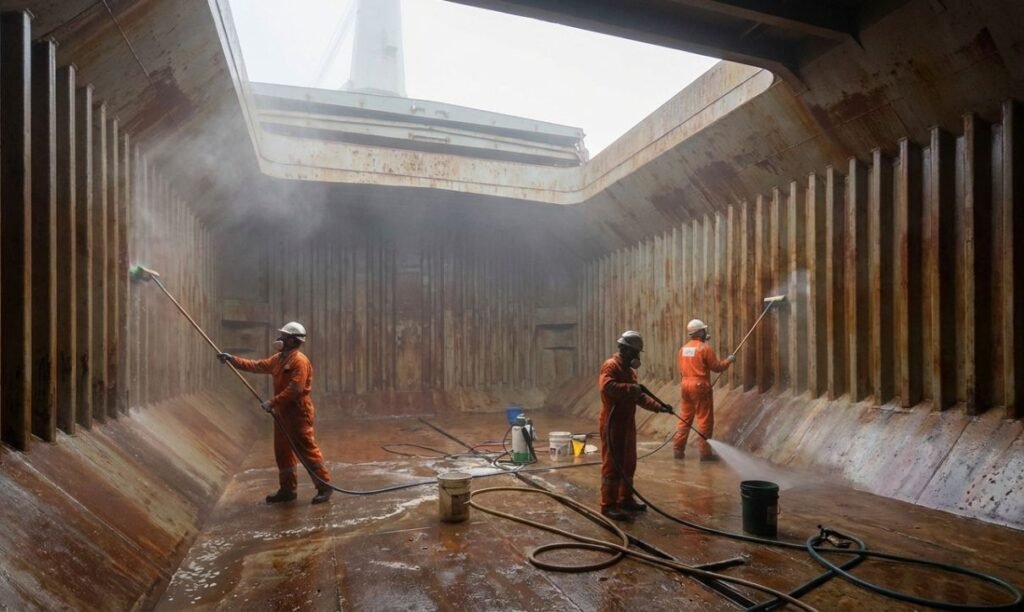
Tank cleaning in Ajman Port is not just washing residues with water. It is a controlled, step-by-step process that removes previous cargo traces, gases, sludge, and contaminants while ensuring tanks are safe for inspection and loading.
Common Tank Types Cleaned in Ajman Port
- Oil and chemical cargo tanks
- Slop and ballast tanks
- Fuel and service tanks
- Bulk carrier holds with liquid residue exposure
Each tank type demands a different cleaning approach based on cargo history and regulatory requirements.
Benefit 1: Strong Regulatory Compliance
Meeting IMO and MARPOL Requirements
Tank cleaning in Ajman Port ensures compliance with IMO and MARPOL Convention rules related to pollution prevention and cargo handling. Clean tanks reduce the risk of illegal discharges and detention during port state control inspections.
Documentation That Passes Inspection
Clean tanks are only half the job. Proper cleaning records, gas-free certificates, and inspection reports form a compliance trail that inspectors trust.
Benefit 2: Safer Working Conditions for Crew
Reducing Toxic Gas Exposure
Residual cargo vapors can be dangerous. Professional tank cleaning minimizes toxic gas buildup, reducing the risk of asphyxiation or chemical exposure during entry.
Supporting Drug & Alcohol Testing Protocols
Crew safety programs increasingly integrate drug and alcohol testing services, especially during port calls. Clean tanks reduce operational stress and human error, supporting overall safety culture onboard.
Benefit 3: Protection of the Marine Environment
Preventing Contamination in UAE Waters
Ajman Port operates under strict environmental oversight. Proper tank cleaning prevents accidental discharge of residues into port waters, protecting marine life and coastal ecosystems.
Aligning with IAPH Environmental Standards
IAPH encourages ports to adopt sustainable cleaning practices. Responsible tank cleaning in Ajman Port aligns vessel operations with global environmental expectations.
Benefit 4: Faster Inspections and Port Clearance
Reducing Delays During Cargo Surveys
Dirty tanks lead to rejections, re-cleaning, and lost time. Clean tanks allow marine supercargo and surveyors to approve readiness without repeated inspections.
Supporting Marine Supercargo Final Quality Rules
Cleanliness directly affects cargo acceptance under Marine Supercargo Final Quality Rules. Tanks that meet standards on first inspection save time and demurrage costs.
Benefit 5: Lower Long-Term Operational Costs
Preventing Corrosion and Structural Damage
Residues left in tanks accelerate corrosion. Regular tank cleaning in Ajman Port extends tank life, reducing repair and coating expenses.
Avoiding Emergency Cleaning Costs
Planned cleaning is always cheaper than emergency cleaning under inspection pressure. Predictable maintenance improves budgeting and voyage planning.
Benefit 6: Improved Cargo Quality and Flexibility
Preventing Cross-Contamination
Cargo contamination often traces back to poor tank cleaning. Clean tanks protect cargo integrity, especially when switching between oil, chemicals, or food-grade products.
Supporting Mixed Fleet Operations
Many operators manage mixed fleets of tankers and bulk carriers. Standardized tank and hold cleaning practices allow smoother operational transitions.
Benefit 7: Enhanced Commercial Reputation
Trust with Charterers and Ports
A vessel known for consistent tank cleaning in Ajman Port builds trust with charterers, terminals, and port authorities.
Reducing Inspection Red Flags
Clean tanks signal professional vessel management. Inspectors are less likely to escalate inspections when cleanliness standards are clearly maintained.
Tank, Hold, and Bulk Carrier Cleaning Standards
How Standards Differ by Vessel Type
- Tankers: Focus on residue removal, gas-free certification, and chemical compatibility
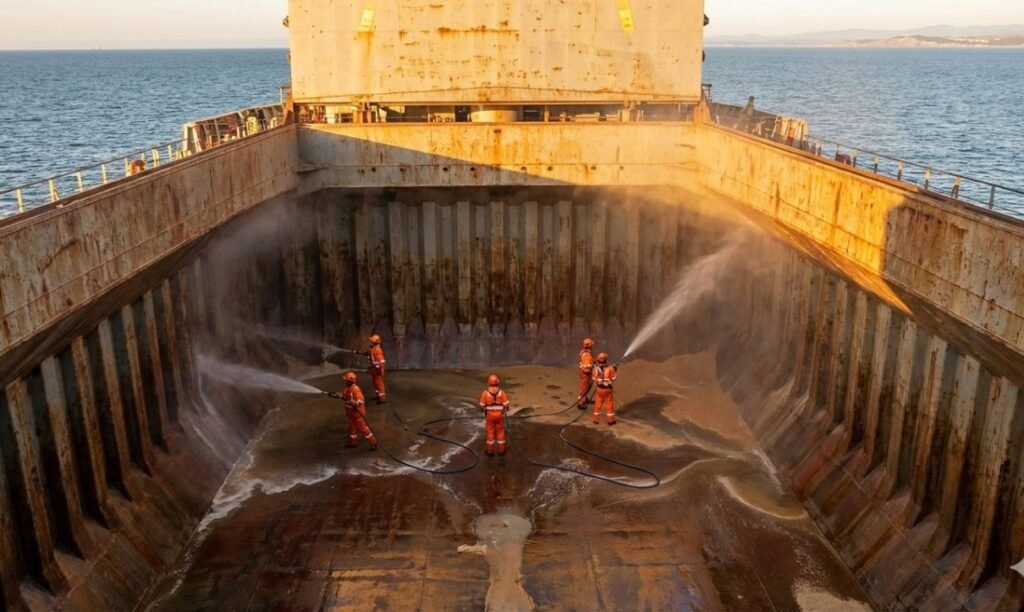
- Bulk carriers: Emphasis on dry cleanliness, rust scale removal, and odor control
- Combination vessels: Require hybrid cleaning strategies
Why Standardization Matters
Uniform cleaning standards across tank, hold, and bulk carrier cleaning reduce operational confusion and inspection risk.
Inspection, Documentation, and Compliance Workflows
Typical Cleaning-to-Inspection Flow
- Cargo discharge and residue assessment
- Mechanical and chemical cleaning
- Ventilation and gas-free testing
- Visual inspection and documentation
- Surveyor or port approval
Why Records Matter as Much as Results
Inspectors rely on records as much as physical inspection. Accurate documentation demonstrates procedural discipline.
Industry Practices and Global Operations
Global Tank and Hold Cleaning Operations
Professional marine service providers operate globally, adapting cleaning methods to regional regulations while maintaining consistent quality benchmarks.
Cargo Supervision and Compliance Support
Cargo supervision ensures cleaning meets charter party and cargo owner requirements, minimizing disputes.
Crew Safety and Testing Integration
Modern operations integrate safety protocols, including drug and alcohol testing, into port service workflows to support compliance and welfare.
Future Trends in Marine Cleaning
Automation and Remote Monitoring
Automated tank cleaning systems reduce manual entry risks and improve consistency.
Eco-Friendly Cleaning Agents
The industry is shifting toward biodegradable chemicals that meet MARPOL standards without harming marine life.
Digital Compliance Tracking
Digital inspection logs and compliance platforms are becoming standard, improving transparency and audit readiness.
Why Ajman Port Will Demand Even Higher Standards
As UAE ports modernize, Ajman Port is expected to tighten inspection protocols further. Tank cleaning in Ajman Port will increasingly be viewed as a preventive compliance measure rather than a corrective action.
Conclusion: Key Takeaways for Vessel Operators
Tank cleaning in Ajman Port delivers far more than clean tanks—it ensures compliance, safety, and operational efficiency. First, it protects vessels from regulatory penalties under IMO, MARPOL, and port authority rules. Second, it safeguards crew health and environmental integrity. Third, it reduces delays, costs, and commercial risk across voyages.
For operators seeking reliable, compliant marine services aligned with global best practices, Cleanship.co reflects the professional standards expected in modern tank, hold, and bulk carrier cleaning operations. Choosing experienced providers is a strategic decision for long-term maritime excellence.
FAQs:
Q1. How often is tank cleaning required in Ajman Port?
Tank cleaning frequency depends on cargo type, charter party requirements, and inspection history. Vessels switching cargoes or preparing for sensitive loads typically require cleaning before every loading at Ajman Port.
Q2. Is tank cleaning in Ajman Port mandatory under MARPOL?
MARPOL does not mandate cleaning after every voyage, but it requires vessels to prevent pollution. Cleaning becomes mandatory when residues pose environmental or cargo contamination risks.
Q3. How long does professional tank cleaning take?
Duration varies by tank size, residue type, and cleaning method. In Ajman Port, cleaning can range from several hours to a full day, including ventilation and inspection readiness.
Q4. Does tank cleaning affect port state control inspections?
Yes. Clean tanks significantly reduce the likelihood of extended inspections or detentions, as inspectors view cleanliness as a sign of good vessel management.
Q5. Can tank and bulk carrier hold cleaning be done together?
Yes, coordinated tank and hold cleaning is common for multipurpose vessels, provided procedures follow vessel-specific standards and proper documentation is maintained.