

Hold Cleaning in Abu Dhabi is a critical safety and compliance function, not a routine housekeeping task. In one of the world’s busiest maritime and energy regions, cargo holds must meet strict cleanliness, safety, and environmental standards before every loading operation. Therefore, effective hold cleaning directly protects crew members, cargo integrity, port operations, and vessel longevity.
Abu Dhabi’s ports handle bulk carriers transporting coal, grain, minerals, fertilizers, and project cargo. Consequently, hold cleaning must align with international conventions, port authority rules, and charter-party requirements. This article explains why Hold Cleaning delivers seven powerful safety benefits while supporting regulatory compliance, operational efficiency, and environmental protection.
Why the UAE Plays a Central Role in Marine Cleaning
The UAE is a global logistics and energy hub connecting Asia, Europe, and Africa. Moreover, vessels calling at Abu Dhabi often change cargo types, increasing contamination and safety risks. As a result, Hold Cleaning in Abu Dhabi has become a core operational requirement rather than an optional service.
Ports in Abu Dhabi operate under strict inspection regimes. Therefore, poor hold cleanliness can delay loading, trigger re-inspections, or lead to commercial disputes. Professional hold cleaning ensures vessels remain operational, compliant, and safe.
What Hold Cleaning Means in Practical Terms
Hold cleaning involves removing cargo residues, dust, moisture, and contaminants from cargo holds after discharge. However, it is more than visual cleaning.
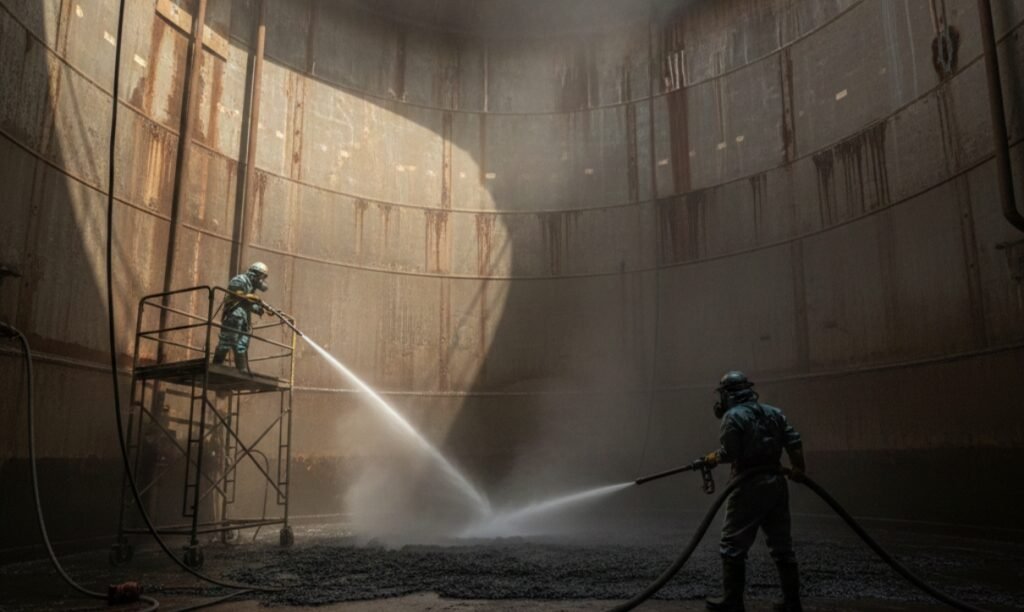
In Hold Cleaning in Abu Dhabi, the process includes residue removal, washing, drying, rust scale management, bilge cleaning, and final inspection. Each step reduces hazards before cargo loading and crew entry.
Regulatory Framework Governing
Hold cleaning operates within an international compliance environment enforced locally through port authorities.
IMO and MARPOL Convention Requirements
The International Maritime Organization sets global safety standards. Meanwhile, the MARPOL Convention governs pollution prevention and residue disposal. Hold Cleaning in Abu Dhabi must comply with MARPOL rules to prevent illegal discharge and environmental damage.
IMCA and IAPH Safety Expectations
The International Marine Contractors Association guides confined space entry and safe working practices. In addition, the International Association of Ports and Harbors promotes standardized safety procedures across the world’s ports. Together, these frameworks influence how cleaning is planned and executed.
7 Powerful Safety Benefits
1. Reduced Risk of Cargo Shift and Instability
Cargo residues and uneven surfaces increase the risk of cargo shift during loading or voyage. Therefore, Hold cleaning ensures flat, clean surfaces that support stable cargo distribution.
A clean hold acts like a level foundation, reducing vessel stability risks at sea.
2. Protection Against Toxic and Dust Exposure
Bulk cargo residues often release harmful dust or gases. Consequently, uncleaned holds expose crew members to respiratory hazards. Hold cleaning removes these residues and improves air quality before entry.
As a result, crew health and safety improve significantly.
3. Prevention of Cargo Contamination
Residues from previous cargoes can contaminate the next shipment. Even minor traces may lead to cargo rejection or claims. Therefore, hold cleaning protects cargo quality and commercial interests.
Clean holds support smooth cargo transitions and charter-party compliance.
4. Structural Safety and Early Damage Detection
Cargo residues trap moisture and accelerate corrosion. Regular hold cleaning exposes steel structures, allowing early identification of cracks, coating failure, or rust scale.
Consequently, vessels maintain structural integrity and reduce long-term repair costs. Learn more about 7 Powerful Vessel Cleaning Services in Ajman Port.
5. Environmental Protection in Abu Dhabi Waters
Improper residue handling can pollute port waters. Abu Dhabi enforces strict environmental controls. Hold Cleaning in Abu Dhabi follows MARPOL-compliant disposal methods, protecting marine ecosystems.
As a result, vessels avoid fines and maintain port access.
6. Safer Inspections and Surveys
Port state control inspections and surveyor checks often require clean holds. Dirty holds increase inspection risks and delays. Hold Cleaning in Abu Dhabi ensures inspectors can safely assess conditions.
Therefore, inspections become faster and more predictable.
7. Improved Operational Efficiency and Cost Control
Safety and efficiency are connected. When Hold Cleaning in Abu Dhabi is done correctly, re-cleaning, delays, and disputes decrease. Over time, vessels benefit from reduced off-hire and better voyage planning.
Safety, in this context, directly supports profitability. Read more about our professional cargo hold cleaning solutions
Tank, Hold, and Bulk Carrier Cleaning Standards
Although hold cleaning focuses on dry cargo spaces, it aligns with broader marine cleaning standards.
Hold Cleaning Standards
Hold cleaning addresses dry residues, dust control, bilge cleanliness, and surface condition. Attention is given to charter-party cleanliness clauses and surveyor acceptance criteria.
Tank Cleaning Standards
Tank cleaning focuses on liquid residues, vapor control, and sludge handling. While different in method, safety principles remain similar.
Bulk Carrier Cleaning Practices
Bulk carriers frequently change cargo types. Therefore, the hold cleaning must meet both the port authority and charterer expectations to ensure loading approval. Read more about Tank Cleaning in Abu Dhabi
Inspection, Documentation, and Compliance Workflows
In Abu Dhabi, cleaning alone is not enough. Documentation completes compliance.
Pre-Cleaning Risk Assessment
Before Hold Cleaning in Abu Dhabi begins, hazards are identified, permits are issued, and rescue plans are prepared. This aligns with IMCA safety guidance.
Monitoring During Cleaning Operations
Gas testing, confined space logs, and safety watch records are maintained throughout the process. Consequently, risks are controlled continuously.
Final Inspection and Reporting
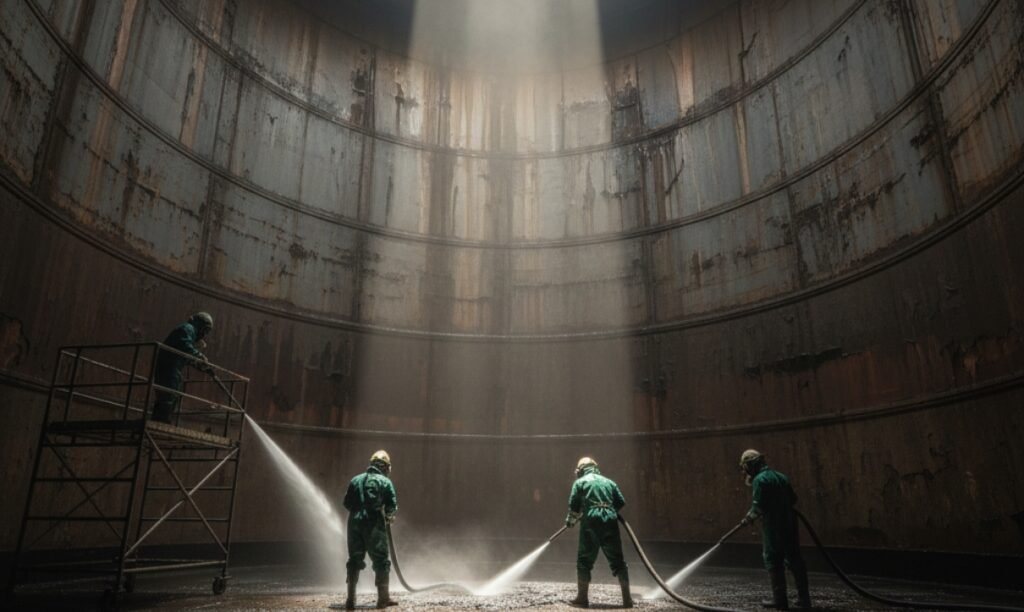
After Hold Cleaning in Abu Dhabi, holds are inspected, photographed, and documented. These records support MARPOL compliance and port authority requirements.
Industry Context and Global Practices
Across the world’s ports, professional marine service providers follow similar principles. For example, Cleanship.co operates globally in hold and tank cleaning, cargo supervision, and compliance support.
In addition, such organizations often provide drug and alcohol testing services for crew safety. While separate from cleaning, these services strengthen the overall safety culture within maritime operations.
Future Trends and Innovation in Marine Cleaning
Marine cleaning is evolving through automation and digital tools. Remote inspection devices, environmentally friendly cleaning agents, and closed-loop waste systems are becoming common.
Moreover, digital compliance platforms reduce paperwork errors and improve transparency. As a result, Hold Cleaning in Abu Dhabi continues to become safer, more efficient, and more accountable.
Conclusion
Hold Cleaning in Abu Dhabi delivers essential safety and compliance benefits. First, it protects crews from exposure, instability, and confined space hazards. Second, it safeguards cargo quality, vessel structures, and the marine environment under IMO and MARPOL standards. Third, it improves inspection readiness and operational efficiency.
In a region where compliance defines reliability, professional hold cleaning is indispensable. For operators seeking disciplined compliance, cargo supervision, and global maritime service standards, Cleanship.co stands as a strong example of maritime service excellence and trusted operational support.
FAQs:
Hold cleaning is regulated to prevent pollution, protect crew safety, and ensure cargo integrity. Strict enforcement aligns operations with IMO, MARPOL, and port authority requirements.
Hold cleaning focuses on dry cargo residues, dust, and bilges, while tank cleaning addresses liquid residues and vapors. Both follow different methods but share the same safety and compliance objectives.
Yes. Inadequate hold cleaning can lead to failed inspections, re-cleaning orders, or cargo rejection, causing costly delays.
Typical records include risk assessments, cleaning logs, inspection reports, and waste disposal documentation supporting MARPOL and port compliance.
International standards from IMO, IMCA, MARPOL, IAPH, and World Ports guidelines shape how hold cleaning is planned, executed, and documented.