Pipavav has become one of India’s important deep-water ports, serving container vessels, bulk carriers, tankers, and offshore support ships. With increasing vessel traffic and tighter maintenance schedules, ship owners are constantly looking for efficient ways to inspect underwater assets without disrupting operations.
Traditional underwater inspections performed by divers remain valuable, but technology has changed the way vessels are inspected below the waterline. Remotely Operated Vehicles, commonly known as ROVs, now offer faster, safer, and more detailed inspections.
Today, ROV Hull Inspection in Pipavav is gaining attention among ship operators who want accurate underwater assessments while minimizing operational delays. The technology provides real-time information and helps maintenance teams make better decisions.
Understanding ROV Hull Inspection in Pipavav
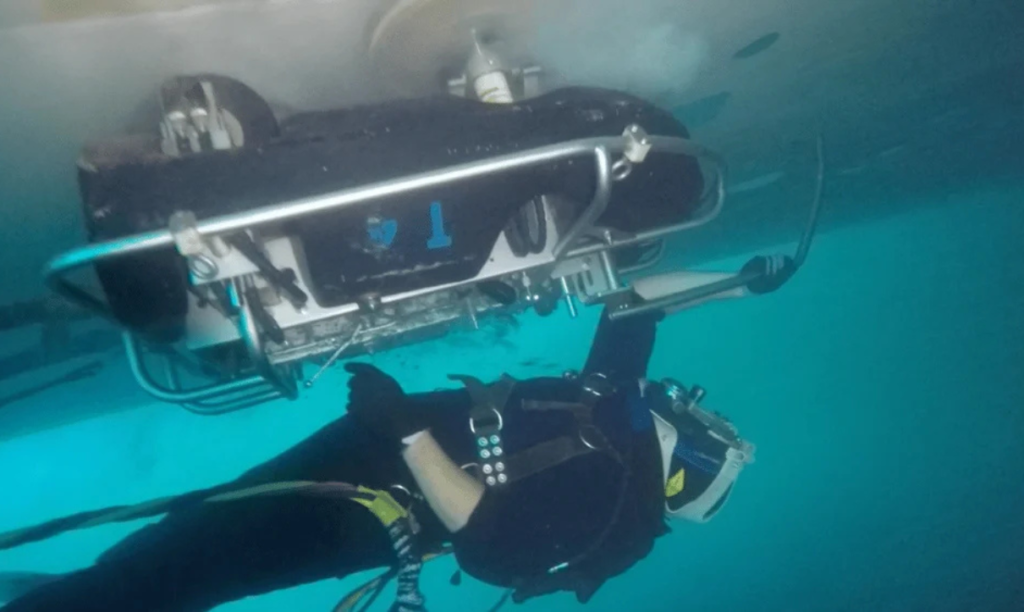
An ROV is a remotely operated underwater vehicle equipped with cameras, lights, sensors, and maneuvering systems. Operators control the vehicle from the surface while receiving live video footage.
These systems can inspect:
- Hull plating
- Rudders
- Propellers
- Sea chests
- Thrusters
- Coating conditions
- Marine growth
ROV Hull Inspection in Pipavav allows vessels to remain afloat during inspections, reducing the need for dry docking.
Why ROV Inspections Are Becoming Popular
The busy operational environment at Pipavav requires efficient maintenance solutions. Many vessels have limited port stays, making traditional inspection methods challenging.
A container vessel operating between the Middle East and western India recently reported increased vibration during operations. An ROV inspection conducted at Pipavav identified minor propeller damage and marine growth, allowing repairs to be scheduled during the next maintenance window.
Such cases demonstrate the practical value of underwater robotic inspections.
1. Improved Safety for Underwater Operations
One of the biggest advantages of ROV technology is safety.
Certain underwater areas expose divers to risks such as low visibility, currents, and confined spaces. ROVs can inspect these locations without direct human exposure.
Safety Benefits
- Reduced diver exposure
- Lower operational risk
- Safe inspection of confined spaces
- Better control during operations
Many ship operators now prefer ROV Hull Inspection in Pipavav for routine surveys because of these safety advantages.
2. Faster Inspection Times
Port schedules often leave very little room for maintenance activities.
ROVs can inspect large portions of a vessel in a relatively short period. Operators can quickly maneuver around the hull and focus on specific areas of concern.
This speed helps reduce delays and minimizes interruptions to cargo operations.
3. High-Definition Visual Documentation
Modern ROV systems capture detailed images and video footage.
Technical managers can review inspection recordings long after the operation is complete. This documentation becomes useful for maintenance planning and regulatory purposes.
Inspection reports commonly include:
- HD photographs
- Video recordings
- Defect locations
- Condition assessments
Clear visual evidence improves decision-making.
4. Inspection Without Dry Docking
Dry docking involves significant expenses and operational downtime.
ROV Hull Inspection in Pipavav allows ship owners to inspect underwater structures while the vessel remains alongside the berth or at anchorage.
This flexibility reduces maintenance costs and allows operators to continue normal schedules.
For vessels operating under tight charter commitments, avoiding unnecessary delays is particularly important.
5. Access to Difficult Areas
Some underwater sections are difficult to inspect manually.
Sea chests, rudder gaps, propeller zones, and thruster tunnels often present access challenges. ROVs can enter these areas and provide detailed images.
Inspectors can identify:
- Corrosion
- Cracks
- Coating damage
- Marine growth
- Mechanical defects
Early detection prevents minor problems from developing into larger issues.
6. Better Maintenance Planning
Maintenance becomes more effective when based on accurate information.
Instead of relying on assumptions, technical teams can review actual underwater conditions. This helps prioritize repairs and allocate maintenance budgets efficiently.
Many shipping companies include ROV Hull Inspection in Pipavav as part of their planned maintenance programs.
Maintenance Advantages
- Early defect detection
- Reduced emergency repairs
- Improved dry dock planning
- Better asset management
Reliable inspection data supports long-term vessel performance.
7. Cost Savings Over Time
Although inspections involve an initial investment, they often reduce long-term maintenance costs.
A bulk carrier visiting Pipavav underwent an ROV inspection before a scheduled dry dock. Inspectors found only localized coating damage rather than the extensive repairs originally anticipated.
The ship owner adjusted repair plans accordingly and reduced maintenance expenses.
Preventive inspections often provide measurable financial benefits.
Applications Across Different Vessel Types
ROV inspections support many vessel categories operating through Pipavav.
These include:
- Container vessels
- Bulk carriers
- Chemical tankers
- Offshore support vessels
- Coastal cargo vessels
- Oil tankers
Port facilities and offshore structures also benefit from underwater robotic inspections.
Challenges During ROV Operations
Despite their advantages, ROV inspections still depend on environmental conditions.
Water clarity, currents, weather, and vessel movement can influence inspection quality. Experienced operators understand local conditions and adjust inspection procedures accordingly.
Proper planning remains essential for successful underwater operations.
Choosing the Right Inspection Provider
Not every service provider offers the same level of expertise.
Ship owners should evaluate:
- ROV technology
- Camera quality
- Operator experience
- Safety procedures
- Reporting capability
- Marine industry experience
A qualified provider delivering ROV Hull Inspection in Pipavav can provide reliable information that supports operational decisions.
The Future of ROV Inspections
The maritime industry continues to adopt advanced technologies.
Artificial intelligence, digital reporting systems, and automated defect recognition are becoming part of modern inspection programs. Future systems may analyze defects automatically and provide predictive maintenance recommendations.
As efficiency and safety become increasingly important, ROV inspections will continue to grow across the shipping industry.
Conclusion
Underwater inspections remain essential for maintaining vessel safety and performance. While traditional diving methods still play a role, ROV technology offers important advantages in safety, speed, and accuracy.
The seven expert benefits discussed above demonstrate why ROV Hull Inspection in Pipavav has become a preferred solution for many vessel operators.
By improving maintenance planning, reducing operational risks, and delivering accurate underwater information, ROV inspections help ship owners protect valuable assets and maintain efficient operations.
For vessels calling at Pipavav, underwater robotic inspections represent a practical and reliable approach to modern vessel maintenance.
FAQs:
Q1. What is an ROV hull inspection in Pipavav?
An ROV hull inspection in Pipavav uses a remotely operated underwater vehicle to inspect a vessel’s underwater structure and components.
Q2. Can ROV inspections replace diver inspections?
In many situations, yes. However, certain repair activities may still require divers.
Q3. How long does an ROV inspection take?
Most inspections can be completed within a few hours depending on vessel size and inspection scope.
Q4. Can vessels remain afloat during inspection?
Yes. ROV inspections are usually performed while vessels remain in the water.
Q5. What defects can ROV inspections identify?
ROVs can detect corrosion, coating damage, marine growth, cracks, and propeller defects.