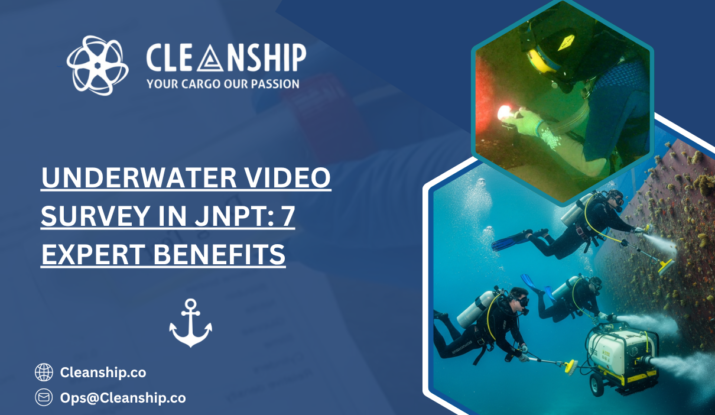
Jawaharlal Nehru Port Authority (JNPT) is India’s busiest container port, serving thousands of commercial vessels every year. From container ships and bulk carriers to tankers and offshore support vessels, ships operating through JNPT require regular underwater inspections to maintain safety, efficiency, and compliance with class requirements.
Inspecting the underwater portion of a vessel has traditionally required dry docking, but advancements in underwater imaging technology have changed that approach. Today, high-definition underwater video surveys provide ship owners and technical managers with detailed visual assessments while vessels remain afloat.
This is why Underwater Video Survey in JNPT has become a valuable maintenance solution. It allows operators to evaluate hull condition, identify underwater defects, and plan maintenance with minimal disruption to vessel operations.
What Is an Underwater Video Survey in JNPT?
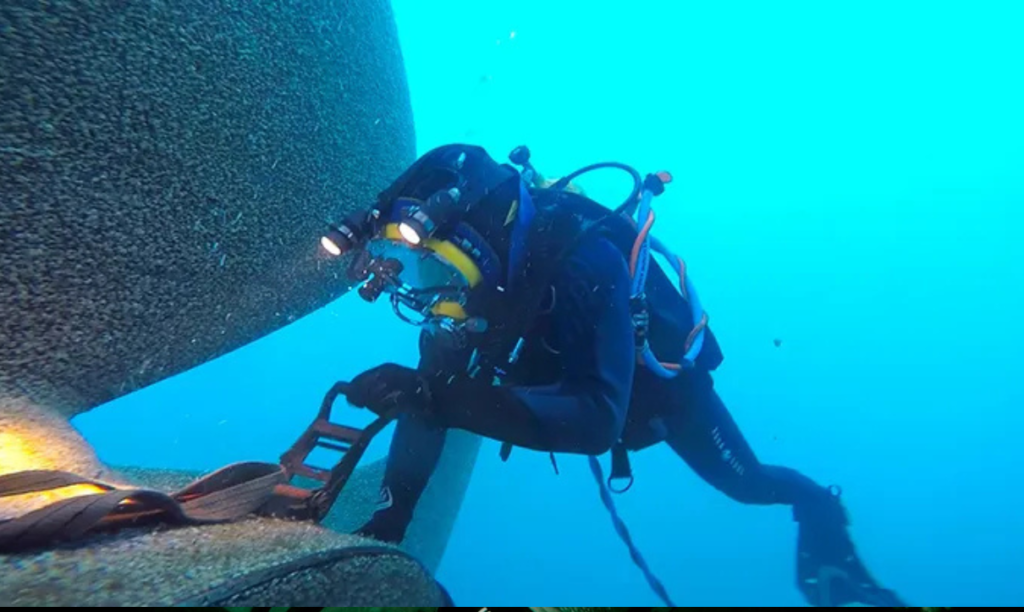
An underwater video Survey in JNPT is a visual inspection of a vessel’s submerged structure using commercial divers or remotely operated vehicles (ROVs) equipped with high-definition underwater cameras.
A professional Underwater Video Survey in JNPT typically covers:
- Hull plating
- Propeller
- Rudder
- Sea chests
- Thruster tunnels
- Bilge keels
- Underwater appendages
The recorded video provides technical managers with clear evidence of the vessel’s underwater condition and supports informed maintenance decisions.
Why Underwater Video Survey in JNPT Are Important
Many underwater problems remain invisible until they begin affecting vessel performance.
For example, a container vessel preparing for an overseas voyage from JNPT scheduled a routine underwater video survey before departure. The inspection revealed localized coating damage and early barnacle growth around the stern section. Maintenance was arranged immediately, preventing more extensive fouling and avoiding unnecessary fuel penalties during the voyage.
This practical example demonstrates why Underwater Video Survey in JNPT has become an important preventive maintenance tool.
1. Detects Underwater Damage Early
One of the greatest advantages of underwater video Survey in JNPT is early problem detection.
Inspectors can identify:
- Coating failures
- Corrosion
- Scratches
- Structural damage
- Mechanical defects
- Marine growth
Finding these issues before they worsen helps reduce repair costs and improves maintenance planning.
Early Detection Benefits
- Prevents larger repairs
- Supports preventive maintenance
- Protects underwater structures
- Reduces operational risk
Early intervention often saves both time and money.
2. Supports Accurate Maintenance Planning
High-definition video provides technical managers with a detailed record of the vessel’s underwater condition.
Instead of relying solely on written observations, maintenance teams can review actual footage before scheduling repairs.
Professional Underwater Video Survey in JNPT allows ship owners to prioritize maintenance based on verified inspection findings.
Accurate planning improves maintenance efficiency.
3. Reduces Dry Dock Dependency
Routine underwater video Survey in JNPT help determine whether immediate dry docking is necessary.
If the inspection confirms that the hull and underwater components remain in satisfactory condition, maintenance can often be scheduled during the next planned docking instead of requiring emergency repairs.
This flexible approach helps reduce operational interruptions.
For shipping companies operating on tight schedules, avoiding unnecessary dry docking provides considerable value.
4. Evaluates Hull Fouling
Marine growth develops naturally on submerged hull surfaces.
During an underwater video survey, inspectors evaluate:
- Slime accumulation
- Algae
- Barnacles
- Mussels
- Shell deposits
A bulk carrier arriving at JNPT after extended coastal trading recently underwent an underwater video survey. The inspection confirmed moderate hull fouling concentrated around the waterline and propeller. Cleaning was completed before the vessel’s next international voyage, restoring operational efficiency.
Fouling Assessment Benefits
- Determines cleaning priorities
- Protects hull coatings
- Improves fuel efficiency
- Supports voyage planning
Regular monitoring prevents excessive fouling from developing.
5. Documents Vessel Condition
Professional underwater surveys generate valuable inspection records.
Commercial diving teams typically provide:
- High-definition video recordings
- Digital photographs
- Inspection reports
- Maintenance recommendations
Routine Underwater Video Survey in JNPT creates a documented maintenance history that technical managers can compare across multiple inspections.
Accurate records improve long-term asset management.
6. Enhances Safety and Compliance
Underwater inspections help verify the condition of important underwater structures before they affect vessel safety.
Video surveys can support:
- Internal maintenance reviews
- Insurance assessments
- Technical evaluations
- Class preparation
- Operational planning
Professional underwater documentation improves transparency during maintenance decision-making.
Reliable inspections contribute to safer vessel operations.
7. Improves Overall Vessel Performance
Maintaining underwater structures in good condition contributes directly to operational efficiency.
Routine Underwater Video Survey in JNPT supports:
- Better hull performance
- Reduced fuel consumption
- Improved propulsion efficiency
- Lower maintenance costs
- Increased operational reliability
Commercial vessels operating efficiently remain more competitive in today’s shipping industry.
Choosing the Right Underwater Video Survey Provider
Selecting an experienced underwater inspection company is essential.
Ship owners should choose providers offering:
- Certified commercial divers
- Advanced ROV inspection capability
- High-definition underwater cameras
- Detailed digital reporting
- Strong safety procedures
- Experience with commercial vessels
An experienced inspection team understands the operational requirements of vessels calling at JNPT and provides reliable underwater documentation for technical decision-making.
Technology Is Transforming Underwater Inspections
Modern underwater inspection technology continues to improve rapidly.
Today’s underwater video surveys use HD and 4K cameras, powerful underwater lighting, ROVs, laser measurement tools, and cloud-based reporting platforms. These technologies allow inspectors to capture exceptionally detailed footage while giving fleet managers immediate access to inspection results from anywhere in the world.
Technology has made Underwater Video Survey in JNPT faster, more accurate, and more valuable for modern vessel maintenance.
Conclusion
A vessel’s underwater condition has a direct impact on safety, efficiency, fuel consumption, and maintenance costs. Regular inspections allow operators to detect problems early, plan maintenance effectively, and avoid unexpected operational issues.
The seven expert benefits discussed above demonstrate why Underwater Video Survey in JNPT has become an essential preventive maintenance service for commercial vessels. High-quality underwater imaging supports better decision-making, protects valuable underwater assets, and improves long-term fleet reliability.
For ship owners operating through JNPT, investing in professional underwater video surveys is a practical way to maintain vessel performance while reducing maintenance risks and operational downtime.
FAQs:
Q1. What is an underwater video survey?
An underwater video survey is a visual inspection of a vessel’s submerged hull and underwater components using commercial divers or ROVs equipped with HD cameras.
Q2. Why is an underwater video survey important?
It helps detect underwater damage, marine growth, corrosion, and coating defects while supporting preventive maintenance planning.
Q3. Can underwater video surveys be performed without dry docking?
Yes. Professional divers and ROVs can complete underwater video surveys while the vessel remains afloat.
Q4. What equipment is used during an underwater video survey?
Surveys typically use HD underwater cameras, ROVs, lighting systems, recording equipment, and digital reporting software.
Q5. How often should underwater video surveys be carried out?
The inspection frequency depends on vessel operations, class requirements, and maintenance schedules, but regular surveys are recommended for preventive maintenance.