UWILD Inspection in JNPT is India’s largest container port, handling a continuous flow of commercial vessels engaged in domestic and international trade. Every vessel calling at the port must maintain high standards of safety, structural integrity, and regulatory compliance. One of the most effective ways to evaluate a vessel’s underwater condition without interrupting operations is through an Underwater Inspection in Lieu of Drydocking, commonly known as UWILD.
Instead of sending a vessel to dry dock solely for an underwater survey, ship owners can arrange a certified inspection while the vessel remains afloat. This approach minimizes downtime, reduces operational costs, and provides valuable information about the vessel’s underwater condition.
As a result, UWILD Inspection in JNPT has become an increasingly preferred solution for ship owners, fleet managers, and classification societies seeking efficient underwater inspections.
What Is UWILD Inspection in JNPT?
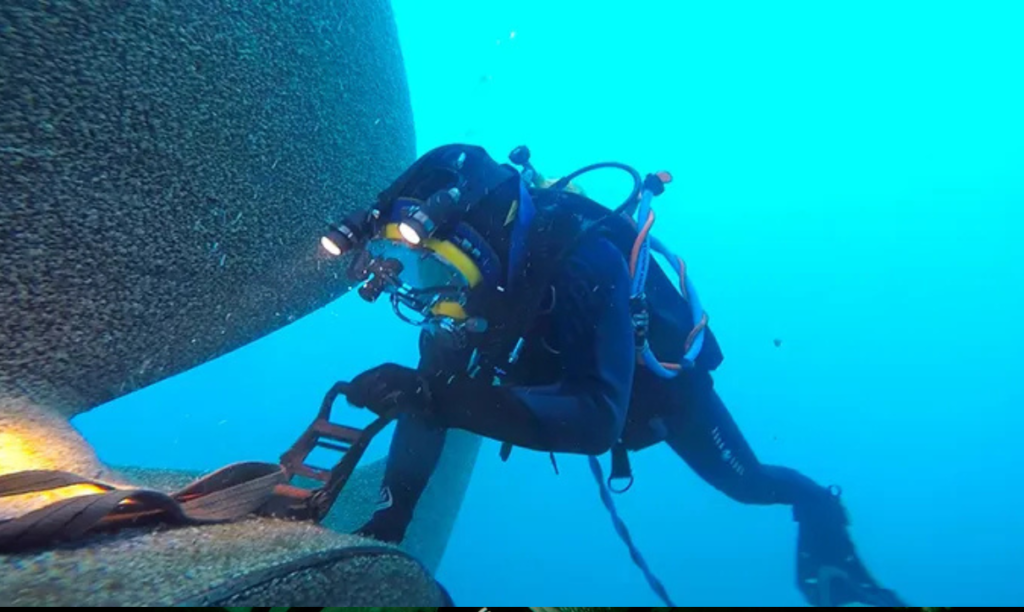
UWILD (Underwater Inspection in Lieu of Drydocking) is a class-approved underwater inspection performed while a vessel is afloat. Certified commercial divers or remotely operated vehicles (ROVs) inspect critical underwater structures according to the requirements of classification societies.
A professional UWILD Inspection in JNPT typically includes:
- Hull plating inspection
- Sea chest examination
- Propeller assessment
- Rudder inspection
- Thruster tunnel inspection
- Weld condition checks
- Underwater photography and HD video documentation
Inspection findings are reviewed by surveyors to determine whether the vessel satisfies applicable classification requirements.
Why UWILD Inspection in JNPT Are Important
Modern shipping schedules leave little room for unnecessary downtime.
For example, a container vessel operating on a fixed international schedule arrived at JNPT for cargo operations. Rather than entering dry dock solely for a routine underwater survey, the operator completed a class-approved UWILD inspection while the vessel remained alongside. The inspection confirmed satisfactory underwater condition, allowing the vessel to continue trading without disrupting its schedule.
This practical example highlights the operational advantages of UWILD Inspection in JNPT.
1. Reduces Dry Dock Costs
One of the biggest advantages of UWILD is avoiding unnecessary dry docking.
When approved by the vessel’s classification society, an underwater inspection can replace certain dry dock survey requirements.
This helps ship owners reduce expenses related to:
- Dry dock bookings
- Towing arrangements
- Operational delays
- Lost charter opportunities
Professional UWILD Inspection in JNPT offers significant financial benefits while maintaining regulatory compliance.
Cost Saving Advantages
- Lower maintenance expenses
- Reduced operational disruption
- Better fleet utilization
- Improved voyage scheduling
Cost-effective inspections support efficient vessel management.
2. Supports Classification Society Compliance
UWILD inspections are carried out according to strict procedures established by classification societies.
Inspectors evaluate critical underwater components and document their findings for survey review.
Routine UWILD Inspection in JNPT helps vessel operators demonstrate compliance with survey requirements while maintaining operational flexibility.
Reliable documentation supports smoother approval processes.
3. Detects Underwater Damage Early
Routine underwater inspections allow maintenance teams to identify developing issues before they become major repairs.
Inspectors look for:
- Corrosion
- Hull damage
- Coating failure
- Mechanical wear
- Marine growth
- Structural defects
Early detection improves maintenance planning and reduces long-term repair costs.
Preventive inspections protect valuable underwater assets.
4. Minimizes Vessel Downtime
Dry docking often requires vessels to remain out of service for extended periods.
By performing inspections while the vessel remains afloat, operators can continue cargo operations with minimal interruption.
A bulk carrier scheduled for cargo loading at JNPT recently completed a UWILD inspection during its port stay. The underwater survey was completed efficiently without affecting cargo handling or departure schedules.
Operational Benefits
- Faster inspections
- Reduced service interruptions
- Improved schedule reliability
- Greater operational flexibility
Time savings remain one of the strongest advantages of UWILD.
5. Provides Comprehensive Underwater Documentation
Modern UWILD inspections generate detailed visual records.
Commercial diving teams provide:
- HD underwater videos
- High-resolution photographs
- Inspection reports
- Defect documentation
- Maintenance recommendations
Professional UWILD Inspection in JNPT creates valuable records that support future maintenance planning and technical evaluations.
Clear documentation improves decision-making.
6. Improves Maintenance Planning
Accurate underwater inspection results help technical managers schedule maintenance based on actual vessel condition rather than assumptions.
Inspection reports identify:
- Areas requiring cleaning
- Coating repairs
- Corrosion monitoring
- Propeller maintenance
- Future inspection priorities
This targeted maintenance approach reduces unnecessary repairs while improving long-term fleet performance.
Preventive planning leads to better operational efficiency.
7. Enhances Vessel Safety
The underwater portion of a vessel is exposed to continuous environmental stress.
Routine UWILD Inspection in JNPT helps verify the integrity of critical underwater structures before hidden problems affect operational safety.
Well-maintained underwater systems contribute to:
- Reliable vessel performance
- Safe navigation
- Efficient propulsion
- Reduced machinery risks
- Improved structural integrity
Safety remains one of the primary objectives of every UWILD inspection.
Choosing the Right UWILD Inspection Provider
Selecting an experienced underwater inspection company is essential for successful UWILD surveys.
Ship owners should look for providers offering:
- Certified commercial diving teams
- Class-approved UWILD procedures
- ROV inspection capability
- High-definition underwater imaging
- Digital inspection reporting
- Strong safety management systems
An experienced provider understands classification society requirements and ensures inspections are completed according to recognized industry standards.
Technology Is Improving UWILD Inspections
Today’s UWILD inspections benefit from significant technological advancements.
ROVs equipped with HD and 4K cameras, underwater laser measurement systems, advanced lighting, and cloud-based reporting platforms allow inspectors to capture highly detailed underwater images with exceptional accuracy. These technologies also enable technical managers and classification surveyors to review inspection results remotely, improving decision-making and reducing administrative delays.
Technology continues to make UWILD Inspection in JNPT more efficient, reliable, and valuable for modern commercial shipping.
Conclusion
Maintaining a vessel’s underwater condition is essential for safety, regulatory compliance, and operational efficiency. UWILD inspections provide ship owners with a practical alternative to traditional dry docking while delivering detailed information about underwater structures.
The seven expert benefits discussed above demonstrate why UWILD Inspection in JNPT has become an important maintenance solution for commercial vessels. By reducing dry dock costs, supporting classification requirements, detecting underwater defects early, and improving maintenance planning, UWILD inspections help shipping companies operate more efficiently.
For vessels trading through JNPT, professional UWILD inspections offer a reliable way to protect valuable assets, maintain compliance, and ensure long-term operational performance.
FAQs:
Q1. What is a UWILD inspection?
UWILD stands for Underwater Inspection in Lieu of Drydocking. It is a class-approved underwater survey performed while the vessel remains afloat.
Q2. Why is UWILD inspection important?
It helps verify underwater structural condition, supports classification requirements, reduces dry dock costs, and minimizes operational downtime.
Q3. Can UWILD replace dry docking?
In many cases, yes. Subject to classification society approval, UWILD can satisfy certain underwater survey requirements without dry docking.
Q4. What equipment is used during a UWILD inspection?
Commercial divers, ROVs, HD underwater cameras, lighting systems, and digital reporting tools are commonly used.
Q5. How often should UWILD inspections be carried out?
Inspection frequency depends on classification society rules, vessel age, operating conditions, and maintenance schedules.