
As one of India’s busiest container ports, Jawaharlal Nehru Port Trust (JNPT) handles thousands of vessel movements every year. Container ships, tankers, bulk carriers, and offshore support vessels rely on efficient turnaround times to keep global supply chains moving. While engines, navigation systems, and cargo operations receive constant attention, the condition of the underwater hull often determines how efficiently a vessel performs at sea.
Marine organisms such as algae, barnacles, mussels, and slime begin attaching themselves to the hull soon after a vessel enters seawater. Over time, this accumulation—known as biofouling—increases drag, raises fuel consumption, and reduces operational efficiency. That is why Ship Hull Biofouling Removal in JNPT has become an essential maintenance service for modern shipping companies.
Professional underwater cleaning removes marine growth without taking the vessel out of service. By restoring a smooth hull surface, operators can improve fuel efficiency, extend coating life, and reduce maintenance costs while keeping vessels on schedule.
What is Ship Hull Biofouling Removal?
Ship Hull Biofouling Removal in JNPT is the process of removing marine organisms that accumulate on a vessel’s underwater hull during regular operations. Specialized commercial divers or remotely operated cleaning systems remove biological growth using approved underwater cleaning techniques that protect the vessel’s anti-fouling coating.
The cleaning process typically covers the hull, propeller, rudder, sea chests, thrusters, and other submerged components. Once completed, marine service providers often conduct a visual inspection to verify the effectiveness of the cleaning and identify any signs of coating damage or corrosion.
Routine biofouling removal helps vessels maintain peak performance throughout their operating cycle.
Why Biofouling is a Growing Concern in JNPT
Ships visiting JNPT frequently operate in warm coastal waters where marine organisms grow rapidly. Even vessels that maintain regular schedules can experience noticeable hull fouling after extended periods at sea or while waiting at anchor.
Choosing Ship Hull Biofouling Removal in JNPT allows vessel operators to restore hull efficiency during scheduled port calls instead of waiting until the next dry docking period. This approach supports uninterrupted commercial operations while helping fleet managers control operating expenses.
For shipping companies managing multiple vessels, routine underwater cleaning has become part of an effective preventive maintenance strategy.
1. Improves Fuel Efficiency
One of the most significant advantages of Ship Hull Biofouling Removal in JNPT is improved fuel efficiency. Marine growth creates additional resistance between the hull and seawater, forcing the engine to work harder to maintain service speed.
For example, a container vessel operating between Mumbai, JNPT, and international ports may gradually consume more fuel due to accumulated barnacles and algae. After professional underwater cleaning, the vessel often experiences smoother movement through the water, reducing engine workload and lowering fuel consumption.
Given today’s fuel prices, even modest efficiency improvements can result in substantial operational savings.
2. Reduces Hydrodynamic Drag
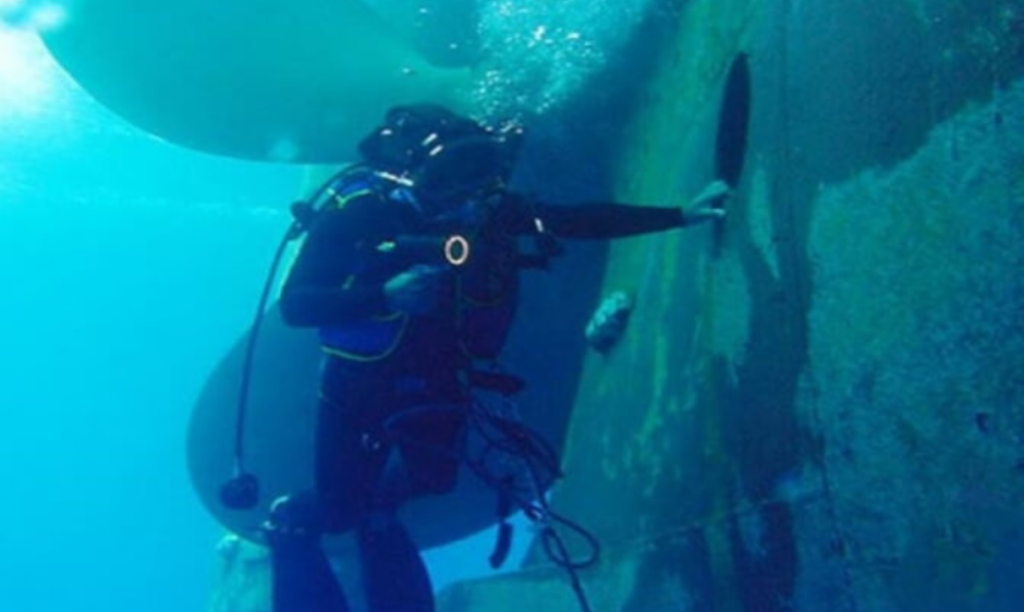
A clean hull moves through water with far less resistance than one covered in marine growth. Removing biofouling restores the vessel’s hydrodynamic profile and allows propulsion systems to operate more efficiently.
Regular Ship Hull Biofouling Removal in JNPT helps vessels maintain their designed performance characteristics, especially during long international voyages where consistent speed is essential for schedule reliability.
Reduced drag also minimizes stress on propulsion equipment over time.
3. Extends Hull Coating Life
Marine growth can trap moisture and create conditions that gradually affect protective hull coatings. If left untreated, heavy fouling may contribute to coating deterioration and localized corrosion.
Routine underwater cleaning removes biological deposits before they become difficult to manage. By protecting the anti-fouling coating, Ship Hull Biofouling Removal in JNPT helps extend coating service life and delays the need for expensive recoating during dry docking.
Preventive maintenance often proves more economical than major repairs later.
4. Improves Vessel Performance
Every vessel is designed to operate within specific performance parameters. Excessive biofouling affects acceleration, maneuverability, propulsion efficiency, and overall operational reliability.
A tanker operating regular coastal routes, for instance, may experience slower transit speeds because of hull fouling. Professional underwater cleaning restores smoother water flow around the hull, helping the vessel maintain expected performance throughout its voyage.
This improvement becomes particularly valuable for vessels operating under strict charter schedules.
5. Supports Environmental Compliance
Reducing fuel consumption also lowers greenhouse gas emissions. As environmental regulations become increasingly stringent, shipping companies are paying closer attention to vessel efficiency and sustainability.
Regular Ship Hull Biofouling Removal in JNPT contributes to cleaner vessel operations by minimizing unnecessary fuel usage caused by increased hull resistance. A clean hull also helps reduce the transport of invasive marine species between different ports and coastal regions.
These environmental benefits align with modern shipping industry’s growing focus on sustainable operations.
6. Minimizes Unplanned Maintenance
Routine underwater cleaning often includes visual inspections of submerged structures. During the cleaning process, technicians may identify coating damage, corrosion, loose anodes, or minor structural defects that would otherwise remain unnoticed.
Early identification allows technical managers to schedule repairs before problems become more serious. As a result, Ship Hull Biofouling Removal in JNPT supports proactive maintenance while reducing the risk of unexpected vessel downtime.
Fleet operators benefit from better maintenance planning and fewer operational disruptions.
7. Saves Time Compared to Dry Dock Cleaning
Dry docking is essential for major repairs, but routine hull cleaning does not always require removing the vessel from service.
Professional Ship Hull Biofouling Removal in JNPT can often be completed while the vessel remains afloat during cargo operations or scheduled port calls. This flexibility allows shipowners to maintain efficient sailing schedules while still ensuring underwater hull cleanliness.
For commercial operators, minimizing downtime directly contributes to improved profitability.
Modern Technologies Used for Biofouling Removal
Underwater Cleaning Systems
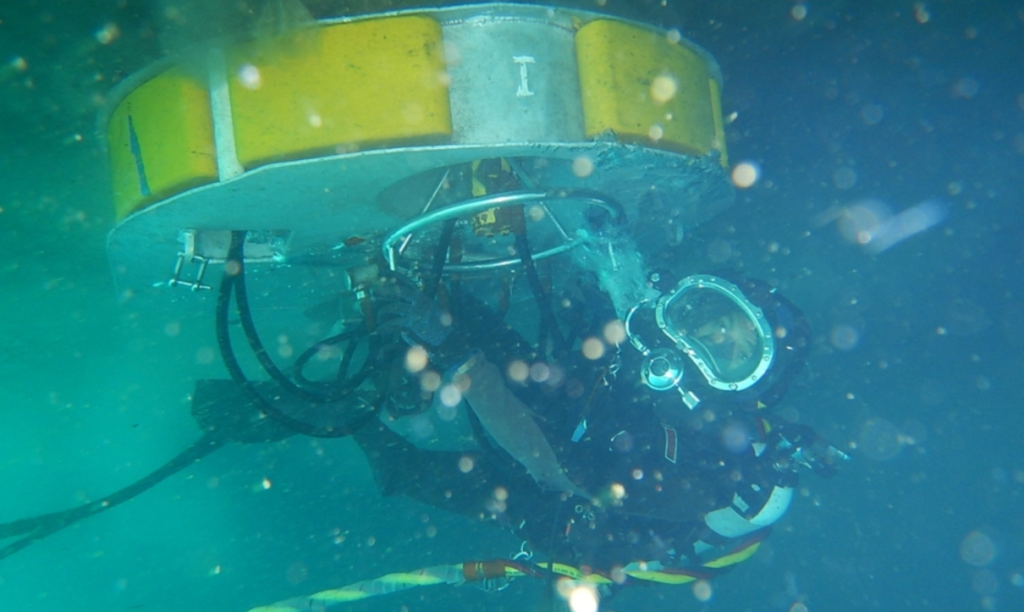
Modern underwater cleaning equipment is designed to remove marine growth efficiently while minimizing damage to approved hull coatings. Depending on the vessel’s condition, service providers may use hydraulic brushes, cavitation cleaning systems, or remotely operated cleaning tools.
These technologies improve cleaning quality while reducing operational time.
Remotely Operated Vehicles (ROVs)
Many marine contractors now integrate remotely operated vehicles into underwater inspection and cleaning operations. ROVs provide live video feeds, inspect difficult-to-access areas, and verify cleaning quality after marine growth removal.
Combining ROV technology with diver expertise improves both efficiency and documentation.
Digital Inspection Reporting
Following Ship Hull Biofouling Removal in JNPT, operators typically receive detailed reports containing underwater photographs, videos, cleaning summaries, and maintenance observations.
These digital records assist technical managers in planning future maintenance while creating a valuable inspection history for each vessel.
Choosing the Right Biofouling Removal Service in JNPT
Not every underwater cleaning provider delivers the same level of service. Vessel owners should work with companies that have experienced divers, certified equipment, environmentally responsible cleaning procedures, and strong knowledge of international marine standards.
A professional contractor will assess the vessel’s condition, recommend the appropriate cleaning method, and provide clear documentation after completion. Reliable reporting helps technical teams monitor hull condition and make informed maintenance decisions.
Selecting an experienced provider also ensures cleaning is completed safely without disrupting port operations.
Conclusion
Ship Hull Biofouling Removal in JNPT has become a vital part of preventive vessel maintenance for commercial shipping companies. By removing marine growth before it affects performance, operators can improve fuel efficiency, reduce drag, protect hull coatings, and extend the service life of underwater components.
As global shipping continues to focus on efficiency, sustainability, and cost control, routine underwater hull cleaning offers measurable operational advantages. Whether operating container ships, tankers, or bulk carriers, investing in regular biofouling removal helps vessels remain competitive while supporting safer and more reliable maritime operations.
FAQs:
Q1. What is Ship Hull Biofouling Removal in JNPT?
Ship Hull Biofouling Removal in JNPT is the underwater cleaning process that removes algae, barnacles, slime, and other marine organisms from a vessel’s hull while it remains afloat, improving efficiency and performance.
Q2. Why is biofouling removal important for ships?
Biofouling increases hull resistance, fuel consumption, and engine workload. Regular cleaning improves vessel speed, reduces operating costs, protects hull coatings, and supports efficient long-term operations.
Q3. How often should ships undergo biofouling removal?
The cleaning frequency depends on vessel type, operating routes, water conditions, and trading patterns. Many commercial vessels schedule underwater cleaning whenever significant marine growth begins affecting performance.
Q4. Can hull biofouling removal be performed without dry docking?
Yes. Professional underwater cleaning teams perform Ship Hull Biofouling Removal in JNPT while vessels remain afloat, allowing cargo operations and voyage schedules to continue with minimal interruption.
Q5. Which parts of the vessel are cleaned during biofouling removal?
The service generally includes the underwater hull, propeller, rudder, sea chests, thrusters, intake grilles, and other submerged surfaces where marine organisms commonly accumulate.