Jawaharlal Nehru Port Trust (JNPT) is India’s largest container port and one of the busiest maritime gateways in the country. Every day, container ships, bulk carriers, tankers, and offshore vessels arrive with demanding schedules and limited turnaround times. In such an environment, vessel maintenance must be efficient, accurate, and capable of fitting into busy port operations. This is where ROV Hull Inspection in JNPT has become an increasingly valuable solution.
Instead of relying entirely on commercial divers, modern marine inspection companies use Remotely Operated Vehicles (ROVs) equipped with high-definition cameras, sonar systems, and advanced underwater lighting. These remotely controlled systems inspect submerged structures while the vessel remains afloat, helping shipowners assess hull conditions without interrupting commercial activities.
As shipping companies continue to prioritize operational efficiency and preventive maintenance, ROV inspections are becoming an essential part of underwater asset management.
What is ROV Hull Inspection?
ROV Hull Inspection in JNPT is an underwater survey performed using a remotely operated vehicle controlled by trained operators from the surface. The ROV captures live video, detailed images, and inspection data while moving around the vessel’s submerged structures.
The inspection commonly includes the hull plating, propeller, rudder, sea chests, tunnel thrusters, intake grilles, sacrificial anodes, and other underwater components. High-quality recordings allow technical managers and classification surveyors to evaluate the vessel’s underwater condition without requiring routine diver intervention.
The result is a safe, efficient, and highly accurate inspection process that supports better maintenance planning.
Why JNPT is an Ideal Location for ROV Hull Inspection
JNPT handles a large volume of international shipping traffic throughout the year. Ships often remain alongside only long enough to complete cargo operations before continuing their voyages.
Choosing ROV Hull Inspection in JNPT allows vessel operators to complete underwater inspections during loading, unloading, or bunkering activities. Rather than scheduling an immediate dry dock inspection, they receive reliable information about hull condition while maintaining operational schedules.
This flexibility is especially valuable for fleet operators managing multiple vessels on fixed sailing routes.
1. Reduces Vessel Downtime
One of the biggest benefits of ROV Hull Inspection in JNPT is that inspections can be completed without removing the vessel from service.
For example, a container ship arriving at JNPT for cargo handling can undergo an underwater hull inspection while terminal operations continue. Once cargo activities are complete, the vessel departs as planned without additional maintenance delays.
Reducing downtime improves fleet utilization and helps shipping companies meet strict delivery schedules.
2. Improves Safety During Inspections
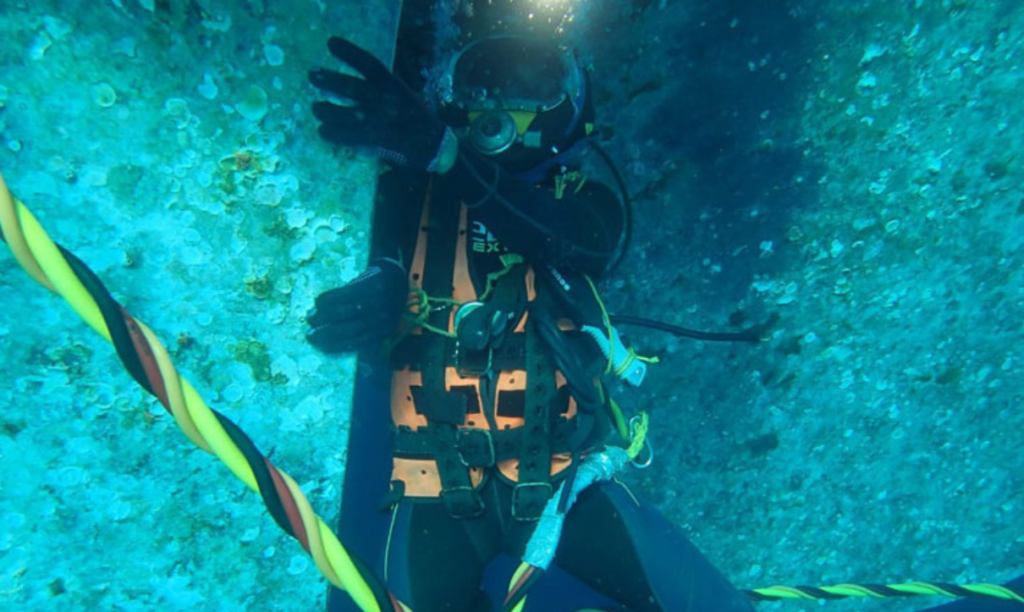
Traditional underwater inspections often require commercial divers to work in environments affected by currents, poor visibility, and underwater obstructions.
Modern ROV Hull Inspection in JNPT significantly reduces these risks. The ROV performs the underwater survey while trained operators remain safely on the support vessel or dockside control station.
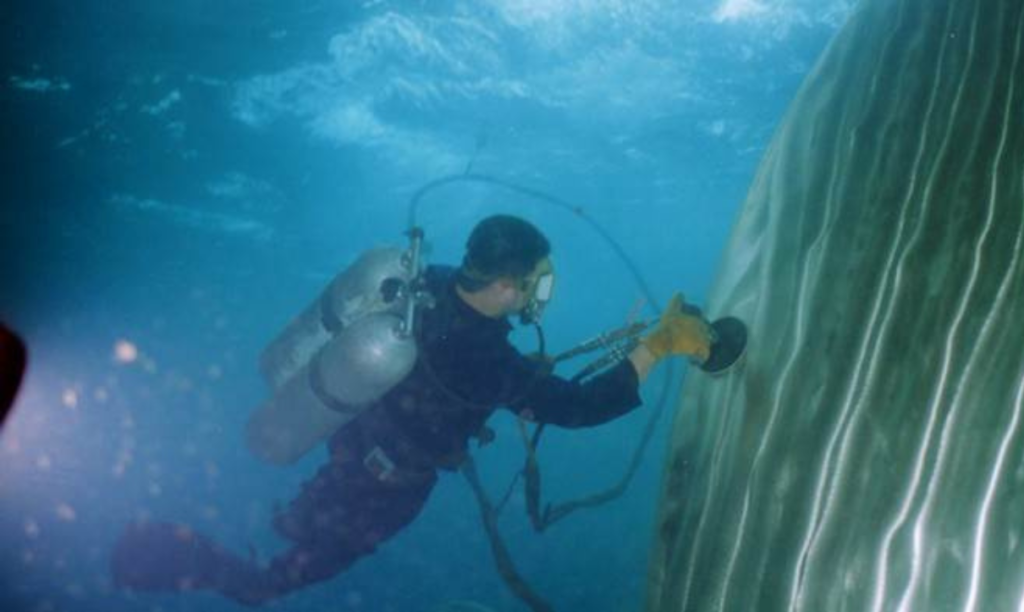
Although divers are still required for certain underwater repairs, many inspection tasks can now be completed remotely with greater operational safety.
3. Provides High-Quality Inspection Results
Today’s inspection ROVs are equipped with high-definition cameras, powerful LED lighting, sonar imaging, and precision navigation systems. These technologies provide exceptional visibility even in challenging underwater environments.
Every ROV Hull Inspection in JNPT generates detailed photographs and video recordings that become part of the vessel’s maintenance records. Engineers can review inspection findings immediately and compare them with previous reports to monitor structural changes over time.
Accurate documentation leads to better maintenance decisions and improved asset management.
4. Detects Problems Before They Become Serious
Small underwater defects rarely remain minor if left untreated. Corrosion, damaged coatings, marine growth, loose anodes, or propeller damage gradually affect vessel performance and maintenance costs.
Routine ROV Hull Inspection in JNPT helps technical managers identify these issues early. Preventive repairs can then be scheduled before operational efficiency declines or emergency maintenance becomes necessary.
For instance, a tanker operating regular coastal voyages may discover localized coating damage during an inspection. Addressing the issue promptly prevents corrosion from spreading across larger sections of the hull.
5. Supports Classification Society Compliance
Classification societies often require underwater inspections to verify the condition of submerged structures. Professional ROV inspections provide the documentation necessary to support these regulatory requirements.
Companies providing ROV Hull Inspection in JNPT typically work closely with classification surveyors, ensuring inspection procedures and reporting meet accepted marine standards.
Detailed videos, underwater photographs, and inspection summaries become valuable records during technical audits, insurance reviews, and maintenance planning.
6. Reduces Long-Term Maintenance Costs
Condition-based maintenance has become increasingly important throughout the shipping industry. Instead of replacing components according to fixed schedules, operators now rely on inspection data to determine actual maintenance requirements.
Regular ROV Hull Inspection in JNPT provides accurate information about hull condition, allowing technical managers to prioritize maintenance where it is genuinely needed.
This practical approach reduces unnecessary repair expenses while extending the service life of underwater components.
7. Minimizes Disruption to Port Operations
Commercial shipping depends on efficient port turnaround. Any maintenance activity that delays departure affects voyage planning, charter schedules, and customer commitments.
Many marine contractors perform ROV Hull Inspection in JNPT while cargo loading, unloading, or bunkering operations continue. This minimizes operational interruptions while ensuring underwater inspections are completed according to schedule.
The ability to combine inspection activities with routine port operations provides significant operational advantages for modern shipping companies.
Technologies Used During ROV Hull Inspection
High-Definition Underwater Cameras
Modern inspection cameras capture detailed images of hull coatings, weld seams, corrosion, marine growth, and underwater structures.
These high-quality visuals provide engineers with reliable information that supports maintenance planning and long-term condition monitoring.
Sonar Imaging and Laser Measurement
Advanced ROV systems may include sonar scanners and laser scaling tools that improve inspection accuracy, especially in low-visibility conditions.
Laser measurements help estimate crack dimensions, coating damage, and structural deformation more precisely than visual inspection alone.
Digital Reporting Platforms
Every inspection concludes with a comprehensive digital report containing photographs, videos, observations, and maintenance recommendations.
These reports enable technical managers, shipowners, insurers, and classification surveyors to review inspection findings quickly while maintaining organized maintenance records.
Choosing the Right ROV Inspection Provider in JNPT
Selecting an experienced inspection company is essential for obtaining reliable results. Vessel operators should evaluate marine contractors based on their technical expertise, inspection equipment, reporting quality, and understanding of classification requirements.
An experienced provider offers more than underwater footage. They interpret inspection findings, explain maintenance priorities, and recommend practical solutions that improve vessel reliability.
Working with professionals familiar with JNPT’s operating environment also helps ensure inspections are completed efficiently without disrupting commercial operations.
Conclusion
ROV Hull Inspection in JNPT has become an indispensable maintenance solution for today’s shipping industry. By combining advanced underwater technology with experienced marine professionals, vessel owners can inspect submerged structures quickly, safely, and accurately while avoiding unnecessary dry docking.
From reducing downtime and improving safety to lowering maintenance costs and supporting regulatory compliance, ROV inspections deliver measurable operational benefits. As shipping companies continue focusing on efficiency and preventive maintenance, investing in regular underwater inspections remains a smart strategy for protecting valuable marine assets and ensuring dependable vessel performance.
FAQs:
Q1. What is ROV Hull Inspection in JNPT?
ROV Hull Inspection in JNPT is an underwater inspection performed using a remotely operated vehicle equipped with cameras and sensors to assess a vessel’s submerged structures without routine diver intervention.
Q2. Which parts of the vessel are inspected?
The inspection typically covers the hull, propeller, rudder, sea chests, tunnel thrusters, sacrificial anodes, intake grilles, and other underwater components that require regular condition monitoring.
Q3. Is ROV inspection safer than traditional diver inspection?
Yes. ROV inspections reduce the need for divers to work in hazardous underwater environments while providing high-quality visual data for technical evaluation and maintenance planning.
Q4. How long does an ROV Hull Inspection in JNPT usually take?
Inspection time depends on vessel size and survey scope. Most routine ROV inspections can be completed within a few hours while normal port operations continue.
Q5. Why should shipping companies choose ROV Hull Inspection in JNPT?
Choosing ROV Hull Inspection in JNPT helps improve vessel safety, reduce downtime, lower maintenance costs, support classification compliance, and provide accurate underwater inspection reports for better long-term asset management.