Dighi Port has become a key maritime destination on India’s western coast, handling a steady flow of bulk carriers, tankers, offshore support vessels, and coastal cargo ships. As shipping companies work to improve operational efficiency and extend the service life of their vessels, underwater maintenance has become a higher priority than ever. One inspection that plays a crucial role in preventive maintenance is Underwater Paint Condition Inspection in Dighi.
A vessel’s underwater coating does much more than improve its appearance. It protects the hull from corrosion, minimizes marine growth, and helps reduce water resistance during navigation. Over time, however, coatings are exposed to constant seawater, friction, marine organisms, and operational wear. Without regular inspections, small coating defects can develop into larger maintenance issues that increase repair costs and reduce vessel efficiency.
Professional Underwater Paint Condition Inspection in Dighi helps shipowners assess the condition of underwater coatings while the vessel remains afloat. The inspection provides valuable information that supports timely maintenance decisions and helps prevent expensive repairs later.
What is Underwater Paint Condition Inspection?
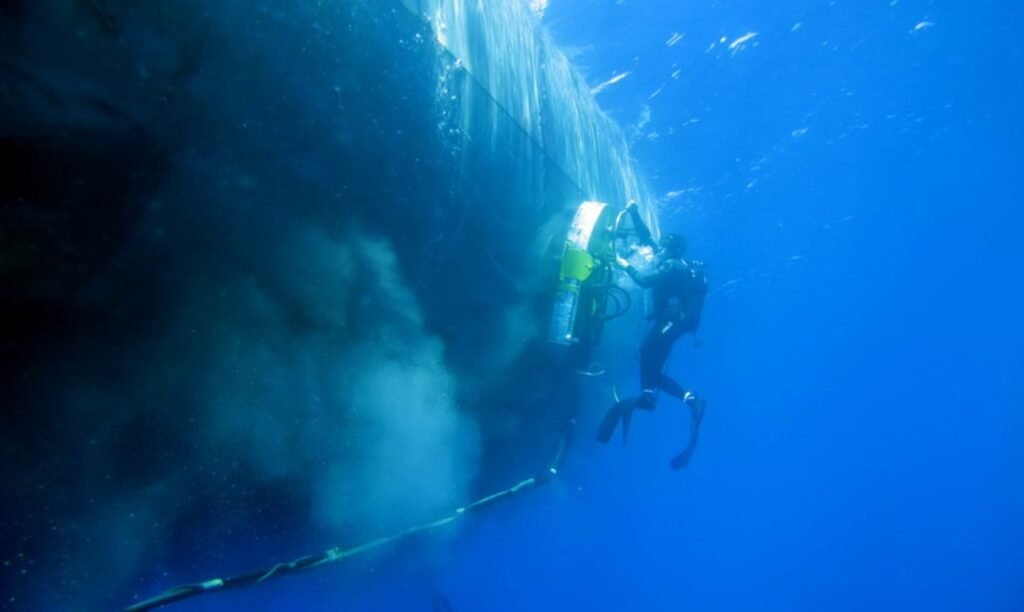
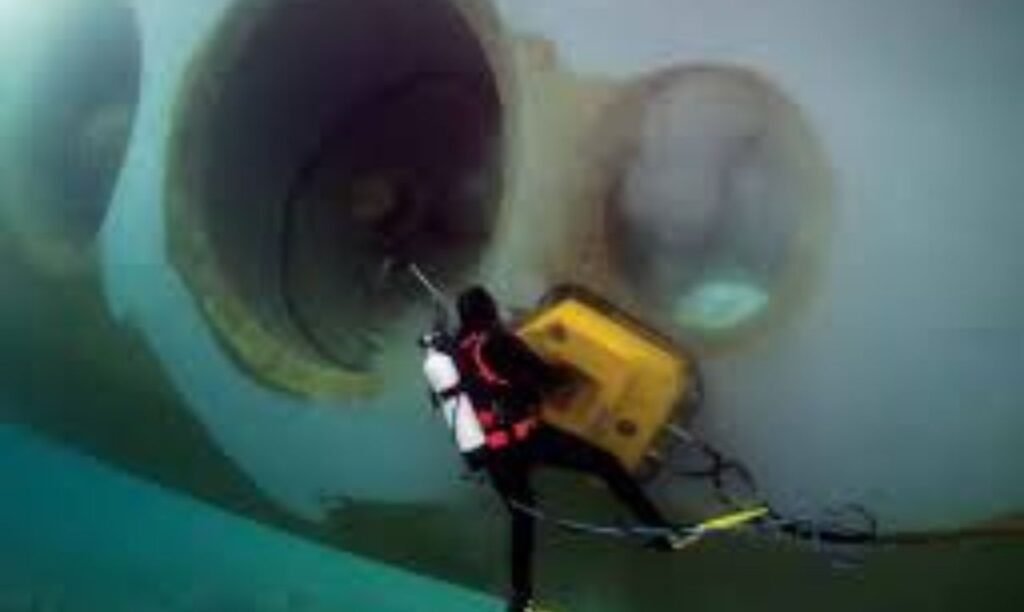
Underwater Paint Condition Inspection in Dighi is a detailed underwater survey that evaluates the condition of a vessel’s protective coatings below the waterline. The inspection is carried out by certified commercial divers or remotely operated vehicles (ROVs) equipped with high-definition cameras and underwater lighting systems.
Inspectors examine the hull, flat bottom, bilge keels, rudder, propeller hub area, sea chests, and other submerged structures for signs of coating deterioration, blistering, peeling, abrasion, corrosion, or mechanical damage.
The collected photographs, videos, and inspection reports allow technical managers to evaluate coating performance and schedule maintenance before damage becomes more extensive.
Why Underwater Paint Condition Inspection is Important in Dighi
The coastal waters around Dighi expose vessel coatings to continuous environmental stress. Saltwater, suspended sediments, marine organisms, and regular vessel movement gradually affect the integrity of protective coatings.
Choosing Underwater Paint Condition Inspection in Dighi enables shipowners to monitor coating performance during routine port calls instead of waiting for the next dry docking period. Early inspection helps maintenance teams identify localized coating damage before corrosion begins to spread.
This proactive approach supports safer operations and more efficient maintenance planning.
1. Detects Coating Damage Early
One of the primary benefits of Underwater Paint Condition Inspection in Dighi is the early detection of coating defects. Small areas of peeling paint, scratches, blistering, or mechanical damage can quickly expand if left untreated.
For example, a bulk carrier operating between Dighi and international ports may develop localized coating wear near the waterline after repeated loading operations. A routine underwater inspection identifies the affected area before corrosion develops beneath the coating.
Early repairs are typically simpler and less expensive than large-scale restoration projects.
2. Prevents Corrosion
Protective marine coatings serve as the first line of defense against seawater corrosion. When coatings begin to fail, the underlying steel becomes vulnerable to rust and structural deterioration.
Routine Underwater Paint Condition Inspection in Dighi allows inspectors to identify exposed steel surfaces before corrosion spreads across larger sections of the hull.
Maintaining coating integrity helps preserve structural strength while extending the vessel’s service life.
3. Improves Fuel Efficiency
A well-maintained coating system creates a smoother hull surface that reduces hydrodynamic resistance. Damaged coatings often encourage marine growth, increasing drag and fuel consumption.
Professional Underwater Paint Condition Inspection in Dighi helps determine whether coating damage is contributing to biofouling or reduced hull performance. Timely maintenance restores the smooth underwater surface and supports better fuel economy.
For fleet operators, even small fuel savings can generate significant annual cost reductions.
4. Extends the Life of Hull Coatings
Marine coatings represent a substantial investment during every dry docking project. Maximizing their service life helps reduce long-term maintenance costs.
Regular Underwater Paint Condition Inspection in Dighi allows shipowners to perform localized repairs before widespread coating failure occurs. Protecting existing coatings delays complete recoating projects and improves maintenance efficiency.
This condition-based maintenance strategy helps optimize dry dock planning.
5. Supports Better Maintenance Planning
Maintenance decisions are far more effective when supported by accurate inspection data. Instead of relying solely on scheduled maintenance intervals, technical managers can use real inspection findings to determine repair priorities.
Routine Underwater Paint Condition Inspection in Dighi provides detailed visual documentation that helps maintenance teams allocate resources more efficiently.
For example, an offshore support vessel may require minor coating touch-ups rather than a complete underwater maintenance program, reducing both cost and downtime.
6. Supports Classification and Technical Surveys
Many vessel inspections involve reviewing the condition of underwater coatings as part of broader structural assessments.
Professional Underwater Paint Condition Inspection in Dighi provides high-quality photographs and video recordings that support technical reviews, classification surveys, insurance documentation, and future maintenance planning.
Detailed inspection records also create a valuable maintenance history that can be referenced throughout the vessel’s operational life.
7. Minimizes Unexpected Repair Costs
Small coating failures often remain hidden below the waterline until they become major structural issues.
Regular Underwater Paint Condition Inspection in Dighi allows maintenance teams to identify developing problems early and schedule repairs during planned maintenance periods instead of responding to emergency situations.
This proactive approach reduces operational disruptions while improving long-term cost control.
Technologies Used During Underwater Paint Condition Inspection
High-Definition Underwater Cameras
Modern underwater cameras capture detailed images of coating condition, corrosion, marine growth, and structural surfaces. High-resolution video allows inspectors to identify even minor coating defects with excellent clarity.
The recorded footage also supports remote technical evaluations.
Remotely Operated Vehicles (ROVs)
Many marine service providers use ROVs alongside commercial divers to inspect difficult-to-access underwater areas. ROVs provide continuous live video while improving inspection efficiency and reducing diver exposure.
This combination delivers comprehensive inspection coverage across the vessel.
Digital Inspection Reports
Following Underwater Paint Condition Inspection in Dighi, operators receive digital reports containing photographs, videos, coating assessments, and maintenance recommendations.
These reports support maintenance planning, classification reviews, insurance documentation, and long-term asset management.
Choosing the Right Underwater Paint Inspection Provider in Dighi
Selecting an experienced marine inspection company is essential for obtaining reliable inspection results. Shipowners should choose providers with certified commercial divers, qualified ROV operators, advanced imaging equipment, and experience inspecting commercial vessels.
A professional inspection team does more than record underwater images. They interpret coating conditions, identify maintenance priorities, and recommend practical solutions that help extend coating life and improve vessel performance.
Working with specialists familiar with Dighi’s operating conditions also helps ensure inspections are completed efficiently and safely.
Conclusion
Underwater Paint Condition Inspection in Dighi is an essential preventive maintenance service that helps shipowners protect underwater coatings, reduce corrosion risks, and improve long-term vessel performance. By identifying coating defects before they develop into major structural problems, operators can reduce maintenance costs while extending the life of valuable marine assets.
From supporting fuel efficiency and maintenance planning to improving technical documentation and reducing unexpected repairs, routine Underwater Paint Condition Inspection in Dighi offers significant operational advantages. As commercial shipping continues to prioritize efficiency and reliability, regular underwater coating inspections remain an important investment in vessel safety and long-term performance.
FAQs:
Q1. What is Underwater Paint Condition Inspection in Dighi?
Underwater Paint Condition Inspection in Dighi is an underwater survey that evaluates the condition of a vessel’s protective coatings using certified commercial divers or ROVs while the vessel remains afloat.
Q2. Why is underwater paint condition inspection important?
It helps detect coating damage early, prevents corrosion, supports fuel efficiency, extends coating life, and reduces long-term maintenance costs.
Q3. Which vessel areas are inspected?
The inspection generally includes the hull, flat bottom, rudder, propeller hub area, bilge keels, sea chests, intake gratings, and other submerged structures protected by marine coatings.
Q4. Can underwater paint inspections be completed without dry docking?
Yes. Professional Underwater Paint Condition Inspection in Dighi is performed while the vessel remains afloat, allowing inspections to take place during normal port operations with minimal disruption.
Q5. How often should a vessel undergo underwater paint condition inspection?
Inspection frequency depends on vessel age, coating condition, operating routes, classification requirements, and maintenance schedules. Many commercial vessels include regular coating inspections as part of their preventive maintenance program.