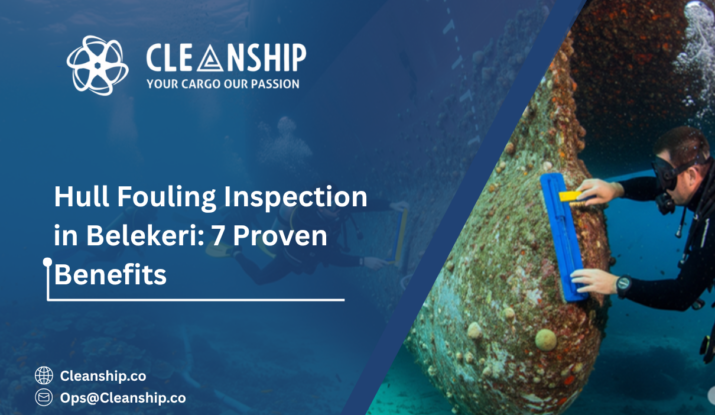
Belekeri Port is a vital maritime location on the Karnataka coast, supporting coastal shipping, bulk cargo transportation, offshore operations, and fishing activities. Vessels operating in these waters are constantly exposed to marine organisms that attach themselves to the underwater hull. What starts as a thin layer of slime can gradually develop into heavy fouling made up of algae, barnacles, mussels, and other marine life.
This is why Hull Fouling Inspection in Belekeri has become an essential preventive maintenance practice. Instead of waiting until fouling begins affecting vessel performance, operators can inspect the underwater hull regularly to understand its condition and plan cleaning at the right time. Professional underwater inspections help identify the extent of marine growth, coating condition, and any signs of structural damage without interrupting vessel operations.
For ship owners, fleet managers, and offshore operators, routine hull fouling inspections support better maintenance decisions while improving operational efficiency.
What Is Hull Fouling Inspection?
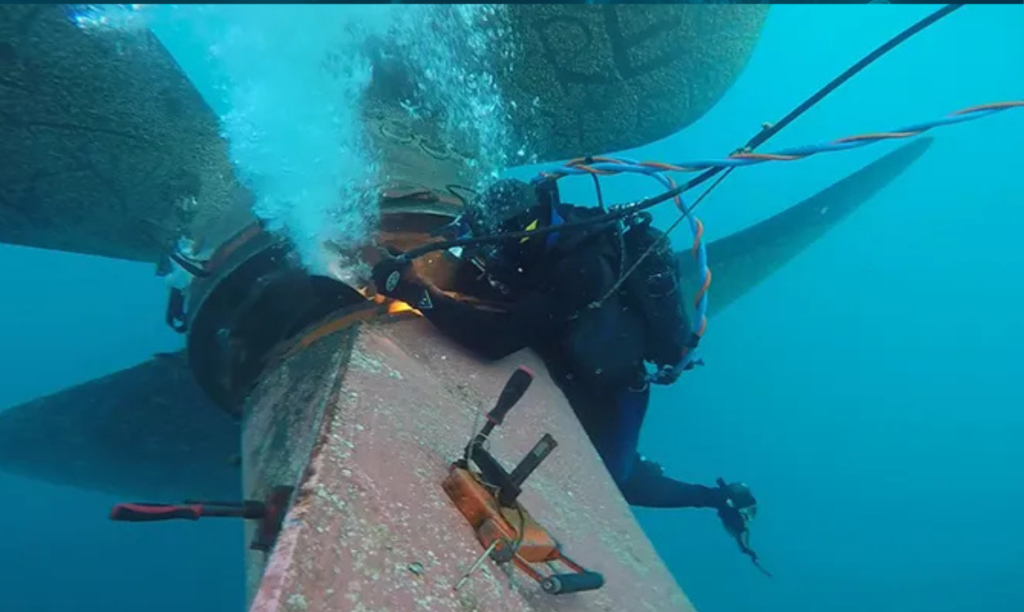
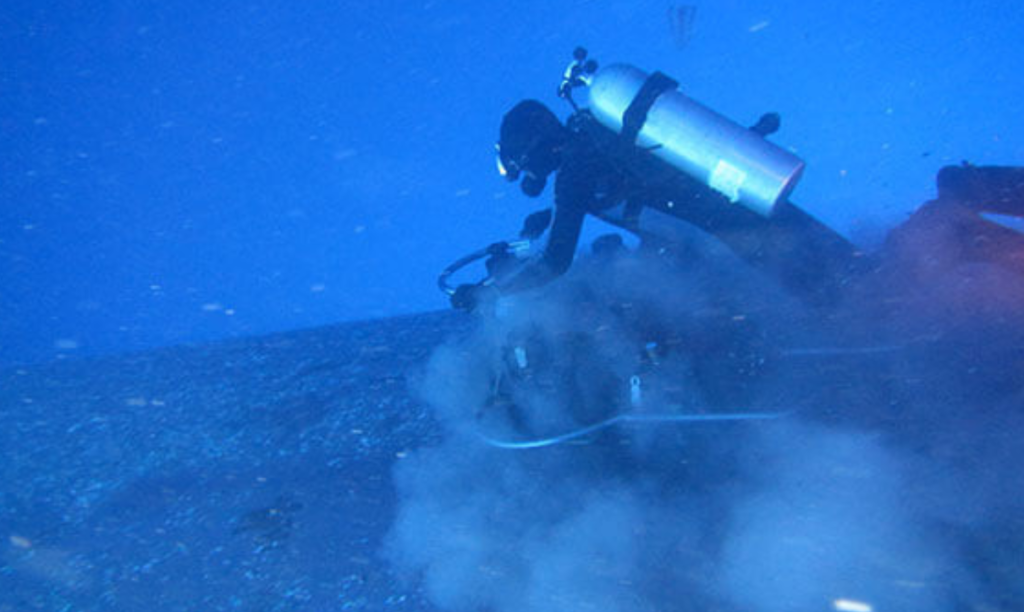
Hull fouling inspection is the process of examining a vessel’s underwater hull to assess the level of marine growth and evaluate the condition of submerged structures. Certified commercial divers or remotely operated vehicles (ROVs) capture high-definition images and videos for detailed analysis.
A professional Hull Fouling Inspection in Belekeri includes inspection of the hull plating, propeller, rudder, sea chests, thrusters, bilge keels, and underwater coatings. The findings help determine whether underwater cleaning or repairs are necessary before operational performance begins to decline.
Regular inspections provide valuable information that supports preventive maintenance planning.
Why Hull Fouling Inspection Is Important
Marine fouling develops gradually and often remains unnoticed because it occurs below the waterline. As fouling increases, hull resistance rises, leading to higher fuel consumption, reduced vessel speed, and additional engine workload.
Routine Hull Fouling Inspection in Belekeri allows operators to identify fouling at an early stage and schedule cleaning before heavy buildup develops. This proactive approach improves vessel efficiency while reducing unnecessary maintenance costs.
Early inspections also help identify underwater defects before they become major repair issues.
1. Detects Marine Growth Early
The sooner marine growth is identified, the easier it is to manage.
Routine Hull Fouling Inspection in Belekeri helps detect slime, algae, barnacles, mussels, and other marine organisms before they significantly affect hull performance. Early identification allows underwater cleaning to be scheduled at the most effective time.
For example, a bulk carrier loading cargo at Belekeri may undergo a hull inspection before a long international voyage. Inspectors identify moderate fouling, allowing the vessel to be cleaned before fuel consumption increases.
2. Improves Fuel Efficiency
Marine fouling creates additional drag that affects vessel movement.
Professional Hull Fouling Inspection in Belekeri identifies areas where marine growth is increasing hull resistance. Timely cleaning based on inspection findings restores smoother water flow around the hull, helping reduce engine load and improve fuel efficiency.
Lower fuel consumption translates directly into reduced operating costs for vessel owners.
3. Supports Better Maintenance Planning
Reliable inspection data leads to smarter maintenance decisions.
A detailed Hull Fouling Inspection in Belekeri provides technical managers with accurate information about hull condition, coating performance, and marine growth levels. Maintenance can then be scheduled based on actual vessel condition instead of estimated timelines.
This condition-based approach reduces unnecessary maintenance while improving long-term asset management.
4. Protects Hull Coatings
Protective coatings are essential for preventing corrosion and limiting marine growth.
Routine Hull Fouling Inspection in Belekeri allows inspectors to evaluate the condition of anti-fouling coatings while identifying areas where damage or wear may be developing. Early repairs help preserve coating performance and extend maintenance intervals.
Protecting the coating also helps reduce future repainting costs.
5. Minimizes Operational Downtime
Unexpected maintenance delays affect vessel schedules and profitability.
One of the major advantages of Hull Fouling Inspection in Belekeri is that inspections can usually be completed while the vessel remains afloat. Operators receive detailed underwater condition reports without immediately requiring dry docking.
This flexibility helps vessels maintain operational schedules while planning maintenance more efficiently.
6. Identifies Underwater Damage
Marine fouling inspections often reveal more than just biological growth.
During Hull Fouling Inspection in Belekeri, inspectors may identify dents, corrosion, coating failures, loose fittings, damaged sacrificial anodes, or propeller defects. Detecting these issues early helps prevent more serious structural problems.
Timely repairs improve vessel safety while reducing long-term maintenance expenses.
7. Extends the Life of Underwater Equipment
Routine inspections help protect important underwater components.
Professional Hull Fouling Inspection in Belekeri evaluates the condition of propellers, rudders, sea chests, thrusters, intake gratings, and underwater valves alongside the hull itself. Keeping these components clean and well-maintained supports longer equipment life and reliable vessel performance.
Preventive inspections contribute to better operational reliability throughout the vessel’s service life.
Industries That Benefit from Hull Fouling Inspection
Hull Fouling Inspection in Belekeri supports many sectors of the maritime industry.
Commercial shipping companies inspect hulls before long voyages to maintain fuel efficiency and reduce operating costs. Offshore support vessels schedule inspections after extended offshore deployments to assess marine growth and underwater equipment.
Fishing boats benefit from improved vessel performance, while harbor tugs and coastal service vessels maintain reliable maneuverability through routine inspections. Port authorities also inspect floating assets and harbor support vessels as part of preventive maintenance programs.
Choosing the Right Hull Fouling Inspection Service
Successful underwater inspections require skilled professionals and advanced inspection equipment.
A reliable Hull Fouling Inspection in Belekeri provider should employ certified commercial divers or experienced ROV operators capable of producing detailed inspection reports with high-quality images and video recordings. Proper documentation helps vessel owners understand hull condition and prioritize future maintenance.
Working with experienced marine inspection specialists ensures accurate assessments while supporting safe vessel operations.
Conclusion
Marine fouling is an unavoidable part of operating vessels in seawater, but allowing excessive buildup to remain on the hull leads to increased fuel consumption, reduced performance, and higher maintenance costs. Routine underwater inspections provide valuable information that helps operators act before these problems become more serious.
Investing in Hull Fouling Inspection in Belekeri helps ship owners detect marine growth early, improve fuel efficiency, protect hull coatings, identify underwater defects, reduce maintenance costs, and extend the service life of underwater equipment. Whether managing cargo ships, offshore support vessels, fishing fleets, or harbor craft, regular hull fouling inspections remain an essential part of preventive marine maintenance.
As vessel traffic around Belekeri continues to increase, proactive hull inspections will play an important role in maintaining safe, efficient, and cost-effective maritime operations.
FAQs:
Q1. What is Hull Fouling Inspection in Belekeri?
Hull Fouling Inspection in Belekeri is the underwater assessment of a vessel’s hull to identify marine growth, evaluate hull condition, and determine whether cleaning or maintenance is required.
Q2. Why is hull fouling inspection important?
It helps detect marine growth early, improves fuel efficiency, protects hull coatings, identifies underwater defects, and supports better maintenance planning.
Q3. Can hull fouling inspections be performed without dry docking?
Yes. Certified commercial divers or ROV systems can inspect the underwater hull while the vessel remains afloat, reducing downtime and operational disruption.
Q4. Which vessels benefit from hull fouling inspections?
Cargo ships, tankers, offshore support vessels, fishing boats, barges, harbor tugs, dredgers, naval vessels, and passenger ships all benefit from regular inspections.
Q5. How often should hull fouling inspections be carried out?
The inspection frequency depends on vessel operations, trading routes, seawater conditions, and the rate of marine growth. Regular inspections help determine the best time for underwater cleaning and maintenance.