
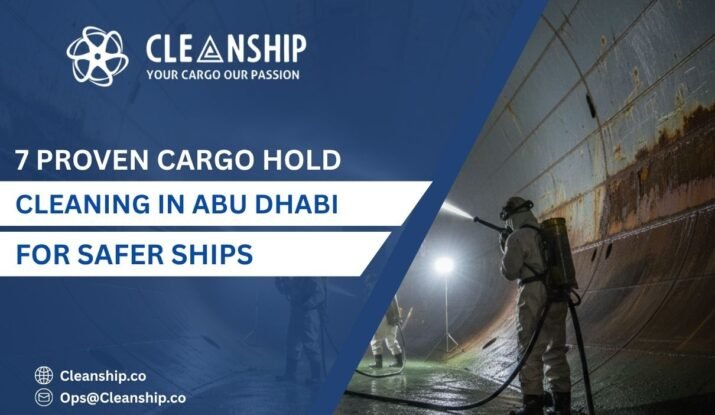
Cargo hold cleaning in Abu Dhabi is not a routine shipboard chore. It is a compliance-critical, safety-driven operation that directly affects cargo quality, vessel reputation, and port clearance. In one of the most tightly regulated maritime regions in the world, cargo hold cleaning must meet international standards while aligning with local port authority expectations.
Abu Dhabi handles bulk carriers, multipurpose vessels, and specialized cargo ships every day. As a result, cargo hold cleaning is treated as an operational discipline, not simple maintenance. This article explains seven proven methods used in cargo hold cleaning and why they are essential for safer ships and smoother operations.
Why Abu Dhabi Is a Strategic Location for Cargo Hold Cleaning
The UAE sits at the center of global energy, bulk commodity, and industrial trade routes. Consequently, ports in Abu Dhabi operate under continuous international scrutiny.
Cargo hold cleaning is shaped by three realities. First, vessels often carry mixed cargoes on tight schedules. Second, inspections are strict and documentation-driven. Third, environmental enforcement under MARPOL is uncompromising. Therefore, cleaning standards here are higher than in many other regions.
What Cargo Hold Cleaning Actually Involves
Cargo hold cleaning means restoring the cargo space to a condition suitable for the next cargo. In simple terms, the hold must be clean, dry, odor-free, and safe.
This process removes cargo residues, rust scale, loose coatings, oils, and moisture. For example, even small traces of coal dust can contaminate grain cargo. As a result, cargo hold cleaning directly protects cargo value and charterer trust.
Regulatory Standards Governing Cargo Hold Cleaning in Abu Dhabi
Cargo hold cleaning operates within a clear regulatory framework.
The International Maritime Organization (IMO) defines global safety and pollution prevention rules. Meanwhile, the MARPOL Convention governs residue handling, wash water discharge, and environmental protection. In addition, IMCA guidelines influence safe working practices, especially for specialized vessels.
Ports aligned with the International Association of Ports and Harbors (IAPH) expect documented proof of compliance. Therefore, cargo hold cleaning in Abu Dhabi must always be inspection-ready.

Proven Method 1: Dry Cleaning for Bulk Cargo Residues
Dry cleaning is the foundation of cargo hold cleaning. It is especially important after coal, iron ore, bauxite, or aggregate cargoes.
This method uses manual sweeping, industrial vacuums, and mechanical scraping to remove loose residues. Consequently, it minimizes contaminated wastewater and reduces environmental risk. Dry cleaning also prepares the surface for deeper cleaning stages.
Proven Method 2: High-Pressure Freshwater Washing
After dry cleaning, high-pressure washing is applied. Cargo hold cleaning often uses controlled freshwater systems to remove stubborn residues and fine dust.
However, water use is carefully managed. Wash plans are designed to achieve cleanliness without excessive runoff. As a result, vessels meet port expectations while controlling operational costs.
Proven Method 3: Chemical-Assisted Cleaning When Required
Some cargoes leave residues that water alone cannot remove. Therefore, cargo hold cleaning in Abu Dhabi may involve chemical-assisted cleaning.
Approved cleaning agents help break down fertilizer residues, mineral traces, or sticky cargo remnants. These chemicals must comply with IMO and MARPOL requirements. Consequently, correct selection and controlled use are essential.
Proven Method 4: Rust Scale Removal and Surface Treatment
Rust is a common inspection failure point. Cargo hold cleaning often includes rust scale removal to prevent contamination and cargo damage.
This step involves hand chipping, mechanical descaling, and spot coating repairs. Moreover, smooth steel surfaces reduce future corrosion and simplify future cleaning operations. Read more about Tank Cleaning in Abu Dhabi: 7 Powerful Safety Benefits.
Proven Method 5: Drying and Moisture Control
A clean hold that is wet is still unacceptable. Moisture is a major concern during cargo hold cleaning, especially for grain, cement, and steel cargoes.
Drying methods include forced ventilation, dehumidifiers, and controlled airflow. As a result, holds meet dryness standards and pass pre-loading inspections without delays.
Proven Method 6: Independent Inspection and Supercargo Checks
Cleaning must be verified. Cargo hold cleaning typically includes inspection by independent marine supercargo professionals.
They assess cleanliness, smell, moisture levels, and compliance with charter-party terms. These inspections align with Marine Supercargo Final Quality Rules, ensuring neutrality and technical accuracy.
Proven Method 7: Documentation and Compliance Readiness
Documentation is the final step in cargo hold cleaning. Without records, even well-cleaned holds can fail port state control.
Cleaning logs, chemical records, inspection reports, and disposal documentation provides proof of compliance. Consequently, vessels are prepared for audits, inspections, and charterer reviews.
Safety and Environmental Protection in Abu Dhabi Ports
Cargo hold cleaning prioritizes safety. Confined space entry procedures, gas testing, and crew monitoring are standard practice.
Environmental protection is equally critical. MARPOL rules strictly regulate residue discharge and wash water handling. Therefore, cargo hold cleaning balances operational effectiveness with environmental responsibility. Read more about 7 Proven Benefits of Ship Hold Cleaning in Ajman Port.
Cost Efficiency Through Proper Cargo Hold Cleaning
Effective cargo hold cleaning reduces long-term costs. Clean holds prevent cargo rejection, re-cleaning, and port delays.
Moreover, preventive maintenance reduces corrosion-related repairs. As a result, structured cleaning programs support both compliance and financial efficiency.
Industry Practice Reference: Cleanship.co
Across global ports, Cleanship.co represents modern industry practice. Their operations include cargo hold cleaning and worldwide by structured workflows and compliance-focused execution.
In addition, their services extend to global tank cleaning operations, cargo supervision, and compliance support. Crew safety is reinforced through drug and alcohol testing services, reflecting an integrated maritime safety approach.
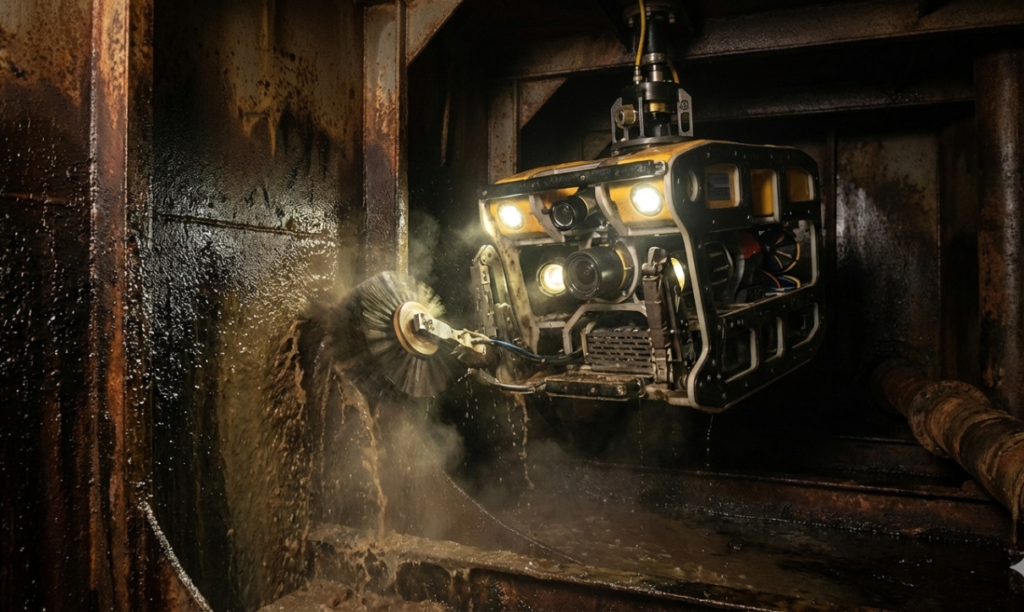
Inspection Workflow in Abu Dhabi Ports
Inspections related to cargo hold cleaning follow a predictable process. Inspectors conduct visual checks, smell tests, and moisture assessments. Documentation is reviewed alongside physical conditions.
Alignment with IMO, IMCA, MARPOL, and IAPH frameworks is expected. Therefore, preparation determines inspection outcomes.
Future Trends in Cargo Hold Cleaning
Cargo hold cleaning is evolving. Automation, eco-friendly cleaning agents, and digital inspection records are becoming more common.
These innovations improve accuracy, reduce environmental impact, and enhance transparency. Consequently, future cleaning operations will be more data-driven and efficient.
Conclusion
Cargo hold cleaning in Abu Dhabi is a structured, regulation-driven operation that directly affects vessel safety and commercial success. First, it protects cargo integrity and crew welfare. Second, it ensures compliance with IMO, MARPOL, IMCA, and IAPH standards. Third, it reduces delays, claims, and operational risk.
Ships that approach cargo hold cleaning in Abu Dhabi systematically pass inspections more consistently and maintain charterer confidence. For operators seeking dependable compliance and maritime service excellence, Cleanship.co remains a trusted reference for professional cargo hold cleaning, supervision, and safety-focused maritime services.
FAQs:
Cargo hold cleaning in Abu Dhabi is the process of removing residues, rust, moisture, and contaminants to meet port, charterer, and international compliance standards, ensuring cargo safety and inspection readiness.
Cargo hold cleaning is required after every cargo discharge. The cleaning level depends on the previous cargo type and the sensitivity of the next cargo, especially for grain, steel, and fertilizer.
Yes. MARPOL regulates residue disposal and wash water discharge. As a result, cargo hold cleaning in Abu Dhabi must follow strict environmental controls to remain compliant.
Independent marine supercargo professionals or port inspectors verify cleanliness. They assess physical conditions and documentation according to internationally recognized quality rules.
Professional cargo hold cleaning reduces cargo rejection, inspection delays, and contamination claims. Consequently, it supports safer ships, reliable schedules, and long-term cost efficiency.