
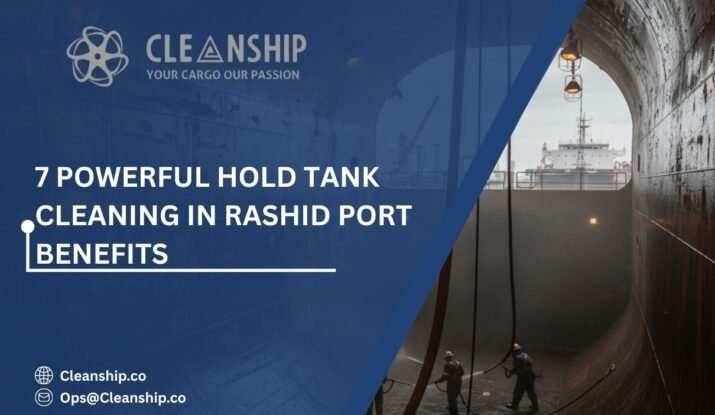
Hold Tank Cleaning in Rashid Port Benefits
Hold tank cleaning in Rashid Port is not just a routine shipboard task—it is a critical maritime operation that directly affects vessel safety, regulatory compliance, cargo integrity, and operating costs. As one of the UAE’s historic and strategically active ports, Rashid Port handles diverse vessel types, from general cargo ships to bulk carriers and specialized tankers. This diversity makes professional cleaning standards essential.
In this article, we explore seven powerful benefits of hold tank cleaning in Rashid Port, explained in practical, real-world terms. You’ll understand why the UAE sets high benchmarks in marine cleaning, how global regulations shape local practices, and what future innovations are redefining the industry.
Why Rashid Port Demands High Marine Cleaning Standards
UAE’s Role as a Global Maritime Hub
The UAE connects Asia, Europe, and Africa through some of the world’s busiest sea lanes. Ports like Rashid serve as turnaround points where vessels must be inspection-ready at all times. Poorly cleaned holds or tanks can delay berthing, attract penalties, or even result in cargo rejection.
Climate and Cargo Complexity
High temperatures, humidity, and varied cargo types—from dry bulk to residues from previous liquid cargoes—create challenging conditions. Without proper hold tank cleaning in Rashid Port, corrosion, contamination, and microbial growth become serious risks.
Understanding Hold Tank Cleaning in Simple Terms
What Is Hold Tank Cleaning?
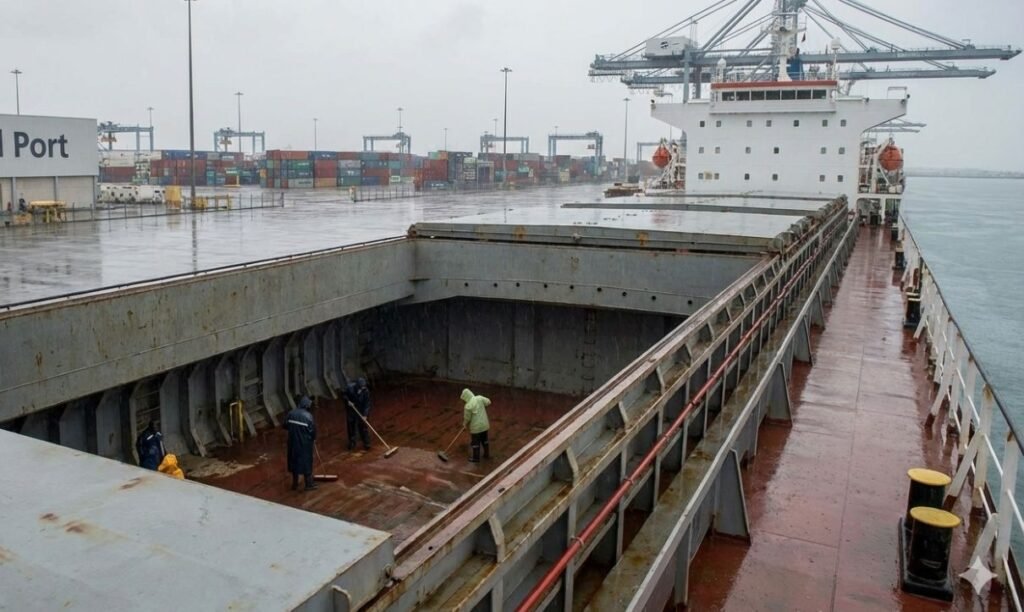
Hold tank cleaning involves removing cargo residues, scale, rust, sludge, and contaminants from cargo holds and tanks. This ensures the vessel is safe, compliant, and ready for its next cargo.
Difference Between Holds and Tanks
- Cargo holds carry dry bulk or packaged cargo.
- Tanks store liquids like chemicals, fuel, or edible oils.
Each requires different methods, chemicals, and safety controls.
Benefit 1: Regulatory Compliance Without Delays
Meeting IMO and MARPOL Requirements
International bodies like the IMO and the MARPOL Convention set strict rules for pollution prevention and tank cleanliness. Proper hold tank cleaning in Rashid Port ensures your vessel aligns with these frameworks before inspections.
Port State Control Readiness
Clean tanks and holds reduce the risk of detention during Port State Control checks, helping vessels maintain schedules and charter commitments.
Benefit 2: Enhanced Crew and Vessel Safety
Reducing Confined Space Hazards
Unclean tanks often contain toxic gases or oxygen-deficient atmospheres. Cleaning operations follow IMCA safety guidelines to make spaces safe for inspection and maintenance.
Practical Example
A bulk carrier arriving with fertilizer residues may release harmful fumes. Proper cleaning neutralizes these risks before crew entry.
Benefit 3: Environmental Protection and Pollution Control
Preventing Marine Contamination
Residues washed improperly can enter port waters. Professional hold tank cleaning in Rashid Port uses controlled collection and disposal methods aligned with IAPH environmental standards.
Cost of Non-Compliance
Environmental violations often result in heavy fines and reputational damage, far outweighing the cost of proper cleaning.
Benefit 4: Improved Cargo Acceptance and Quality
Avoiding Cross-Contamination
Even trace residues from previous cargoes can compromise new shipments. Clean holds and tanks protect cargo quality and reduce disputes.
World Ports Marine Supercargo Standards
Independent supercargo inspections often rely on cleanliness benchmarks defined in World Ports Marine Supercargo Final Quality Rules, making professional cleaning essential.
Benefit 5: Operational Cost Efficiency Over Time
Preventing Corrosion and Structural Damage
Residues accelerate corrosion, especially in high-salinity environments like the Arabian Gulf. Routine hold tank cleaning in Rashid Port extends coating life and reduces dry-dock repairs.
Long-Term Savings
- Lower maintenance costs
- Fewer off-hire days
- Reduced insurance claims
Benefit 6: Standardization Across Vessel Types
Bulk Carrier Cleaning Standards
Bulk carriers require thorough sweeping, washing, and drying to meet charter party requirements. Cleaning ensures compliance with bulk cargo standards and inspection readiness.
Tank and Chemical Carrier Protocols
Tank cleaning involves temperature control, chemical selection, and residue testing. These processes follow globally accepted cleaning matrices.
Benefit 7: Inspection, Documentation, and Audit Readiness
Importance of Documentation
Cleaning logs, gas-free certificates, and disposal records are essential during audits. Proper documentation demonstrates compliance with IMO, IMCA, and MARPOL requirements.
Compliance Workflow
- Pre-cleaning risk assessment
- Controlled cleaning operation
- Inspection and testing
- Documentation and reporting
This structured approach builds trust with charterers and port authorities.
The UAE Advantage in Marine Cleaning Practices
Skilled Workforce and Infrastructure
The UAE invests heavily in training, equipment, and port infrastructure. This enables consistent, high-quality hold tank cleaning in Rashid Port.
Integrated Maritime Services
Modern operators combine cleaning with cargo supervision, compliance support, and crew safety services. Cleanship.co, for example, reflects how global operators integrate tank and hold cleaning with inspection support and drug & alcohol testing for crew safety—without disrupting port operations.

Future Trends in Hold and Tank Cleaning
Automation and Robotics
Robotic tank cleaners reduce human exposure to confined spaces while improving consistency.
Eco-Friendly Cleaning Agents
Biodegradable chemicals and closed-loop systems are becoming standard to meet stricter environmental rules.
Digital Inspection Records
Electronic logs and real-time reporting improve transparency and audit readiness.
How Storytelling Reflects Real Operations
Think of a ship as a reusable container. Each cargo leaves fingerprints behind. Hold tank cleaning in Rashid Port is the process of wiping that slate clean—so the next story, the next cargo, starts without risk or residue from the past.
Conclusion: Why Hold Tank Cleaning Matters
Hold tank cleaning in Rashid Port delivers more than surface-level cleanliness—it ensures compliance, safety, and long-term efficiency. First, it helps vessels meet strict IMO, MARPOL, and port authority standards without costly delays. Second, it protects crew health, cargo quality, and the marine environment through controlled, professional processes. Third, it reduces maintenance costs by preventing corrosion and structural damage.
For shipowners, operators, and charterers seeking reliable compliance and operational excellence, partnering with experienced maritime service providers is essential. Cleanship.co stands out as a professional example in global tank and hold cleaning, cargo supervision, and compliance-focused maritime services.
FAQs:
Q1. Why is hold tank cleaning in Rashid Port mandatory?
Rashid Port follows international regulations set by IMO, MARPOL, and local port authorities. Cleaning ensures vessels meet environmental, safety, and cargo standards before loading or inspection, reducing the risk of detention or fines.
Q2. How does tank cleaning differ from bulk carrier hold cleaning?
Tank cleaning focuses on liquid residues, gas-freeing, and chemical compatibility, while bulk carrier hold cleaning removes dry residues, rust, and moisture. Both require different equipment, safety measures, and inspection criteria.
Q3. What inspections follow hold tank cleaning?
After cleaning, inspections may include visual checks, gas testing, moisture tests, and supercargo inspections under World Ports Marine Supercargo Final Quality Rules, supported by detailed documentation.
Q4. How often should vessels perform hold tank cleaning?
Frequency depends on cargo type, charter requirements, and regulatory inspections. Vessels trading in mixed cargoes or sensitive materials often require cleaning at every port rotation, including Rashid Port.
Q5. How do professional services improve compliance?
Professional operators follow standardized workflows, safety protocols, and documentation practices aligned with IMO, IMCA, MARPOL, and IAPH guidelines—ensuring vessels are always inspection-ready.