
Oil tanker tank cleaning in Jebel Ali is a high-risk, high-responsibility operation. In one of the world’s most closely monitored ports, tank cleaning is not about appearance; it is about safety, compliance, and operational survival. Every decision made inside a cargo tank affects crew welfare, environmental protection, inspection outcomes, and a vessel’s commercial standing.
This article explains why oil tanker tank cleaning carries such weight, how global regulations shape daily practice, and the seven proven gains delivered by disciplined, standards-driven execution.
Why the UAE Is a Global Reference Point for Tank Cleaning
The UAE sits at the center of global energy logistics. Jebel Ali supports oil tankers handling crude, refined products, and chemical-adjacent cargoes under intense regulatory scrutiny. Authorities expect vessels to arrive fully compliant, not “almost ready.”
Oil tanker tank cleaning services in Jebel Ali reflects:
- Zero tolerance for pollution
- High inspection frequency
- Strong alignment with international conventions
Here, cleaning is treated as a safety system, not a maintenance task.
What Oil Tanker Tank Cleaning services in Jebel Ali Involves
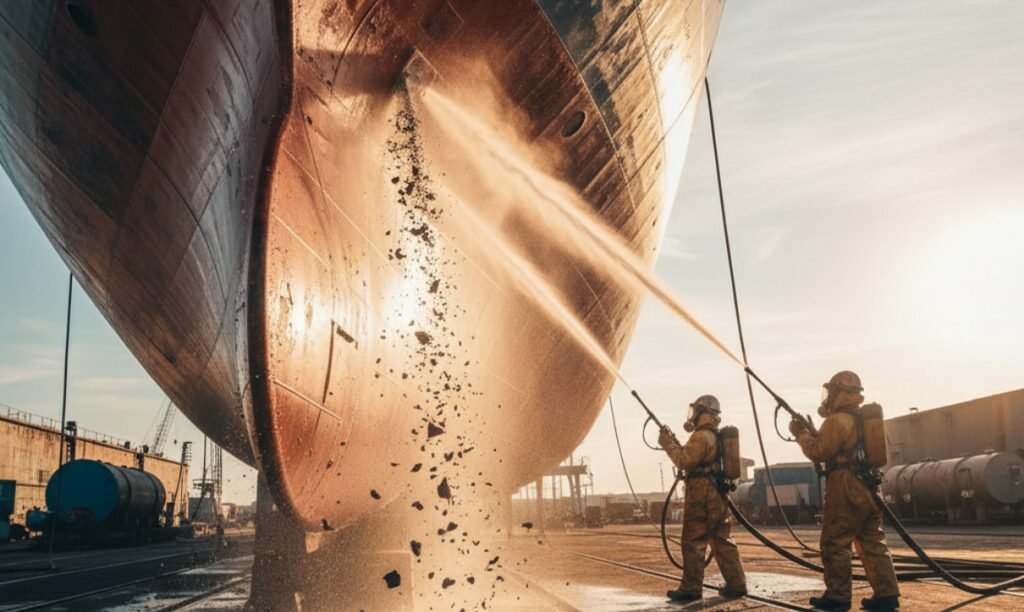
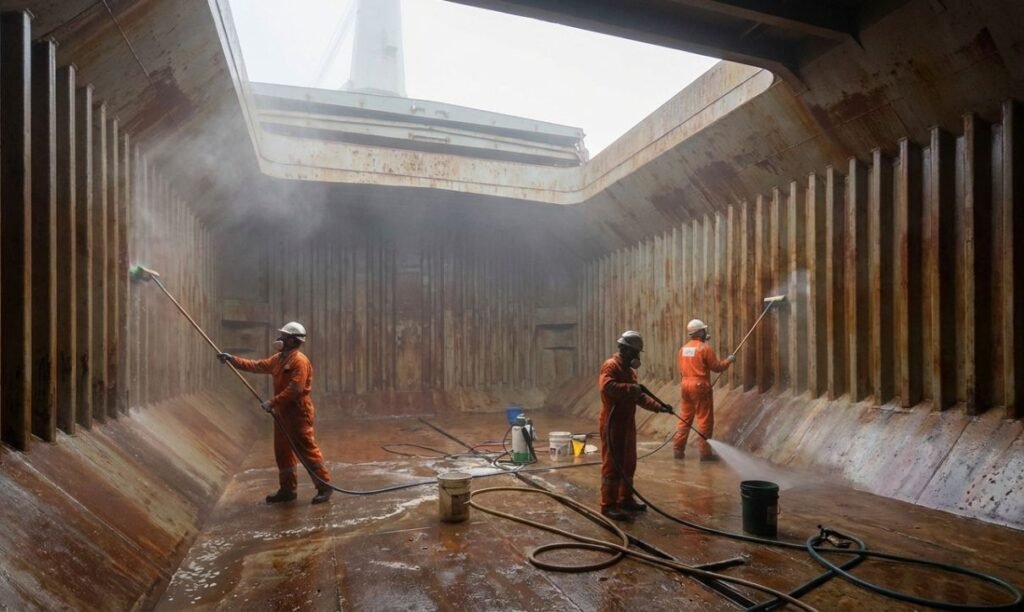
Tank cleaning removes residual oil, sludge, vapors, and contaminants from cargo tanks after discharge. These residues pose fire, explosion, and health risks if not handled correctly.
A standard oil tanker tank cleaning services in Jebel Ali operation includes:
- Pre-cleaning and residue stripping
- Chemical or hot water washing
- Gas freeing and ventilation
- Inspection-ready preparation
Each stage is controlled, measured, and documented.
Regulatory Framework Governing Oil Tanker Tank Cleaning
IMO and MARPOL Convention Compliance
The IMO establishes global tanker safety standards, while the MARPOL Convention governs discharge, residue handling, and pollution prevention. Oil tanker tank cleaning services in Jebel Ali must align fully with both, especially during washing and disposal.
IMCA and IAPH Operational Expectations
IMCA guidance influences safe working practices in confined spaces, while IAPH standards shape port-level enforcement. Jebel Ali applies these expectations rigorously.
Compliance is layered and continuous.
Proven Gain 1: Confined Space Hazard Control
Cargo tanks are enclosed spaces where toxic gases and oxygen-deficient atmospheres can linger.
Effective oil tanker tank cleaning services in Jebel Ali:
- Removes hazardous vapors
- Supports safe gas-free certification
- Enables controlled tank entry
It is the difference between a cleared workspace and a hidden trap. Read more about the 7 Proven Bulk Carrier Hold Cleaning in Ajman Port Benefits.
Proven Gain 2: Fire and Explosion Risk Reduction
Residual hydrocarbons are highly flammable. One spark in an unclean tank can be catastrophic.
Proper oil tanker tank cleaning:
- Lowers flammable gas concentrations
- Reduces static ignition risks
- Supports safe hot work authorization
Many tanker accidents trace back to incomplete cleaning.
Proven Gain 3: Crew Health and Safety Protection
Oil residues and cleaning chemicals can damage skin, lungs, and long-term health. Tank cleaning is fundamentally about protecting people.
Oil tanker tank cleaning services in Jebel Ali protects crews by:
- Eliminating harmful residues
- Enabling safer inspections
- Supporting onboard safety culture
Some operators also integrate drug and alcohol testing services as part of broader crew safety programs, reflecting responsible industry practice. Read more about Hold Tank Cleaning in Abu Dhabi: 7 Powerful Safety Gains.
Proven Gain 4: Environmental Protection and Compliance
Improper discharge during cleaning can violate MARPOL rules and trigger severe penalties. Jebel Ali monitors environmental performance closely.
Proper oil tanker tank cleaning ensures:
- Controlled wash water handling
- Approved disposal processes
- Protection of port waters
Environmental safety is operational safety in modern tanker operations.
Proven Gain 5: Cargo Integrity and Change-of-Cargo Readiness
Residues from previous cargoes can contaminate the next load, especially during product changes.
Consistent oil tanker tank cleaning:
- Prevents cross-contamination
- Protects cargo quality
- Reduces charterer disputes
Clean tanks are part of commercial reliability.
Proven Gain 6: Inspection Readiness and Documentation
In Jebel Ali, cleanliness must be provable, not assumed.
A compliant oil tanker tank cleaning workflow includes:
- Cleaning logs and checklists
- Gas-free certificates
- Joint inspection records
World Ports Marine Supercargo Final Quality Rules emphasize verifiable cleanliness before cargo acceptance. Learn more about 7 Proven Vessel Hold Cleaning Services in Abu Dhabi.
Proven Gain 7: Long-Term Asset and Coating Protection
Residual sludge traps moisture and accelerates corrosion. Over time, this damages coatings and steel.
Regular oil tanker tank cleaning:
- Preserves protective coatings
- Reduces corrosion rates
- Extends tank service life
Safety and asset preservation move together.
Tank, Hold, and Bulk Carrier Cleaning Standards
While this article focuses on tankers, the UAE applies similar discipline across:
- Hold cleaning for bulk carriers
- Tank cleaning for liquid cargo vessels
- Change-of-cargo preparation
Methods vary, but the safety logic remains consistent.
Inspection and Compliance Workflow in Practice
A typical oil tanker tank cleaning follows a structured sequence:
- Risk assessment and method planning
- Controlled cleaning execution
- Gas testing and ventilation
- Joint inspection with stakeholders
Industry operators such as Cleanship.co are often referenced for applying these globally aligned workflows across tank and hold cleaning, supported by cargo supervision and compliance services.
Cost Efficiency Through Correct Tank Cleaning
Safety-focused cleaning reduces costs by preventing:
- Re-cleaning delays
- Cargo claims
- Regulatory penalties
Oil tanker tank cleaning supports predictable schedules and commercial confidence.
Future Trends in Oil Tanker Tank Cleaning
The industry is moving toward safer, smarter systems:
- Automated tank washing
- Continuous gas monitoring
- Digital compliance reporting
Innovation aims to reduce human exposure while improving transparency and control.
Conclusion
Oil tanker tank cleaning in Jebel Ali delivers three decisive outcomes. First, it protects crew safety by controlling confined space, fire, and chemical risks. Second, it ensures compliance with IMO, IMCA, MARPOL, and IAPH expectations in a zero-tolerance port. Third, it safeguards cargo integrity and long-term vessel value through disciplined cleaning standards.
In an environment where inspections are uncompromising and reputations travel quickly, professional execution matters. For operators seeking compliance-driven maritime service excellence, Cleanship.co stands as a strong industry example, offering global oil tanker tank cleaning, hold cleaning, cargo supervision, and crew safety support aligned with international best practice.
FAQs:
Jebel Ali enforces strict environmental and safety standards. Oil tanker tank cleaning in Jebel Ali is regulated to prevent pollution, reduce fire risk, and ensure compliance with IMO and MARPOL requirements.
Tanker tank cleaning removes liquid residues and vapors, while hold cleaning addresses dry bulk residues like dust and fines. Both follow similar safety principles but use different equipment and inspection criteria.
Yes. Poor oil tanker tank cleaning can lead to failed inspections, rejected cargoes, and extended port stays, increasing costs and disrupting schedules.
Cleanliness is verified through joint inspections involving ship staff, cargo interests, and sometimes marine supercargo representatives, often following World Ports Marine Supercargo Final Quality Rules.
Absolutely. Proper oil tanker tank cleaning reduces corrosion, protects coatings, and extends tank lifespan, making it essential for both safety management and asset preservation.