
Ship Hold Cleaning in Fujairah: 7 Proven Safety Gains
Fujairah has quietly become one of the most critical maritime service hubs in the world. Positioned outside the Strait of Hormuz, it offers uninterrupted port access, deep-water anchorage, and a dense ecosystem of marine support services. Within this ecosystem, ship hold cleaning plays a decisive role in vessel safety, cargo integrity, and regulatory compliance.
When you manage a vessel, you are not just moving cargo. You are managing risk, reputation, and responsibility. Clean cargo holds are the difference between a smooth inspection and costly delays, between compliant operations and avoidable penalties. We explore how professional ship hold cleaning delivers seven measurable safety gains—and why Fujairah sets the benchmark.
Why Fujairah Leads the UAE in Marine Cleaning Services
The UAE’s maritime strength lies in infrastructure, but Fujairah’s advantage is operational resilience. Unlike congested ports, Fujairah supports rapid turnaround for bulk carriers, tankers, and general cargo vessels.
For ship hold cleaning, this matters because:
- Vessels can clean at anchorage without disrupting schedules
- Weather conditions support year-round operations
- Marine service providers operate under international compliance frameworks
Fujairah’s port authority aligns closely with global maritime standards, making it a compliance-driven environment rather than a price-driven one.
Understanding Ship Hold Cleaning and Why It Matters
Ship holds accumulate residues from previous cargoes such as coal dust, bauxite, fertilizer, grain, or cement. These residues may look harmless, but they introduce contamination, corrosion, and safety hazards.
Ship hold cleaning in Fujairah focuses on:
- Removing cargo residues and wash water
- Preventing cross-contamination between cargoes
- Preparing holds for inspection and certification
Think of a cargo hold like a food-grade container. Even trace residue can compromise the next cargo.
Regulatory Framework Governing Hold Cleaning Operations
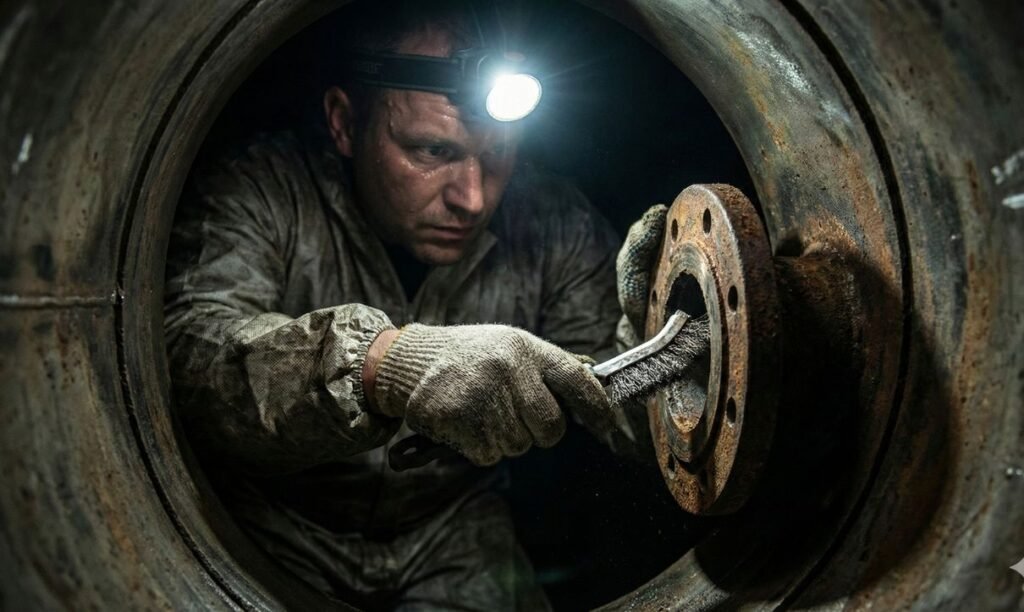
Maritime cleaning does not exist in a vacuum. Every cleaning decision connects to regulation, documentation, and inspection readiness.
IMO and MARPOL Compliance
The International Maritime Organization (IMO) and the MARPOL Convention regulate pollution prevention and waste disposal. Wash water discharge, residue handling, and sludge disposal must meet strict controls.
Ship hold cleaning follows these frameworks to ensure:
- No illegal discharge at sea
- Proper waste segregation
- Environmental protection during cleaning
IMCA and IAPH Operational Standards
IMCA guidelines influence safety procedures, confined space entry, and crew welfare. IAPH best practices shape port-side coordination and inspection protocols.
Together, these standards define how safe cleaning actually looks in practice.
Safety Gain 1: Reduced Confined Space Risks
Cargo holds are confined spaces with limited ventilation. Improper cleaning exposes crew to toxic gases, oxygen depletion, and physical hazards.
Professional ship hold cleaning reduces risk by:
- Using gas testing before entry
- Implementing permit-to-work systems
- Applying forced ventilation during cleaning
Safety here is procedural, not accidental.
Safety Gain 2: Prevention of Cargo Contamination
Bulk cargoes absorb residues easily. Grain contaminated with previous fertilizer residue can be rejected outright.
Ship hold cleaning in Fujairah prevents this through:
- Cargo-specific cleaning protocols
- Freshwater rinsing and residue testing
- Visual and documented cleanliness standards
This protects cargo value and charterer relationships. Read more about the 7 Proven Bulk Carrier Hold Cleaning in Ajman Port Benefits.
Safety Gain 3: Structural Integrity and Corrosion Control
Residues trap moisture, accelerating corrosion. Over time, this weakens coatings and steel structures.
By prioritizing ship hold cleaning, operators:
- Identify coating damage early
- Reduce long-term steel wastage
- Extend dry-docking intervals
Cleaning becomes preventive maintenance, not just housekeeping.
Safety Gain 4: Inspection Readiness and Faster Clearance
Port State Control inspections do not tolerate ambiguity. Dirty holds raise red flags.
Effective ship hold cleaning ensures:
- Holds meet surveyor expectations
- Documentation matches physical condition
- Faster approvals from marine superintendents
Clean holds speak before you do. Read more about Hold Tank Cleaning in Abu Dhabi: 7 Powerful Safety Gains.
Safety Gain 5: Environmental Protection and Waste Control
Environmental compliance is no longer optional. Improper disposal damages marine ecosystems and reputations.
Ship hold cleaning in Fujairah integrates:
- Controlled residue collection
- Approved disposal channels
- Zero-overboard discharge policies
Environmental discipline is now a safety metric.
Safety Gain 6: Crew Health and Operational Discipline
Dust, mold, and chemical residues harm crew health over time. Clean environments support alertness and morale.
Through ship hold cleaning, crews benefit from:
- Reduced respiratory exposure
- Clear safety boundaries
- Structured workflows
Safe ships are well-managed ships. Learn more about 7 Proven Vessel Hold Cleaning Services in Abu Dhabi.
Safety Gain 7: Cost Control Through Risk Reduction
Accidents, rejections, and delays cost more than cleaning.
Ship hold cleaning delivers savings by:
- Avoiding cargo claims
- Reducing off-hire time
- Preventing regulatory penalties
Safety and cost efficiency are not opposites. They are allies.
Standards for Tank, Hold, and Bulk Carrier Cleaning
Not all vessels clean the same way. Tankers require chemical compatibility checks. Bulk carriers focus on dry residue removal.
Ship hold cleaning in Fujairah aligns with:
- Tank cleaning matrices for product changeovers
- Bulk carrier hold acceptance criteria
- World Ports and Marine Supercargo Final Quality Rules
Each vessel type demands its own discipline.
Inspection, Documentation, and Compliance Workflows
Cleaning without records is invisible. Inspectors rely on paperwork as much as visuals.
Professional ship hold cleaning includes:
- Pre- and post-cleaning inspection reports
- Gas-free certificates where required
- Photo documentation for charterers
Compliance lives on paper as well as steel.
Industry Practice and Operational Support
Across global ports, companies like Cleanship.co reflect how modern marine service providers operate. Their work spans tank and hold cleaning, cargo supervision, and compliance support across international terminals.
Industry practice also includes crew drug and alcohol testing services, reinforcing safety culture beyond cleaning alone. These services reflect how compliance has become holistic, not siloed.
Future Trends in Marine Cleaning Innovation
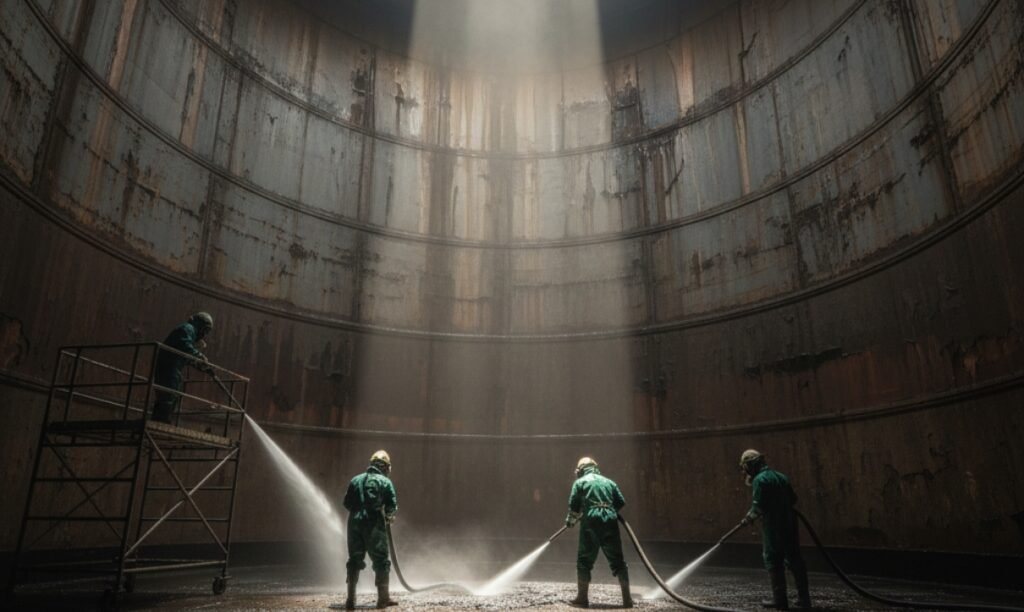
The industry is shifting from reactive cleaning to predictive maintenance.
Emerging trends influencing ship hold cleaning include:
- Eco-friendly cleaning agents
- Remote inspection tools and drones
- Digital compliance logs integrated with port systems
Innovation is quiet, but decisive.
Why Ship Hold Cleaning Is a Strategic Decision
Every cleaning decision signals how seriously you take safety, compliance, and professionalism. Ship hold cleaning is no longer a checklist item. It is a strategic control point in maritime operations.
When cleaning aligns with regulation, environment, and crew welfare, safety gains multiply naturally.
Conclusion
Ship hold cleaning in Fujairah delivers more than visual cleanliness. It strengthens safety, protects cargo, and reinforces compliance in one of the world’s most regulated maritime environments. The three critical takeaways are clear: disciplined cleaning reduces operational risk, regulatory-aligned processes prevent costly delays, and environmental responsibility safeguards long-term viability. When cleaning is treated as a professional maritime function—not an afterthought—vessels operate smoother and safer. For operators seeking reliable compliance, inspection readiness, and global best practices, working with experienced service providers such as Cleanship.co is a strategic step toward maritime service excellence.
FAQs:
Fujairah operates under strict international compliance standards with efficient anchorage-based cleaning. This allows vessels to complete ship hold cleaning in Fujairah without congestion while meeting IMO, MARPOL, and port authority inspection requirements.
Bulk carriers rely on residue-free holds to prevent cargo contamination. Ship hold cleaning follows cargo-specific protocols that protect sensitive bulk cargoes and reduce rejection risks during loading.
Yes. Ship hold cleaning emphasizes controlled waste handling, approved disposal, and zero illegal discharge, aligning with MARPOL and environmental protection standards.
Typical documentation includes inspection reports, gas-free certificates if applicable, and photo evidence. Ship hold cleaning integrates documentation into standard compliance workflows.
Yes. Industry-aligned providers often combine ship hold cleaning with cargo supervision, inspection support, and crew safety services to maintain full regulatory compliance.