


- Your cart is empty Browse Shop
02
Aug, 25
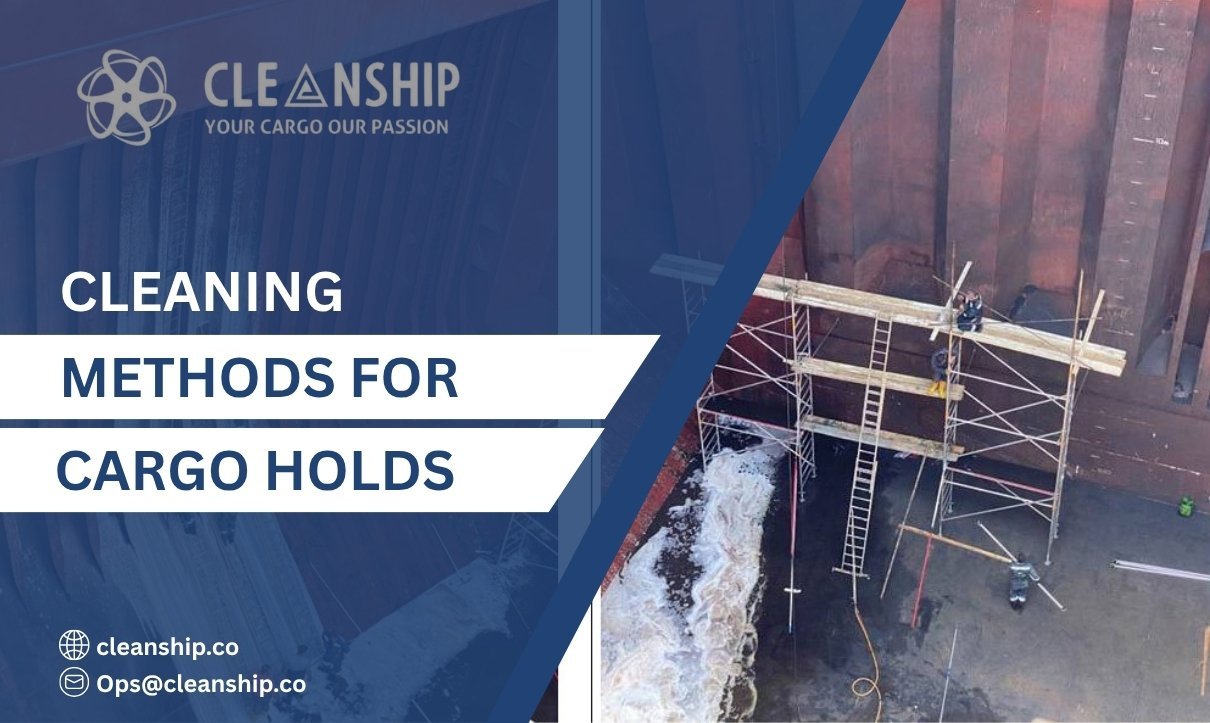
Proven Cleaning Techniques for Cargo Holds: Effective Methods for Every Residue Type
In the competitive world of bulk shipping, mastering effective cleaning methods for cargo holds determines the difference between operational success and costly contamination disasters. At Cleanship, we’ve developed and refined proven cleaning techniques that address every type of cargo residue, ensuring complete contamination removal while optimizing operational efficiency and regulatory compliance. Understanding the Complexity of Cargo Hold Cleaning Methods Modern bulk carriers transport an incredible variety of cargoes, each leaving behind unique residues that require specialized cleaning methods for cargo holds. From sticky agricultural products and abrasive mineral ores to chemical fertilizers and food-grade commodities, each cargo type presents distinct cleaning challenges that demand tailored approaches and specialized techniques. The evolution of cleaning methods for cargo holds has been driven by increasingly stringent regulatory requirements, higher cargo quality standards, and the economic necessity of preventing expensive cross-contamination incidents. Professional cleaning techniques must address not only visible contamination but also microscopic residues that can compromise subsequent cargo quality. Effective cleaning methods for cargo holds integrate advanced equipment, proven chemicals, systematic procedures, and skilled personnel to achieve consistently superior results across all cargo types and contamination scenarios. Comprehensive Classification of Cargo Residue Types Dry Bulk Cargo Residues Dry bulk cargoes represent the majority of global shipping volume, requiring specialized cleaning methods for cargo holds that address their unique characteristics: Mineral and Coal Residues: Agricultural Product Residues: Our expert cleaning services utilize targeted approaches for each residue type, ensuring complete removal without surface damage or environmental harm. Liquid and Semi-Liquid Cargo Residues Liquid cargo transportation creates complex cleaning challenges requiring specialized methods: Chemical and Fertilizer Residues: Edible Oil and Fat Residues: Advanced High-Pressure Water Cleaning Techniques High-pressure water systems represent the cornerstone of modern cleaning methods for cargo holds, offering versatility, effectiveness, and environmental compatibility across diverse contamination scenarios. Variable Pressure Applications Professional cleaning methods for cargo holds employ variable pressure systems that optimize cleaning effectiveness while protecting hold surfaces: Ultra-High Pressure Systems (500-1000 bar): Medium Pressure Applications (200-500 bar): Low Pressure Techniques (50-200 bar): Hot Water and Steam Integration Advanced cleaning methods for cargo holds incorporate temperature control for enhanced effectiveness: Hot Water Benefits: Our professional hold cleaning services utilize state-of-the-art temperature-controlled systems that optimize cleaning performance while minimizing environmental impact. Specialized Chemical Cleaning Methods Chemical cleaning agents represent essential components of comprehensive cleaning methods for cargo holds, providing targeted solutions for specific contamination types that mechanical cleaning alone cannot address effectively. Alkaline Cleaning Solutions Alkaline cleaning methods effectively address organic contamination and protein-based residues: Applications and Benefits: Specialized Alkaline Formulations: Acidic Cleaning Techniques Acidic cleaning methods target mineral deposits, rust stains, and alkaline cargo residues: Mineral Deposit Removal: Safety and Environmental Considerations: Professional acidic cleaning methods incorporate neutralization systems, corrosion inhibitors, and environmental protection measures ensuring safe application and waste disposal. Specialized Decontamination Agents Advanced cleaning methods for cargo holds include specialized agents for challenging contamination scenarios: Enzyme-Based Cleaners: Solvent-Based Solutions: Mechanical Cleaning Methods and Equipment Mechanical cleaning techniques complement chemical and water-based methods, providing physical removal capabilities essential for comprehensive cargo hold cleaning. Abrasive Cleaning Techniques Controlled abrasive methods address stubborn deposits that resist chemical and water cleaning: Dry Ice Blasting: Media Blasting Applications: Mechanical Scraping and Brushing Traditional mechanical methods remain essential components of comprehensive cleaning approaches: Power Tool Applications: Manual Techniques: Our comprehensive tank cleaning services can be coordinated with mechanical hold cleaning for complete vessel preparation. Advanced Vacuum and Debris Recovery Systems Effective cleaning methods for cargo holds integrate sophisticated debris recovery systems that ensure complete contamination removal while maintaining operational efficiency. Industrial Vacuum Applications Professional vacuum systems address diverse cleaning requirements: Wet/Dry Recovery Systems: Specialized Vacuum Techniques: Water Recovery and Recycling Sustainable cleaning methods for cargo holds incorporate water recovery and treatment systems: Closed-Loop Systems: Quality Control and Verification Methods Professional cleaning methods for cargo holds include comprehensive quality control procedures ensuring consistent results and regulatory compliance. Visual Inspection Protocols Systematic visual inspection validates cleaning effectiveness: Inspection Standards: Laboratory Testing and Analysis Advanced quality control includes scientific validation: Contamination Analysis: Certification and Documentation Professional cleaning methods for cargo holds include comprehensive documentation: The International Maritime Organization (IMO) establishes global standards that guide professional cleaning method development and implementation. Environmental Compliance in Cleaning Methods Modern cleaning methods for cargo holds must balance effectiveness with environmental responsibility, incorporating sustainable practices and regulatory compliance. Waste Management and Disposal Professional cleaning operations include comprehensive waste management: Contaminated Water Treatment: Solid Waste Handling: Eco-Friendly Cleaning Agent Selection Sustainable cleaning methods prioritize environmentally responsible products: Technology Integration and Innovation Cutting-edge cleaning methods for cargo holds incorporate technological advances that enhance effectiveness, safety, and efficiency. Remote Monitoring and Control Advanced cleaning systems feature remote operation capabilities: Predictive Maintenance Integration Modern cleaning methods integrate with vessel maintenance programs: The International Association of Dry Cargo Shipowners (INTERCARGO) promotes technological advancement in bulk carrier operations, including cleaning method innovation. Customized Cleaning Method Selection Professional cleaning services develop customized approaches based on specific vessel requirements, cargo histories, and operational constraints. Vessel-Specific Considerations Cleaning method selection addresses individual vessel characteristics: Cargo Transition Requirements Cleaning methods vary based on cargo sequence planning: Conclusion: Optimizing Cleaning Method Effectiveness Effective cleaning methods for cargo holds require comprehensive understanding of contamination types, systematic application of proven techniques, and continuous adaptation to evolving industry requirements. Professional cleaning services integrate mechanical, chemical, and technological approaches to achieve superior results consistently. At Cleanship, our extensive experience with diverse cleaning methods for cargo holds enables us to provide customized solutions that optimize effectiveness while maintaining cost efficiency and environmental responsibility. Our proven techniques ensure complete contamination removal and regulatory compliance across all cargo types and operational scenarios. Don’t compromise your cargo quality with inadequate cleaning methods. Contact Cleanship today to discover how our proven cleaning techniques can protect your operations and ensure superior cargo hold preparation for any residue type. Frequently Asked Questions About Cleaning Methods for Cargo Holds