
Mumbai Port and Jawaharlal Nehru Port (JNPT) handle millions of tonnes of liquid and dry cargo every year. From petroleum products to chemicals and edible oils, vessels arriving here must meet strict cleanliness standards before loading the next cargo. In this high-traffic maritime zone, tank cleaning in Mumbai is not a routine task—it is a regulated technical operation governed by global conventions and port authority rules.
Improper cleaning risks cargo contamination, port delays, charter-party disputes, and environmental penalties. Professional operators follow IMO guidelines, IMCA safety frameworks, MARPOL Convention discharge rules, and IAPH port safety principles to ensure compliance and efficiency.
Mumbai’s Complex Marine Environment
Mumbai’s humid coastal climate accelerates corrosion and residue buildup inside tanks. Heavy traffic means limited berthing windows, so cleaning must be precise and time-bound. Many vessels arrive after carrying crude oil, chemicals, palm oil, or fuel products. Each cargo demands a different cleaning method.
Shipowners cannot rely on basic rinsing. They require engineered cleaning plans that match cargo history, tank coating type, and port authority discharge rules.
Regulatory Framework Governing Tank Cleaning
Professional tank cleaning operations align with:
- IMO guidelines for safe tank entry and enclosed space procedures
- IMCA safety bulletins for diving and industrial cleaning activities
- MARPOL Convention Annex I and II for pollution prevention
- IAPH port safety and environmental performance principles
- Marine Supercargo Final Quality Rules for cargo acceptance
Non-compliance can result in detention, fines, or rejected cargo.
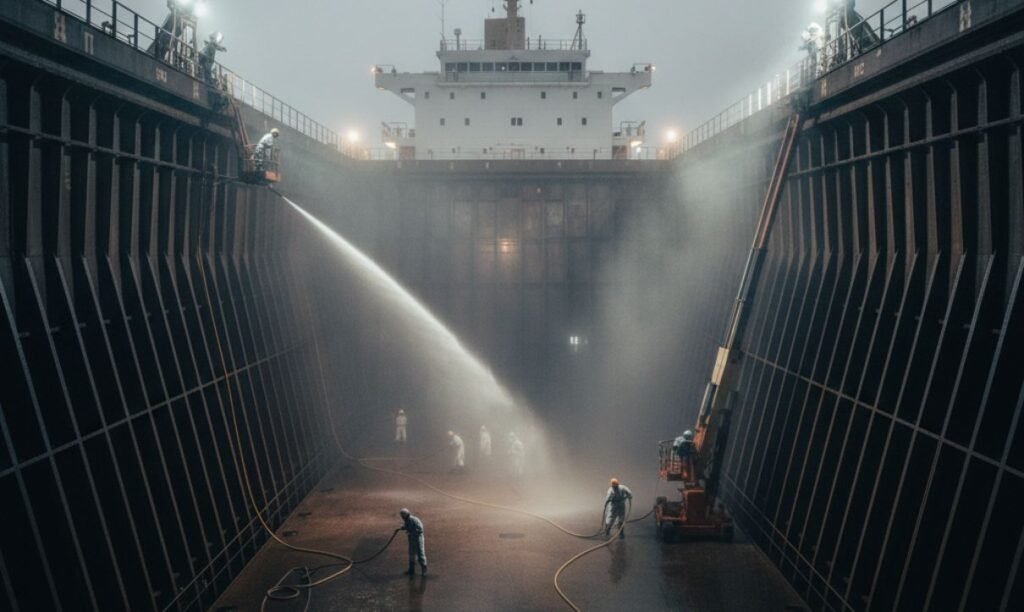
Solution 1: High-Pressure Automated Tank Washing Systems
Modern vessels use programmable high-pressure washing machines. These rotating nozzles deliver heated water or chemical solutions at controlled pressure. The advantage is consistency.
For large tank cleaning in Mumbai projects, automated systems reduce manpower exposure and ensure uniform coverage. They also generate cleaning records required for inspection audits.
Solution 2: Cargo-Specific Chemical Cleaning Protocols
Crude oil residue differs from vegetable oil or methanol residue. Chemical compatibility charts guide the selection of alkaline, solvent-based, or neutral detergents.
Technicians calculate concentration, temperature, and circulation time. This method is critical when vessels must meet food-grade or pharma-grade standards under Marine Supercargo Final Quality Rules.
Solution 3: Sludge Removal and Tank Bottom Recovery
After washing, sludge accumulates at the bottom. Specialized pumping systems remove sludge without contaminating seawater. Disposal follows MARPOL Convention waste management procedures.
In Mumbai’s regulated waters, certified waste collectors handle sludge transfer. Documentation ensures traceability from vessel to approved disposal facility.
Solution 4: Enclosed Space Entry with Gas-Free Certification
Before manual inspection, tanks must be declared gas-free. Certified chemists measure oxygen levels, flammable gases, and toxic vapors.
IMCA and IMO guidelines require confined space permits, rescue teams, ventilation systems, and continuous gas monitoring. Professional tank cleaning in Mumbai operations never bypass these steps.
Solution 5: Hot Water and Steam Cleaning for Oil Residue
Heated water and steam break down viscous hydrocarbons. Temperature control is essential to prevent coating damage.
Operators monitor tank steel temperature and coating tolerance. This method is widely used after heavy fuel oil discharge at Mumbai anchorage areas.
Solution 6: Tank Surface Inspection and Coating Assessment
Cleaning is incomplete without inspection. Surveyors assess:
- Coating breakdown
- Pitting corrosion
- Scale formation
- Structural integrity
Findings determine whether re-coating or repair is required before the next cargo. Ports referencing IAPH environmental guidelines emphasize preventive maintenance.
Solution 7: Final Quality Verification and Documentation
Before loading new cargo, tanks undergo final inspection. Marine surveyors check odor neutrality, dryness, and cleanliness grade.
Reports include cleaning logs, chemical usage sheets, gas-free certificates, and disposal manifests. This documentation protects shipowners from cargo rejection claims.
Environmental Responsibility Under MARPOL
MARPOL Annex I and II strictly regulate oily water discharge and chemical residues. No wash water enters the sea untreated.
Operators performing tank cleaning in Mumbai must coordinate with port reception facilities. Compliance prevents environmental damage and heavy penalties.
Risk Management in High-Traffic Ports
Mumbai’s port zone operates on tight schedules. Delays affect berth allocation and charter timelines. Effective cleaning requires pre-arrival planning:
- Cargo history review
- Cleaning method selection
- Waste disposal booking
- Surveyor scheduling
Preparation ensures the vessel meets laytime commitments.
Safety Management Under IMCA and IMO Guidelines
Industrial tank cleaning exposes crews to toxic vapors, confined spaces, and slip hazards. IMCA safety frameworks demand:
- Toolbox talks
- PPE compliance
- Emergency rescue planning
- Supervisor oversight
Professional providers maintain zero-incident targets through structured risk assessments.
Integration of Advanced Monitoring Technology
Modern service providers use digital gas detectors, thermal imaging cameras, and inspection drones. These technologies reduce human exposure while improving inspection accuracy.
For large-scale tank cleaning in Mumbai, digital reporting platforms allow shipowners to access compliance records instantly.
The Role of Experienced Marine Superintendents
Marine superintendents coordinate between ship crew, port authority, and cleaning contractors. Their expertise ensures procedures match charter-party clauses and cargo acceptance criteria.
Industry benchmarks such as Cleanship.co demonstrate structured compliance reporting and internationally aligned cleaning methodologies.
Cost Factors and Operational Efficiency
Cleaning costs depend on:
- Tank size and number
- Previous cargo type
- Required cleanliness standard
- Waste disposal volume
- Urgency and berth schedule
Efficient tank cleaning in Mumbai minimizes downtime, which often costs more than the cleaning itself.
Preventing Cargo Contamination Claims
Cargo contamination can result in multi-million-dollar disputes. Residual chemicals or odor traces may lead to rejection.
Strict adherence to Marine Supercargo Final Quality Rules and final inspection protocols protects owners from claims and reputation damage.
Port Authority Coordination and IAPH Alignment
The International Association of Ports and Harbors (IAPH) promotes environmental accountability. Mumbai’s port authorities increasingly align with these global standards.
Proper documentation, pollution control, and safe waste disposal reflect responsible maritime operations.
Why Expertise Matters in a Regulated Market
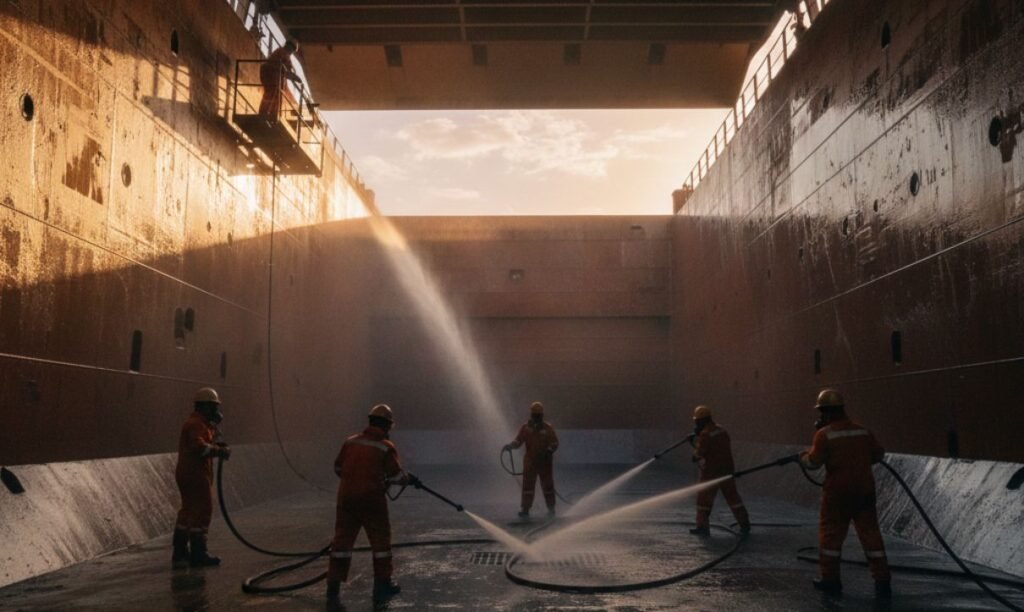
Tank cleaning is not a general maintenance job. It demands engineering knowledge, chemical compatibility expertise, and international compliance awareness.
Reliable tank cleaning in Mumbai services combine trained manpower, advanced equipment, and regulatory precision to deliver safe outcomes.
Choosing a Qualified Service Partner
Shipowners should evaluate:
- Compliance with IMO and MARPOL
- Safety record and IMCA alignment
- Waste disposal certification
- Surveyor coordination capability
- Transparent documentation process
Established benchmarks such as Cleanship.co reflect structured operations and global best practices.
Conclusion: Compliance, Safety, and Operational Reliability
Professional tank cleaning safeguards cargo integrity, environmental responsibility, and vessel schedules. In a demanding maritime hub like Mumbai, strict adherence to IMO procedures, IMCA safety standards, MARPOL Convention regulations, and IAPH environmental principles is not optional—it is operational necessity. The right technical partner ensures tanks meet Marine Supercargo Final Quality Rules and pass inspection without delays. Shipowners seeking reliable, compliant, and efficient tank cleaning in Mumbai should engage experienced specialists who deliver documented results, protect assets, and uphold global maritime standards. Timely coordination today prevents operational setbacks tomorrow.
FAQs:
Duration depends on tank size, previous cargo, and required cleanliness grade. It may range from several hours to multiple days.
Yes, when cargo compatibility requires it. IMO and charter-party clauses often mandate cleaning before switching cargo types.
Waste is transferred to certified reception facilities in accordance with MARPOL Convention requirements.
It is an official declaration confirming safe oxygen levels and absence of toxic or flammable gases before tank entry.
Independent marine surveyors inspect tanks and issue approval based on Marine Supercargo Final Quality Rules.