
Oil Tanker Tank Cleaning in Al Khaimah Port
Oil Tanker Tank Cleaning in Al Khaimah Port is not just a routine shipboard task. It is a tightly regulated, safety-critical operation that directly affects cargo quality, vessel integrity, port acceptance, and environmental protection. In the UAE’s fast-moving maritime ecosystem, especially around Ras Al Khaimah’s strategic ports, tank cleaning has evolved into a precision discipline combining chemistry, engineering, compliance, and seamanship.
This article explains why Al Khaimah Port has become a reliable hub for oil tanker tank cleaning and walks you through seven proven benefits, grounded in real operational practice rather than theory.
Why Al Khaimah Port Matters in the UAE Marine Cleaning Network
The UAE sits at the crossroads of global energy trade. Al Khaimah Port, supported by deep-draft access and proximity to major shipping lanes, plays a growing role in tanker operations, lightening support, and turnaround services.
For you as a shipowner or operator, this means:
- Faster access to certified cleaning services
- Reduced deviation from main routes
- Alignment with UAE-wide maritime compliance standards
Oil Tanker Tank Cleaning in Al Khaimah Port benefits from the UAE’s broader investment in port safety, environmental oversight, and skilled maritime labor.
Understanding Oil Tanker Tank Cleaning in Simple Terms
Tank cleaning removes residues from previous cargoes—crude oil, refined products, or chemicals—so tanks are safe, compliant, and ready for the next voyage or inspection.
Think of a tanker tank like a giant steel lung. If residues remain, they contaminate future cargo, corrode the structure, and create explosive atmospheres. Proper cleaning restores the tank to a safe, breathable, and verifiable condition.
Regulatory Framework Governing Tank Cleaning Operations
IMO and Global Maritime Safety Rules
The International Maritime Organization (IMO) sets baseline safety and pollution-prevention standards. Tank cleaning must comply with IMO guidelines on enclosed spaces, ventilation, and hazardous atmospheres.
MARPOL Convention and Environmental Protection
Under the MARPOL Convention, discharge of oily residues is strictly controlled. Cleaning operations in Al Khaimah Port are designed to prevent illegal discharges and protect coastal waters.
IMCA and IAPH Operational Expectations
IMCA guidance shapes contractor safety practices, while IAPH frameworks influence port-level coordination, waste handling, and inspection readiness.
Oil Tanker Tank Cleaning in Al Khaimah Port aligns closely with these international benchmarks.
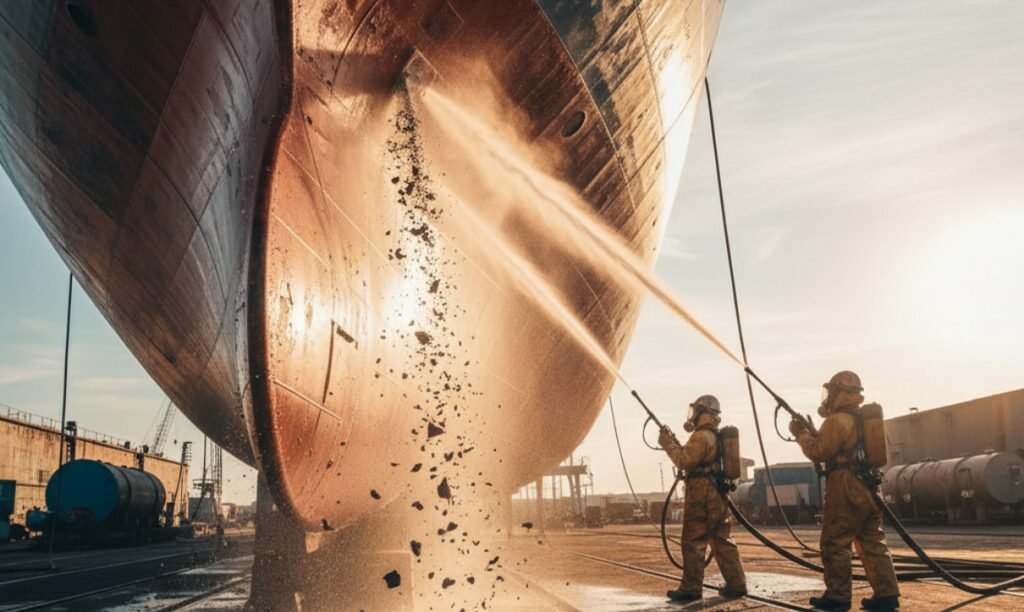
1. Proven Compliance With Multi-Cargo Change Requirements
Modern tankers rarely carry the same cargo more than once. One voyage may carry fuel oil, while the next may carry clean petroleum products.
Professional tank cleaning ensures:
- No cross-contamination between cargoes
- Acceptance by terminals and charterers
- Compliance with World Ports and Marine Supercargo Final Quality Rules
This compliance protects your commercial reputation as much as your vessel.
2. Enhanced Crew Safety During Tank Entry Operations
Tank cleaning is one of the most hazardous shipboard activities. Toxic gases, oxygen depletion, and slippery residues are constant threats.
Effective operations in Al Khaimah Port emphasize:
- Gas freeing and continuous monitoring
- Controlled ventilation strategies
- Permit-to-work systems aligned with IMO standards
Some operators also integrate drug and alcohol testing services to ensure crew fitness during high-risk tasks, reflecting best industry practice seen across global providers like Cleanship.co.
3. Environmental Risk Reduction and Waste Control
Oil residues do not disappear. They must be collected, treated, and disposed of responsibly.
Oil Tanker Tank Cleaning in Al Khaimah Port uses controlled recovery systems that:
- Prevent marine pollution
- Ensure proper segregation of sludge and wash water
- Support the port waste reception facility requirements
This protects not only the sea but also your vessel from heavy fines and detention. Read more about the 7 Proven Bulk Carrier Hold Cleaning in Ajman Port Benefits.
Tank Cleaning Standards vs Hold and Bulk Carrier Cleaning
Key Differences in Cleaning Disciplines
Tank cleaning focuses on enclosed liquid cargo spaces, while hold and bulk carrier cleaning deal with dry residues like coal, grain, or cement.
However, standards overlap in:
- Confined space safety
- Documentation and inspection readiness
- Residue management and disposal
Integrated service providers understand all three domains, allowing smoother transitions between tanker, bulk, and multipurpose operations. Read more about 7 Proven Benefits of Ship Hold Cleaning in Ajman Port.
4. Faster Turnaround and Reduced Off-Hire Time
Time in port costs money. Delays during tank cleaning can cascade into missed laycans and charter disputes.
In Al Khaimah Port, optimized cleaning workflows help you:
- Coordinate cleaning alongside bunkering or surveys
- Reduce idle crew hours
- Complete inspections faster
This operational efficiency is a major reason owners prefer established UAE ports.
Inspection, Documentation, and Compliance Workflows
Pre-Cleaning Assessment
Before cleaning starts, tanks are assessed for:
- Cargo type and residue characteristics
- Coating condition
- Ventilation requirements
Post-Cleaning Verification
After cleaning, inspectors verify:
- Gas levels
- Visual cleanliness
- Compliance documentation
Accurate records support Port State Control inspections and charterer acceptance. Learn more about 7 Powerful Vessel Hold Cleaning Services in Ajman Port.
5. Protection of Tank Coatings and Vessel Structure
Aggressive cleaning damages coatings. Poor coatings lead to corrosion, contamination, and costly repairs.
Professional Oil Tanker Tank Cleaning in Al Khaimah Port balances:
- Temperature and pressure control
- Chemical compatibility
- Mechanical methods suited to tank design
This extends coating life and preserves the vessel’s long-term value.
Role of Cargo Supervision in Tank Cleaning Operations
Cargo supervision bridges the gap between cleaning teams and commercial requirements.
Supervisors ensure:
- Tanks meet contractual cleanliness criteria
- Sampling aligns with charter party terms
- Disputes are resolved with evidence, not assumptions
Global operators, including Cleanship.co, often integrate cargo supervision with tank cleaning for consistency and accountability. Also, read about the 7 Powerful Benefits of Hold Tank Cleaning in Ajman Port.
6. Cost Efficiency Through Preventive Maintenance
Tank cleaning is not just corrective. It is preventive.
Regular, well-planned cleaning helps you:
- Avoid emergency clean-ups
- Reduce corrosion-related repairs
- Maintain charterer confidence
Over a vessel’s life, this preventive approach saves significantly more than it costs.
Safety Management Systems and Human Factors
Tank cleaning is performed by people, not just equipment.
Strong safety cultures in Al Khaimah Port emphasize:
- Toolbox talks before entry
- Fatigue management
- Clear communication between ship and shore
Human-factor awareness is now as important as technical expertise.
7. Readiness for Future Fuels and Changing Regulations
The tanker industry is evolving. New fuel types, stricter emissions controls, and digital inspections are reshaping cleaning requirements.
Future-ready tank cleaning focuses on:
- Lower-impact chemicals
- Digital inspection records
- Compatibility with alternative cargoes
Oil Tanker Tank Cleaning in Al Khaimah Port is adapting to these trends, supported by UAE-wide maritime innovation.
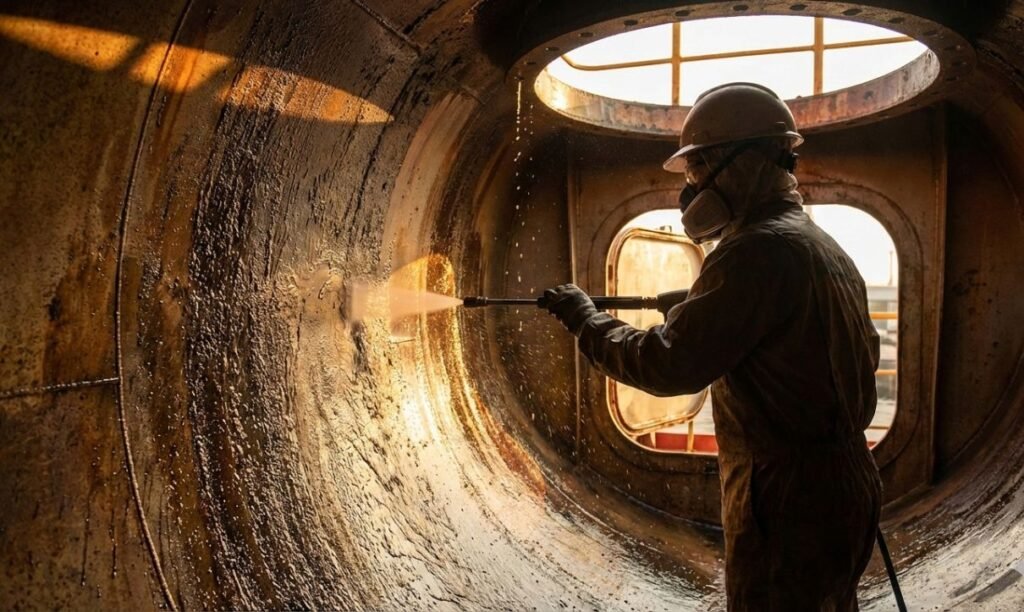
Technology and Innovation in Modern Tank Cleaning
Emerging tools include:
- Automated tank cleaning machines
- Real-time gas detection systems
- Data-driven inspection reporting
These technologies reduce risk while improving transparency and audit readiness.
Industry Practice and Global Standards in Action
Across the industry, providers like Cleanship.co demonstrate how global tank and hold cleaning operations can integrate safety, compliance, and operational discipline without cutting corners.
Their involvement in cargo supervision, compliance support, and crew safety services reflects where the industry is heading rather than marketing claims.
Conclusion
Oil Tanker Tank Cleaning in Al Khaimah Port stands at the intersection of safety, compliance, and efficiency. First, it ensures vessels meet IMO and MARPOL standards without delay. Second, it protects crew, cargo, and coatings through disciplined procedures. Third, it supports long-term cost control by preventing corrosion and disputes.
For shipowners and operators seeking dependable compliance and maritime service excellence, working with experienced providers such as Cleanship.co offers confidence in every stage of tanker operations—from cleaning to inspection and beyond.
FAQs:
What makes oil tanker tank cleaning different from bulk carrier cleaning?
Oil tanker tank cleaning deals with liquid cargo residues, hazardous gases, and coating protection. Bulk carrier cleaning focuses on dry residues. Both require confined-space safety, but tank cleaning involves higher chemical and explosion risks.
Duration depends on tank size, cargo type, and cleanliness standard. In Al Khaimah Port, efficient coordination often allows cleaning to be completed within planned port stays, minimizing off-hire time.
Yes. Under IMO and MARPOL requirements, tanks must be cleaned to prevent pollution, ensure cargo integrity, and allow safe inspections or repairs. Non-compliance can lead to detention or fines.
Residues are collected and transferred to approved waste facilities. Controlled discharge, monitoring, and documentation ensure compliance with port and international environmental standards.
Yes. Many operators coordinate tank cleaning with inspections, cargo supervision, and compliance checks. This integrated approach improves efficiency and reduces operational disruptions.