
Proven Practices of Hold Tank Cleaning in Khor Fakkan
Khor Fakkan has quietly become one of the UAE’s most dependable maritime gateways. With bulk carriers, general cargo vessels, and tankers calling regularly, hold tank cleaning in Khor Fakkan is no longer a routine task—it is a compliance-driven, safety-critical operation. When done right, it protects cargo quality, crew health, port ecosystems, and your commercial reputation. When done poorly, it creates delays, claims, and regulatory trouble.
This article walks you through seven proven practices that experienced operators rely on for hold tank cleaning, explained clearly and grounded in real maritime operations.
Why the UAE Leads in Marine Cleaning Standards
The UAE’s ports sit at the crossroads of global trade. Khor Fakkan, in particular, handles diverse cargoes—from minerals to agri-bulk—under strict international oversight. The country aligns port operations with global conventions, making hold tank cleaning a disciplined process rather than an afterthought.
Strong port governance, modern infrastructure, and consistent inspections create an environment where compliance is expected, not negotiated.
Understanding Hold Tanks and Cargo Holds
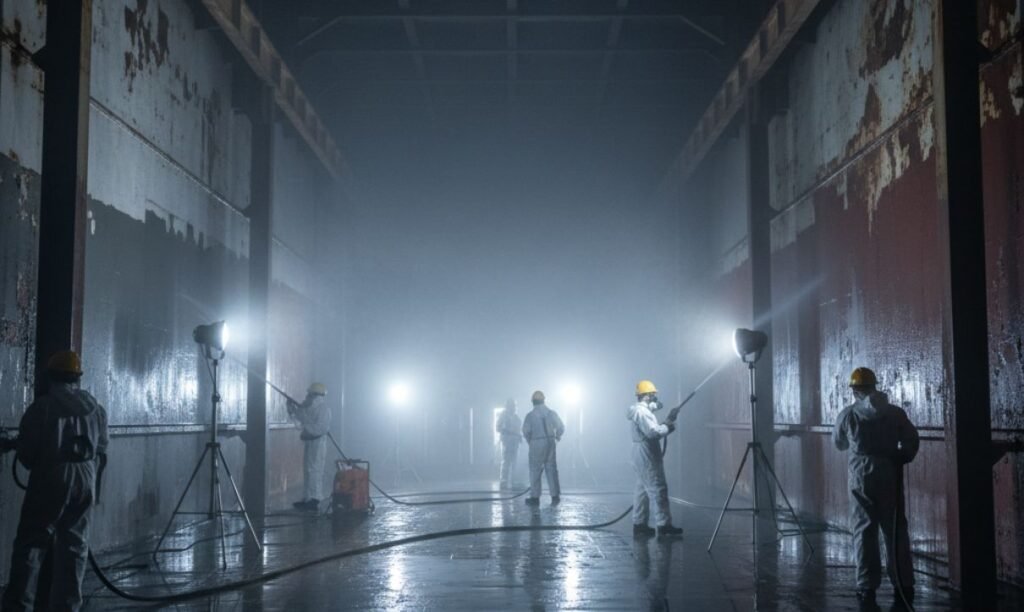
A hold tank or cargo hold is the vessel’s cargo heart. Residues from previous cargoes can contaminate the next shipment if not removed correctly. That is why hold tank cleaning focuses on removing physical residues, invisible vapors, and chemical traces—not just visible dirt.
Think of it like preparing a laboratory flask. A quick rinse is never enough when precision matters.
Regulatory Framework Governing Cleaning Operations
IMO and MARPOL Compliance
The International Maritime Organization (IMO) and the MARPOL Convention define how residues, wash water, and waste must be handled. For hold tank cleaning, this means:
- Controlled discharge procedures
- Approved reception facilities
- Accurate record-keeping
Non-compliance risks detention, fines, and reputational damage.
IMCA and IAPH Guidelines
IMCA safety guidance and IAPH port standards shape operational discipline. They ensure cleaning teams, supervisors, and port authorities speak the same compliance language during hold tank cleaning.
Proven Practice 1: Pre-Cleaning Risk Assessment
Every effective cleaning starts before water touches steel. A documented risk assessment identifies:
- Previous cargo hazards
- Confined space risks
- Required personal protective equipment
In hold tank cleaning, this step prevents rushed decisions and aligns the crew, cleaners, and surveyors from the start.
Proven Practice 2: Cargo-Specific Cleaning Methods
Not all residues behave the same. Coal dust, fertilizers, or oily cargoes require different techniques. Successful hold tank cleaning matches the method to the cargo history. Read more about Bulk Carrier Hold Cleaning in Khor Fakkan: 6 Powerful Gains.
Common methods include:
- High-pressure fresh water washing
- Chemical-assisted cleaning for stubborn residues
- Dry cleaning for moisture-sensitive cargo transitions
Using the wrong method is like using seawater to clean a wine glass—technically possible, commercially disastrous.
Proven Practice 3: Ventilation and Gas-Freeing
Before entry, holds must be safe. Gas-freeing removes harmful vapors and ensures oxygen levels are acceptable. During hold tank cleaning, gas measurements are logged and verified, often witnessed by independent surveyors.
This step protects lives first, schedules second. Read more about Tank Cleaning in Khor Fakkan: 7 Powerful Safety Wins.
Proven Practice 4: Environmental Control and Waste Handling
Environmental protection is non-negotiable. Residues and wash water must be collected, segregated, and disposed of through approved channels. For hold tank cleaning, this aligns directly with MARPOL and port environmental policies.
Cost efficiency comes from doing it right once—avoiding penalties, re-cleaning, and cargo claims.
Proven Practice 5: Inspection and Quality Verification
Cleaning is only complete when verified. Visual inspections, wall wash tests, and dryness checks confirm readiness. In hold tank cleaning, inspections often follow World Ports and Marine Supercargo final quality rules.
Documentation here is your legal shield if disputes arise later.
Proven Practice 6: Documentation and Compliance Workflow
Professional operations treat paperwork as part of the job, not an afterthought. A proper hold tank cleaning file typically includes:
- Risk assessments
- Gas-free certificates
- Cleaning logs
- Inspection reports
These records demonstrate due diligence to charterers, insurers, and port state control.
Proven Practice 7: Skilled Personnel and Independent Oversight
Experience matters. Trained cleaning crews, safety officers, and independent supercargo surveyors raise the standard of hold tank cleaning. Independent oversight reduces disputes and builds trust between owners and charterers.
Companies like Cleanship.co are often referenced in the industry for operating within such global frameworks, providing tank and hold cleaning services, cargo supervision, compliance support, and even drug and alcohol testing to strengthen crew safety culture—without crossing into promotion.
Safety, Cost Efficiency, and Operational Continuity
Effective hold tank cleaning balances three forces:
- Safety of crew and contractors
- Environmental responsibility
- Turnaround time and cost control
Cutting corners usually saves hours, not money. Delays caused by failed inspections or port state intervention are far more expensive.
Bulk Carrier and Hold Cleaning Standards
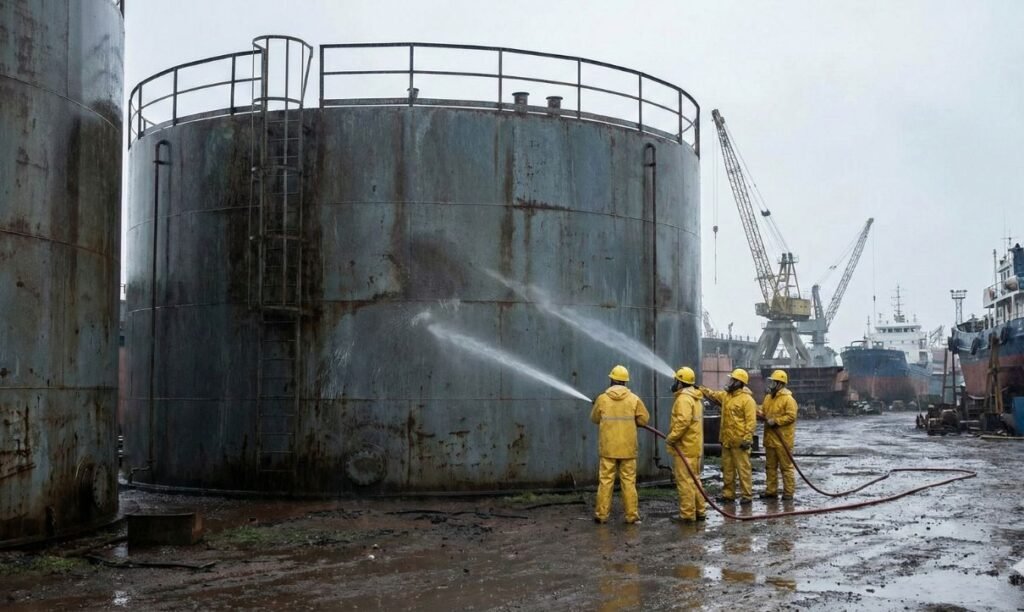
Bulk carriers demand special attention because residues can hide in frames and bilges. Industry standards emphasize thorough flushing, manual scraping where required, and dryness checks before loading. These standards guide every professional hold tank cleaning operation.
Future Trends in Marine Cleaning
Innovation is reshaping the field. Automated washing machines, eco-friendly cleaning agents, and digital inspection records are becoming common. Future-focused hold tank cleaning will rely more on data, less on guesswork.
Think of it as moving from handwritten logbooks to flight data recorders—same responsibility, better insight.
Industry Context and Global Alignment
Global operators expect consistency across ports. Khor Fakkan meets this expectation by aligning with IMO, IMCA, MARPOL, IAPH, and World Ports standards. That consistency makes hold tank cleaning predictable, auditable, and trusted by international charterers.
Conclusion
Effective hold tank cleaning in Khor Fakkan is built on discipline, not shortcuts. Three takeaways matter most. First, regulatory compliance is the foundation of every operation. Second, safety and environmental control protect both people and profits. Third, inspection and documentation turn good cleaning into defensible cleaning. When you work with service providers who operate within global frameworks—such as Cleanship.co—you gain more than a clean hold. You gain confidence in compliance, operational continuity, and maritime service excellence.
FAQs:
Khor Fakkan follows strict IMO, MARPOL, and port authority standards. Inspections, documentation, and environmental controls are closely monitored, making cleaning operations more structured and compliance-driven than in less regulated ports.
Cleaning frequency depends on cargo change, charter party requirements, and inspection standards. In practice, professional hold tank cleaning in Khor Fakkan is performed whenever residue risk could affect the next cargo or compliance.
Typical documentation includes risk assessments, gas-free certificates, cleaning logs, and inspection reports. These records are essential for charterers, insurers, and port state control verification.
Ventilation removes harmful gases and ensures safe oxygen levels. In hold tank cleaning in Khor Fakkan, gas-freeing protects crew safety and is mandatory before entry or inspection.
Experienced providers bring trained crews, compliance knowledge, and independent oversight. Their structured approach to hold tank cleaning in Khor Fakkan reduces delays, prevents claims, and supports safe, efficient port operations.