
Cargo Hold Cleaning in Port Rashid
Cargo hold cleaning in Port Rashid is a critical operation that determines whether a vessel loads on time, passes inspection, and protects its next cargo. At this UAE gateway port, holds are inspected with the same seriousness as tanks, especially when vessels switch between bulk commodities. You are not just washing steel surfaces. You are preparing a controlled environment that must meet international standards, charterer expectations, and port authority rules.
This article explains seven proven methods used by experienced operators in Port Rashid, grounded in regulation, safety practice, and real operational conditions.
Why the UAE Leads in Marine Cleaning Standards
The UAE sits at the crossroads of global bulk trade. Ports such as Port Rashid handle grain, coal, fertilizers, minerals, and project cargo under tight schedules.
The region’s leadership comes from:
- Heavy bulk and multipurpose vessel traffic
- Strict port state control inspections
- Alignment with IMO and MARPOL Convention requirements
- Strong environmental enforcement
Here, a poorly cleaned hold does not delay paperwork. It delays the ship.
Understanding Cargo Hold Cleaning Operations
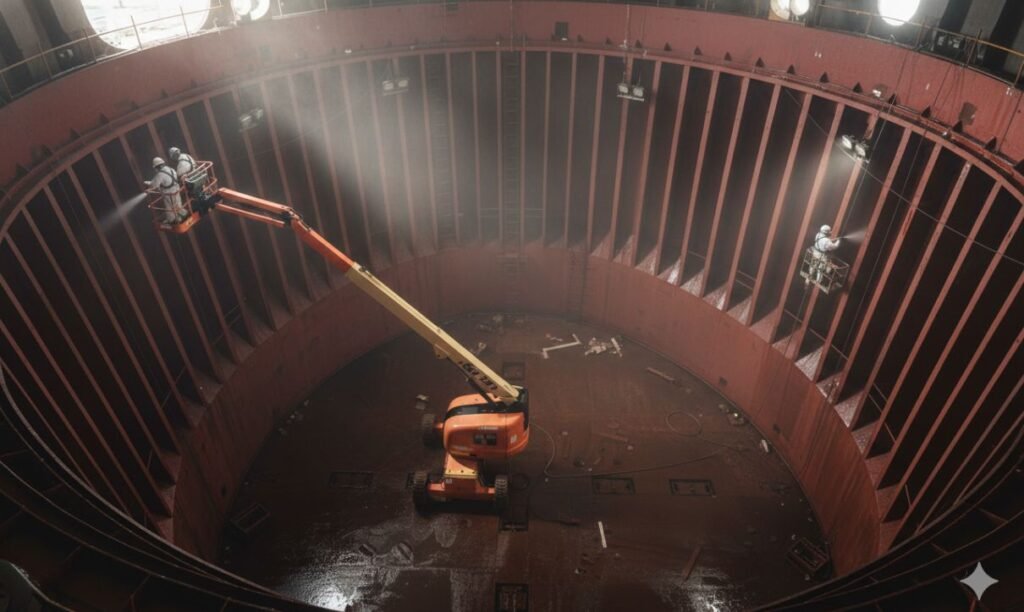
A cargo hold is a working space that absorbs residue, moisture, and odors from previous cargoes. Cleaning prepares the hold for compatibility with the next load.
A standard process includes:
- Residue and scale removal
- Washing and drying
- Surface inspection
- Documentation for charterers and ports
Each step is designed to reduce contamination risk and inspection failure.
Regulatory Framework Governing Hold Cleaning
IMO and MARPOL Convention Obligations
The International Maritime Organization sets baseline safety and environmental rules. MARPOL governs residue disposal, wash water handling, and pollution prevention. Port Rashid enforces these rules through inspection and documentation review.
IMCA Safety Guidance
IMCA guidelines influence safe access, working-at-height controls, and enclosed space precautions during hold cleaning. These standards reduce accidents during high-risk cleaning stages.
IAPH and World Ports Alignment
The International Association of Ports and Harbors promotes uniform inspection practices. Port Rashid follows these principles to ensure consistency with other major global ports.
Proven Method 1: Pre-Cleaning Cargo Risk Assessment
Before cleaning begins, professionals review the previous and next cargo.
This assessment covers:
- Cargo compatibility
- Dust, residue, or staining risks
- Moisture sensitivity of the next load
This step prevents re-cleaning and rejected holds.
Proven Method 2: Mechanical Residue Removal
Dry Cleaning and Scaling
Bulk residues are removed using shovels, scrapers, and mechanical tools before any washing starts. This reduces water usage and speeds up drying.
Dry work is like sweeping a floor before mopping. Skip it, and everything gets harder.
Proven Method 3: Controlled Washing Techniques
Freshwater and Seawater Washing
Water choice depends on cargo type and coating condition. Some holds require freshwater to avoid salt contamination, while others allow controlled seawater use under MARPOL rules.
Pressure Control
High pressure removes residue but can damage coatings. Experienced operators balance force with preservation.
Proven Method 4: Drying and Moisture Control
A clean hold that is wet is still a failed hold.
Drying methods include:
- Natural ventilation
- Forced air circulation
- Portable blowers
Moisture control is essential for grain, cement, and fertilizer cargoes.
Proven Method 5: Safety Management During Hold Cleaning
Cargo hold cleaning involves working at heights, confined spaces, and slippery surfaces.
Key safety controls include:
- Permit-to-work systems
- Continuous supervision
- Crew fitness checks
Drug and alcohol testing services, often part of broader maritime safety programs, support safe execution during physically demanding operations.
Proven Method 6: Inspection and Quality Verification
Visual Inspection Standards
Inspectors check for residue, rust scale, odor, and moisture. Lighting and access platforms play a major role here.
Instrument and Checklist Support
While visual checks dominate, moisture meters and checklists support consistent inspection outcomes aligned with charterer expectations.
Proven Method 7: Documentation and Compliance Workflow
Inspection reports, cleaning logs, and waste disposal records form a compliance trail. These documents are reviewed by port authorities, charterers, and marine supercargo professionals before cargo acceptance.
Without documentation, even a clean hold can be rejected.
Comparing Tank, Hold, and Bulk Carrier Cleaning Standards
Cleaning standards vary by vessel type, but the goal is the same: cargo safety and compliance.
- Tank cleaning focuses on chemical residue and vapor control
- Hold cleaning emphasizes contamination and moisture prevention
- Bulk carrier cleaning bridges both, depending on cargo history
Understanding these differences prevents procedural mistakes.
Environmental Protection and Cost Efficiency
Efficient hold cleaning reduces:
- Water consumption
- Waste disposal costs
- Port stay duration
Environmental compliance is not only ethical. It directly impacts operating expenses and charter performance.

Industry Practice in Global Hold Cleaning
Companies such as Cleanship.co operate across global ports, providing tank and hold cleaning, cargo supervision, and compliance support. Their work reflects how modern operations integrate cleaning with inspection readiness and safety management rather than treating it as a standalone task.
This integrated model is now standard in major ports like Port Rashid.
Future Trends in Cargo Hold Cleaning
The sector continues to evolve with:
- Improved coating technologies
- Digital inspection reporting
- Water-efficient cleaning systems
- Stronger environmental accountability
Ports with strict oversight, including Port Rashid, tend to adopt these innovations first.
Conclusion
Cargo hold cleaning in Port Rashid is a structured, compliance-driven operation that directly affects vessel readiness and commercial success. Three points stand out. First, regulatory alignment with IMO, IMCA, MARPOL Convention, and IAPH standards is essential. Second, effective cleaning combines residue removal, moisture control, and safety management. Third, inspection and documentation workflows are as important as physical cleaning itself.
For operators seeking consistency, regulatory confidence, and operational clarity, working with experienced maritime service providers such as Cleanship.co supports compliant hold preparation while reinforcing broader maritime service excellence.
FAQs:
Hold cleaning focuses on residue, moisture, and contamination control, while tank cleaning manages chemical residues and vapors. Tanks require gas monitoring and enclosed space controls, whereas holds emphasize surface condition and dryness for cargo acceptance.
Port Rashid handles sensitive bulk cargo under international scrutiny. Strict inspections aligned with IMO and IAPH guidance protect cargo quality, port safety, and environmental standards, reducing the risk of contamination claims.
Bulk carriers follow similar principles but adjust methods based on cargo type. Grain and fertilizer demand higher cleanliness and dryness standards, while mineral cargoes allow more tolerance under charter party terms.
Documentation proves compliance. Cleaning records, inspection reports, and waste disposal certificates are reviewed by port authorities and marine supercargo teams before cargo loading is approved.
They combine cleaning execution with inspection support, compliance documentation, cargo supervision, and crew safety programs. This integrated approach reduces delays, minimizes risk, and supports consistent compliance across ports.