
In commercial shipping, efficiency is often measured in small margins. A slight increase in fuel consumption or a minor drop in vessel speed can have a noticeable impact on operating costs over the course of a year. While shipowners invest heavily in engine maintenance and voyage optimization, the condition of the hull below the waterline often plays an equally important role.
Marine growth is one of the most common challenges affecting vessel performance. As ships spend weeks and months at sea, algae, slime, barnacles, and shell-forming organisms begin attaching themselves to the hull surface. Over time, this accumulation increases drag and forces the vessel to work harder to maintain speed.
This is where Underwater Hull Cleaning in Dahej becomes an important maintenance solution.
Dahej is one of Gujarat’s busiest maritime and industrial hubs, supporting a steady flow of tankers, bulk carriers, LNG vessels, offshore support vessels, and coastal cargo ships. As vessel traffic grows, ship operators increasingly rely on underwater maintenance services to keep fleets running efficiently without the delays associated with dry docking.
Understanding Hull Fouling and Its Impact
Every vessel operating in seawater experiences some level of hull fouling. Even modern anti-fouling coatings cannot completely prevent biological growth.
The process typically begins with a microscopic biofilm that develops on submerged surfaces. This layer creates favorable conditions for larger marine organisms to attach themselves. Over time, the hull may become covered with slime, algae, barnacles, and shellfish.
The effects are often more significant than expected.
A fouled hull can lead to:
- Increased fuel consumption
- Reduced vessel speed
- Greater engine workload
- Higher emissions
- Increased maintenance costs
- Reduced voyage efficiency
A tanker operating between Dahej and ports in the Arabian Gulf, for example, may gradually experience higher fuel usage despite maintaining the same cargo loads and routes. In many cases, underwater inspection reveals heavy marine growth as the primary cause.
Regular Underwater Hull Cleaning in Dahej helps prevent such issues before they affect operational performance.
Why Dahej Is a Strategic Location for Hull Cleaning Services
Dahej’s importance extends beyond its industrial infrastructure. Its location and maritime activity make it a practical destination for underwater vessel maintenance.
Proximity to Major Shipping Routes
The port serves vessels involved in regional and international trade, making it a convenient stop for maintenance activities.
Support for Industrial Shipping
Dahej handles substantial traffic linked to petrochemical, energy, and manufacturing sectors. Vessel schedules are often tight, making efficient maintenance solutions essential.
Reduced Operational Interruptions
Unlike dry docking, underwater hull cleaning can usually be performed while the vessel remains afloat, helping operators avoid lengthy service interruptions.
Access to Professional Marine Contractors
Commercial diving companies and underwater maintenance specialists operating in the region provide support for various vessel types and operational requirements.
As a result, Underwater Hull Cleaning in Dahej has become a preferred option for shipowners seeking efficient maintenance solutions.
How Underwater Hull Cleaning Is Performed
Professional underwater hull cleaning is a carefully planned process that goes beyond simply removing visible marine growth. Trained divers use specialized equipment and inspection techniques to clean the hull efficiently while protecting coatings, maintaining vessel performance, and ensuring compliance with operational and environmental requirements.
Initial Underwater Survey
Before work begins, divers assess the condition of the hull.
The inspection typically evaluates:
- Extent of marine growth
- Hull coating condition
- Areas of concentrated fouling
- Signs of corrosion
- Structural concerns
This assessment helps determine the most appropriate cleaning method.
Removal of Biofouling
Specialized underwater equipment is used to remove marine growth from the hull surface.
Depending on fouling severity, cleaning may involve:
- Soft-brush cleaning systems
- Diver-operated cleaning tools
- Rotary cleaning equipment
- Non-abrasive hull maintenance methods
The goal is to remove fouling while preserving the vessel’s protective coating.
Inspection of Critical Areas
During the cleaning process, divers pay special attention to critical underwater components that are more prone to marine growth accumulation and operational issues. These high-risk areas are carefully inspected and cleaned to ensure optimal vessel performance and maintain the efficiency of essential systems.
Sea Chests
Sea chests are critical components that supply seawater to various onboard systems, including engine cooling and ballast operations. Excessive marine growth or debris can restrict water flow, reducing system efficiency and potentially affecting the vessel’s overall operational performance.
Rudders
Marine growth on or around rudders can increase hydrodynamic resistance and reduce steering efficiency. Regular inspection and cleaning help maintain vessel maneuverability, improve handling performance, and support safe navigation.
Thrusters
Bow and stern thrusters play an important role in vessel maneuvering, particularly during docking and undocking operations. Regular inspection and cleaning help prevent marine growth buildup, maintain operational efficiency, and ensure reliable performance when precise vessel control is required.
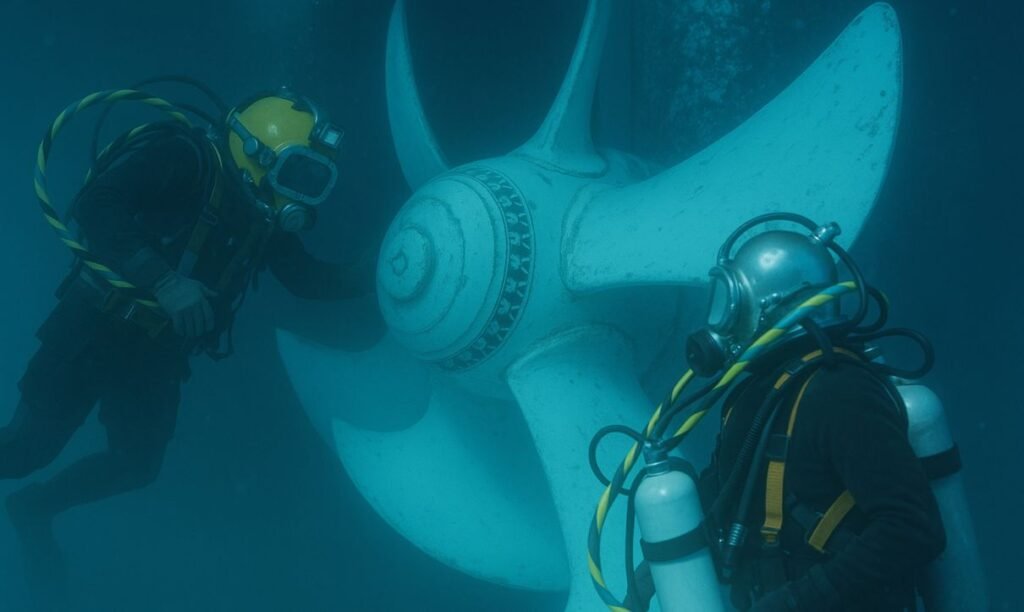
Propellers
Propellers are highly susceptible to marine growth, which can increase drag and reduce propulsion efficiency. Regular cleaning of the propulsion system helps improve vessel performance, enhance fuel efficiency, and maintain optimal operating speeds.
Post-Cleaning Verification
Following completion, divers conduct a final inspection and document the results with photographs or video footage.
Benefits of Underwater Hull Cleaning
The benefits of Underwater Hull Cleaning in Dahej extend beyond simple hull maintenance and contribute to improved vessel performance, cost savings, and environmental compliance. Regular cleaning helps shipowners optimize operational efficiency while supporting long-term asset protection and sustainability goals.
Improved Fuel Economy
One of the most immediate benefits is reduced fuel consumption.
A clean hull creates less resistance in the water, allowing the vessel to move more efficiently.
Enhanced Vessel Performance
Marine growth on the hull increases water resistance, making it harder for a vessel to move efficiently through the water. By reducing drag, underwater hull cleaning helps vessels maintain service speed while placing less strain on propulsion systems and improving overall operational performance.
Lower Carbon Emissions
Fuel savings directly contribute to lower greenhouse gas emissions. As sustainability becomes increasingly important within the maritime sector, hull maintenance plays a growing role in environmental performance.
Cost Savings
While underwater cleaning requires investment, the cost is often far lower than the long-term expenses associated with excessive fuel consumption.
Better Maintenance Planning
Routine underwater inspections and hull cleaning provide valuable insights into hull condition, coating effectiveness, and areas requiring attention. This information helps shipowners and technical managers plan maintenance activities more efficiently, reducing the risk of unexpected repairs and operational disruptions.
Environmental Considerations
Environmental responsibility is an important aspect of modern underwater maintenance operations.
Professional providers of Underwater Hull Cleaning in Dahej follow procedures designed to minimize environmental impact while maintaining vessel efficiency.
Responsible Biofouling Removal
Marine organisms removed during hull cleaning should be collected, handled, and disposed of in accordance with applicable environmental regulations and guidelines. Proper biofouling management helps reduce ecological risks and prevents the spread of invasive aquatic species between different marine environments.
Protection of Hull Coatings
Experienced commercial divers use specialized cleaning techniques and equipment designed to remove marine growth without causing unnecessary damage to anti-fouling coatings. Protecting these coatings helps maintain their effectiveness, extend service life, and reduce future maintenance costs.
Prevention of Invasive Species Spread
Routine underwater hull cleaning helps remove marine organisms before they can be transported to new locations through vessel movements. This reduces the risk of introducing invasive species into different regions and supports the protection of local marine ecosystems and biodiversity.
Choosing a Reliable Hull Cleaning Provider
The quality of underwater maintenance directly affects results.
When selecting a contractor for Underwater Hull Cleaning in Dahej, shipowners should consider several factors.
Commercial Diving Expertise
Qualified divers with marine maintenance experience can safely and efficiently perform cleaning operations.
Equipment and Technology
Modern underwater cleaning systems are designed to remove marine growth efficiently while minimizing the risk of damage to hull coatings. Advanced equipment improves cleaning effectiveness, enhances operational efficiency, and supports better long-term vessel maintenance.
Safety Standards
Strong operational safety procedures are essential in underwater work environments where divers face unique challenges and risks. Adherence to established safety protocols, risk assessments, and emergency response plans helps ensure safe, efficient, and successful underwater operations.
Reporting Capabilities
Detailed inspection reports, photographs, and underwater video footage provide valuable documentation of vessel condition and completed maintenance activities. These records support maintenance planning, regulatory compliance, and long-term asset management by giving shipowners a clear history of underwater inspections and services.
Service Flexibility
The ability to accommodate varying vessel schedules is a key advantage in busy commercial ports where time is critical. Flexible service providers can perform inspections and maintenance during port calls, helping minimize delays and support uninterrupted vessel operations.
The Growing Role of Preventive Hull Maintenance
Shipping companies today are under constant pressure to reduce costs, improve efficiency, and meet environmental targets.
Rather than waiting for performance issues to emerge, many operators now incorporate routine hull inspections and cleaning into their preventive maintenance programs.
This proactive approach helps avoid fuel penalties, improve reliability, and maintain consistent vessel performance throughout the operating cycle.
For vessels trading through Gujarat’s industrial corridor, Underwater Hull Cleaning in Dahej has become a practical and cost-effective maintenance strategy.
Conclusion
Underwater Hull Cleaning in Dahej is more than a routine maintenance activity. It is a proven method for improving vessel efficiency, reducing fuel costs, supporting environmental goals, and extending the effectiveness of hull protection systems. By removing marine growth before it significantly affects performance, shipowners can protect profitability while maintaining reliable operations.
As maritime traffic continues to grow around Dahej, professional underwater cleaning services provide vessel operators with a convenient solution to maintain fleet performance without the time and expense of frequent dry docking. In today’s competitive shipping environment, keeping a clean hull remains one of the simplest and most effective ways to improve operational efficiency.
FAQs
1. What is underwater hull cleaning?
Underwater hull cleaning is the process of removing marine growth from a vessel’s submerged hull while the ship remains afloat.
2. Why is underwater hull cleaning necessary?
It helps improve fuel efficiency, maintain vessel speed, reduce drag, and lower operating costs.
3. How often should vessels undergo underwater hull cleaning?
The frequency depends on vessel type, operating conditions, and fouling levels. Regular inspections help determine cleaning requirements.
4. Can hull cleaning damage anti-fouling coatings?
When performed by experienced professionals using appropriate equipment, hull cleaning can be conducted without significant coating damage.
5. Which vessels benefit from underwater hull cleaning in Dahej?
Tankers, bulk carriers, LNG vessels, offshore support vessels, container ships, and coastal cargo vessels can all benefit from regular hull cleaning services.