
Dahej has developed into one of Gujarat’s major maritime and industrial gateways. The port regularly handles bulk carriers, chemical tankers, LNG vessels, and offshore support vessels. With heavy traffic and extended anchorage periods, marine growth on vessel hulls has become a common operational challenge.
Many ship operators underestimate how quickly biofouling develops. A thin layer of slime may appear insignificant, but over time it creates drag, reduces speed, and increases fuel consumption. For vessels operating along the western coast of India, regular maintenance below the waterline is essential.
This is why Ship Hull Biofouling Removal in Dahej has become an important service for shipping companies looking to improve vessel performance and reduce operating expenses.
Understanding Ship Hull Biofouling
Biofouling refers to the accumulation of marine organisms such as algae, slime, barnacles, mussels, and other aquatic species on underwater surfaces.
Warm seawater, idle periods, and continuous port operations create favorable conditions for marine growth around Dahej. Vessels waiting for cargo operations or inspections often experience faster fouling rates.
Even moderate biofouling can cause:
- Increased fuel consumption
- Reduced vessel speed
- Higher engine loads
- Increased emissions
- Hull coating damage
- Expensive maintenance costs
Regular Ship Hull Biofouling Removal in Dahej helps vessel owners address these problems before they affect operations.
Why Biofouling Removal Matters in Dahej
The waters surrounding Dahej support industrial activity throughout the year. Vessels often spend extended periods at anchorage, especially during cargo operations.
A coastal tanker operating between Gujarat and the Middle East experienced nearly a 10 percent increase in fuel consumption after several months without hull maintenance. An underwater cleaning operation restored hull efficiency and improved vessel speed during the next voyage.
This example reflects a common issue faced by many operators.
1. Underwater Hull Cleaning by Professional Divers
Commercial diving teams continue to provide one of the most effective cleaning methods.
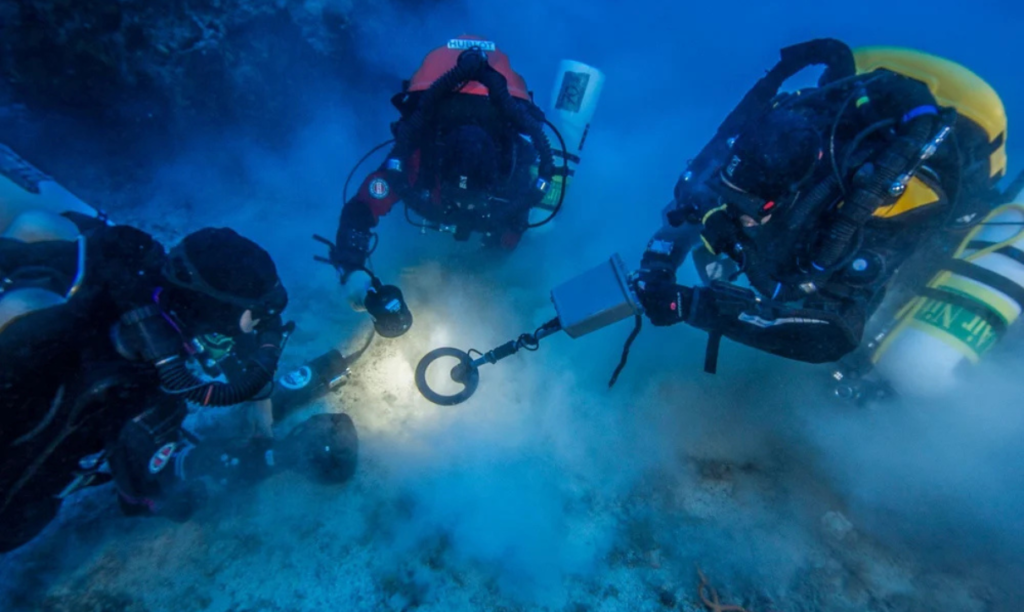
Divers use specialized brushes and hydraulic equipment to remove slime, algae, and barnacles from the hull. Since the vessel remains afloat, operators avoid the costs associated with dry docking.
Many shipping companies schedule Ship Hull Biofouling Removal in Dahej during cargo operations to minimize delays.
Benefits of Diver Cleaning
- No dry docking required
- Lower maintenance costs
- Reduced operational downtime
- Immediate performance improvement
2. ROV-Assisted Hull Cleaning
Remotely Operated Vehicles have become increasingly popular in underwater maintenance.
These systems can access difficult areas of the hull while reducing diver exposure. ROV technology is particularly useful for large vessels and areas with limited visibility.
Several marine contractors now include ROV support as part of Ship Hull Biofouling Removal in Dahej services.
3. Soft Brush Cleaning Systems
Modern antifouling coatings require careful treatment.
Aggressive cleaning methods may damage protective coatings, leading to additional maintenance expenses. Soft brush systems remove marine slime and light fouling while preserving coating integrity.
Container vessels and chemical tankers often benefit from this cleaning approach.
4. High-Pressure Underwater Cleaning
Heavy fouling sometimes requires stronger cleaning techniques.
Barnacles and hard marine deposits can attach firmly to the hull surface. High-pressure equipment removes these organisms efficiently.
Operators should ensure that cleaning procedures comply with environmental and safety requirements.
This method is commonly used during severe biofouling conditions.
5. Propeller Cleaning and Polishing
The propeller plays a major role in vessel efficiency.
Marine growth on propeller blades increases resistance and reduces propulsion performance. Even minor roughness can affect fuel consumption.
Many operators combine propeller polishing with Ship Hull Biofouling Removal in Dahej to achieve maximum performance gains.
Advantages of Propeller Maintenance
- Improved propulsion efficiency
- Reduced vibration
- Lower fuel costs
- Better vessel maneuverability
6. Regular Underwater Inspections
Inspection remains one of the best preventive tools.
Underwater surveys identify early signs of marine growth and coating damage before they become serious problems. Divers examine the hull, rudder, sea chests, and propeller during these inspections.
Inspection reports often include:
- Fouling assessment
- Hull condition
- Coating evaluation
- Maintenance recommendations
Many vessel managers schedule inspections during routine port calls.
7. Advanced Antifouling Coatings
Modern coating systems help reduce marine growth.
Self-polishing and silicone-based coatings create smoother surfaces that discourage organism attachment. Although coatings cannot completely prevent fouling, they reduce cleaning frequency.
Combining quality coatings with regular Ship Hull Biofouling Removal in Dahej provides long-term protection and better operational efficiency.
Operational Challenges During Hull Cleaning
Underwater cleaning operations require careful coordination.
Tidal conditions, visibility, vessel schedules, and port requirements all influence cleaning activities. Safety procedures must also be strictly followed.
Divers and support teams work closely with vessel crews to ensure operations remain safe and efficient.
Experienced marine contractors understand local conditions and can plan work accordingly.
Selecting the Right Service Provider
Choosing a reliable marine service company is important.
Ship owners should evaluate:
- Diving certifications
- Inspection capabilities
- Cleaning equipment
- Safety standards
- Reporting systems
- Industry experience
An experienced provider offering Ship Hull Biofouling Removal in Dahej can help operators improve maintenance planning and vessel efficiency.
Future Trends in Biofouling Management
The shipping industry continues to adopt smarter maintenance practices.
Digital hull monitoring, underwater drones, and environmentally responsible cleaning systems are becoming more common. These technologies help operators make informed maintenance decisions while reducing operational risks.
As fuel efficiency and sustainability gain importance, underwater maintenance will remain a critical aspect of vessel management.
Conclusion
Marine growth develops gradually, but its impact on vessel performance can be substantial. Increased fuel costs, reduced speed, and higher maintenance expenses affect both operations and profitability.
The seven proven methods discussed above provide practical solutions for maintaining hull efficiency. From diver cleaning and propeller polishing to inspections and advanced coatings, every approach contributes to better vessel performance.
For vessels operating in Gujarat’s busy industrial waters, Ship Hull Biofouling Removal in Dahej is no longer just routine maintenance. It is an important strategy for improving efficiency, reducing costs, and protecting valuable marine assets.
FAQs:
Q1. What is ship hull biofouling Removal in Dahej?
Ship hull biofouling Removal in Dahej is the accumulation of marine organisms such as algae, slime, and barnacles on underwater surfaces.
Q2. Why is hull cleaning important in Dahej?
Warm coastal waters and vessel waiting periods accelerate marine growth, increasing fuel consumption and reducing efficiency.
Q3. Can biofouling removal be performed without dry docking?
Yes. Professional divers and ROV systems can clean hulls while vessels remain afloat.
Q4. How often should hull cleaning be performed?
The frequency depends on vessel operations, trading routes, and coating condition, but regular inspections are recommended.
Q5. Does biofouling increase fuel consumption?
Yes. Marine growth increases hull resistance, forcing engines to work harder and consume more fuel.