
Pipavav is one of India’s leading commercial ports, handling container vessels, bulk carriers, tankers, and offshore support ships throughout the year. With vessels frequently operating in warm coastal waters, marine growth on underwater hull surfaces becomes an unavoidable maintenance challenge.
What often starts as a thin layer of slime can quickly develop into heavy fouling made up of algae, barnacles, mussels, and other marine organisms. Left untreated, this buildup increases hull resistance, reduces fuel efficiency, and places additional strain on the vessel’s propulsion system.
This is why Marine Growth Removal in Pipavav has become an essential underwater maintenance service for ship owners and fleet managers. Timely cleaning not only restores vessel performance but also helps extend the lifespan of underwater coatings and equipment.
Understanding Marine Growth on Ship Hulls
Marine growth refers to the accumulation of biological organisms on submerged surfaces of a vessel. The process begins with microscopic bacteria and slime, followed by algae and hard-shell organisms that firmly attach to the hull.
The coastal environment around Pipavav encourages this growth, especially for vessels that remain at anchorage or alongside the berth for extended periods.
Commonly affected areas include:
- Hull plating
- Propellers
- Rudders
- Sea chests
- Thruster tunnels
- Water intake openings
Routine Marine Growth Removal in Pipavav helps prevent these areas from becoming heavily fouled and affecting vessel performance.
Why Marine Growth Removal in Pipavav Matters
Marine growth creates friction between the hull and seawater. As drag increases, engines consume more fuel to maintain the same operating speed.
A container vessel operating regular services between Pipavav and the Middle East experienced a gradual increase in bunker consumption over several voyages. During an underwater inspection, divers found significant barnacle accumulation on the hull and propeller. After professional cleaning, the vessel regained its expected speed and reported noticeable fuel savings.
Situations like this demonstrate why proactive underwater maintenance is far more cost-effective than waiting until performance declines.
1. Improves Fuel Efficiency
Fuel accounts for a substantial portion of vessel operating expenses.
Even light marine fouling increases hydrodynamic resistance. Clean hull surfaces allow water to flow more smoothly, reducing engine workload and improving fuel economy.
Regular Marine Growth Removal in Pipavav helps operators control fuel costs while maintaining voyage schedules.
Fuel Efficiency Benefits
- Lower bunker consumption
- Reduced engine load
- Improved cruising speed
- Better operational efficiency
2. Enhances Vessel Performance
A clean hull performs more efficiently than one covered with marine organisms.
Reduced drag allows vessels to maintain design speed with less power. This improves schedule reliability, particularly for ships operating fixed routes.
Many fleet operators include underwater cleaning as part of their planned maintenance strategy to maintain consistent performance.
3. Protects Hull Coatings
Modern antifouling coatings provide valuable protection against corrosion and marine growth.
However, excessive fouling can damage these coatings over time. If coatings deteriorate, exposed steel surfaces become vulnerable to corrosion.
Professional Marine Growth Removal in Pipavav uses controlled cleaning techniques that remove fouling while preserving coating integrity.
Protecting the coating also reduces future maintenance costs.
4. Extends Propeller Life
Marine deposits do not accumulate only on the hull.
Propeller blades often collect slime and barnacles that reduce propulsion efficiency and create vibration.
A bulk carrier visiting Pipavav recently combined underwater hull cleaning with propeller polishing. After the maintenance work, the vessel’s engineering team reported smoother propulsion and improved fuel performance during subsequent voyages.
Propeller maintenance remains an important part of effective underwater cleaning programs.
5. Reduces Dry Dock Maintenance Costs
Routine underwater cleaning helps identify potential issues before they become major repairs.
Removing marine growth early reduces coating deterioration and allows maintenance teams to detect corrosion, cracks, or mechanical damage during inspections.
Many shipping companies use Marine Growth Removal in Pipavav to reduce the scope of work required during scheduled dry dockings.
Long-Term Cost Advantages
- Lower repair expenses
- Reduced coating replacement
- Fewer emergency maintenance tasks
- Better dry dock planning
Preventive maintenance usually costs less than corrective repairs.
6. Supports Environmental Compliance
The shipping industry continues to focus on sustainability and environmental performance.
Marine growth increases fuel consumption, leading to higher greenhouse gas emissions. Clean hulls improve hydrodynamic efficiency and contribute to lower fuel usage.
Responsible cleaning methods also help minimize environmental impact while complying with port regulations and industry best practices.
7. Increases Operational Reliability
Unexpected performance issues can affect voyage schedules, charter commitments, and customer satisfaction.
Regular underwater cleaning reduces the likelihood of propulsion inefficiencies caused by heavy fouling.
Ship operators working through Pipavav often schedule underwater cleaning during cargo operations to avoid unnecessary downtime and maintain operational continuity.
Reliable vessel performance benefits both ship owners and charterers.
Choosing the Right Marine Growth Removal in Pipavav Service
Selecting an experienced underwater service provider is essential.
Ship owners should consider:
- Certified commercial diving teams
- Modern underwater cleaning equipment
- Experience with different vessel types
- Detailed inspection reporting
- Compliance with environmental standards
- Strong safety management procedures
A reliable contractor providing Marine Growth Removal in Pipavav understands local port conditions and recommends the most suitable cleaning method for each vessel.
Modern Technologies Supporting Underwater Cleaning
Technology has significantly improved underwater maintenance.
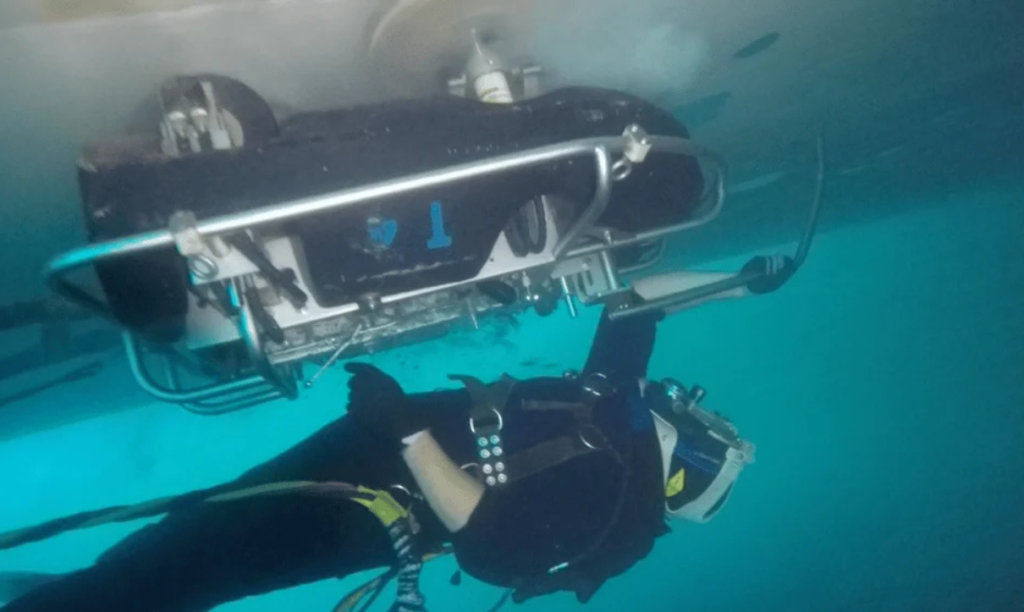
Many marine service providers now use remotely operated vehicles (ROVs), underwater cameras, and digital reporting systems to support inspections before and after cleaning.
These tools provide clear visual records that help technical managers monitor hull condition and plan future maintenance.
Combined with advanced antifouling coatings, modern cleaning methods deliver longer-lasting results and greater operational efficiency.
Conclusion
Marine growth may develop gradually, but its effects on vessel performance become increasingly expensive over time. Higher fuel consumption, increased engine load, coating deterioration, and reduced speed all impact operational efficiency.
The seven proven benefits discussed above demonstrate why Marine Growth Removal in Pipavav has become an important part of modern vessel maintenance. Regular underwater cleaning improves fuel efficiency, protects hull coatings, extends equipment life, and supports long-term cost savings.
For vessels operating through Pipavav’s busy shipping corridor, proactive underwater maintenance is more than a routine task. It is a practical investment in vessel performance, reliability, and long-term operational success.
FAQs:
Q1. What is marine growth on a ship hull?
Marine growth includes algae, slime, barnacles, mussels, and other organisms that attach to underwater surfaces and increase hull resistance.
Q2. Why is marine growth removal in Pipavav important?
It improves fuel efficiency, protects hull coatings, reduces corrosion risks, and enhances overall vessel performance.
Q3. Can marine growth be removed without dry docking?
Yes. Professional divers can perform underwater cleaning while the vessel remains afloat, minimizing operational downtime.
Q4. How often should vessels undergo marine growth removal in Pipavav?
The frequency depends on vessel trading routes, operating conditions, and antifouling coating performance, but regular inspections are recommended.
Q5. Does marine growth affect fuel consumption?
Yes. Marine fouling increases hydrodynamic drag, causing engines to work harder and consume more fuel.