Pipavav has established itself as one of India’s major commercial ports, serving container ships, bulk carriers, tankers, and offshore support vessels. As ships spend more time operating in seawater, protecting the underwater hull becomes one of the most important aspects of vessel maintenance.
The hull coating is the vessel’s first line of defense against corrosion, marine growth, and environmental wear. When this protective layer begins to deteriorate, even small defects can develop into expensive structural repairs if left unnoticed.
This is why Underwater Paint Condition Inspection in Pipavav has become an essential service for ship owners, technical managers, and marine operators. Regular underwater inspections help detect coating issues early, allowing maintenance teams to take corrective action before significant damage occurs.
Why Underwater Paint Condition Inspection in Pipavav Matters
A vessel’s underwater coating continuously faces harsh operating conditions. Saltwater, marine organisms, sediment, vessel movement, and mechanical contact gradually affect coating performance.
Most coating failures begin below the waterline, making them difficult to identify during routine onboard inspections.
A bulk carrier operating between the Arabian Gulf and India’s west coast recently scheduled an underwater inspection while calling at Pipavav. Divers discovered localized coating damage near the flat bottom and rudder area. Since the issue was detected early, temporary repairs were completed, preventing corrosion from spreading before the vessel’s next dry docking.
Situations like this highlight the value of regular Underwater Paint Condition Inspection in Pipavav.
Common Causes of Underwater Coating Damage
Protective coatings can deteriorate for several reasons.
Some of the most common causes include:
- Marine growth accumulation
- Abrasion from seabed sediments
- Mechanical impact
- Aging coating systems
- Propeller wash
- Cavitation damage
- Improper surface preparation during previous repairs
Understanding these factors helps ship operators develop better maintenance strategies.
1. Inspect Hull Coating Integrity
The first step during an underwater inspection is evaluating the overall condition of the coating.
Divers or remotely operated vehicles carefully examine the hull surface for signs of:
- Paint breakdown
- Peeling
- Cracking
- Blistering
- Rust staining
A detailed Underwater Paint Condition Inspection in Pipavav helps determine whether localized repairs or complete recoating will eventually be required.
Benefits of Early Coating Assessment
- Prevents corrosion
- Extends coating life
- Reduces repair costs
- Improves maintenance planning
Early detection almost always reduces long-term maintenance expenses.
2. Examine High-Wear Areas
Not every part of the hull experiences the same level of stress.
Certain locations require more detailed attention because they are exposed to higher mechanical loads and water turbulence.
Areas That Need Special Inspection
Sea Chests
Continuous water flow often causes fouling and coating deterioration.
Rudder and Stern Areas
Constant movement and turbulence increase wear around these components.
Flat Bottom Sections
These areas may experience abrasion from sediments and marine growth accumulation.
Inspecting these locations is an important part of Underwater Paint Condition Inspection in Pipavav.
3. Assess Corrosion Risks
Coating damage frequently exposes steel surfaces to seawater.
Even small defects can initiate corrosion that gradually spreads beneath surrounding coatings.
Professional inspectors carefully identify:
- Surface corrosion
- Pitting
- Rust streaks
- Coating delamination
Early intervention helps prevent costly steel renewal work during dry docking.
4. Evaluate Marine Growth Impact
Marine organisms affect more than vessel efficiency.
Heavy fouling may also damage protective coatings by increasing mechanical stress during cleaning or natural movement.
An offshore support vessel operating from Gujarat recently underwent underwater inspection before scheduled maintenance. Inspectors identified moderate fouling together with localized coating wear near the sea chest area.
The maintenance team combined underwater cleaning with minor coating repairs, avoiding larger maintenance costs later.
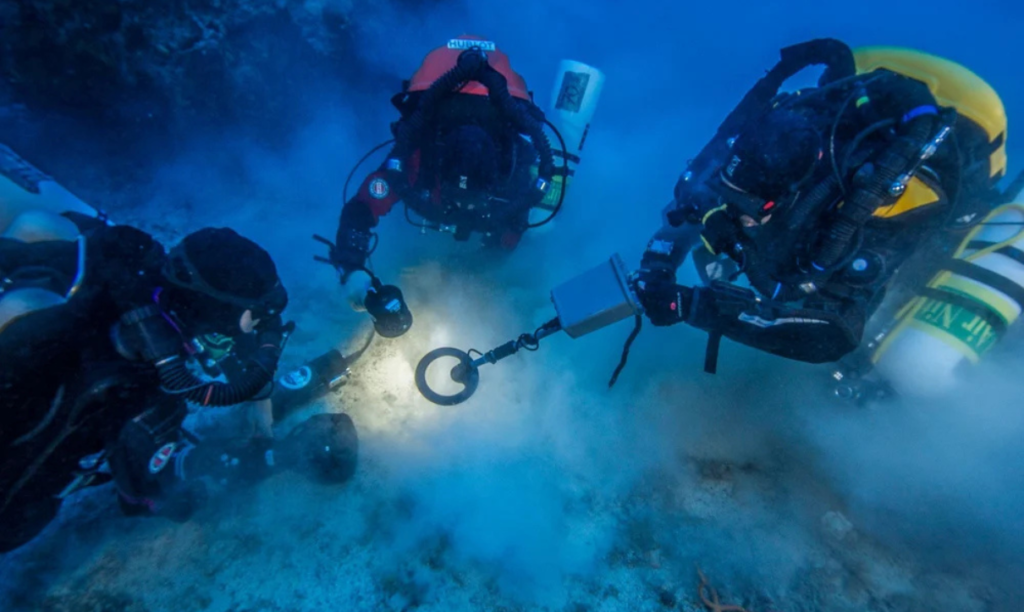
5. Use High-Definition Underwater Imaging
Modern inspection technology provides far more than written reports.
Divers and ROV operators now capture high-resolution photographs and videos of underwater structures.
Visual documentation allows technical managers to:
- Compare coating condition over time
- Review inspection findings remotely
- Plan future maintenance accurately
- Maintain detailed maintenance records
Many operators now request digital reports after every Underwater Paint Condition Inspection in Pipavav.
6. Monitor Propeller and Rudder Coatings
Although hull coatings receive most attention, propellers and rudder components should also be inspected.
These areas experience continuous water movement and mechanical forces.
Inspectors evaluate:
- Paint condition
- Corrosion
- Marine deposits
- Mechanical damage
Maintaining these components contributes to better propulsion efficiency and vessel reliability.
Maintenance Advantages
- Improved equipment lifespan
- Better propulsion performance
- Reduced repair frequency
- Enhanced operational efficiency
7. Plan Preventive Maintenance
Inspection alone is not enough.
The information collected during underwater surveys should guide future maintenance decisions.
Many ship operators schedule hull cleaning, coating touch-ups, and propeller polishing immediately after inspection findings are reviewed.
Preventive maintenance almost always proves more economical than emergency repairs.
For this reason, Underwater Paint Condition Inspection in Pipavav plays an important role in long-term asset management.
Choosing the Right Inspection Partner
Selecting an experienced underwater inspection company makes a significant difference.
Ship owners should evaluate:
- Certified commercial divers
- ROV inspection capability
- High-definition imaging equipment
- Detailed inspection reporting
- Marine industry experience
- Strong safety procedures
Experienced service providers understand local port conditions and recommend inspection methods suited to each vessel.
Technology Is Improving Underwater Inspections
The maritime industry continues adopting advanced digital technologies.
ROVs, underwater drones, digital reporting platforms, and AI-assisted image analysis now support more accurate inspections.
Combined with predictive maintenance software, these technologies help vessel managers identify coating deterioration before operational problems develop.
As shipping companies focus on efficiency and sustainability, underwater inspections will continue evolving.
Conclusion
Protective coatings play a vital role in preserving vessel integrity. Once coating failures begin, corrosion and structural damage can develop quickly if left untreated.
The seven expert checks discussed above provide a practical framework for maintaining underwater hull coatings. Regular Underwater Paint Condition Inspection in Pipavav helps ship owners detect coating damage early, reduce maintenance costs, improve vessel performance, and extend the life of valuable marine assets.
For vessels operating through Pipavav, underwater paint inspections have become more than routine maintenance. They are an essential part of responsible asset management and long-term operational efficiency.
FAQs:
Q1. What is an underwater paint condition inspection in Pipavav?
It is a detailed underwater assessment that evaluates the condition of hull coatings, identifies damage, and detects early signs of corrosion.
Q2. Why is underwater paint inspection important?
It helps identify coating failures before corrosion spreads, reducing repair costs and protecting the vessel’s structural integrity.
Q3. Can inspections be performed without dry docking?
Yes. Professional divers and ROV systems can perform inspections while the vessel remains afloat.
Q4. How often should underwater paint inspections be conducted?
Most vessel operators schedule inspections between dry dockings or during routine port calls, depending on trading patterns and coating performance.
Q5. What issues can underwater paint inspections identify?
Inspections can detect coating breakdown, corrosion, marine growth, mechanical damage, blistering, cracking, and areas requiring preventive maintenance.