
Mumbai is one of India’s busiest commercial ports, handling thousands of vessel movements every year. Container ships, oil tankers, bulk carriers, offshore support vessels, and coastal cargo ships spend considerable time navigating and waiting in coastal waters where marine organisms grow rapidly.
Even a thin layer of marine slime can affect a vessel’s performance. If left unchecked, it gradually develops into heavy biofouling that increases fuel consumption, reduces speed, and places additional strain on propulsion systems.
This is why Hull Fouling Inspection in Mumbai has become an important part of preventive ship maintenance. Regular underwater inspections allow ship owners to assess marine growth before it causes operational problems or leads to expensive repairs.
What Is Hull Fouling Inspection?
Hull fouling inspection is the underwater examination of a vessel’s submerged surfaces to identify marine growth, coating condition, corrosion, and structural issues.
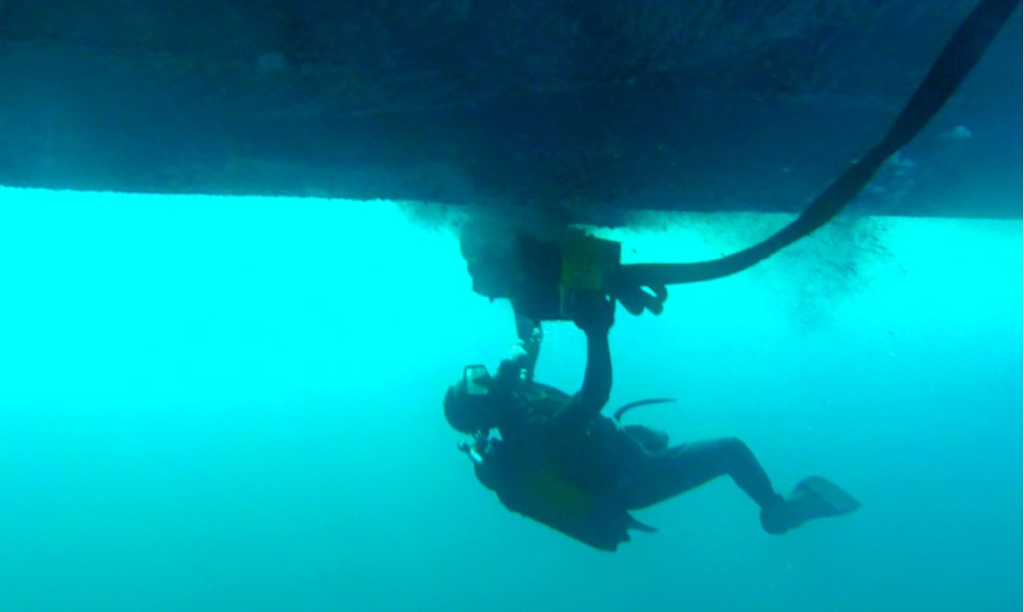
Professional commercial divers or remotely operated vehicles (ROVs) inspect critical underwater areas while the vessel remains afloat. High-definition images and video recordings provide technical managers with a clear understanding of the hull’s condition.
A typical Hull Fouling Inspection in Mumbai includes:
- Hull plating
- Propellers
- Rudders
- Sea chests
- Thruster tunnels
- Bilge keels
- Antifouling coatings
The inspection helps determine whether underwater cleaning or repairs are required.
Why Hull Fouling Inspection Matters
Marine growth develops gradually, making it difficult to detect without underwater examination.
A container vessel operating between Mumbai and ports in Southeast Asia recently reported increasing fuel consumption despite normal engine performance. During a scheduled underwater inspection, divers found extensive barnacle growth across the hull and propeller. Following underwater cleaning, the vessel returned to its expected operating efficiency.
Situations like this highlight the value of routine Hull Fouling Inspection in Mumbai.
1. Check the Level of Marine Growth
The first objective of any hull inspection is to evaluate marine fouling.
Inspectors identify:
- Slime layers
- Algae
- Barnacles
- Mussels
- Shell deposits
Understanding the severity of fouling helps determine the most appropriate cleaning method.
Why This Check Is Important
- Supports maintenance planning
- Improves cleaning efficiency
- Prevents excessive fouling
- Protects vessel performance
Early detection reduces long-term maintenance costs.
2. Assess Hull Coating Condition
Modern antifouling coatings are designed to reduce marine growth and protect steel surfaces.
During Hull Fouling Inspection in Mumbai, inspectors carefully examine coating performance, looking for:
- Peeling
- Abrasion
- Surface damage
- Coating breakdown
Identifying coating deterioration early helps prevent corrosion and extends coating life.
3. Inspect Propeller Condition
Propellers are particularly vulnerable to marine deposits and surface damage.
Even small amounts of fouling reduce propulsion efficiency and increase fuel consumption.
During inspection, divers assess:
- Marine growth
- Blade condition
- Surface roughness
- Cavitation damage
Many ship operators combine hull inspection with propeller polishing to maximize operational efficiency.
4. Examine Sea Chests and Water Intakes
Sea chests supply seawater to critical onboard systems.
Marine organisms frequently accumulate inside intake gratings, restricting cooling water flow and increasing the risk of equipment overheating.
A tanker berthed in Mumbai recently experienced reduced seawater flow alarms during cargo operations. Underwater inspection revealed heavy barnacle growth inside the sea chest. Divers removed the fouling before the blockage caused more serious mechanical problems.
Routine inspection helps avoid similar operational disruptions.
Sea Chest Inspection Covers
- Marine fouling
- Intake blockages
- Grating condition
- Structural damage
Maintaining seawater flow supports reliable vessel operation.
5. Detect Early Signs of Corrosion
Corrosion often develops beneath damaged coatings or around marine growth.
Professional inspectors look for:
- Surface corrosion
- Rust formation
- Metal deterioration
- Pitting
Early detection allows maintenance teams to address minor corrosion before structural repairs become necessary.
Routine Hull Fouling Inspection in Mumbai helps preserve hull integrity and reduce repair costs.
6. Evaluate Structural Condition
Hull inspections provide an opportunity to assess the vessel’s underwater structure.
Inspectors examine:
- Weld areas
- Bilge keels
- Rudders
- Thruster tunnels
- Hull plating
Although the primary focus is marine fouling, structural observations often reveal damage requiring future maintenance.
Accurate inspection reports support informed maintenance planning.
7. Document Findings for Preventive Maintenance
Modern inspections produce detailed photographic and video records.
These reports allow technical managers to compare hull condition over time, monitor coating performance, and schedule maintenance based on actual vessel condition.
Professional Hull Fouling Inspection in Mumbai services often include digital reporting with annotated images and maintenance recommendations.
Reliable documentation supports long-term asset management.
Choosing the Right Inspection Partner
The quality of underwater inspection depends on the experience and equipment of the service provider.
Ship owners should evaluate companies based on:
- Certified commercial divers
- ROV inspection capability
- High-definition underwater cameras
- Comprehensive reporting
- Safety management systems
- Experience with commercial vessels
An experienced inspection team understands local port conditions and delivers reliable assessments that support efficient maintenance planning.
Technology Is Improving Hull Inspections
Modern underwater inspection technology has advanced significantly.
ROVs equipped with HD cameras, underwater lighting, sonar systems, and digital reporting software now provide highly detailed assessments without requiring extensive diver intervention.
Some operators also integrate inspection reports into planned maintenance systems, allowing fleet managers to monitor hull condition across multiple vessels.
These technologies help reduce maintenance uncertainty while improving operational efficiency.
Conclusion
Marine fouling develops naturally, but its impact on vessel performance can become significant if left unchecked. Increased fuel consumption, coating damage, reduced speed, and cooling system problems often begin with underwater growth that remains unnoticed.
The seven expert checks discussed above demonstrate why Hull Fouling Inspection in Mumbai is an essential maintenance practice for commercial shipping. Regular inspections help identify marine growth early, protect hull coatings, improve maintenance planning, and reduce long-term operating costs.
For vessels operating through Mumbai’s busy port facilities, investing in professional hull fouling inspections supports efficient operations, protects valuable marine assets, and contributes to safer, more reliable voyages.
FAQs:
Q1. What is hull fouling inspection?
Hull fouling inspection is the underwater examination of a vessel to assess marine growth, hull coatings, corrosion, and underwater structural condition.
Q2. Why is hull fouling inspection important?
It helps detect marine growth early, improves fuel efficiency, protects hull coatings, and supports preventive maintenance.
Q3. Can hull fouling inspection be performed without dry docking?
Yes. Professional divers and ROV systems can inspect the hull while the vessel remains afloat.
Q4. How often should hull fouling inspections be carried out?
Inspection frequency depends on vessel trading routes and operating conditions, but regular underwater surveys are recommended.
Q5. What equipment is used during hull fouling inspections?
Commercial divers, remotely operated vehicles (ROVs), underwater cameras, lighting systems, and digital reporting tools are commonly used.