
Jawaharlal Nehru Port Authority (JNPT) is India’s largest container port and a vital hub for international shipping. Every day, container vessels, bulk carriers, tankers, and feeder ships call at the port to handle cargo on tight schedules. For ship owners and operators, maintaining peak propulsion efficiency is essential to keeping operating costs under control and ensuring timely voyages.
One underwater component plays a major role in a vessel’s performance—the propeller. Even a small amount of marine growth or surface roughness on the propeller can reduce efficiency, increase fuel consumption, and place additional strain on the engine.
This is why Propeller Polishing in JNPT has become an important maintenance service. Professional underwater polishing restores a smooth propeller surface, helping vessels operate more efficiently while avoiding unnecessary downtime.
What Is Propeller Polishing in JNPT?
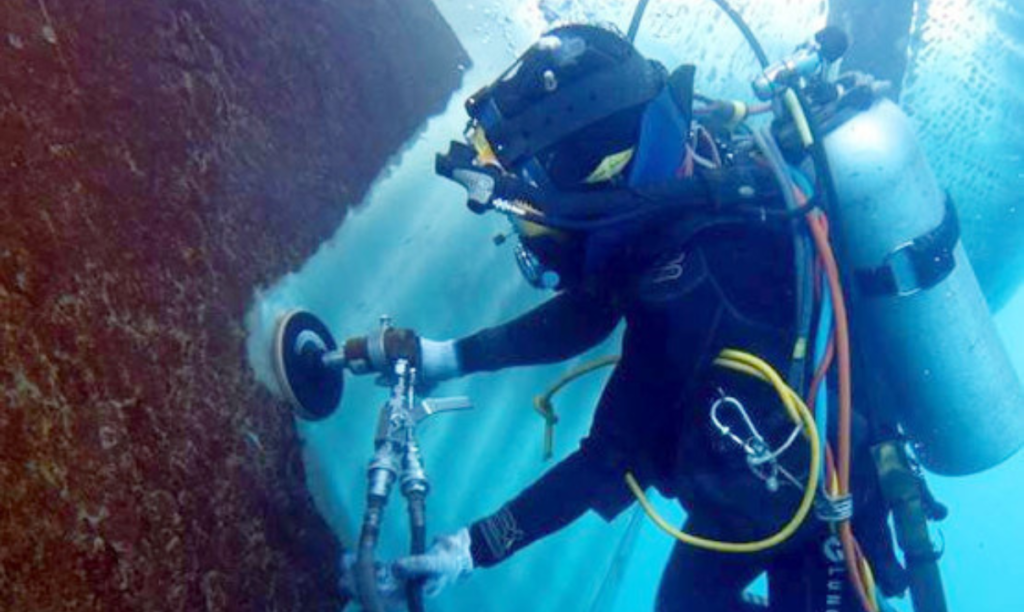
Propeller polishing in JNPT is the process of cleaning and polishing a ship’s propeller below the waterline while the vessel remains afloat. Certified commercial divers use specialized underwater tools to remove marine growth, mineral deposits, oxidation, and surface roughness without damaging the propeller.
A professional Propeller Polishing in JNPT service typically includes:
- Removal of marine fouling
- Elimination of scale and deposits
- Surface polishing
- Visual inspection of propeller blades
- Assessment for damage or cavitation
- Underwater photo and video documentation
The objective is to restore the propeller’s smooth finish and improve hydrodynamic performance.
Why Propeller Maintenance Is Important
A ship’s propeller transfers engine power into thrust. When the propeller surface becomes rough due to fouling or corrosion, water flow is disrupted, reducing propulsion efficiency.
For example, a feeder vessel operating between JNPT and ports in the Middle East noticed a gradual increase in fuel consumption over several voyages. During an underwater maintenance visit, commercial divers polished the propeller and removed barnacle deposits from the blades. The engineering team later reported smoother vessel handling and improved fuel performance.
Real-world examples like this show why Propeller Polishing in JNPT is considered a valuable preventive maintenance practice.
1. Improves Fuel Efficiency
One of the most significant benefits of propeller polishing in JNPT is reduced fuel consumption.
A smooth propeller creates less resistance as it rotates through the water, allowing the propulsion system to operate more efficiently.
Professional Propeller Polishing in JNPT helps restore the original hydrodynamic characteristics of the propeller, reducing engine workload and bunker consumption.
Fuel Efficiency Benefits
- Lower fuel costs
- Reduced engine load
- Improved propulsion efficiency
- Better voyage economy
Even modest fuel savings can produce substantial cost reductions across an entire fleet.
2. Restores Propulsion Performance
Marine growth and surface roughness reduce thrust generation.
As the propeller becomes fouled, the vessel may experience slower acceleration, reduced speed, and less responsive maneuvering.
Routine propeller polishing in JNPT restores smooth water flow over the blades, improving propulsion performance and vessel handling.
Ships operating on fixed schedules particularly benefit from consistent propulsion efficiency.
3. Reduces Engine Stress
A fouled propeller requires the engine to generate more power to maintain service speed.
Over time, this additional load increases wear on propulsion machinery and may contribute to higher maintenance requirements.
Routine Propeller Polishing in JNPT helps reduce unnecessary mechanical stress, supporting long-term engine reliability.
Preventive maintenance often extends the service life of propulsion equipment.
4. Prevents Marine Growth Build-Up
Marine organisms such as slime, algae, and barnacles quickly attach to underwater metal surfaces.
Regular polishing removes these deposits before they become firmly established.
A bulk carrier preparing for an international voyage recently combined hull cleaning with propeller polishing in JNPT while berthed at JNPT. The maintenance team reported improved propulsion efficiency immediately after departure, highlighting the value of integrated underwater maintenance.
Marine Growth Control
- Removes barnacles
- Eliminates algae
- Reduces slime accumulation
- Restores smooth blade surfaces
Keeping the propeller clean improves overall vessel efficiency.
5. Supports Preventive Maintenance
Propeller polishing provides an opportunity to inspect the propeller during cleaning.
Commercial divers evaluate:
- Blade condition
- Surface wear
- Cavitation damage
- Corrosion
- Mechanical defects
Professional Propeller Polishing in JNPT often includes underwater photographs and inspection reports that help technical managers plan future maintenance.
Early detection reduces the risk of unexpected repairs.
6. Reduces Dry Dock Dependency
Routine underwater maintenance minimizes the amount of work required during scheduled dry dock visits.
By maintaining the propeller in good condition throughout the operating cycle, ship owners reduce cleaning time and improve maintenance planning during major overhauls.
Regular underwater polishing also supports more efficient dry dock scheduling and budgeting.
Preventive care delivers long-term operational value.
7. Improves Overall Vessel Performance
Propeller efficiency influences the entire propulsion system.
A clean, polished propeller contributes to:
- Better fuel economy
- Stable operating speeds
- Reduced vibration
- Improved maneuverability
- Lower operating costs
Routine Propeller Polishing in JNPT helps vessels maintain reliable performance throughout demanding trading schedules.
For commercial shipping companies, consistent propulsion efficiency supports both operational and financial performance.
Choosing the Right Propeller Polishing Service
Selecting an experienced underwater service provider is essential.
Ship owners should consider companies offering:
- Certified commercial divers
- Modern underwater polishing equipment
- High-definition inspection reporting
- Strong safety management systems
- Environmental compliance
- Experience with commercial vessel propellers
A qualified contractor understands different propeller materials and polishing techniques, ensuring effective cleaning without damaging the blade surface.
Technology Is Improving Underwater Propeller Maintenance
Modern underwater maintenance continues to evolve with new technologies.
Today’s propeller polishing services often incorporate HD underwater cameras, ROV-assisted inspections, digital reporting platforms, and precision polishing tools. These technologies allow operators to verify polishing quality and monitor propeller condition over time.
Digital inspection records also help fleet managers compare performance between maintenance intervals and optimize maintenance schedules.
Conclusion
A ship’s propeller is one of the most important components affecting fuel efficiency and overall vessel performance. Even minor marine growth or surface roughness can reduce propulsion efficiency and increase operating costs.
The seven proven benefits discussed above demonstrate why Propeller Polishing in JNPT is an essential maintenance practice for commercial vessels. Regular polishing improves fuel economy, restores propulsion efficiency, reduces engine stress, and supports long-term equipment reliability.
For ship owners operating through JNPT, investing in professional propeller polishing helps maintain efficient vessel operations, reduce maintenance costs, and improve overall fleet performance.
FAQs:
Q1. What is propeller polishing?
Propeller polishing is the underwater cleaning and smoothing of a ship’s propeller to remove marine growth, oxidation, and surface deposits while the vessel remains afloat.
Q2. Why is propeller polishing important?
It improves propulsion efficiency, reduces fuel consumption, minimizes engine load, and enhances overall vessel performance.
Q3. Can propeller polishing be performed without dry docking?
Yes. Certified commercial divers can polish the propeller underwater while the vessel remains alongside or at anchorage.
Q4. How often should propeller polishing be carried out?
The frequency depends on trading routes, operating conditions, and marine growth levels, but regular inspections are recommended.
Q5. Does propeller polishing improve fuel efficiency?
Yes. A smooth, clean propeller reduces hydrodynamic resistance, allowing the propulsion system to operate more efficiently and lowering fuel consumption.