Dighi Port has steadily grown into an important maritime hub on India’s western coast, handling bulk carriers, tankers, offshore support vessels, and coastal cargo ships. With vessel schedules becoming tighter and operating costs continuing to rise, shipping companies are looking for smarter ways to complete mandatory underwater inspections without interrupting commercial operations. This is where UWILD Inspection in Dighi has become an increasingly valuable solution.
Underwater Inspection in Lieu of Drydocking (UWILD) allows eligible vessels to undergo underwater surveys while remaining afloat. Instead of taking a ship into dry dock for routine underwater examinations, certified commercial divers and remotely operated vehicles (ROVs) inspect critical underwater components under approved procedures. This approach saves valuable time while maintaining the high inspection standards expected by classification societies.
For shipowners and fleet managers, UWILD Inspection in Dighi offers a practical balance between regulatory compliance, operational efficiency, and cost control.
What is UWILD Inspection?
UWILD Inspection in Dighi is a structured underwater survey performed instead of a scheduled dry dock inspection, provided the vessel meets the eligibility criteria established by its classification society. The inspection evaluates the condition of submerged structures while the ship remains afloat in a safe operating environment.
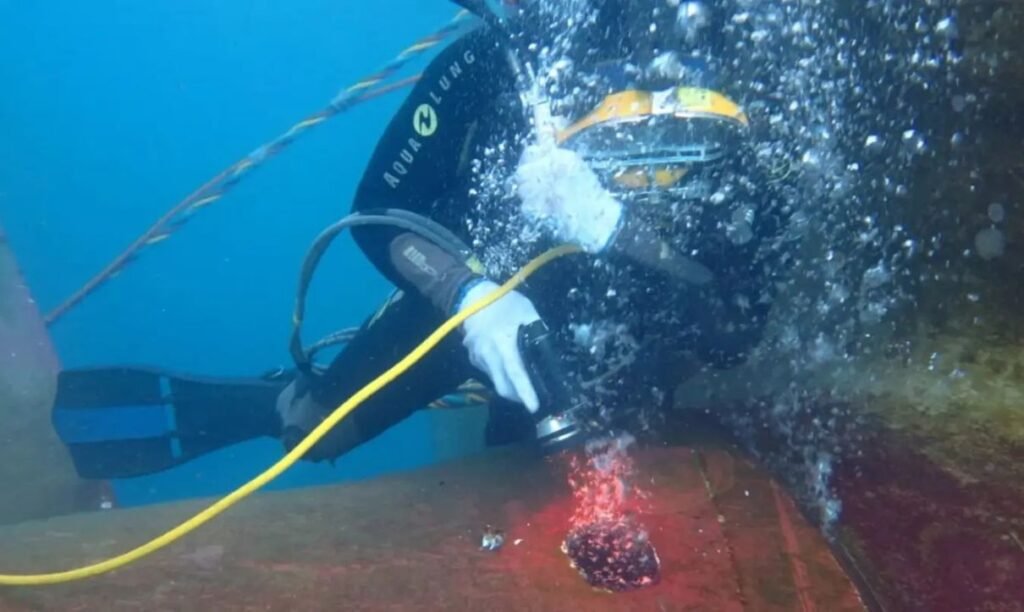
During the inspection, certified divers or ROV operators examine the hull, propeller, rudder, sea chests, thrusters, intake gratings, sacrificial anodes, and other underwater equipment. High-definition videos, photographs, and inspection reports are recorded to provide technical managers with a complete assessment of the vessel’s underwater condition.
The result is a reliable inspection process that supports maintenance planning without unnecessary operational delays.
Why Dighi is an Ideal Location for UWILD Inspection
Dighi serves vessels operating along India’s western coastline and international trade routes. Many ships spend only a limited time alongside the berth, making efficient maintenance services especially valuable.
Choosing UWILD Inspection in Dighi allows operators to combine underwater inspections with cargo loading, unloading, or bunkering operations. Rather than scheduling an additional dry dock visit, vessel owners receive accurate inspection data during an already planned port stay.
This flexibility helps reduce operational interruptions while improving fleet utilization.
1. Reduces Dry Dock Dependency
One of the biggest advantages of UWILD Inspection in Dighi is that eligible vessels may complete approved underwater inspections without entering dry dock.
For example, a bulk carrier arriving in Dighi to discharge cargo can undergo a UWILD survey while remaining afloat. If the vessel satisfies applicable class requirements, operators can continue the voyage without scheduling an immediate dry dock inspection.
This approach reduces both maintenance costs and operational disruptions.
2. Minimizes Vessel Downtime
Every day spent in dry dock represents lost commercial opportunities. Charter schedules, cargo commitments, and voyage planning all depend on vessel availability.
Professional UWILD Inspection in Dighi helps minimize downtime by allowing underwater inspections to take place during normal port operations. Cargo handling often continues while certified inspection teams complete underwater assessments.
This efficient scheduling allows shipping companies to maximize vessel productivity.
3. Supports Classification Society Compliance
Classification societies permit UWILD inspections for eligible vessels when approved procedures and documentation requirements are followed.
A professional UWILD Inspection in Dighi includes detailed underwater videos, high-resolution photographs, inspection reports, and technical observations that support class surveys and regulatory reviews.
Experienced marine inspection companies understand these requirements and work closely with vessel operators to ensure proper documentation.
4. Provides Accurate Underwater Assessment
Modern underwater inspection technology delivers detailed information about submerged structures without requiring dry docking.
During UWILD Inspection in Dighi, certified divers and ROV systems inspect hull coatings, propellers, rudders, sea chests, thrusters, weld seams, and structural components for corrosion, coating deterioration, marine growth, or physical damage.
Accurate inspection results enable technical managers to make maintenance decisions based on actual vessel condition rather than assumptions.
5. Detects Problems Before They Escalate
Small underwater defects can gradually become major repair projects if left unnoticed. Corrosion, loose sacrificial anodes, damaged coatings, marine growth, or minor propeller defects often begin as manageable maintenance issues.
Routine UWILD Inspection in Dighi helps identify these problems early, allowing repairs to be scheduled before they affect vessel safety or operational performance.
For instance, a tanker operating regular coastal voyages may discover localized coating damage during a UWILD inspection. Prompt repairs prevent the corrosion from spreading and help avoid more expensive maintenance later.
6. Reduces Long-Term Maintenance Costs
Condition-based maintenance has become standard practice throughout the shipping industry. Instead of replacing components according to fixed schedules, operators increasingly rely on inspection data to determine actual maintenance requirements.
Regular UWILD Inspection in Dighi provides the reliable information needed to prioritize repairs efficiently. Maintenance budgets can then focus on components that genuinely require attention.
Over time, this strategy helps lower repair costs while extending the service life of underwater equipment.
7. Creates Reliable Maintenance Documentation
Every UWILD inspection generates valuable technical records that support long-term asset management.
Following UWILD Inspection in Dighi, operators receive comprehensive reports containing underwater photographs, high-definition videos, inspection findings, and maintenance recommendations.
These documents become part of the vessel’s maintenance history and help technical managers monitor structural changes across multiple inspection cycles.
Technologies Used During UWILD Inspection
High-Definition Underwater Cameras
Modern underwater cameras capture detailed images of submerged structures, coating conditions, corrosion, marine growth, and mechanical components.
The high-quality recordings provide engineers with clear visual evidence that supports technical assessments and maintenance planning.
Remotely Operated Vehicles (ROVs)
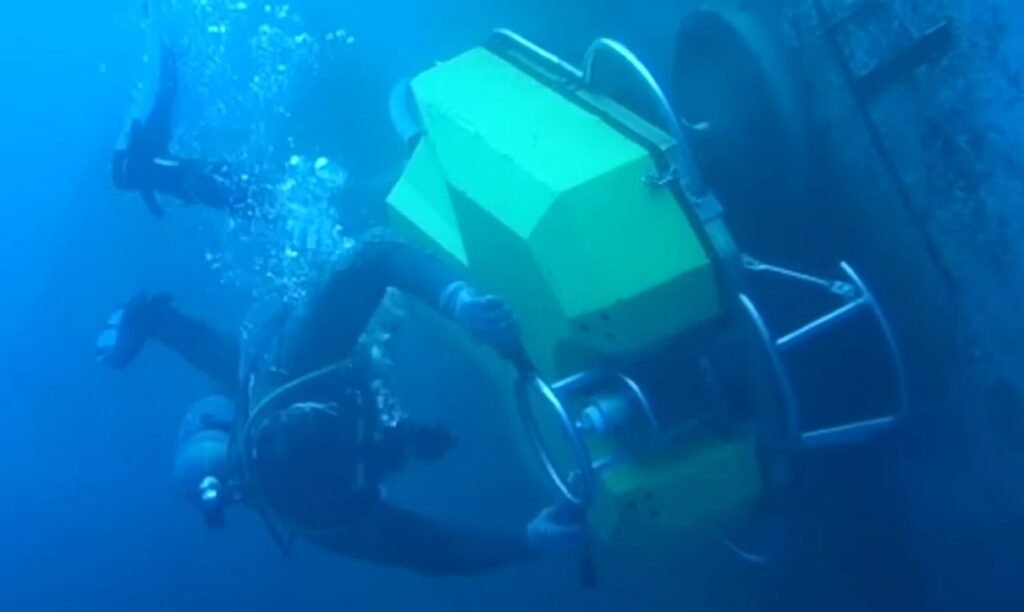
ROVs have become an important part of modern UWILD Inspection in Dighi services. These remotely controlled systems inspect confined spaces and difficult underwater areas while transmitting live video to engineers on the surface.
ROVs improve inspection efficiency and reduce diver exposure in challenging underwater environments.
Digital Inspection Reports
After completing UWILD Inspection in Dighi, marine service providers prepare detailed digital reports containing inspection summaries, underwater videos, photographs, and maintenance recommendations.
These reports support classification surveys, insurance documentation, internal maintenance planning, and future vessel inspections.
Choosing the Right UWILD Inspection Provider in Dighi
Selecting an experienced marine inspection company is critical for obtaining accurate and reliable results. Shipowners should choose providers with certified commercial divers, experienced ROV operators, modern underwater equipment, and extensive knowledge of classification requirements.
A qualified contractor provides more than underwater footage. They explain inspection findings, identify maintenance priorities, and recommend practical solutions that support long-term vessel reliability.
Working with professionals familiar with Dighi’s operating environment also helps ensure inspections are completed safely and efficiently.
Conclusion
UWILD Inspection in Dighi has become one of the most effective solutions for commercial vessel owners seeking reliable underwater inspections while minimizing operational interruptions. By combining advanced underwater technology with experienced marine professionals, shipowners can assess submerged structures accurately without unnecessary dry docking.
From reducing downtime and maintenance costs to supporting classification compliance and improving preventive maintenance, UWILD Inspection in Dighi delivers long-term operational value. As shipping companies continue focusing on efficiency, safety, and asset protection, regular UWILD inspections remain an essential part of modern vessel maintenance strategies.
FAQs:
Q1. What is UWILD Inspection in Dighi?
UWILD Inspection in Dighi is an underwater inspection performed in lieu of dry docking for eligible vessels. It evaluates underwater structures while the vessel remains afloat and follows approved classification society procedures.
Q2. Which parts of the vessel are inspected during UWILD?
The inspection generally includes the hull, propeller, rudder, sea chests, thrusters, sacrificial anodes, intake gratings, weld seams, and other critical underwater components.
Q3. Can UWILD Inspection replace every dry docking requirement?
No. UWILD Inspection in Dighi may replace specific underwater inspections for eligible vessels only when approved by the vessel’s classification society and carried out according to applicable regulations.
Q4. How long does UWILD Inspection usually take?
The inspection duration depends on vessel size, inspection scope, underwater visibility, and class requirements. Many inspections can be completed during a routine port stay without affecting commercial operations.
Q5. Why should shipowners choose UWILD Inspection in Dighi?
Choosing UWILD Inspection in Dighi helps reduce downtime, lower maintenance costs, improve underwater condition monitoring, support classification compliance, and provide accurate inspection reports for better long-term vessel management.