Mormugao Port is one of India’s busiest maritime gateways, serving bulk carriers, oil tankers, offshore support vessels, container feeders, and coastal cargo ships throughout the year. With vessels operating continuously in warm coastal waters, marine growth can build up quickly on submerged hull surfaces. This is where Hull Fouling Inspection in Mormugao becomes an essential part of preventive vessel maintenance.
Marine fouling starts with a thin layer of slime but gradually develops into algae, barnacles, mussels, and other marine organisms. As these deposits spread across the hull, they increase hydrodynamic resistance, forcing the vessel to consume more fuel while reducing operational efficiency. Waiting until the next dry docking often allows fouling to become much more severe.
Professional Hull Fouling Inspection in Mormugao helps shipowners identify the extent of marine growth early. With timely inspections, vessel operators can plan underwater hull cleaning or maintenance before fouling begins affecting fuel consumption, vessel speed, and operating costs.
What is Hull Fouling Inspection?
Hull Fouling Inspection in Mormugao is a professional underwater assessment carried out by certified commercial divers or remotely operated vehicles (ROVs). The inspection evaluates the condition of the vessel’s underwater hull, identifying slime, algae, barnacles, mussels, shell growth, coating condition, corrosion, and other underwater issues.
The process typically includes high-definition video recording, underwater photography, and a detailed inspection report. This information allows technical managers to assess fouling severity and determine whether underwater cleaning or additional maintenance is required.
Routine inspections provide valuable insight into the overall health of the underwater hull.
Why Hull Fouling Inspection is Important in Mormugao
The coastal waters around Mormugao provide an ideal environment for marine organisms to attach to submerged hull surfaces. Vessels operating frequently along India’s west coast or remaining at anchorage for extended periods often experience faster biofouling than expected.
Scheduling Hull Fouling Inspection in Mormugao enables shipowners to monitor hull condition regularly rather than relying on assumptions. Early identification of fouling allows maintenance teams to take corrective action before efficiency declines significantly.
This preventive approach helps maintain reliable vessel performance throughout the trading cycle.
1. Improves Fuel Efficiency
One of the biggest advantages of Hull Fouling Inspection in Mormugao is identifying marine growth before it begins increasing fuel consumption.
For example, a bulk carrier making regular voyages between Mormugao and Gulf ports may gradually consume more fuel due to unnoticed barnacle growth. An underwater inspection quickly reveals the extent of fouling, allowing operators to schedule cleaning before fuel costs continue rising.
Even small reductions in hull resistance can generate substantial annual fuel savings.
2. Helps Maintain Vessel Speed
Marine growth creates additional drag that slows vessels even when engine power remains unchanged.
Routine Hull Fouling Inspection in Mormugao identifies areas where fouling is affecting hydrodynamic performance. By detecting the problem early, operators can restore hull efficiency through underwater cleaning and maintain scheduled voyage speeds.
Reliable vessel speed is especially valuable for ships operating under tight charter agreements.
3. Supports Better Maintenance Planning
Preventive maintenance depends on accurate information rather than guesswork.
Professional Hull Fouling Inspection in Mormugao provides detailed underwater reports showing the extent of fouling, coating condition, and visible structural concerns. Technical managers can use this information to schedule maintenance during planned port calls instead of reacting to unexpected performance issues.
This approach improves maintenance efficiency while reducing unnecessary expenses.
4. Protects Hull Coatings
Marine growth often hides coating damage that remains unnoticed until dry docking.
Regular Hull Fouling Inspection in Mormugao allows divers or ROV operators to examine the condition of anti-fouling coatings beneath marine deposits. If coating deterioration is detected early, repairs can be scheduled before corrosion develops.
Protecting coatings helps extend maintenance intervals and reduces long-term repair costs.
5. Reduces Operating Costs
Fuel consumption, maintenance expenses, and operational delays all increase when hull fouling becomes excessive.
Routine Hull Fouling Inspection in Mormugao helps operators address fouling before these costs escalate. By scheduling underwater cleaning at the appropriate time, shipping companies avoid unnecessary fuel waste while extending the effectiveness of hull coatings.
This preventive strategy supports better cost control across the fleet.
6. Detects Hidden Underwater Defects
Hull inspections frequently reveal maintenance issues beyond marine growth.
During Hull Fouling Inspection in Mormugao, inspectors may identify corrosion, damaged sacrificial anodes, coating defects, dents, loose fittings, or damage around sea chests and propellers. For instance, an offshore support vessel may discover localized coating damage during a routine inspection, allowing repairs to be included in the next scheduled maintenance period.
Early detection reduces the risk of larger structural problems.
7. Minimizes Dry Dock Downtime
Dry docking is both time-consuming and expensive. Identifying maintenance needs before dry dock helps operators prepare more effectively.
Professional Hull Fouling Inspection in Mormugao provides accurate information about underwater hull condition, allowing shipowners to prioritize repairs and cleaning activities before entering the shipyard.
Better planning reduces unnecessary delays and improves maintenance efficiency.
Technologies Used During Hull Fouling Inspection
Commercial Diver Inspection
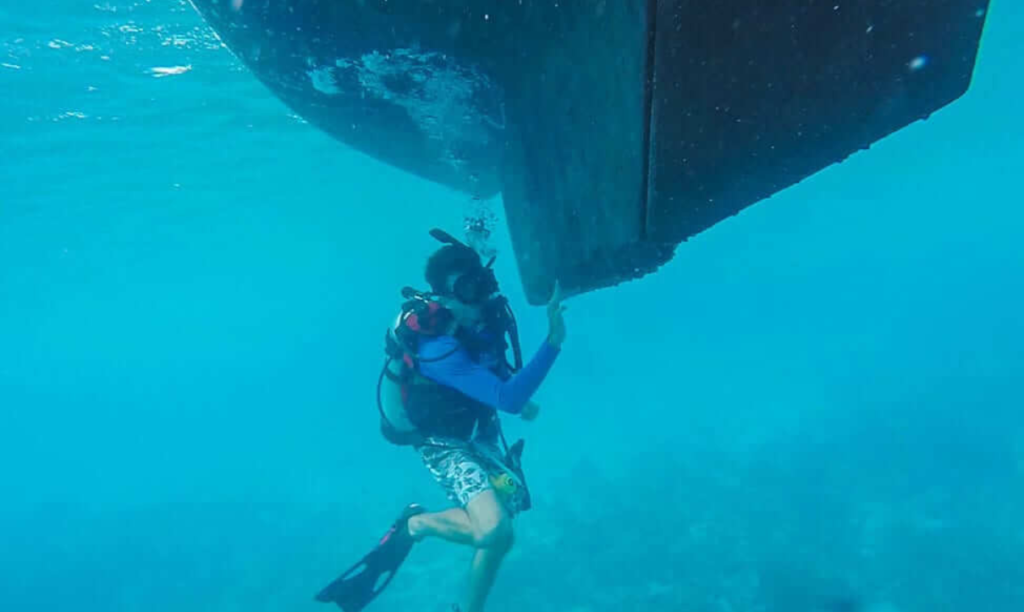
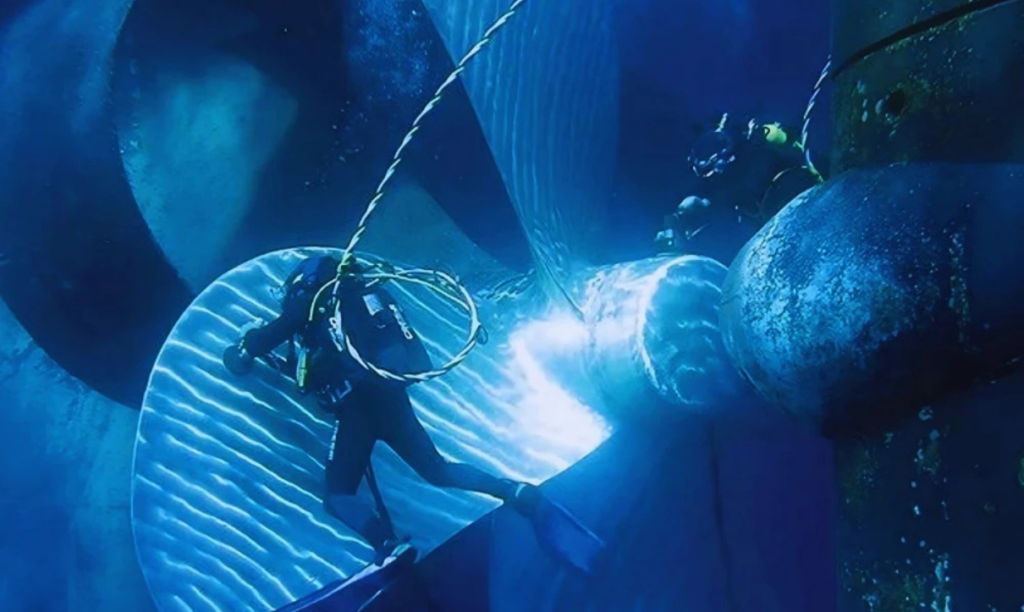
Certified commercial divers conduct close visual inspections of the hull using underwater cameras and specialized lighting. Divers assess marine growth, coating condition, corrosion, and structural integrity while documenting inspection findings.
This method remains highly effective for detailed underwater assessments.
ROV Inspection Technology
Many marine contractors perform Hull Fouling Inspection in Mormugao using remotely operated vehicles equipped with high-definition cameras. ROV inspections improve safety while capturing detailed video of underwater hull surfaces.
The recorded footage allows technical managers to review hull condition from shore or onboard.
Digital Inspection Reports
Following Hull Fouling Inspection in Mormugao, operators receive comprehensive reports containing underwater photographs, video documentation, fouling assessments, inspection observations, and maintenance recommendations.
These reports support technical decision-making and future maintenance planning.
Choosing the Right Hull Fouling Inspection Provider in Mormugao
Selecting an experienced underwater inspection company is essential for obtaining reliable inspection results. Shipowners should work with providers employing certified commercial divers, experienced ROV operators, modern underwater imaging equipment, and recognized inspection procedures.
A qualified contractor carefully evaluates hull condition, provides accurate documentation, and recommends practical maintenance solutions based on inspection findings. Experience with commercial vessels operating through Mormugao ensures inspections are completed efficiently with minimal operational disruption.
Choosing a trusted service provider helps technical managers make informed maintenance decisions.
Conclusion
Hull Fouling Inspection in Mormugao is an important preventive maintenance service that helps shipowners monitor underwater hull condition before marine growth begins affecting vessel performance. Early inspections improve maintenance planning, protect hull coatings, reduce fuel consumption, and support efficient vessel operation throughout the year.
From detecting marine fouling and hidden structural defects to reducing operating costs and minimizing dry dock downtime, Hull Fouling Inspection in Mormugao delivers valuable operational benefits. As shipping companies continue focusing on efficiency, sustainability, and asset protection, regular underwater hull inspections remain an essential part of modern vessel maintenance.
FAQs:
Q1. What is Hull Fouling Inspection in Mormugao?
Hull Fouling Inspection in Mormugao is an underwater inspection service that evaluates marine growth, hull coating condition, corrosion, and other underwater components using certified divers or ROV technology.
Q2. Why is hull fouling inspection important?
It helps identify marine growth early, improves fuel efficiency, supports preventive maintenance, protects hull coatings, and reduces long-term operating costs.
Q3. Can hull fouling inspections be performed without dry docking?
Yes. Professional Hull Fouling Inspection in Mormugao is conducted while the vessel remains afloat, minimizing operational interruptions and avoiding unnecessary dry dock visits.
Q4. What equipment is used during hull fouling inspections?
Certified divers use underwater cameras and inspection tools, while many companies also use remotely operated vehicles (ROVs) equipped with high-definition imaging systems.
Q5. How often should vessels undergo hull fouling inspection?
Inspection frequency depends on vessel type, trading routes, operating conditions, anti-fouling coating performance, and maintenance schedules. Many commercial operators include Hull Fouling Inspection in Mormugao as part of their regular preventive maintenance program.