




Blog

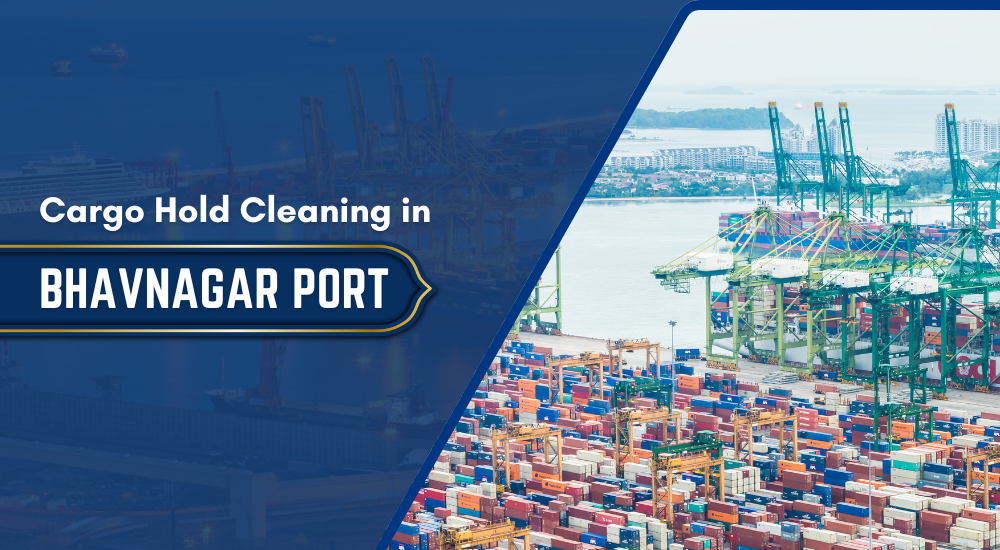
Cargo Hold Cleaning in Bhavnagar Port

Cargo Hold Cleaning in Bhavnagar Port

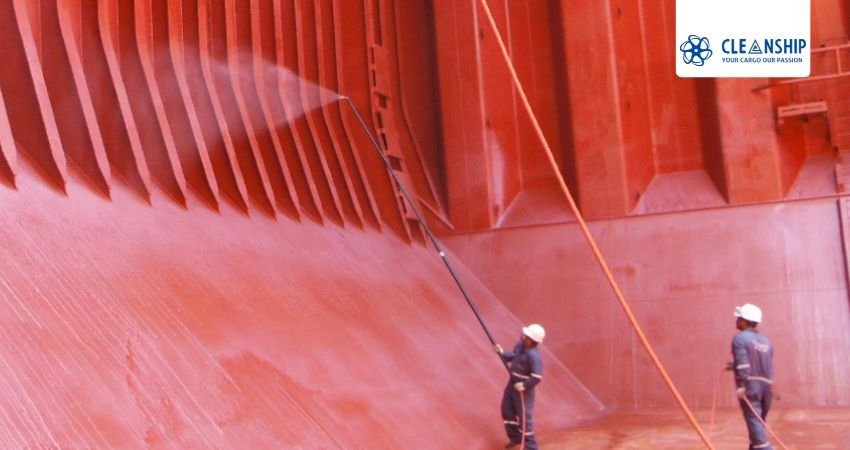
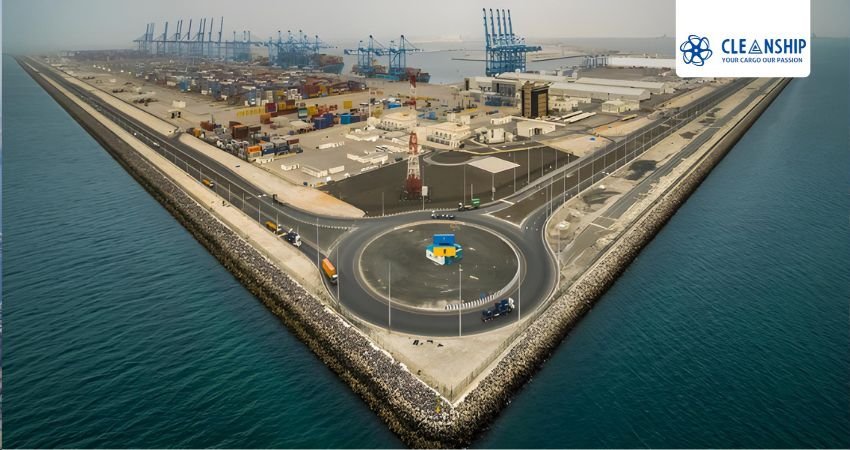
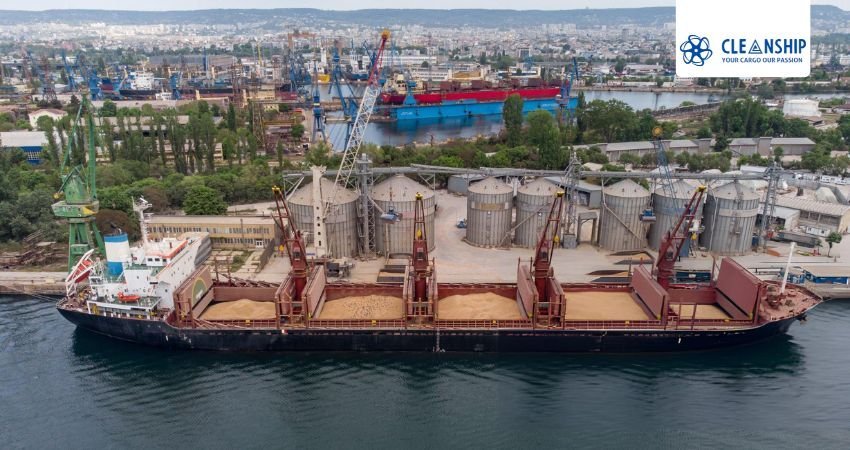
At CleanShip, we offer professional shiphold cleaning services in Bhavnagar Port to keep ships clean and cargo safe. A clean hold is vital to protect goods, prevent contamination, and avoid damage to the ship. It also ensures smooth operations and meets international shipping rules. We use advanced tools to deliver fast and safe results. Our services include removing stains, disinfecting the hold, and thorough inspections to ensure top quality. Let us provide you with reliable and efficient cargo cleaning services at Bhavnagar Port to maintain your ship and support smooth operations. About Bhavnagar Port Bhavnagar port is one of the active and major ports located in Gujarat. The railway transport links the Gujarat state with the other regions in the country and other parts of the world. It deals with many ships carrying materials such as coal, grains, salt, and even chemicals, etc. This port is compensated with modern conditions. The fact is that it contributes to the process of loading and unfolding large and small ship fleets. Shipping is one of the most important aspects for a country and cleanliness and safety of the port are the key to that. That is why holding cleaning in Bhavnagar Port is important. Avoid the High Cost of Improper Cargo Cleaning Maximize Cargo Capacity with Our Expert Hold Cleaning Solutions Get a FREE Quote Schedule a Call Why Hold Cleaning Is Crucial for Bhavnagar Port At Bhavnagar Port, where many ships load and unload cargo, clean holds are a must for smooth operations. Hold cleaning is essential for many reasons. Here’s why it matters at Bhavnagar Port: Prevents Cargo Contamination: If a hold is dirty, new cargo can get spoiled or damaged. Keeps Cargo Safe: Sensitive items like grains or food need clean spaces to stay safe. Protects the Ship: Leftover dirt and chemicals can harm the ship, causing rust or corrosion. Follows Rules: International shipping laws require clean holds to avoid penalties. Saves Time and Money: Regular cleaning prevents big problems like costly repairs or delays. Our Hold Cleaning Services at Bhavnagar Port At Cleanship, we provide expert hold cleaning services in Bhavnagar Port. We use modern tools and safe methods to deliver the best results. Our team is trained to clean all kinds of holds quickly and effectively. Read More: Cargo Hold Cleaning in Kandla Port Our Range of Hold Cleaning Services at Bhavnagar Port Our services are tailored to your needs. Whether your ship needs a quick clean or a deep clean, we have the right solution- Hold Cleaning At Port: Get hold cleaning at Bhavnagar port services with us. It involves removing the cargo’s residue, dirt, contamination, and previous ship cargoes. We use specialized cleaning agents, high-pressure washing, and manual cleaning for hold cleaning at Bhavnagar Port.In addition, we meet domestic and international shipping standards for safety and hygiene. Hold Cleaning At Sea: Get the hold cleaning at sea with us. It allows cleaning at ports during transit. We use various methods and equipment to clean the vessels during transmission. We want to provide a smooth operation without the need to return to pot. It is especially useful with tight schedules. Underwater Hull Cleaning: Underwater cleaning services are important to remove all marine growth, algae, and other debris from the ship held below the water line. It helps to improve the vessel efficiency as well as reduce drags. It also prevents corrosion in vessels and increases the lifespan and performance of your vessels. Chemical Tanker Squeezy: Our chemical tanker Squeezy service makes sure that chemical tangle cargo holders are thoroughly cleaned and free from residue. We use special technology and equipment to clean the chemical tankers. After all, specially squeezy tools and cleaning equipment are required to remove stubborn residue left by previous chemicals, which is very difficult to remove. In addition, we follow strict environmental standards during the process. Types of Ships We Serve Cleaning Services Cargo hold cleaning services in Bhavnagar Port are available for different kinds of ships.  Our team can handle all kinds of vessels, big or small. No matter the type of ship, our team ensures the hold is spotless and ready for use. Bulk Carriers: These ships carry materials like coal, grains, or salt. We clean the holds thoroughly for the next load. Cargo Ships: General cargo ships need regular cleaning to keep the holds safe and ready. Container Ships: We clean holds used for large containers of goods. Oil Tankers: We remove residues from oil tankers to meet safety and environmental rules. Passenger Ships: These ships need clean holds and spaces for comfort and safety. Read More:  Cargo Hold Cleaning in Kochi Port  Why Choose Us for Hold Cleaning at Bhavnagar Port? Cleanship is a well-reputed hold cleaning service provider in India. We are serving people with years and years of experience. Here’s why Cleanship is the best choice for ship cargo hold cleaning in Bhavnagar: Expert Team: Our team has years of experience in cleaning all kinds of ship holds. Our professionals are well-trained with the latest techniques and hold a deep understanding of ship specifications. Advanced Tools: We use modern equipment to clean faster and better. We want to provide high-quality cleaning for safety purposes. Our advanced tool allows us to clean properly even with the hardest-to-reach area of the hold. Safe Methods: Our cleaning products are non-toxic and have been tested to be friendly to the environment. We only use biodegradable cleaning agents that are powerful enough to clean the residue like chemicals, etc. In addition, we follow the international standards. Customized Services: Our services have been customized to suit your ship due to its unique requirements. We understand that every ship is unique and requires a different approach to cleaning. Whether it is for cleaning or ongoing you can get everything. Affordable Prices: We guarantee our clients the best services at a reasonable cost. Get the most affordable price with top-quality services. Our transparent pricing module comes with no hidden fees and no compromise on the
Read more
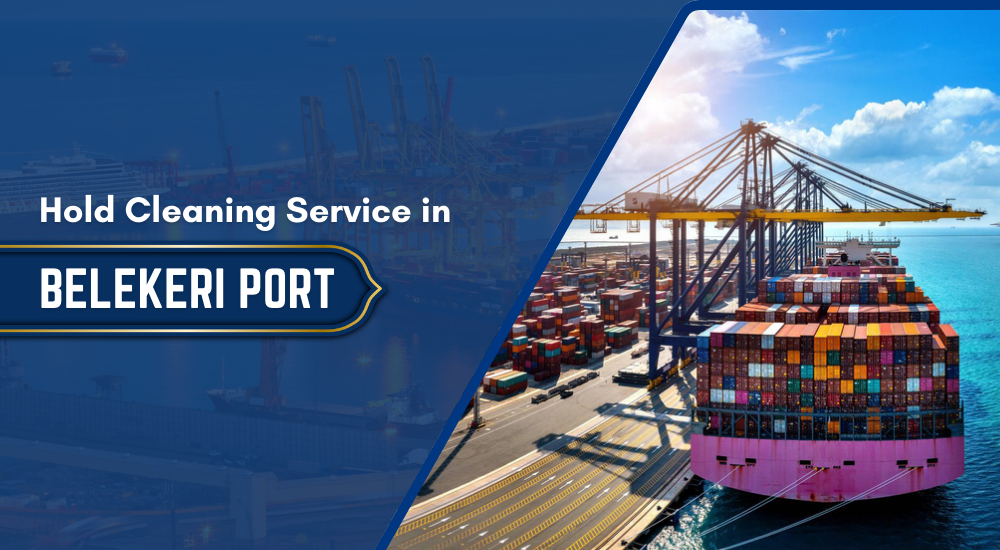
Hold Cleaning Service in Belekeri Port

Cargo Hold Cleaning Service in Belekeri Port

Hold cleaning is important to ensure cargo is safe and ships are ready for the next load. At Cleanship, our hold cleaning service in Belekeri Port ensures cargo holds are spotless and fully prepared.  Clean holds protect cargo from contamination and meet the highest safety standards. Belekeri Port is a major hub for maritime trade, and clean ships save time, protect valuable goods, and boost efficiency. Our team of professionals uses personal ways to clear all the dirt and residue and prepare the deck for the next shipment. Our professional cleaning ensures that your vessels are always ready for smooth and problem-free voyages. About Belekeri Port Belekeri port is in the north Karnataka region of the western coast of India and is among the oldest ports in the country. This is a port that helps in the export of products to different parts of the globe. It has very active shipping which makes many ships call at these ports for loading or unloading.  To minimize disruptions of continuous business activities, ships need to be always neat and ready for the next cargo. This makes reliable hold cleaning services a necessity to guarantee safety, legal compliance, and the port’s growth to remain a hub for trade. Avoid the High Cost of Improper Cargo Cleaning Maximize Cargo Capacity with Our Expert Hold Cleaning Solutions Get a FREE Quote Schedule a Call Why Hold Cleaning Is Crucial for Belekeri Port Cleaning ships at Belekeri Port is very relevant. Here’s why: Clean Cargo: New cargo can be made dirty by dirty holds. Cleaning keeps cargo safe. Follow Rules: Ships need to be cleanly conforming to the port stipulations and universal norms. Save Time: Cleaning can enhance the loading and unloading process in ships hence can F9. Stay Safe: Cleaning makes the difference since it gets rid of things that are bad for you. Our Hold Cleaning Services at Belekeri Port We offer different types of cargo hold cleaning services at Belekeri Port to meet your needs. Here is the list of our hold cleaning services available at the Belekeri Port- Read More:  Cargo Hold Cleaning in Chennai Port Hold Cleaning At Port: Hold cleaning at Belekeri Port is a very important process to maintain integrity and safety for the cargo hold before loading new goods. Hence, we provide hold cleaning services at the port. We start with inspection, according to the residue, we use specific cleaning agents, suitable techniques, and technology techniques like high-pressure, hydro jetting, and application of alkaline or common for cleaning. Hold Cleaning At Sea: Hold cleaning at sea presents unique challenges due to the movement of vessels and the need for safety precautions. We provide high-quality and professional sea cleaning, including high-pressure water jets to remove cargo residues and ensure cruise safety during operation.  For better cleaning, we also use chemicals. If you want, we also provide regular cleaning to maintain hygienic standards. Underwater Hull Cleaning: Underwater hull cleaning is an important maintenance task for vessels. Hence, we provide underwater hull cleaning in which we remove marine growth, algae, and barnacles accumulated on the hull over time. You can get regular underwater hull cleaning to prevent corrosion and reduce drags. Chemical Tanker Squeezy: Chemical tanker squeezy is a process of cleaning and maintenance for chemical tankers to ensure the safe transport of various chemicals. We provide chemical tank squeezy service for the safe transportation of chemicals.  Our squeeze process involves using specific detergent and solvent designs to naturalize chemical residues. After the cleaning process, our professional inspects the leftover containment before loading new cargo. We make sure to meet safety regulations. Types of Ships We Serve We clean many types of ships, including: Bulk Carriers: These ships carry big loads. Container Ships: Ships that carry goods in containers. Oil Tankers: We clean these carefully to remove dangerous residues. General Cargo Ships: Vessels that transport every manner of merchandise. Refrigerated Ships: These transport food and other goods that must be kept cool. Ro-Ro Ships: Vessels that carry automobiles and other such possessions. Benefits of Hold Cargo Cleaning Service at Belekeri Port Cargo hold cleaning is more than a routine maintenance task; it is a crucial component of ship operations Choosing a professional cargo hold cleaning service offers numerous benefits, including: Holding cargo cleaning services enhances the safety of cargo and transported goods. It is important for sensitive and perishable cargoes. After that, you cannot compromise the integrity of the new load. Cargo cleaning gives a primary advantage by preventing cross-contamination between different shipments left in the previous cargo. Leftover residue can affect the quality of the new load. A hold cleaning service can be used to improve operational efficiency within the shipment. In addition, a clean hold reduces the time spent on potential delays caused by the cleaning issue. Shipping companies can optimize this time. Regular cleaning helps to increase the lifespan of the vessels. It prevents corrosion and damage caused by the residue material on the hold. You can prevent your vessel by cleaning leftovers from the previous ship. Using a professional hold cleaning service enhances customer satisfaction. Likewise, the shipment meets quality standards upon arrival. Clients will get their goods without contamination or damage by the residue. It is always good to invest in cleaning services. Read More: Cargo Hold Cleaning in Kochi Port   Why Choose Us for Hold Cleaning at Belekeri Port We specialize in a wide range of cargo hold cleaning services in Belekeri Port, tailored to meet the needs of different vessels. Our offerings include: Chemical Cleaning Expertise: We specialize in chemical cleaning and provide safe and effective removal of residue from the cargo holdings. We used industrial-approved cleaning expertise. In addition, we have a team of experts who clean without compromising the structural integrity of your vessel Ship Cargo Hold Cleaning In Belekeri Port. Advance High-Pressure Washing: We use advanced high-pressure washing equipment to clean the holdings. We specialize in cleaning large-skill surfaces quickly and effectively with our advanced technology. Our advanced and high-pressure
Read more
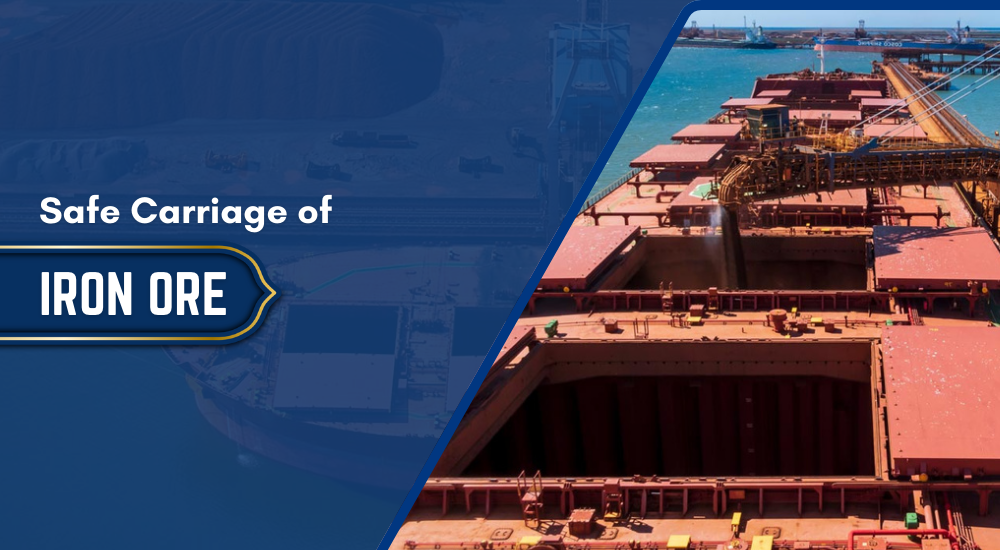
Safe Carriage of Iron Ore

Safe Carriage of Iron Ore

Iron ore is utilized for the production of metallic iron in steel-making. Although some 45 countries export raw iron ore resources, seven countries provide 75% of the total exported. The two largest exporters are Brazil and Australia, with about 33% of total world exports each. Other exporting countries include Chile, India, South Africa, Canada, Russia and the United States. Iron ore may be exported in a number of forms: ROM : run of mine, which is ore as it comes from the mine, of no certain grade; Fines : small screenings of ore (less than 6mm). Fines may be sintered to form big particles, lumps or masses by warming the material to below its melting point with another material (e.g. limestone or coke breeze) until its particles attach together. Fines may also be pelletized to form round pellets of ore; Lump : ore of larger pieces (10mm ~ 40mm); Concentrate: ore that has been refined to extract the bulk of waste materials. Handling iron ore in bulk carrier Most iron ore is taken in Cape-size ships, i.e. larger than 80,000 tonnes deadweight, although ships of this category are often much larger and are generally in the region of 170,000 tonnes deadweight. However, the largest are present of about 360 meters in length, a beam of 65 meters and a draft of 24 meters with a capability of 400,000 tonnes deadweight. The majority of incidents where bulk carriers have been failed were when carrying iron ore. In the carriage of iron ore, the following precautions should be taken: Iron ores are heavy cargoes that occupy a small area for a large weight, ie they have a lower stowage factor (between 0.24­0.80 m3/tonne). It is therefore important that the tanktop has adequate strength to carry certain iron ores. If a bulk carrier loads a homogeneous cargo of, say, iron ore, the amount of cargo enabled to be loaded in the hold would be determined by multiplying the surface area of the tank top by the permitted load per m2. The loading given by this calculation should never be surpassed. Trimming of these cargoes is normally required (even though their angle of repose is mostly above 35°) to spread their weight across the entire tanktop The stability of vessels ­ as iron ore is a high-density cargo, when packed on an ordinary bulk carrier (not an ore carrier) it will improve the vessel’s GM to make it a `stiff’ ship. Dust ­ iron ore is generally loaded with conveyor belts, grabs, chutes, and bucket belt unloaders, causing significant amounts of dust during both loading and discharging. However, enclosed conveyor belt systems induce less dust. The dust may damage the ship’s machinery as well as the health of personnel. Moisture content ­ Iron ore is considered to have a homogeneous moisture content between 0­16%. However, if kept lying in the open, the moisture content may grow due to absorption from air or rain. If the exact moisture content is unknown, a proper laboratory test may be called for. The Master must also ask the shipper to detail the cargo’s moisture content and TML In recent years an expansion in incidents attributed to carrying iron ore filings with excessive moisture content, causing sloshing and negative strength and in some cases the rapid loss of the ship. During the monsoon season in the Indian sub-continent iron ore filings are kept and transported open to the elements. It is worth recalling that the cargo may remain stockpiled before being shipped later in the dry season. The cargo moisture content must be tested before and monitored during all stages of loading as, once onboard, cargo may be complicated to remove.The shipper’s test certificate should be presented before loading, be sound, and no more than seven days old. A good indicator during the load is the presence of splatter marks of iron ore filings on the bulkheads. If splatter marks are evident, they should be taken very seriously as an indication that the moisture content is above the TML and the flow moisture point. If the Master is in any doubt, he should contact the owners and the P&I Club correspondent. stress monitoring ­ pressures upon the ship, both in port and at sea, should be observed using an HSMS (Hull Stress Monitoring System) if fitted, and the direction of cargo and ballast monitored using stress calculating software alternate hold loading ­ bulk carriers periodically carried iron ore in alternate holds at the request of charterers owing to the economic benefits of faster turnaround and raised center of gravity. To do so ships must be specially strengthened. SOLAS Chapter XII bans alternate hold loading for single skin ships of 150 m or more in length, built before 1st July 1999, that carry cargo equal to 90% of the ship’s deadweight. the iron ore standard sampling method given in the IMSBC Code should be followed. Precautions for carriage of iron ore Iron concentrates concentrates of iron are produced by either: the dry method, in which high-grade ore is destroyed to release waste material, leaving a low moisture content in the powdered ore. Iron concentrates obtained by the dry form are susceptible to spontaneous explosion because of the air already trapped within the concentrate during the crushing method.Due to dampness within the cargo, the sulphur can react with the oxygen to produce heat, resulting in unexpected combustion. Therefore, for concentrates, the holds should be kept secure and ventilation avoided. Additionally, due to sulphur and other metallic contents within concentrates, these may emit poisonous/explosive gases. The cargo spaces should be treated as enclosed spaces and appropriate entry strategies followed. the wet method, in which the smashed rock is washed in water to dissolve the sulfides. The concentrate has a high moisture content that may liquefy and shift onboard the ship. The moisture content of these concentrates should therefore be inspected before loading and, if above TML, the cargo should be rejected.
Read more
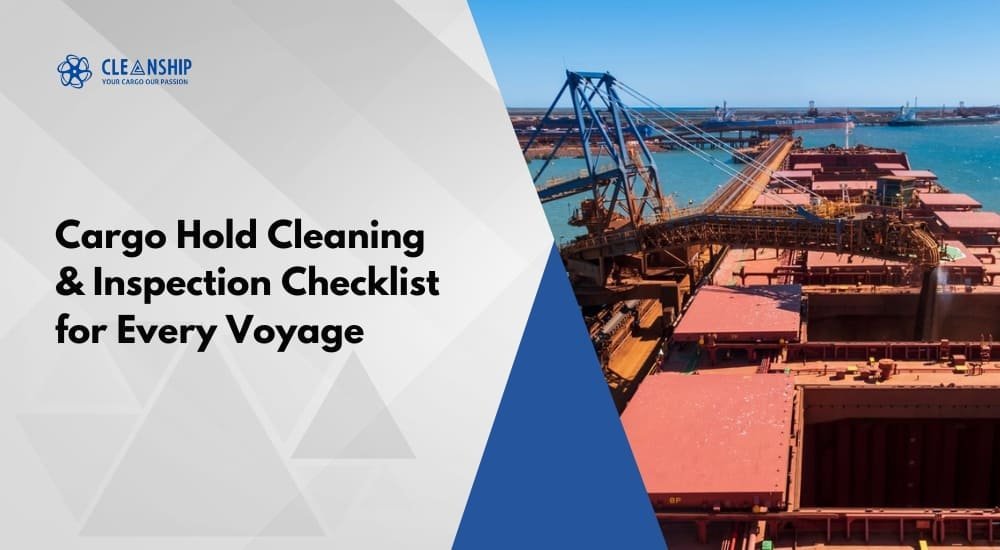
Cargo Hold Cleaning & Inspection Checklist for Every Voyage

Cargo Hold Cleaning & Inspection Checklist for Every Voyage

Cargo holds are those critical spaces within a ship where goods are stored during transit. Whether it is liquid, dry bulk cargo, or just containers, the cargo holds must have a clean-up and inspection before each voyage. Not only does it result in the quality of cargo, but also in safety, regulation compliance, and preventing contamination of future cargoes. In this blog, we will guide you through the essential steps required to properly clean and inspect the cargo holds. Why Clean and Inspect Cargo Holds? Before going into the checklist, let’s discuss the significance of cleaning and inspecting cargo holds: Prevent Contamination: Dirt, debris, or leftovers from previous cargo can contaminate new loads. This is particularly crucial when transporting sensitive goods such as food or chemicals. Ensure Safety: All leftover material can create the risk of fire, dangerous gases, or other hazardous conditions. Obey Regulations: International shipping regulations mandate cargo holds to be clean and checked. Otherwise, there are chances of fines and lawsuits. Ultimate Checklist for Cleaning and Inspecting Cargo Holds Step 1: Clear the Cargo Hold: Begin by removing leftover cargo from the previous voyage. This will ensure that no waste material interferes with the cleaning and inspection process. Clear debris: Sweep the floor and walls to remove large debris. Verify leaks: Ensure there are no leakage spots or holes that would jeopardize the structural support of the hold. Step 2: Inspect for Damage: Before cleaning begins, the cargo hold should be examined for any form of damage it could have sustained when it was last used. Walls and floors: Examine for cracks, rust, and corrosion on the walls and on the floor. Structural checks: Verify that all such bulkheads and ceilings are intact and undamaged. Cargo gear: Any cargo handling equipment, whether it is winches, cranes, etc, should be in good condition. Step 3: Thoroughly Clean the Hold: Once the hold is cleared and inspected for any damage, clean it as well. Cleaning will help maintain the integrity of the hold while preventing contamination of the next cargo. Sweep: Sweep the cargo hold to remove all the dust, dirt, and debris. Pressure-wash: Using water, wash the walls and floor. Where there are stubborn stains use a cleaning agent or soap. Specialized cleaning: For previous cargoes that had left sticky or greasy residues (such as oils or food), consider specialized cleaning agents. Rinse and dry: Rinse the walls and floor thoroughly with fresh water, for all soap and cleaning agents to be removed from the area. Allow to dry completely. Step 4: Remove Odors: If the odor is still present after cleaning, then it is necessary to take additional measures to eliminate it. Odors can transfer into the next cargo, which can then contaminate. Deodorizing agents: Use safe, non-toxic deodorizing materials. Ventilation: Open the vents and let the air move around the space to freshen the space. Step 5: Check for Pests: Pests such as rats, insects, or birds can even find their way into the cargo hold when the ship is docked for a long time. Inspect the cargo hold for signs of pest infestation and take the following steps: Inspect for nests: Look for nests in corners and any hidden areas. Pest control: If there are pests, then hire a professional to handle pest control. Seal all entry points: No gaps or crevices should be left open for pests to invade in the future. Step 6: Inspect Ventilation and Drainage: Ventilation and proper draining are important factors for a safe journey. Moisture collected inside the hold could cause mold or rust, damaging the cargo. Inspect vents: Check all the ventilation systems to ensure there are no obstructions and functioning. Check drain systems: Any drain systems should be clean, with water readily let out. Step 7: Check for Contamination Risks: For some goods, contamination is a significant issue. Ensure that no residual substance would impact sensitive products. Residual cleaning agents: Ensure all cleaning agents are eliminated. Proper sealing: Review for any holes or gaps through which air and moisture may penetrate and contaminate the cargo. Step 8: Final Inspection: Before you consider the cleaning and inspection process complete, undertake a final walk-through of the entire hold. Visual check: Inspect every nook and cranny for signs of contamination or damage. Functional testing: Test all cargo hold equipment to ensure proper operation. Conclusion Cleaning and inspecting cargo holds is one of the very important jobs for assuring the safety, cleanliness, and integrity of your cargo. Strict compliance with this ultimate checklist before setting sail on each journey will not only ensure that your cargo remains in the best state but also aid in international standards and regulations compliance. Cargo holds’ regular maintenance is an investment in the lifespan of your vessel and in the goods transported by it. Frequently Asked Questions How often should the cargo holds be cleaned? All cargo holds must be cleaned thoroughly before a voyage. This means that the cargo is safe and free from contaminants. Can I use regular soap? Yes, general soap can be used for general cleaning. For greasy or sticky residues, specific cleaning agents are required. What occurs if the cargo hold is not properly cleaned? Improper cleaning can lead to contamination of the goods, safety risks through pest infestations, and legal issues through breaking shipping regulations. Can I inspect the cargo hold myself, or should I hire a professional? Basic inspections can be done by members of the crew, complex inspections or if you suspect a problem, these shall be dealt with by experts. All cargo holds must be cleaned thoroughly before a voyage. This means that the cargo is safe and free from contaminants. Yes, general soap can be used for general cleaning. For greasy or sticky residues, specific cleaning agents are required.Improper cleaning can lead to contamination of the goods, safety risks through pest infestations, and legal issues through breaking shipping regulations.Basic inspections can be done by members of the crew, complex inspections or if you suspect
Read more
5 Common Cargo Hold Problems and How to Solve

5 Common Cargo Hold Problems and How to Solve

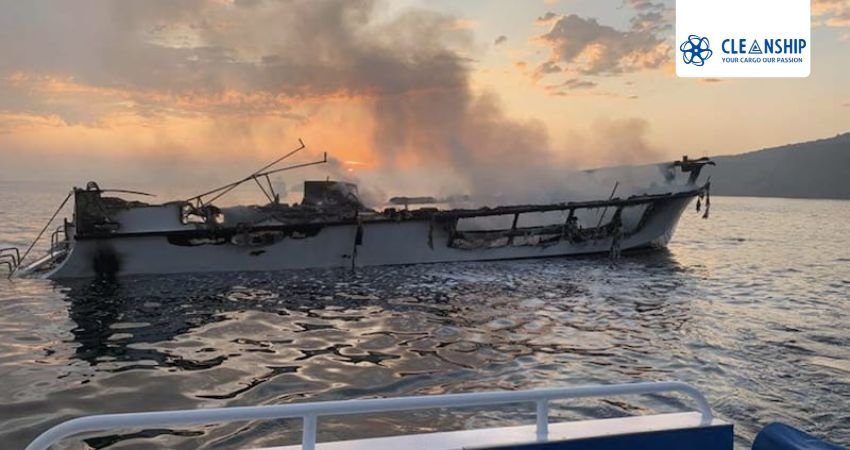
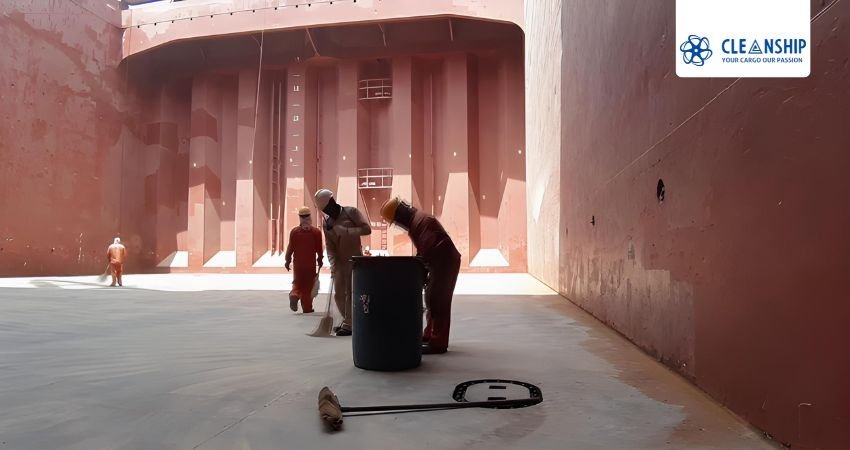
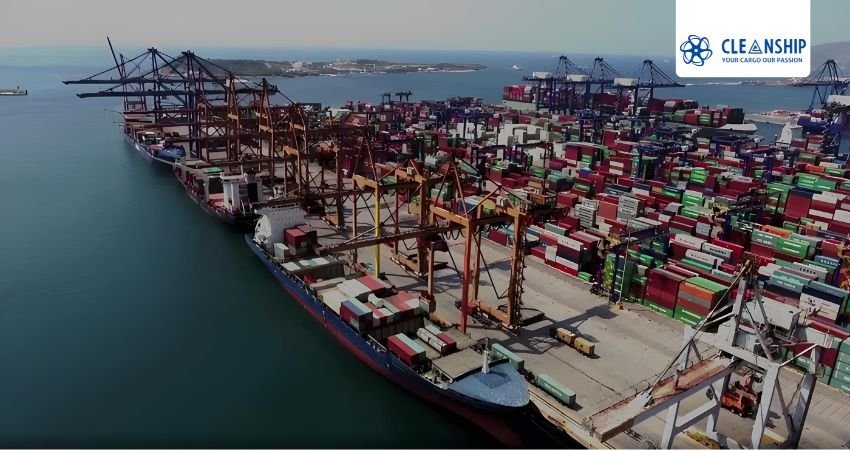
When you think of cargo ships, one could easily imagine enormous vessels carrying different goods across the seas. However, the smooth operation behind them presents several problems within cargo holds that could result in delays, damage to goods, or even accidents. Therefore, for shipments to be delivered on time and without any damage, it is important to know about some common problems in cargo holds and how they can be prevented. 1. Water Infiltration and Moisture Damage One of the biggest problems in cargo holds is water. Ships face severe weather at sea, and while cargo holds are designed to be waterproof, they can still leak. Rainwater or seawater seepage can happen, which causes moisture to build inside the cargo hold. The moist conditions are also damaging to the goods transported, susceptible ones like electronics, clothes, and food products. How to Prevent It: Regular Inspections: Regular inspections of cargo holds before loading and unloading to identify any leakage or crack. Proper Sealing: Proper sealing of hatch covers and seals. Dehumidifiers: Make use of dehumidifiers inside the cargo hold, which maintain a low moisture content in the cargo.  2. Cargo Shifting or Unbalanced Loading Another common problem is the cargo is not properly secured or balanced. The movement of the goods during the voyage may cause damage, even a disaster like turning the ship over. Such a situation may also result in extended delays, as crews have to stop and reorganize the load. How to Prevent It: Proper Loading and Stacking: Cargo should be tied down with tie-downs, straps, and pallets. Balance the Load: The cargo load should be balanced all over the cargo hold to prevent it from tilting. Train Crew: Train the crew on proper cargo loading techniques for stability and safety.  3. Contamination from Hazardous Materials Cargo holds are used to accommodate a range of commodities, but sometimes, poisonous substances such as chemicals or oil leak and spoil some other goods being transported. This is unsafe not only for the cargo but also for the crew and the environment. How to Prevent It: Separate Hazardous Materials: Never mix hazardous material with nonhazardous goods. Tag the dangerous items and then use specific places for them. Proper Packaging: Hazardous goods should be packed in sturdy, leak-proof containers. Regular Inspection: Hazardous materials are regularly inspected to ensure that they are securely sealed and not leaked.  4. Pests and Infestation As moisture, rats, insects, and other small creatures can get into cargo holds and bring about problems, they can damage goods or contaminate shipments. A reliable Cargo Hold Cleaning Service Provider in India can help mitigate these issues. Delayed unloading also occurs because of infestation problems, as it takes time to clear out the pests. How to Prevent It: Seal openings: holes and cracks on the cargo hold are all sealed tight so that pests do not enter. Routine Pest Control: Regular inspection and treatment of cargo holds with pest control solutions to avoid infestation. Cleanliness: Cargo holds shall be kept clean and free from food debris or other materials that attract pests. 5. Temperature Fluctuations and Freezing Certain cargo, such as food and medicine, need special temperatures to remain safe. Any change in the inner cargo hold temperature or goes too low may lead to spoilage of food or even freeze to freeze, resulting in loss of value. How to Prevent: Temperature Control: Refine the perishable items into refrigerated containers. Before leaving, ensure that the temperature control system is working well. Monitor Temperature: Use temperature monitoring systems that detect if cargo holds become too hot or cold and alert the crew. Route Planning: Plan your shipment routes that will avoid drastic temperature changes, and schedule shipments according to weather forecasts. Conclusion Cargo hold problems are far from mere hassles because they often come with significant costs in terms of damage and delay. Awareness of these common problems, such as water infiltration, cargo shifting, hazardous materials, pests, and temperature extremes. You can take precautions against them so that your goods arrive safely and on time. Never forget to check cargo regularly, properly lash cargo, and use the proper tools and equipment to deal with potential problems. Frequently Asked Questions What is a cargo hold? A cargo hold refers to a huge storage area on board a ship or airplane where goods are kept during transportation. It is designed to ensure safe and secure maintenance of the cargo during its journey. Why is cargo shifting a problem? The shifting of cargo causes damage to the goods while making the ship unstable. This might also delay shipments as well as increase the chances of accidents. Can I protect my goods from moisture? In order to avoid moisture from reaching the goods, close the cargo hold properly, use dehumidifiers, and inspect at all times for any sign of leakage. What do I do with infestation found within the cargo hold?  In case the infestation of pests is noticed, you should contact pest control immediately. Also, ensure the cargo hold is sealed and cleaned regularly to prevent future infestations. How may temperature changes impact my cargo? Temperature can fluctuate drastically in transport and make perishable items lose their freshness or freeze. Usage of a refrigerated container and temperature check can avoid the above-mentioned. A cargo hold refers to a huge storage area on board a ship or airplane where goods are kept during transportation. It is designed to ensure safe and secure maintenance of the cargo during its journey.The shifting of cargo causes damage to the goods while making the ship unstable. This might also delay shipments as well as increase the chances of accidents.In order to avoid moisture from reaching the goods, close the cargo hold properly, use dehumidifiers, and inspect at all times for any sign of leakage. In case the infestation of pests is noticed, you should contact pest control immediately. Also, ensure the cargo hold is sealed and cleaned regularly to prevent future infestations.Temperature can fluctuate drastically in transport and make perishable
Read more
Safety Management Systems

Cargo Hold Cleaning in Kandla Port, Gujrat

In marine operations, cargo holds are one of the most critical sections for cleaning residues, contaminants, and waste from a cargo ship. The residues left behind by previous cargo shipments need to be cleaned. Residue can be grains, chemicals, or bulk materials. Once the residue is cleaned, the holding chamber is free from impurities, which ensures the safety and quality of the next cargo shipment. We should pay attention to cargo hold cleaning in Kandla, Gujrat. A clean hold prevents contamination, maintaining sensitive goods and low material risk during transit like food items to chemicals. It also limits the risk of hazardous incidents such as fire or structural damage due to leftovers that left residues in the hold. Hence, proper cleaning also plays an important role as per international maritime regulations and also prevents penalties. Likewise, ports are also kept running smoothly. At Cleanship, we have professional ship cargo hold cleaning services in Kandla port which is also called a Deendayal Port that you can trust. We always keep your vessels ready for you so that you can have safe and efficient shipping. Our service will help you both protect your cargo and the general efficiency of the vessel’s operations. So, you can save time and costs for compliance and safety.   Avoid the High Cost of Improper Cargo Cleaning Kandla Port Maximize Cargo Capacity with Our Expert Hold Cleaning Solutions Get a FREE Quote Schedule a Call Why Cargo Holds Cleaning Matter for Ships Cargo hold cleaning is essential to ensure the safety, efficiency, and reliability of all maritime operations. Dirty cargo holds can cause contamination, leading to damaged or spoiled goods. Hence, regular cleaning is a must to remove residues and make sure the next shipment remains safe. Prevents Contamination Cargo hold cleaning from us will help you to remove residues from previous shipments. So, the next cargo does not contaminate. It’s especially sensitive when it comes to things like food, chemicals, or pharmaceuticals. Clean holds keep the cargo safe. So next cargo can arrive in excellent condition and without the risk of spoilage or damage. Enhances Safety Residues left in the ports can lead to hazardous conditions, such as fires, chemical reactions, or corrosion. Regular cleaning of holds eliminates such kinds of risks and protects both the crew and the ship. Regular cleaning enhances safety for people as well as the transport of different types of cargo. Ensures Compliance IMO (International Maritime Organization) regulations</>clean cargo holds avoids penalties and delays at Kandla Ports, Gujrat. Using professional cleaning understand compliance with these rules and allow vessels to operate smoothly and efficiently. We understand and meet industry standards for safety and hygiene. Prolongs Vessel Longevity Unclean cargo holds cause serious damage and accelerate wear and tear on the ship. Regular cleaning prevents corrosive substances from accumulating. Hence, it promotes the vessel’s longer life. This reduces maintenance costs and keeps the ship in top operating condition. Read More: Cargo Hold Cleaning in Chennai Port Our Expert Ship Cargo Hold Cleaning Process At Clean Ship, we provide a reliable and efficient ship cargo hold cleaning service in Kandla. Our expert process makes your cargo holds spotless, safe, and ready for the next shipment. We use advanced tools and skilled methods to guarantee fast and effective cleaning. Complete Process of Cargo Hold Cleaning with CleanShip Here is the step-by-step process to ensure efficient and professional cargo hold cleaning in Kandla Port, Gujrat. Initial Inspection: At first, our team inspects the cargo hold to check for residues, stains, or damages. This step helps us plan the cleaning process. Preparation: Now, we will gather all tools like high-pressure washers and cleaning agents. Our plan matches the type of cargo residue and the ship’s needs Cleaning Execution: Using advanced techniques, we clean the hold thoroughly. We use water jets, brushes, or chemicals to remove all dirt and stains. Residue Removal: All waste materials and residues are carefully collected and disposed of as per environmental rules. Final Inspection: After cleaning, we check the hold to make sure it is clean and meets all compliance standards. Documentation: A report is provided to you with detailed cleaning methods and compliance. Maintenance Tips: It is advice is given to maintain cleanliness and prevent residue buildup. Benefits of Professional Cargo Hold Cleaning in Kandla Port Professional cargo hold cleaning in Kandla from us offers several key benefits for shipowners. It prevents contamination of the cargo. A clean hold protects goods, like sensitive items like grains, chemicals, or food, and makes sure they remain in perfect condition during transit. It enhances safety. Sometimes, residues left behind can be hazardous sources, causing fires or chemical reactions. Elimination of all these risks creates a safer ship for the crew and cargo. It ensures compliance with international maritime regulations. Unclean holds can result in fines, delays, or rejected shipments. Hiring professionals ensures your ship meets all safety and cleanliness standards. It increases the vessel’s efficiency and life. Corrosive material removal from the vessel with time damages the ship structure cuts down repair costs and prevents downtime. With Cleanship’s cleaning services in Kandla, you can enjoy safe, efficient, and hassle-free shipping. Safety and Compliance in Cargo Hold Cleaning Safety and compliance are top priorities in cargo hold cleaning. Safety and compliance give smooth operations and peace of mind for shipowners. Adherence to International Standards: Professional cargo hold cleaning in Kandla make sure that compliance with IMO (International Maritime Organization) and port regulations. This prevents penalties, delays, or cargo rejection at ports. Hazardous Material Removal: Residues left behind can be hazardous sources that cause fires or chemical reactions. Elimination of such risks helps to safer ships for the crew and cargo. Certified Cleaning Agents: Only approved and safe cleaning products are used. These protect the ship’s structure, crew members, and the environment while meeting regulatory requirements. Thorough Inspection Procedures: Cleaning processes include inspections before and after cleaning to ensure the hold is spotless, safe, and fully compliant with maritime standards. Environmental Responsibility: Proper waste disposal methods
Read more
Hold Cleaning in Kandla port

Hold Cleaning in Kandla Port: Tank Hold Cleaning

Hold Cleaning in Kandla Port, located on the western coast of India, is one of the busiest and most strategically important ports in the country. Handling a wide variety of cargo ranging from coal and salt to grains and fertilizers, it plays a vital role in facilitating international trade. Given the diverse cargo transitions, hold cleaning is a crucial operation to maintain cargo quality, comply with international standards, and ensure environmental safety. Hold cleaning in Kandla Port, its significance, the step-by-step process, and addresses five frequently asked questions to help ship operators better understand the operation. What is Hold Cleaning? Hold cleaning refers to the thorough cleaning and preparation of a ship’s cargo holds between voyages. This is necessary to remove residues, stains, and contaminants from the previous cargo and to prepare the hold for the next load, particularly when the cargo type is sensitive or prone to contamination, such as grains, sugar, or fertilizers. Failing to clean cargo holds adequately can lead to: Importance of Hold Cleaning at Kandla Port Kandla Port handles millions of tons of cargo annually, making it a prime location for hold cleaning services. Some key reasons why hold cleaning is essential at Kandla Port include: 1. Transition Between Diverse Cargo Types: Ships arriving at Kandla often switch between bulk cargoes such as coal, salt, and food grains. Each type has unique requirements for cleanliness, making thorough cleaning indispensable. 2. Compliance with Stringent Standards: International shipping regulations, including those by MARPOL (International Convention for the Prevention of Pollution from Ships), demand strict cleanliness and proper disposal of residues. 3. Preventing Cross-Contamination: Residues from previous cargoes can contaminate sensitive goods, resulting in financial losses and reputational damage for ship operators. 4. Maintaining Operational Efficiency: Efficient hold cleaning services at Kandla minimize turnaround time, ensuring that ships can continue their voyages without unnecessary delays. The Hold Cleaning Process at Kandla Port Hold cleaning is a multi-step process that requires specialized equipment, trained personnel, and a keen understanding of the cargo being carried. Here’s how it’s typically conducted: 1. Initial Inspection: Surveyors inspect the cargo holds to assess their condition and determine the cleaning requirements. Factors such as residue type, moisture content, and structural integrity are evaluated. 2. Removal of Loose Residues: Loose residues, such as bulk grains or coal dust, are removed using manual or mechanical tools like sweepers, shovels, or vacuum systems. 3. High-Pressure Washing: High-pressure water jets are used to dislodge stubborn residues and clean hard-to-reach areas. This step ensures the removal of residues adhering to the walls and floors. 4. Chemical Cleaning: When required, biodegradable chemicals are applied to dissolve tough stains, rust, or oil residues. These chemicals are selected based on the cargo type and environmental safety standards. 5. Drying the Holds: Proper drying prevents the growth of mold or mildew, especially when sensitive cargoes like grains or sugar are to be loaded. Drying is typically done using fans or blowers. 6. Final Inspection and Certification: After cleaning, surveyors conduct a final inspection to ensure the holds meet the required standards. Certificates are issued for cargo readiness, particularly for food-grade or sensitive shipments. Read Also: Hold Cleaning in Kakinada Port Advantages of Professional Hold Cleaning in Kandla Port 1. Experienced Teams: The port is home to skilled and experienced cleaning crews adept at handling diverse cargo transitions. 2. State-of-the-Art Equipment: From high-pressure washers to vacuum systems, advanced tools ensure efficient and thorough cleaning. 3. Regulatory Compliance: Services at Kandla Port align with MARPOL and port-specific regulations, ensuring safe residue disposal and environmental sustainability. 4. Quick Turnaround: Efficient operations minimize delays, enabling vessels to resume their journeys promptly. Tips for Ship Operators to Optimize Hold Cleaning 1. Regular Maintenance: Regularly inspect and clean cargo holds to prevent heavy buildup of residues and rust. 2. Use Protective Coatings: Apply coatings to hold surfaces to reduce adhesion of residues and minimize rust formation. 3. Plan Cleaning in Advance: Coordinate with cleaning service providers at Kandla Port ahead of time to ensure availability and efficiency. 4. Partner with Professionals: Rely on experienced cleaning teams with a track record of compliance and quality service. FAQs: Conclusion Hold cleaning in Kandla Port is a critical operation that ensures the safe and compliant transition of cargoes. With its strategic location, advanced facilities, and experienced personnel, the port provides top-notch cleaning services to meet the diverse needs of the shipping industry. By understanding the process, associated costs, and regulatory requirements, ship operators can effectively manage their operations, ensuring cargo quality and operational efficiency. Whether transitioning from coal to grains or preparing holds for sensitive goods, Kandla Port remains a trusted partner for hold cleaning excellence.
Read more
Hold Cleaning in Kakinada port

Hold Cleaning in Kakinada Port: Tank Hold Cleaning

Our Hold Cleaning Services in Kakinada Port At Kakinada port, we provide specialized cleaning services that meet the demands of shipping industries. We work for a wide range of vessels, including bulk carriers, tankers, and specialized cargo ships. We use advanced tools and eco-friendly cleaning solutions that work for all transportation materials like coal, grain, fertilizer, or chemicals. Our experienced professional team holds extensive knowledge to deliver high-quality cleaning services to each vessel. We stick to high-quality cleaning, hygiene, and safety. At Kakinada Port, where cargo handling is paramount, get our services for smooth operation and optimal cargo safety. We are one of the best hold cleaning providers that you can trust. Maintain your vessel hygiene and meet your shipping needs effectively and affordably with us. Hold Cleaning in Kakinada Port, located on the eastern coast of India, is one of the busiest ports in the region. It serves as a vital hub for maritime trade, handling bulk cargo such as grains, fertilizers, coal, and minerals. For vessels operating in such dynamic environments, maintaining clean and contaminant-free cargo holds is essential for operational efficiency and compliance with international regulations. Hold cleaning is a critical aspect of ship maintenance, particularly for bulk carriers. It ensures that cargo holds are free from residue, pests, and contaminants that might compromise the quality of subsequent cargo. hold cleaning at Kakinada Port, methods involved, challenges faced related to the process. Request a Quote Importance of Hold Cleaning 1. Cargo Integrity: Residues from previous cargo can contaminate or damage the next load. For instance, grains transported in a hold previously carrying coal can face contamination issues, rendering them unusable. 2. Compliance with Regulations: International Maritime Organization (IMO) regulations and port-specific guidelines mandate strict hygiene standards for cargo holds. Non-compliance can lead to fines, delays, and reputational damage. 3. Prevention of Infestation: Residue from organic cargo, such as grains, can attract pests and rodents. Regular hold cleaning mitigates the risk of infestation. 4. Prolonged Vessel Life: Removing corrosive residues prevents structural damage to the hold, ensuring the longevity of the vessel. Avoid the High Cost of Improper Cargo Cleaning Maximize Cargo Capacity with Our Expert Hold Cleaning Solutions Get a FREE Quote Schedule a Call Our Hold Cleaning Services in Kakinada Port At Kakinada port, we provide specialized cleaning services that meet the demands of shipping industries. We work for a wide range of vessels, including bulk carriers, tankers, and specialized cargo ships. We use advanced tools and eco-friendly cleaning solutions that work for all transportation materials like coal, grain, fertilizer, or chemicals. Our experienced professional team holds extensive knowledge to deliver high-quality cleaning services to each vessel. We stick to high-quality cleaning, hygiene, and safety. At Kakinada Port, where cargo handling is paramount, get our services for smooth operation and optimal cargo safety. We are one of the best hold cleaning providers that you can trust. Maintain your vessel hygiene and meet your shipping needs effectively and affordably with us. Hold Cleaning in Kakinada Port, located on the eastern coast of India, is one of the busiest ports in the region. It serves as a vital hub for maritime trade, handling bulk cargo such as grains, fertilizers, coal, and minerals. For vessels operating in such dynamic environments, maintaining clean and contaminant-free cargo holds is essential for operational efficiency and compliance with international regulations. Hold cleaning is a critical aspect of ship maintenance, particularly for bulk carriers. It ensures that cargo holds are free from residue, pests, and contaminants that might compromise the quality of subsequent cargo. hold cleaning at Kakinada Port, methods involved, challenges faced related to the process. Request a Quote Importance of Hold Cleaning 1. Cargo Integrity: Residues from previous cargo can contaminate or damage the next load. For instance, grains transported in a hold previously carrying coal can face contamination issues, rendering them unusable. 2. Compliance with Regulations: International Maritime Organization (IMO) regulations and port-specific guidelines mandate strict hygiene standards for cargo holds. Non-compliance can lead to fines, delays, and reputational damage. 3. Prevention of Infestation: Residue from organic cargo, such as grains, can attract pests and rodents. Regular hold cleaning mitigates the risk of infestation. 4. Prolonged Vessel Life: Removing corrosive residues prevents structural damage to the hold, ensuring the longevity of the vessel. Read More: Cargo Hold Cleaning in Bhavnagar Port Hold Cleaning Methods Cleaning cargo holds involves a combination of techniques tailored to the type of residue and the next cargo. Here are the common methods employed: 1. Manual Cleaning: Workers manually scrape and brush the hold surfaces to remove stubborn residues. This method is labor-intensive but effective for hard-to-reach areas. 2. High-Pressure Washing: Using water jet systems, high-pressure washing removes dirt, dust, and residue. It is often combined with biodegradable cleaning agents to improve effectiveness. 3. Chemical Cleaning: For residues that cannot be removed by water alone, specialized cleaning agents are used. These chemicals break down stubborn materials, ensuring thorough cleaning. 4. Vacuum Cleaning: A vacuum system is used to remove fine particles and dust, especially when dealing with powdered or granular cargo residues. 5. Surface Drying and Ventilation: Post-cleaning, cargo holds are dried and ventilated to prevent moisture accumulation, which could lead to corrosion or mold growth. Challenges in Hold Cleaning 1. Time Constraints: Vessels often operate on tight schedules, leaving limited time for hold cleaning. Efficient cleaning teams are essential to minimize downtime. 2. Varied Residues: The diverse nature of cargo requires tailored cleaning methods. For example, coal dust demands a different approach than sticky fertilizer residues. 3. Weather Conditions: Rain or high humidity can complicate the drying process, making it challenging to prepare the hold for the next cargo. 4. Environmental Compliance: Disposing of cleaning waste, especially chemical residues, must adhere to environmental regulations, which can add complexity to the process. Hold Cleaning at Kakinada Port Kakinada Port has several service providers specializing in hold cleaning. The port’s strategic location and advanced facilities make it an ideal choice for vessels requiring hold cleaning services. The
Read more
Hold Cleaning in Mumbai port

Hold Cleaning in Mumbai Port: Trusted Tank Cleaning in India

Our Hold Cleaning Services in Mumbai Port At Mumbai Port, we deliver professional hold cleaning services. Our services are designed to ensure optimal vessel readiness and cargo safety. We specialize in hold cleaning from years of experience. Our hold cleaning will help you to prevent contamination which is important to maintain cargo quality and minimize commercial losses. We have a team of experts who use effective techniques to clean holds. Our team ensures that vessels are ready for new loads without risk of any cross-contamination. Our cleaning process is designed to handle bulk carriers, tankers, container ships, and special cargo vessels for all kinds of carriers. In addition, we ensure optimal hygiene and safety throughout the process. Mumbai is one of India’s busiest ports and opting for us gave you minimal disruption and better environmental safety. Hold Cleaning in Mumbai Port: One of India’s busiest and most historic ports, handles vast quantities of bulk cargo ranging from coal and grains to chemicals and iron ore. With such a diverse cargo flow, hold cleaning becomes a crucial task for ensuring safety, quality, and regulatory compliance. We’ll explore the essential aspects of hold cleaning in Mumbai Port, covering its importance, the methods used, and the challenges faced. What is Hold Cleaning? Hold cleaning refers to the process of cleaning and preparing a ship’s hold (cargo storage area) to safely transport the next load of cargo. Residual materials from previous shipments can cause contamination, damage, or even safety dangers if not properly cleaned out. For instance, a hold that previously carried coal dust might cause contamination if the next cargo is food-grade materials like grains. Hold cleaning ensures that cargo holds are free of contaminants, ready to carry new loads, and meet health and safety standards. This process is particularly vital in busy ports like Mumbai, where a high volume and variety of cargoes pass through daily. Avoid the High Cost of Improper Cargo Cleaning Mumbai Port Maximize Cargo Capacity with Our Expert Hold Cleaning Solutions Get a FREE Quote Schedule a Call Why Hold Cleaning is Essential at Mumbai Port Given Mumbai’s role as a critical link in India’s maritime trade, the port is a hub for transporting various cargoes internationally. Hold cleaning ensures: 1. Compliance with International Standards: Ports like Mumbai must adhere to international standards set by bodies such as the International Maritime Organization (IMO), ensuring cargo safety and environmental protection. 2. Safety of Cargo and Crew: Residual materials from previous cargoes can lead to safety hazards such as fires, chemical reactions, and contamination. 3. Efficiency and Profitability: Thorough hold cleaning reduces the risk of delays caused by contamination and helps in the smooth and timely turnover of cargo. Hold Cleaning Process 1. Preparation for Cleaning: This involves securing the area, ensuring the crew’s safety, and setting up necessary cleaning equipment. The hold is inspected to assess the type of residues and cleaning method required. 2. Dry Cleaning: This initial stage involves removing loose debris and residue using brooms, shovels, or vacuum machines. Dry cleaning is crucial for removing visible remnants and is especially useful when cleaning bulk cargo like grains or coal. 3. Wet Cleaning: Wet cleaning uses water, detergents, and sometimes high-pressure equipment to clean the hold’s surfaces thoroughly. This step targets stubborn residues and is often required for sticky or oily residues from products like crude oil or chemicals. 4. Chemical Cleaning: In cases where wet cleaning alone is insufficient, chemical agents may be used. However, chemical cleaning requires careful handling to ensure compliance with environmental standards and avoid harmful effects. 5. Final Rinse and Inspection: The final step involves rinsing the hold with fresh water and conducting a thorough inspection to confirm that it meets required standards for cleanliness and safety. Challenges in Hold Cleaning in Mumbai Port Mumbai Port poses several unique challenges for hold cleaning, including: 1. Monsoon Weather: Mumbai’s rainy season brings high humidity, making it harder for holds to dry after cleaning. This can delay inspections and complicate cleaning. 2. Diverse Cargo Types: Mumbai Port handles various cargoes, from chemicals and coal to food products. Each requires specific cleaning techniques, often demanding specialized equipment and procedures. 3. Environmental Regulations: Mumbai has strict regulations to protect the surrounding marine environment. Proper disposal of waste from hold cleaning, particularly when chemical cleaning agents are used, requires careful management. Techniques and Equipment Used in Hold Cleaning 1. Manual Cleaning Tools: Basic tools such as brooms, scrapers, and brushes are often used in dry cleaning for initial residue removal. 2. High-Pressure Water Jets: These are used for wet cleaning, helping to dislodge stubborn residues and contaminants. High-pressure jets can also reduce water usage. 3. Vacuum Loaders: For particularly dusty or powdery residues, vacuum loaders help contain the dust and prevent it from dispersing into the air. 4. Automated Cleaning Systems: Some vessels use automated systems, which include rotating nozzles and programmable cleaning cycles, to ensure thorough cleaning in less time. Read Also: Cargo Hold Cleaning in Kochi Port Environmental and Safety Considerations Hold cleaning, particularly at a major port like Mumbai, must balance effectiveness with environmental responsibility. Mumbai Port has stringent requirements for waste disposal, requiring ships to collect and dispose of residues, sludge, and wastewater in designated facilities. Additionally, Mumbai’s port authorities encourage the use of biodegradable and eco-friendly cleaning agents to minimize the impact on local marine life. Crew safety is another crucial aspect, as hold cleaning can expose workers to hazardous residues and chemicals. Ships must ensure that cleaning staff wear personal protective equipment (PPE) and follow strict safety protocols to prevent accidents. Read Also: Cargo Hold Cleaning in Chennai Port Conclusion Hold cleaning in Mumbai Port is a critical process that requires thorough preparation, specialized equipment, and adherence to strict environmental and safety regulations. As cargo volumes and types evolve, hold cleaning practices must adapt to ensure efficiency, safety, and compliance with global standards. With the right approach, hold cleaning not only supports Mumbai Port’s role in global trade but also protects the
Read more
Hold Cleaning Service in Piraeus Port

Hold Cleaning Service in Piraeus Port: Essential for Safe and Efficient Shipping

As one of the busiest ports in Europe, Piraeus Port is a critical hub for cargo ships and maritime trade. An essential component of maintaining the operational efficiency and safety of ships passing through this port is ensuring their cargo holds are properly cleaned. Hold cleaning service in Piraeus Port provide vital services that protect cargo quality, prevent contamination, and comply with international shipping standards. We’ll explore the importance of tank hold cleaning service in Piraeus port, the process involved, and the types of hold cleaning techniques commonly used. Why Hold Cleaning is Essential for Cargo Vessels Cargo tank hold cleaning is a mandatory practice in maritime shipping, particularly when switching from one type of cargo to another. Dirty holds can compromise the quality of the next cargo shipment, cause cross-contamination, and even lead to regulatory issues. In Piraeus Port, bulk carrier hold cleaning services are carried out by specialized teams equipped with advanced tools and cleaning agents, ensuring ships meet all cleanliness and safety standards before loading new cargo. Hold cleaning ensures that: 1. Cargo Quality is Maintained: Residue from previous cargo, dust, and moisture can affect the quality of the new cargo. Clean holds help preserve cargo integrity. 2. Prevention of Contamination: Certain cargoes, such as food-grade products, are highly sensitive to contamination, making it necessary to have clean holds. 3. Compliance with Regulations: Regulatory bodies, including the International Maritime Organization (IMO), have strict guidelines on cargo hold cleanliness to prevent environmental damage and safety hazards. 4. Safety and Efficiency: Clean holds reduce the risk of accidents and fires caused by dust or residue build-up. Hold Cleaning Process in Piraeus Port Piraeus Port provides a strategic location for hold cleaning, with access to various hold cleaning companies and specialized services. Here’s a step-by-step breakdown of the cleaning process typically followed by companies in Piraeus: 1. Inspection of Cargo Hold: The cleaning process begins with an inspection to assess the level of cleaning required. Factors like the type of previous cargo, level of residue, and condition of the hold surfaces are examined. 2. Selection of Cleaning Method: Based on the inspection, the cleaning crew selects the most appropriate method. Common methods include manual sweeping, high-pressure washing, and chemical cleaning. 3. Surface Preparation: Loose residues are removed, and the surface is prepared for deep cleaning. Any fixtures, equipment, or structural parts of the hold are cleaned separately. 4. Primary Cleaning: High-pressure water jets or other mechanical means are used to remove remaining residues. Some holds may require chemical treatments if residues are sticky or difficult to remove with water alone. 5. Rinsing and Drying: Once the primary cleaning is complete, the hold is thoroughly rinsed to remove any remaining cleaning agents and residues. After rinsing, drying is essential to prevent moisture retention, which could lead to corrosion or mold growth. 6. Final Inspection: After the cleaning and drying, a final inspection is carried out to ensure that the hold meets cleanliness standards. Only after this clearance can the vessel proceed to load the next cargo. Types of Hold Cleaning Techniques There are several hold cleaning techniques, each suited for different types of cargo residue and hold conditions. Here are some of the main methods used in Piraeus: 1. High-Pressure Washing: This is one of the most common methods, where high-pressure water jets are used to remove dust, residues, and stains. It is effective for cleaning grain residues, dust, and other loose materials. 2. Chemical Cleaning: For sticky or hard-to-remove residues, chemical agents may be used. Chemical cleaning agents are carefully chosen based on the type of residue to ensure they are safe for the environment and the vessel’s structure. 3. Sweeping and Brushing: Manual sweeping or brushing may be done for fine dust and residue that water jets cannot remove. This method is typically used as a preparatory step before high-pressure washing or chemical cleaning. 4. Spot Cleaning: Some areas may require targeted cleaning, especially if there is a buildup of rust or chemical deposits. Spot cleaning uses specialized equipment to remove specific contaminants. 5. Blasting (if required): For holds with stubborn stains, dry ice or grit blasting may be used. This is a more intensive process, often used on older vessels or holds with extensive rusting or encrusted residue. Read also: Hold Cleaning Service in Dubai Environmental Considerations in Hold Cleaning Environmental protection is a significant concern in Piraeus Port, as it’s located near urban centers and the Aegean Sea’s ecologically rich waters. Hold cleaning companies in Piraeus use eco-friendly cleaning agents, avoid harmful chemicals, and implement waste disposal practices to prevent environmental pollution. Wastewater from cleaning processes is managed to prevent contamination of the port’s marine environment, which is in line with IMO guidelines and local regulations. Benefits of Choosing Professional Hold Cleaning Service in Piraeus Port Engaging professional hold cleaning service in Piraeus has multiple benefits: 1. Expertise and Equipment: Professional cleaning companies use advanced equipment and experienced staff, ensuring the job is done efficiently and to high standards. 2. Time Efficiency: Port operations are time-sensitive. Professional cleaners ensure that the hold cleaning is completed promptly, allowing ships to stay on schedule. 3. Regulatory Compliance: By adhering to international regulations and guidelines, these services help vessels avoid fines and delays due to non-compliance. 4. Cost Savings: Proper cleaning prevents future damage to the holds, reducing repair and maintenance costs in the long run. In conclusion, hold cleaning service in Piraeus Port play a important role in supporting efficient, safe, and compliant cargo shipping. By maintaining clean holds, these services uphold the port’s reputation as a reliable maritime hub while ensuring cargo safety and quality. FAQs  
Read more
Ship Hold cleaning Standard

What are the 6 ship hold cleaning standards?

Cargo holds in ships are essential areas that require thorough cleaning to assure the safety, quality, and compliance of transported goods. The cleanliness of a ship’s hold directly impacts the condition of the cargo and plays an integral role in adhering to international maritime regulations (IMO). Different cleaning standards exist to ensure that ship holds are maintained in top condition, preventing contamination and promoting safety during transportation. We explore the 6 key ship hold cleaning standards, shedding light on their significance, procedures, and outcomes. 1. Hospital Clean Standard The “Hospital Clean” standard is one of the most stringent cleaning requirements for ship holds. It is typically booked for sensitive cargo, such as food-grade products and pharmaceuticals, where even the smallest contamination could lead to health risks or compromise product quality. Fulfilling this standard requires the complete removal of all debris, residues, and microbial contaminants. Cleaning must expand beyond visible residues, often instructing the application of disinfectants or sanitizers to destroy bacteria and fungi. The use of approved cleaning agents and thorough drying processes ensures that the hold is left in a state comparable to a hospital environment in terms of cleanliness. Common Cargo Types: Pharmaceuticals, food products (grain, rice, sugar). Procedures: Scrubbing, disinfecting, drying, and frequent testing of microbial levels. 2. Food Safe Standard The Food Safe standard is designed to confirm that holds are cleaned to a level suitable for transporting edible goods. This standard is important for safeguarding food products like grains, pulses, and seeds. While it is less demanding than the Hospital Clean standard, it still requires rigorous attention to detail to avoid contamination by chemicals, pests, or previous cargo residues. During cleaning, no hazardous chemicals should be used, as any traces left behind could potentially harm the food products. The entire hold must be inspected to confirm that there is no remaining dirt, mold, or other contaminants that could compromise the safety and quality of the food being shipped. Common Cargo Types: Grains, cereals, pulses, and seeds. Procedures: Vacuuming, sweeping, steam cleaning, and visual inspection. 3. Dry Clean Standard The Dry Clean standard is often applied when transporting dry, non-food bulk cargo. It aims for the removal of all visible debris, loose residues, and dust from the hold. While it does not require washing or disinfecting, it ensures that the hold is free of dirt, remnants of previous cargo, and other unwanted materials that could affect the quality of the next shipment. This standard is often used for cargoes that are not sensitive to moisture or minor contaminants but still require a clean environment to avoid cross-contamination. Common Cargo Types: Cement, coal, minerals, or fertilizers. Procedures: Sweeping, vacuuming, and use of blowers to remove dust. 4. Grain Clean Standard The Grain Clean standard is specifically tailored for bulk agricultural products. It involves a thorough cleaning of the hold to prevent contamination from dust, old cargo remnants, and pests. Any residue from previous cargoes, especially harmful substances, can spoil the grain or render it unsafe for human or animal consumption. This standard requires attention to hidden areas like corners, hatch covers, and bulkheads. Ensuring proper ventilation and pest control measures are also part of this standard. The Grain Clean standard often includes checks for moisture levels to prevent mold growth during transit. Common Cargo Types: Corn, wheat, barley, and other grains. Procedures: Sweeping, vacuuming, removing rust or corrosion, and pest control. 5. Wash Clean Standard Wash Clean refers to the standard where the hold is cleaned using water and detergents to remove dirt, stains, and any residues that might cling to the surfaces. After sweeping and removing loose debris, water is used for more stubborn residues, ensuring a deeper clean. This standard is typically used for cargoes that are sensitive to chemical contaminants but not moisture. It ensures that the hold is free of stains, dust, and other contaminants. Care must be taken to properly drain and dry the hold after washing to prevent rust or mold formation. Common Cargo Types: Clay, ores, fertilizers, and scrap materials. Procedures: High-pressure washing, using biodegradable detergents, and thorough drying. 6. Weather Tight Standard The Weather Tight standard focuses on ensuring that the hold is not only clean but also properly sealed against external environmental factors, such as water ingress or humidity. This standard ensures that holds are watertight, preventing water damage or contamination during voyages. This level of cleanliness and maintenance is vital when carrying cargo that is sensitive to moisture or could be damaged by exposure to sea conditions. The integrity of the hold’s structure is inspected, ensuring that no leaks, rust, or damage exist that could compromise the cargo. Common Cargo Types: Machinery, equipment, and other high-value items. Procedures: Sealing, waterproofing, inspecting hatch covers, and ensuring proper ventilation. Read also: How does one determine the optimal frequency for cleaning cargo holds? Importance of Hold Cleaning Standards These cleaning standards are crucial for several reasons. First, they help maintain the integrity and quality of the cargo being transported, whether it’s food products, raw materials, or high-value items. Second, they ensure compliance with international regulations, which often require vessels to meet specific cleanliness standards before being allowed to load or unload in certain ports. Finally, proper cleaning prevents the spread of pests and diseases, contributing to global biosecurity. Choosing the appropriate cleaning standard depends on the type of cargo being transported and the specific requirements outlined by both international regulations and the cargo owner. Frequently Asked Questions 1. Why are different ship hold cleaning standards needed? Ans : Different cleaning standards are required because different types of cargo have varying levels of sensitivity to contamination. For instance, food products and pharmaceuticals require stricter cleaning standards to avoid health risks, while dry bulk materials like coal or cement may not need such stringent measures. 2. What happens if a ship fails to meet cleaning standards? Ans : If a ship’s hold does not meet the required cleaning standards, it can face penalties, delays in port, and possible rejection of the
Read more
Sustainable Shipping Transport 1

India Launches New Maritime Hub for Sustainable Shipping Transport

Lloyd’s Register (LR) has partnered with the Government of India’s Directorate General of Shipping for the design of the Indian Ocean Centre of Excellence for Sustainable Shipping Transport (IOCE-SMarT).  The initiative improves the Maritime Training Institute (MTI) in Mumbai, changing it into a hub of maritime excellence in collaboration with the IMO’s global Maritime Technologies Cooperation Centre (MTCC) network. Read also: 8 Trends That Will Affect Aids to Navigation Aligned with India’s aspiration for international maritime leadership, IOCE-SMarT will enable a holistic hub of maritime excellence across analysis, technology, and industry partnerships to profit the entire region.   Using its experience as a trusted adviser and its abilities on regional maritime policy, LR will help the regulatory authority with strategic planning, including needs assessment, stakeholder consultation, strategic alignment, and institutional framework development.  Shri Shyam Jagannathan, IAS, India’s Director General of Shipping, declared that the IOCE-SMaRT will be a pioneering center in South Asia, positioning India and its BIMSTEC members as leaders in Sustainable Shipping Transportation. The center aims to improve maritime capacity building across the Indian Ocean region. Read also: Decrease Speed When in Highly Congested Waters Ambrish Bansal, Senior VP at Lloyd’s Register, stressed that the center aligns with the region’s goal to lead global sustainable shipping maritime development. It will serve as a hub for maritime research, technology, and industry partnership, combining regional expertise and global networks for success. LR will help create service channels through a partnership with IMO, integration with the MTCC Network, and detailing initiatives for IOCE-SMarT. LR will also support institutional setup, infrastructure development, and financial planning, and provide a detailed project report and implementation roadmap.  MTI’s location, physical infrastructure, expertise, and government support collectively position it as an ideal candidate for changeover into a Centre of Excellence. It provides close access to maritime organizations and activities while facilitating seamless movement through Mumbai’s well-developed transportation network. 
Read more
Navigation

8 Trends That Will Affect Aids to Navigation

AMSA sustains a network of over 480 marine Aids to Navigation (AtoN), in line with international standards, to provide safe navigation in Australian waters. In a current publication, AMSA highlights that AIS AtoN technologies must be replaced with systems that are saved according to modern cybersecurity best practices. AMSA also consults how this new reality will affect these systems and what must be considered to secure navigational safety. As explained, AMSA’s AtoN network is mostly used by commercial shipping and includes traditional lighthouses, beacons and buoys as well as electronic aids (i.e., racon and Automatic Identification System (AIS) AtoN). The states, ports, and territory collectively serve many more AtoNs. Read also: Decrease Speed When in Highly Congested Waters Notwithstanding these benefits, limitations to assess include a requirement for suitably located base stations, risk of inaccurate position data, and susceptibility of AIS data to spoofing or jamming.  AMSA highlights virtual AtoN is not intended to substitute physical markers but rather complement them where traditional infrastructure is impractical. Heritage lighthouses will continue to be an essential part of Australia’s culture 8 key trends to consider 1. Maritime communications will be an enabler for inventive AtoN solutions 2. Growing usage of electronic AtoN (e.g. AIS/VDES AtoN) to supplement the physical marking of dangers to navigation, particularly temporary hazards. 3. The relative ease of launching virtual AtoNs (i.e., for marking hazards in an emergency) 4. Advances in the evolution of physical AtoN (Internet-ofThings). 5. Physical AtoNs may become a secondary origin of navigation information for some vessel types, however, will remain an essential component of Australia’s AtoN network. 5. With the growth in the use of new technology radars, conventional racons are not as effective. 7. Harmonisation and improvements in AtoN networks stay important nationally and internationally. 8. Increasingly connected networks of navigation services and AtoNs may be vulnerable to cyber threats. Read also: Safety Study Grills the Carriage of Charcoal AMSA other noted that ships will increasingly need modern navigation systems that are capable of virtually using electronic AtoN.  Virtual AtoN will remain effective in increasing awareness of navigation hazards for crew on vessels fitted with compliant navigation systems. The benefits are:
Read more
Hearing Onboard

Tips for Protecting Your Hearing Onboard

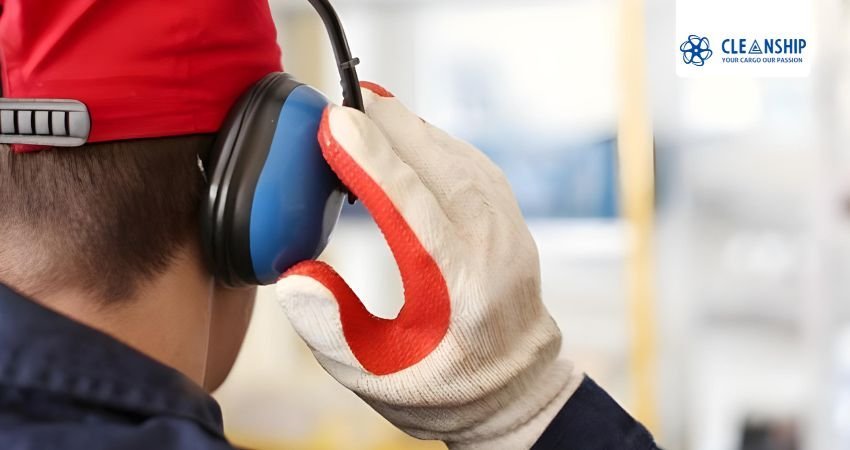
Neglecting to protect hearing can have severe painful long-term consequences, affecting not just career longevity but the overall life grade of seafarers. Hearing loss can affect communication, safety, and job routine, leading to increased risks on board and potential for misfortunes. By consistently using appropriate hearing protection and adhering to safety guidelines, seafarers can seriously reduce their risk of hearing impairment, assuring they remain fit for duty and able to perform their roles effectively throughout their careers. Read also: Decrease Speed When in Highly Congested Waters According to Britannia, appropriate signage should be installed to warn personnel when they are entering a high-noise area. Noise levels above 80 dB(A) require mitigation efforts, and hearing protection is mandatory at 85 dB(A) and above. The installation and use of temporary equipment can also increase noise levels. The effects of noise should be considered in onboard risk assessments and mitigated as necessary. Furthermore, all hearing safety equipment must comply with approved standards. In Europe, for example, the most commonly adopted standard is EN 352. Factors to consider when choosing proper hearing protection include maximum noise level experienced, frequency of exposure, work activity, and personal preference. Experience shows that irritated PPE will not be worn as often as it should be. Read also: Safety Study Grills the Carriage of Charcoal The goal of hearing protection is to lower the noise levels encountered to 80 dB or below. Over-protection, lowering noise to 65–70 dB or lower, can be dangerous as it impairs the capacity to hear communications and alarms, leading to the removal of protection and exposure to harmful noise levels. Cleanship’s recommendations for personnel include:
Read more
unralevant image please change this

Decrease Speed When in Highly Congested Waters

The Nautical Institute sketches lessons learned from an incident in which a chemical tanker crashed with a fish transportation vessel (FTV) while navigating through congested waters.  In good visibility and in darkness, a chemical tanker was underway at about 13 knots with an OOW and a lookout on the bridge. For several hours, they had been navigating in waters heavily congested with fishing boats, during which time the Master was also on the bridge to make conclusions where necessary. At times there were over 100 AIS targets registered on the radar’s 3-mile scale, a mixture of rolling and stationary targets. By 23:00, they had cleared the dense fishing fleet, so the Master left the bridge. Read also: Safety Study Grills the Carriage of Charcoal At 23:19 the lookout noted what he believed to be a fishing vessel ahead and the OOW received it as an ARPA target on the X-band radar soon after. The Master of the other vessel after reported he sighted the tanker at around 23:30. As it transpired, this vessel was not a fishing vessel but a fish transportation vessel (FTV) underway and en route to port to remove a cargo of fish loaded at the fishing grounds. Approximately 3 minutes before CPA, which was essentially zero, the chemical tanker bridge team tried to attract the attention of the other vessel using an Aldis lamp. The two vessels, on a steady bearing and closing range, maintained their course and speed until they were less than 0.5NM apart. At this point, even though the FTV was the giveaway vessel, the chemical tanker’s OOW took control of manual steering and altered course to port using a 15-degree port helm. At about the same time, the FTV made a bold alteration of course to starboard. Neither vessel used sound signals before their alteration but the tanker sounded two short blasts when it became apparent that the FTV was also taking action. Read also: Securing Engine Room Safety: Key Considerations The vessels nonetheless crashed with a closing speed of approximately 15 knots. The tanker’s bow struck the FTV on the port side at an angle of 45 degrees. The tanker’s Master and Chief Officer arrived quickly on the bridge and the engines were stopped, deck lights illuminated and an announcement made on the public address. The tanker’s crew prepared lifesaving equipment, and boarding arrangements and launched the rescue boat to help recover the crew of the stricken FTV who were in the process of abandoning ship. Twelve of the FTV’s crew were recovered from a liferaft by the tanker. The remaining five crew could not launch the FTV’s second liferaft and were recovered by a nearby fishing vessel. The damaged FTV sank approximately an hour after the collision. The investigation found, among other things, that there were no navigational constraints that prevented the tanker from reducing speed or altering course to starboard in ample time. Also, whilst the tanker attempted to attract the attention of the FTV with an Aldis lamp, no use was made of suitable sound signals until five seconds before the collision, when the tanker sounded two short blasts. The report revealed that there have been many similar incidents in the same region, with significant loss of life. A study covering the years 2006-2011 identified 268 incidents involving fishing vessels in the proximate waters, resulting in 562 deaths. Common navigational issues in these cases are a failure to adjust passage plans to avoid areas of high-density fishing traffic, failure to reduce speed in high-density traffic areas, and action to avoid collision being inappropriate, taken too late, with too small a margin for error or a combination of the three.
Read more
Safety Study Grills the Carriage of Charcoal

Safety Study Grills the Carriage of Charcoal

Carrying charcoal as cargo has led to 68 fires on containerships in eight years, with a new study issued to try and help stamp out this scourge. The Cargo Incident Notification System (CINS), a safety initiative representing container shipping lines and maritime insurance interests, has published a series of procedures for the safe carriage of charcoal in containers. The guidelines point out that the packaging, declaration, and transport of charcoal must comply with the International Maritime Dangerous Goods (IMDG) Code. The International Maritime Organization has agreed upon significant new requirements and will come into transitional effect from January 1 with mandatory compliance required as of 2026. The modification means charcoal will no longer benefit from any IMDG code exemption. Read also: Securing Engine Room Safety: Key Considerations Fires affecting containerized cargoes of charcoal typically arise due to the propensity of charcoal to self-heat. If the charcoal is well active, or if it is warm or hot when stowed, then the oxidation process can proceed at a rate at which more heat is developed through oxidation than can be lost through natural cooling. This causes the temperature of the charcoal to rise, according to a study into charcoal fires at sea carried out by Burgoynes, a consultancy. The rate of oxidation of charcoal expands as temperature increases, so, as the temperature of the charcoal rises, so does the rate of oxidation. This, in turn, increases the rate of heat production and raises the temperature of the charcoal even more and, ultimately, this process can result in the material becoming so hot that ignition occurs. This type of process is commonly referred to as self-healing. American fire investigation consultants Jensen Hughes looked at a number of fires at sea concerning charcoal cargoes last year and identified one particular type of charcoal that appears to be involved in fires at sea more than others. The cargoes in these individual incidents were in the form of charcoal discs or tablets, also known as hookah coals, shisha coals, hookah charcoal, shisha charcoal, nargila coal, coal discs or coal tablets. Used for heating tobacco for smoking in hookahs or water pipes, the tablets are typically packaged in foil tubes of around ten tablets and then packed in branded cardboard boxes. Read also: Psychological safety matters: The 4 stages It is estimated that global production of charcoal for domestic and export markets is over 50m tonnes per year. From the incident records created by CINS members, it is known that there were at least 68 fire incidents onboard ships between January 2015 and December 2022. Most of these incidents were caused by misdeclared cargo and therefore the carrier was not aware of the hazards presented. “It is vital to ensure that this cargo is properly prepared, declared, and packaged for safe transportation,” the guidelines stress.
Read more
Cleaning cargo holds

How does one determine the optimal frequency for cleaning cargo holds?

Maintaining clean cargo holds is essential for the efficient operation of cargo ships and ensuring the safe transportation of various goods. Determining the optimal frequency for cleaning cargo holds is a critical task that involves a combination of regulatory compliance, cargo type considerations, ship operator preferences, and environmental factors. Explore the factors that influence how often cargo holds should be cleaned, discuss best practices, and answer some frequently asked questions on the subject. Importance of Cleaning Cargo Holds Cargo holds are the storage areas within ships where different types of goods, from bulk cargoes like grain, coal, and cement, to general cargo such as machinery and textiles, are transported. Cleaning the cargo holds is important for several reasons: 1. Prevention of Contamination: Leftover residues from previous cargoes can contaminate new shipments, which can lead to costly claims and reputation damage. For example, grain cargoes contaminated by coal dust can result in rejected shipments. 2. Compliance with Regulations: International regulations, such as those set by the International Maritime Organization (IMO), stipulate cleaning standards for certain types of cargoes, especially hazardous or harmful materials. 3. Prevention of Damage to Future Cargo: Corrosive or reactive materials can cause damage to cargo holds, leading to costly repairs and operational delays. 4. Safety Considerations: Debris or residues in the hold can become dangerous if they block drainage systems, hatches, or other areas critical for the safe operation of the vessel. Given the critical nature of these factors, determining how often to clean the holds becomes a major operational decision for ship operators. Key Factors in Determining Cleaning Frequency The optimal frequency for cleaning cargo holds depends on several factors. Understanding these factors will help in setting a schedule that meets operational, regulatory, and safety requirements. 1. Type of Cargo Carried Cargo type is one of the most important determinants of cleaning frequency. Some cargoes are more likely to leave residues, while others require specific cleanliness levels to avoid contamination: 1. Dirty Cargoes: Cargoes like coal, cement, or minerals often leave significant residues that must be thoroughly cleaned before the next cargo can be loaded. Holds carrying these cargoes usually need frequent cleaning. 2. Sensitive Cargoes: Perishable goods like grain, sugar, or other food products must be kept in clean, dry holds to prevent contamination. Ships carrying such cargoes need to clean the holds more frequently to maintain hygiene. 3. Hazardous Cargoes: Chemical cargoes or other hazardous materials require special cleaning procedures to ensure safety and prevent cross-contamination with future cargo. 2. Cargo Turnaround Time The time between cargo loads also influences the cleaning schedule. Quick turnarounds may leave little time for thorough cleaning, but cargoes that are particularly prone to contamination might require a more detailed cleaning even in shorter windows. Conversely, longer intervals between shipments may allow more time for cleaning cargo holds, but may also require more thorough procedures to account for accumulated residues. 3. Regulatory Requirements Regulations play a significant role in determining how often cargo holds need to be cleaned. International guidelines, such as those issued by the IMO, require that holds carrying specific cargoes be cleaned to avoid contamination of sensitive environments (such as during ballast water discharge). Additionally, specific countries or ports may have their own requirements for the cleaning and discharge of residues from certain cargoes. Failure to adhere to these regulations can result in fines, delays, and reputational damage for ship operators. 4. Environmental Factors The environment in which a ship operates also affects the cleaning frequency of cargo holds. For example: 1. Humid Climates: High humidity levels can cause certain residues to become sticky and harder to remove. In such environments, more frequent cleaning might be necessary to avoid build-up. 2. Port Regulations: Some ports enforce stringent standards for waste disposal, influencing how residues and wash water can be handled. This may affect how cargo holds are cleaned and how often it needs to be done to meet port requirements. 5. Vessel Age and Condition Older vessels may have more challenging cleaning processes due to wear and tear in the cargo holds. Corroded surfaces, for example, can trap residues, making cleaning more difficult and necessitating more frequent efforts to maintain hold integrity. Newer vessels, designed with better materials, may require less frequent cleaning but still need consistent upkeep to remain compliant and safe. Best Practices for Determining Cleaning Frequency To ensure the optimal frequency for cleaning cargo holds, ship operators can follow a series of best practices: 1. Regular Inspections: Conducting regular visual inspections of cargo holds can help identify when cleaning is necessary. Inspections should focus on areas where residues accumulate, including hidden spots like bilges, frames, and hatch covers. 2. Use of Appropriate Cleaning Equipment: Choosing the right tools and equipment for cleaning holds is essential. For heavy residues, high-pressure washing systems or mechanical scrapers might be needed, while for lighter residues, simple sweeping and mopping may suffice. 3. Create a Cleaning Log: Maintaining a record of previous cargoes, the cleaning methods used, and the condition of the hold post-cleaning can help in planning future cleaning schedules. 4. Adapt to Cargo Type: Customizing the cleaning process based on the type of cargo carried is vital. Certain cargoes may require additional steps, such as fumigation or pest control, which will affect the time and effort needed between voyages. 5. Consultation with Cargo Owners: Working closely with cargo owners can ensure that their cleanliness standards are met, especially when dealing with sensitive or high-value goods. Read also: What Consequences Can Arise From Inadequate Cargo Hold Cleaning? Conclusion Determining the optimal frequency for cleaning cargo holds is a balance between operational needs, regulatory requirements, cargo-specific considerations, and environmental factors. By paying attention to these elements and implementing regular inspections and best practices, ship operators can maintain clean and efficient holds, ensuring the safety of their crew, compliance with regulations, and the protection of the cargo they carry. FAQs:
Read more
Hold cleaning service in khalida Port

Hold Cleaning Service in Khalid Port: IMO Compliance Hold Cleaning

Hold cleaning is an important step in maritime operations, particularly in busy ports like Khalid Port. This service ensures the removal of residues, debris, and contaminants from cargo holds, allowing ships to safely transport new cargo without risk of contamination. In Khalid Port, where vast amounts of various cargo types are loaded and unloaded, professional hold cleaning services play an essential role in maintaining port efficiency and safety. What is Hold Cleaning? Hold cleaning involves the thorough cleaning of a vessel’s cargo hold after the discharge of goods. These holds are large, often cavernous spaces where commodities such as grain, chemicals, coal, or even food products are stored. Over time, residues from these materials can accumulate, potentially leading to contamination or damage to future cargo. Hold cleaning, therefore, ensures that the cargo area is pristine before the next load. Importance of Hold Cleaning Service in Khalid Port At Khalid Port, one of the busiest maritime hubs in the region, hold cleaning is essential not just for maintaining hygiene but also for complying with international maritime safety regulations. The port handles a diverse range of cargoes, making cross-contamination a serious concern. Moreover, unclean holds can delay operations, leading to costly downtime. Ensuring clean holds is critical to maintaining efficient port operations and preventing cargo damage or loss. Process of Hold Cleaning 1. Inspection and Evaluation The first step in any hold cleaning process is a comprehensive inspection. This involves evaluating the condition of the hold, identifying residual materials, moisture, and contaminants. Based on this assessment, cleaning crews can determine the appropriate methods and equipment for the job. 2. Manual Cleaning Often, the initial stage of hold cleaning requires manual labor. Large debris left behind from bulk cargo is removed by hand. Following this, smaller particles and dust are cleared using industrial vacuums and brooms. This step ensures the hold is ready for more intensive cleaning processes. 3. High-Pressure Washing After manual cleaning, high-pressure washing is typically employed to remove residues that cling to the walls and floors of the hold. These washes use high-powered water jets to dislodge even the most stubborn residues, such as oils or chemical deposits. This step is particularly effective in cleaning holds used to transport heavy, messy cargo like coal or chemicals. 4. Chemical Cleaning In some cases, chemical cleaning is necessary to neutralize harmful residues left behind by previous cargo. Specialized, environmentally-friendly cleaning agents are applied to the surfaces to ensure complete decontamination. This step is crucial when dealing with hazardous materials, ensuring that no dangerous substances remain in the hold. 5. Drying and Dehumidification One often overlooked aspect of hold cleaning is drying. Moisture in the hold can lead to mold growth or rusting, both of which can compromise future cargo or even the structural integrity of the vessel. Dehumidifiers and drying systems are used to eliminate any trace of water, leaving the hold dry and ready for the next load. 6. Final Inspection and Certification Once the cleaning process is complete, a final inspection is conducted to ensure the hold meets the necessary standards. If all criteria are satisfied, the cleaning crew provides a certificate of cleanliness, which is often required for the vessel to load new cargo. Environmental and Safety Considerations Environmental Regulations at Khalid Port Khalid Port operates under strict environmental regulations, which means hold cleaning services must adhere to local and international laws governing marine pollution. Cleaning agents must be non-toxic and environmentally safe, ensuring that no harmful substances are released into the water or surrounding environment. Safety Protocols for Crew and Equipment Safety is a top priority during hold cleaning operations. Crews are equipped with Personal Protective Equipment (PPE), and strict safety protocols are in place to prevent accidents. The use of specialized, safe cleaning equipment ensures that both the vessel and the crew remain unharmed during the cleaning process. Benefits of Professional Hold Cleaning Services 1. Preventing Cross-Contamination One of the primary reasons for hold cleaning is to prevent cross-contamination between different types of cargo. Residues from chemicals or other hazardous materials can easily mix with subsequent shipments, potentially ruining entire loads or posing significant health risks. 2. Reducing Downtime and Maximizing Efficiency Professional hold cleaning services are designed to minimize downtime. At Khalid Port, vessels need to operate on tight schedules, and any delay in cleaning can result in costly setbacks. Using state-of-the-art equipment, professional cleaning crews can complete the job quickly and efficiently, allowing vessels to resume operations promptly. 3. Prolonging Vessel Longevity Regular hold cleaning also contributes to the longevity of a vessel. By removing corrosive materials and preventing rust, hold cleaning can extend the lifespan of a ship, reducing maintenance costs and preventing expensive repairs down the line. Choosing the Right Hold Cleaning Provider 1. Expertise and Experience When selecting a hold cleaning provider at Khalid Port, it’s essential to consider their experience and expertise. The best providers will have a thorough understanding of the unique challenges presented by different types of cargo and will be well-versed in the specific regulations governing hold cleaning in the region. 2. Use of Modern Technology Advanced cleaning technologies, such as robotic cleaners and high-powered washing systems, can make the cleaning process faster and more effective. Providers who invest in modern technology are more likely to offer thorough and efficient cleaning services. 3. Cost Considerations While price is always a factor, it’s important to weigh the cost of cleaning services against the quality of work provided. Cheaper services may not offer the same level of thoroughness, potentially leading to issues down the road, such as contamination or vessel damage. Read also: Hold Cleaning Service in Khalifa Port Conclusion Professional hold cleaning services at Khalid Port are essential for maintaining safe, efficient, and compliant maritime operations. By choosing experienced providers who utilize modern technologies and adhere to environmental regulations, shipowners can ensure their vessels remain in top condition, ready for their next journey. Frequently Asked Questions
Read more
Hold cleaning service in Khalifa Port

Hold Cleaning Service in Khalifa Port: Ensuring Maritime Excellence

When it comes to maritime logistics, hold cleaning plays an integral role in maintaining the efficiency, safety, and compliance of vessels, especially in major ports like Khalifa Port. The significance of cleaning cargo holds after each voyage cannot be overstated, as unclean holds can lead to contamination, delays, and hefty fines. Khalifa Port, being one of the busiest and most advanced ports in the Middle East, is a hub for global maritime operations, making professional hold cleaning services a necessity. Why Hold Cleaning is Important in Khalifa Port Khalifa Port handles a wide range of cargo types, including grain, chemicals, and raw materials. Each of these commodities presents unique challenges in terms of cleanliness and safety. Cross-contamination between different types of cargo can lead to significant problems for shipping companies, affecting not only their reputation but also their operational efficiency. Hold cleaning services ensure that vessels leaving Khalifa Port meet the strict international maritime standards for cleanliness and hygiene. This process involves removing residues from previous cargo, eliminating harmful contaminants, and ensuring that the hold is free of moisture that could cause damage to sensitive cargo. By providing thorough cleaning, shipping companies can prevent cross-contamination and guarantee that future cargo is not compromised. Avoiding Contamination and Cargo Damage The residues from previous cargo shipments can pose serious threats if not handled properly. For example, leftover grain particles can attract pests, while chemical residues may react with other substances, causing dangerous conditions. Moreover, moisture accumulation in the hold can lead to rusting of the vessel’s infrastructure, compromising its structural integrity over time. A thorough cleaning process involves high-pressure washing, chemical cleaning, and vacuuming of debris. The use of industry-standard equipment ensures that every corner of the hold is reached, leaving no room for potential hazards. In Khalifa Port, where efficiency is paramount, hold cleaning companies use cutting-edge technology to reduce the downtime associated with this process, allowing ships to return to service as quickly as possible. Hold Cleaning Process: From Inspection to Execution Step 1: Inspection and Assessment Before the cleaning process begins, a comprehensive inspection of the cargo hold is conducted. This inspection identifies any areas that require special attention, such as stubborn residues, rust spots, or areas prone to moisture retention. The assessment helps tailor the cleaning process to the specific needs of the vessel, ensuring optimal results. Step 2: Pre-Cleaning Preparations The hold cleaning process starts with removing large debris manually. This includes any leftover cargo materials that were not discharged during unloading. Once the hold is clear of bulk materials, the team moves on to sweeping and vacuuming smaller particles. Step 3: High-Pressure Washing High-pressure washing is the core of the hold cleaning process. This step removes sticky residues, dirt, and contaminants from the hold’s surfaces. Using water at high pressure, the cleaning team ensures that even the toughest substances are dislodged from the hold walls and flooring. This method is particularly effective in removing remnants of chemicals, grain dust, or coal, which can be challenging to clean. Step 4: Chemical Cleaning and Disinfection For vessels carrying more hazardous or perishable goods, additional chemical cleaning is required. The cleaning agents used must be environmentally friendly yet powerful enough to eliminate any dangerous residues. This step is crucial when dealing with chemicals, oils, or other substances that leave toxic traces. Once the chemical cleaning is completed, the hold undergoes a disinfection process to ensure that no microbial contaminants remain. This is particularly important for vessels carrying food products or materials that are sensitive to contamination. The disinfection process guarantees that the next cargo load will not be affected by previous shipments. Step 5: Final Inspection and Certification After the hold has been thoroughly cleaned, a final inspection is carried out to ensure that it meets both the port’s and international standards for cleanliness. If the hold passes inspection, the cleaning team provides a certificate of cleanliness, which is essential for port authorities and regulatory compliance. The Importance of Professionalism in Hold Cleaning Services Given the complexity of modern maritime logistics, choosing a professional hold cleaning service in Khalifa Port is not just about cleanliness; it’s about compliance, safety, and efficiency. Khalifa Port, as a critical node in global supply chains, requires adherence to strict standards. A failure in this process can result in cargo rejection, delays, or even environmental penalties. Professional hold cleaning service in Khalifa Port utilize specialized equipment, advanced cleaning agents, and well-trained personnel to ensure that each vessel is properly cleaned, decontaminated, and inspected. Environmental and Safety Standards Hold cleaning service in Khalifa Port to adhere to International Maritime Organization (IMO) standards, as well as local environmental regulations. The port is located in the UAE, a country known for its stringent environmental policies. As such, cleaning companies must ensure that their operations do not lead to marine pollution or the release of harmful chemicals into the surrounding environment. In addition to protecting the environment, hold cleaning service in Khalifa Port also ensure the safety of the crew and port workers. By removing toxic residues and ensuring proper ventilation, cleaning companies help to create a safer working environment both aboard the vessel and during the loading and unloading processes. Why Choose Khalifa Port for Your Hold Cleaning Needs? Khalifa Port has established itself as a leader in maritime logistics not only because of its state-of-the-art facilities but also due to its commitment to maintaining the highest standards of operational efficiency and environmental stewardship. The port works closely with professional hold cleaning companies to ensure that vessels meet international standards for cleanliness and safety. Hold Cleaning Service in Khalifa Port offers a range of benefits: Read also: Hold Cleaning Service in Mina Saqr Conclusion In the bustling environment of Khalifa Port, hold cleaning is an essential service that ensures smooth operations, safety, and compliance with international standards. A well-maintained and thoroughly cleaned hold can prevent contamination, reduce downtime, and enhance the longevity of a vessel. Professional hold cleaning service in Khalifa Port not only keeps vessels
Read more
Hold cleaning service in Mina Saqr

Hold Cleaning Service in Mina Saqr

Efficient and thorough hold cleaning services are a critical aspect of cargo ship operations, particularly for those docking at Mina Saqr, a key port in the UAE. This service not only ensures compliance with international standards but also maintains cargo quality, prevents contamination, and upholds the vessel’s integrity. In this article, we delve deep into the importance of hold cleaning, the specific challenges faced in Mina Saqr, and why professional hold cleaning services play a pivotal role in maritime logistics. Why Hold Cleaning is Essential in Mina Saqr The Mina Saqr port is a major hub for bulk cargo, including commodities such as grain, coal, fertilizers, and minerals. Each of these materials can leave behind residues, which, if not properly cleaned, could lead to contamination of future shipments. The humid climate of the region also heightens the risk of mold growth and corrosion. Ensuring that the cargo holds are completely clean and dry is essential to preventing cross-contamination and meeting international food and safety standards. The International Maritime Organization (IMO) mandates that all vessels carrying bulk cargo undergo thorough hold cleaning before and after each shipment. Failure to meet these standards could result in heavy fines, shipment delays, and in some cases, rejection of the cargo by the receiving party. Mina Saqr, being a high-traffic port, has strict compliance checks, making hold cleaning even more crucial. Key Challenges in Hold Cleaning at Mina Saqr Hold cleaning service in Mina Saqr presents unique challenges due to the port’s hot and humid climate. These conditions increase the risk of residue buildup and corrosion in ship holds, particularly when dealing with hygroscopic materials like salt, fertilizers, and grains. Additionally, the abrasive nature of materials like iron ore and coal can damage the hold surface, which requires not just cleaning, but often a protective coating to ensure the integrity of the ship’s interior. Another challenge is time. Vessels operating out of Mina Saqr often have tight turnaround times. As such, hold cleaning services must be efficient, using advanced cleaning technologies that minimize downtime while ensuring the highest standards of cleanliness. Techniques Used in Hold Cleaning Services There are several modern techniques employed by professional hold cleaning companies to meet the rigorous standards set by regulatory authorities and port operations. High-Pressure Water Cleaning One of the most common methods, high-pressure water cleaning, is effective in removing solid residue from previous cargoes. This method uses specialized pumps to spray high-pressure water at the surfaces of the cargo holds, dislodging tough materials like coal dust or cement residue. In Mina Saqr, where bulk materials like gypsum and limestone are commonly shipped, this technique proves highly effective. Chemical Cleaning Solutions When dealing with oily or stubborn residues that water alone cannot remove, chemical cleaning agents come into play. These specially formulated cleaning solutions break down grease, oil, and other contaminants, leaving the hold spotless. This method is especially important for ships carrying food-grade materials, where cross-contamination must be avoided at all costs. Vacuuming and Blowing For loose dust particles and fine residues, vacuuming and blowing methods are applied. Industrial vacuum systems are used to extract fine dust that could potentially contaminate future cargoes. Alternatively, air blowers can be used to sweep out the holds, ensuring they are free of any residual particles. Drying and Dehumidification In the hot, humid climate of Mina Saqr, moisture poses a significant risk to bulk cargoes, especially those sensitive to humidity, such as grains and fertilizers. Dehumidifiers are employed to dry out the holds post-cleaning, ensuring no moisture remains that could lead to cargo spoilage or hold corrosion. Environmental Considerations in Hold Cleaning Hold cleaning service in Mina Saqr must be conducted in an environmentally responsible manner. Wastewater generated from cleaning holds can contain harmful chemicals or materials that could damage the marine ecosystem if not properly treated. As a result, professional cleaning companies adhere to strict environmental regulations, using water treatment systems to neutralize pollutants before discharge. Additionally, many companies now use eco-friendly cleaning agents that minimize harm to the environment while still delivering thorough cleaning results. The Importance of Choosing a Professional Hold Cleaning Service Selecting the right hold cleaning provider is required for ship operators. A professional hold cleaning service will have the expertise, equipment, and personnel necessary to tackle the toughest challenges, ensuring that vessels meet the strict standards imposed by the IMO and local port authorities like those at Mina Saqr. Professional cleaning teams are trained to work under tight deadlines and adverse conditions. They understand the types of materials typically carried through Mina Saqr and are adept at removing all traces of them from the holds. They also offer post-cleaning inspections and certifications, giving shipping companies peace of mind that their vessels are ready for their next load. Cost Implications of Poor Hold Cleaning Cutting corners on hold cleaning can have significant financial repercussions. Residue left in cargo holds can lead to contamination of the next shipment, resulting in the cargo being rejected by the buyer. The cost of lost cargo can be substantial, not to mention the fines imposed by regulatory bodies for non-compliance. Additionally, improperly cleaned holds can lead to accelerated corrosion, increasing maintenance costs and reducing the ship’s lifespan. Investing in professional hold cleaning services ensures compliance, preserves cargo integrity, and extends the operational life of the vessel, making it a cost-effective decision in the long run. Read also: Hold Cleaning Service in Mina Rashid Why Choose Our Hold Cleaning Service in Mina Saqr Our hold cleaning service in Mina Saqr stands out for its comprehensive approach, advanced cleaning technologies, and dedication to environmentally responsible practices. With a team of highly trained professionals, we offer: We understand the pressures ship operators face in maintaining tight schedules, and our cleaning teams are equipped to provide rapid, efficient services without compromising on quality. Whether you’re dealing with particularly tough residues or facing time constraints, we ensure your vessel is ready to sail on time and in full compliance with the regulations. Frequently Asked Questions 1.
Read more
Shopping Cart (0 items)