




Blog

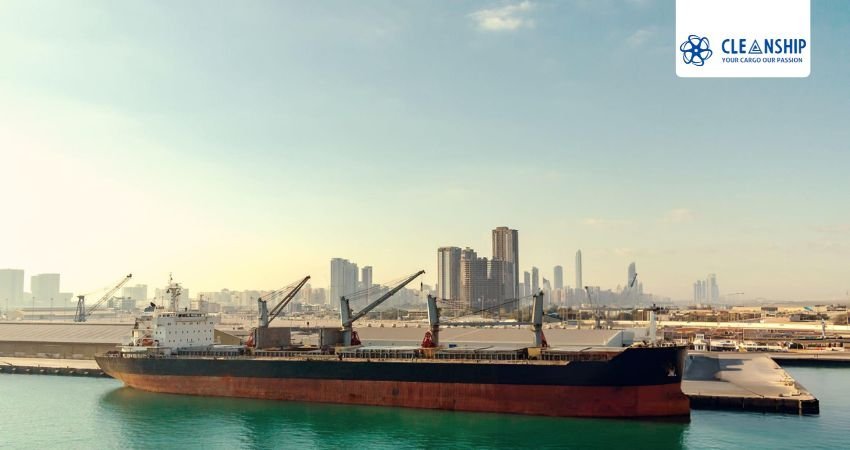
Hold cleaning service in mina rashid

Hold Cleaning Service in Mina Rashid: Ensuring Optimal Ship Performance and Cargo Safety

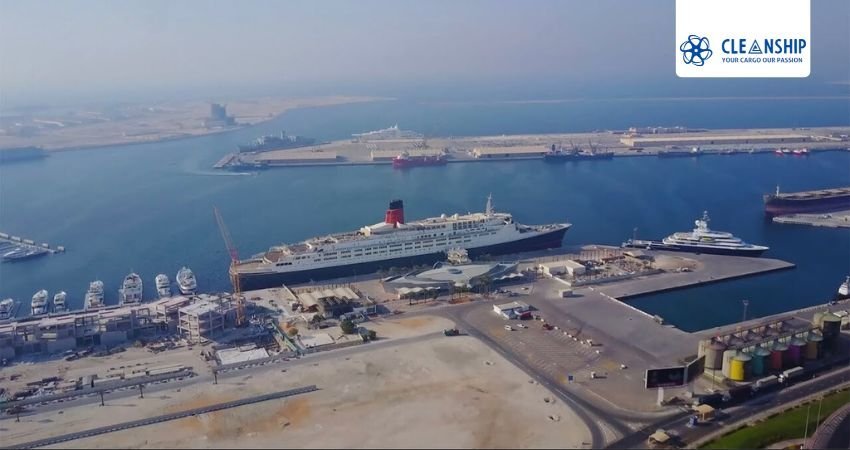
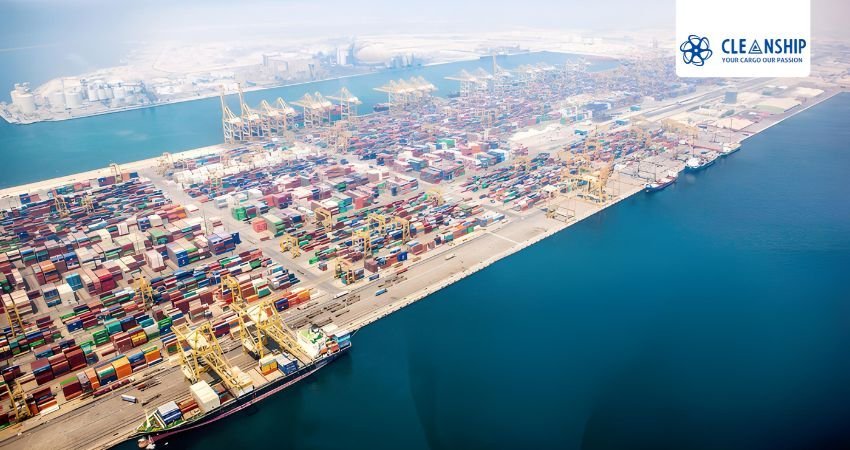
Hold cleaning services are a critical aspect of the maritime industry, particularly in busy ports like Mina Rashid in Dubai. This service plays an essential role in maintaining the quality of ships, preventing contamination of cargo, and ensuring compliance with international safety and hygiene standards. With Mina Rashid serving as a prominent hub for global trade, offering hold cleaning service in Mina Rashid is pivotal for ensuring the smooth operation of maritime logistics. Importance of Hold Cleaning Services Cargo holds are large compartments within cargo ships designed to store and transport various materials. The nature of shipping involves transporting different types of cargo such as grains, coal, cement, chemicals, and other goods that leave residues. These residues, if not cleaned effectively, can pose several risks: 1. Cross-contamination: If a ship carries different types of cargo consecutively without adequate cleaning, residues from previous loads can contaminate the next shipment. This is particularly dangerous in the case of food and agricultural products. 2. Health and safety risks: Accumulated residues can harbor pests, mold, or hazardous materials, which may create unsafe working environments for crew members and dockworkers. 3. Ship damage: Residues such as corrosive materials can cause damage to the structure of the ship over time. Regular hold cleaning ensures that these residues do not contribute to long-term wear and tear of the vessel. 4. Regulatory compliance: International maritime laws mandate regular cleaning of cargo holds to ensure hygiene and safety. Non-compliance can result in heavy fines and the detention of vessels at ports. Given these risks, the importance of professional hold cleaning services cannot be overstated. The cleaning process ensures not only that the ship is ready for its next cargo but also that it adheres to the highest standards of operational efficiency. Mina Rashid: A Key Maritime Hub Mina Rashid, often known as Port Rashid, is one of the largest and busiest ports in the Middle East. Located in Dubai, it serves as a key gateway for global trade, handling millions of tons of cargo every year. Its strategic location at the crossroads of Asia, Europe, and Africa makes it a vital port for ships traveling through the Arabian Gulf and beyond. The port’s bustling activity demands stringent adherence to operational standards, especially when it comes to maintaining the cleanliness and safety of ships that arrive and depart. With such a high volume of traffic, hold cleaning services are in constant demand, ensuring that ships are turned around quickly without compromising on safety. The Hold Cleaning Process The hold cleaning process is a meticulous one, involving several steps to ensure that the cargo hold is free from any residue or contaminants: 1. Pre-inspection: Before beginning the cleaning process, a thorough inspection of the cargo hold is carried out to assess the condition and identify any areas that require special attention. This includes checking for remnants of the previous cargo, rust, damage, or pest infestation. 2. Dry Cleaning: Depending on the cargo type, the first step is often dry cleaning, which involves removing large debris, dust, and loose materials from the cargo hold. This is typically done using industrial vacuums, brushes, and shovels. 3. Washing: Once the bulk of the debris is removed, the cargo hold is washed using high-pressure water jets. This helps to dislodge any remaining particles that may be stuck to the walls and floor of the hold. Sometimes, special cleaning agents or chemicals may be used to tackle particularly stubborn residues or stains. 4. Chemical Cleaning: In some cases, especially if the previous cargo was hazardous or corrosive, a chemical cleaning process is employed. This involves using specific chemicals to neutralize any harmful substances and ensure that the hold is safe for the next load of cargo. 5. Drying: After washing, the hold must be thoroughly dried to prevent the growth of mold or bacteria. This step is critical, especially if the next cargo consists of sensitive goods like food or agricultural products. 6. Final Inspection and Approval: Once the hold is cleaned and dried, a final inspection is conducted to ensure that all residue has been removed and that the space is ready for the next cargo. Depending on the type of cargo, this inspection may involve checks for contamination, moisture levels, or chemical residues. Equipment and Technology Used in Hold Cleaning Hold cleaning service is a labor-intensive process, but advances in technology have streamlined many aspects of it. Some of the specialized equipment and technologies used in hold cleaning services include: 1. High-pressure water jets: These powerful tools allow for the thorough cleaning of large cargo holds. They are particularly effective in removing stubborn residues and stains. 2. Vacuum systems: Industrial-grade vacuums are used to remove loose dust, dirt, and debris quickly and efficiently. 3. Chemical sprayers: For ships carrying hazardous or corrosive cargo, chemical sprayers are used to apply specialized cleaning agents that neutralize harmful substances. 4. Robotic cleaners: In recent years, robotic cleaning systems have been introduced to the maritime industry. These automated machines can navigate tight spaces within cargo holds, ensuring that every corner is cleaned without the need for human intervention. This not only speeds up the cleaning process but also reduces safety risks for workers. Challenges in Hold Cleaning at Mina Rashid Operating hold cleaning service in Mina Rashid comes with its own set of challenges when it comes to this port: 1. High Volume of Traffic: As one of the busiest ports in the Middle East, ships are constantly arriving and departing. This creates tight schedules, requiring hold cleaning teams to work quickly and efficiently to ensure that ships are ready to sail again as soon as possible. 2. Diverse Cargo Types: Mina Rashid handles a wide range of cargo, from food products and chemicals to construction materials and oil. Each type of cargo requires a different cleaning approach, making it essential for cleaning teams to be well-versed in various cleaning techniques. 3. Environmental Concerns: Given its proximity to the Arabian Gulf, environmental regulations are strictly enforced at
Read more
Hold Cleaning Service in Khor Fakkan Port

Hold Cleaning Service in Khor Fakkan Port: A Crucial Process in Maritime Operations

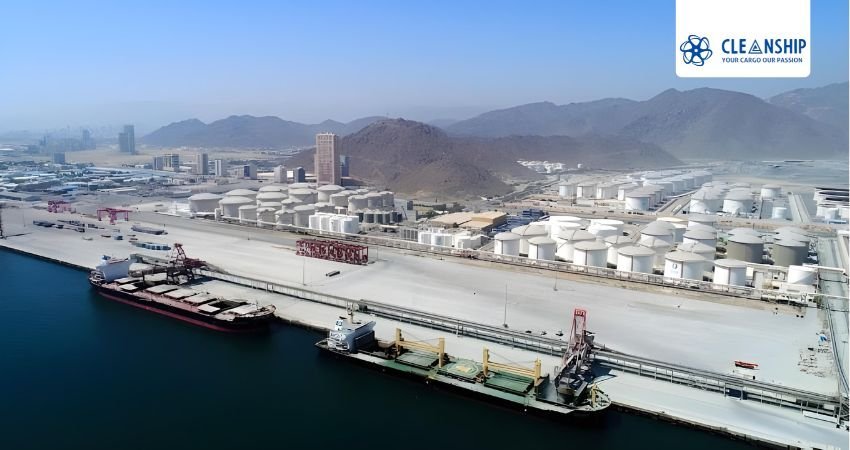
Khor Fakkan Port, strategically located along the eastern seaboard of the United Arab Emirates, has long been recognized as a significant maritime hub. Its deep waters and proximity to international shipping routes make it a key player in global trade. However, the port’s functionality and reputation don’t just rest on its location or infrastructure; rather, it’s the port’s commitment to maintaining high standards of service, including the often-overlooked but essential task of cargo hold cleaning. Cargo hold cleaning is an important process in ensuring safe, efficient, and contaminant-free transportation of goods. In this article, we delve into the importance of the hold cleaning service in Khor Fakkan Port, the methods used, the challenges faced, and the overall impact on the maritime industry. The Importance of Hold Cleaning in Shipping Hold cleaning is a process that involves thoroughly cleaning the cargo hold of a ship, typically after unloading, before new cargo is loaded. It ensures that the hold is free from any residues, contaminants, or materials from the previous cargo that might affect the next shipment. There are several reasons why this service is essential: 1. Prevention of Contamination: Different types of cargo require different storage conditions. For example, grain products must be stored in a sterile, dust-free environment to avoid contamination, while chemicals may require the removal of any traces from previous loads. A poorly cleaned hold can lead to cross-contamination, which can ruin the next load and even lead to financial losses. 2. Compliance with International Standards: Hold cleaning ensures that ships meet international maritime regulations and industry standards for hygiene and safety. Cargo hold cleanliness is regularly inspected by authorities at ports worldwide, and failure to meet these standards can result in fines, delays, and reputational damage. 3. Avoiding Cargo Damage: Certain types of cargo, such as sensitive chemicals or food products, can be damaged by residues left behind by previous shipments. Proper hold cleaning prevents any material from reacting with or damaging the next cargo load. 4. Protecting Crew and Equipment: Thorough cleaning of holds is essential to prevent the buildup of hazardous materials. Chemicals, dust, and residues can endanger the health and safety of crew members if not properly managed. Methods Used in Hold Cleaning Service in Khor Fakkan Port At Khor Fakkan Port, hold cleaning services have evolved significantly with the introduction of modern technology and specialized techniques. Some of the commonly used methods include: 1. Manual Cleaning: This traditional method involves crew members entering the hold with scrapers, brushes, and cleaning agents. They remove debris and residues from the surfaces, paying close attention to hard-to-reach areas such as corners and crevices. Although labor-intensive, manual cleaning allows for meticulous inspection and spot cleaning. 2. High-Pressure Water Cleaning: This method involves the use of high-pressure water jets to remove stubborn residues from the hold’s walls and floors. It is particularly useful for removing dust, rust, and salt deposits that may accumulate during long voyages. Depending on the level of contamination, water may be used with or without detergents. 3. Chemical Cleaning: Some cargo residues are resistant to water cleaning and require the use of chemical agents. Acidic or alkaline chemicals are used to dissolve or neutralize substances that cannot be cleaned manually or with water, especially in the case of oil or chemical spills. 4. Dry Ice Blasting: In cases where water or chemicals might damage the hold, dry ice blasting is employed. This method involves projecting solid CO2 particles at high speed to clean surfaces without leaving behind water or residue, making it ideal for sensitive cargo holds. 5. Vacuum Suction Systems: Large vacuum systems can be employed to remove loose debris, dust, and other fine particles that accumulate in the hold. This method is often used after water-based cleaning to ensure no residual particles remain. 6. Robotic Cleaning: Advancements in technology have led to the use of robots for hold cleaning. These robots are designed to enter the hold and perform a thorough cleaning using high-pressure water or chemical sprays, reducing the need for human entry into potentially hazardous environments. Challenges of Hold Cleaning at Khor Fakkan Port While Khor Fakkan Port benefits from advanced equipment and well-trained personnel, there are several challenges unique to hold cleaning service in khor fakkan port: 1. Time Constraints: The shipping industry operates on tight schedules. Ships dock only for a limited period, so hold cleaning must be performed quickly to avoid delays. Service providers at Khor Fakkan Port are equipped to handle rapid turnaround times while maintaining quality standards. 2. Cargo Residue Complexity: Different types of cargo, such as chemicals, grains, or coal, leave different kinds of residues that require tailored cleaning approaches. Service providers must be well-versed in handling a wide range of materials and use the correct cleaning techniques to avoid damage to the hold or future cargo. 3. Environmental Concerns: With increasing awareness of environmental protection, ports and shipping companies are under pressure to minimize the environmental impact of cleaning operations. Hold cleaning service in Khor Fakkan Port providers are adopting eco-friendly cleaning solutions that reduce the use of harmful chemicals and ensure proper disposal of wastewater and residues. 4. Health and Safety Regulations: Hold cleaning is a hazardous task, especially when dealing with chemical residues, confined spaces, or unstable debris. Compliance with international and local safety standards is critical to ensuring the safety of workers performing the cleaning. The Role of Khor Fakkan Port in Ensuring Quality Hold Cleaning Khor Fakkan Port takes pride in offering world-class services to its clients, and hold cleaning is no exception. The port works closely with specialized service providers who are experts in hold cleaning procedures. These teams are equipped with state-of-the-art tools and trained to deliver efficient and effective cleaning solutions. Moreover, the port ensures that service providers adhere to stringent safety and environmental regulations. The adoption of best practices, such as eco-friendly cleaning methods and robotic technologies, positions Khor Fakkan Port as a leader in sustainable maritime operations. Read also: Hold Cleaning Service in
Read more
inadequate cargo hold cleaning 1

What Consequences Can Arise From Inadequate Cargo Hold Cleaning?

Inadequate cargo hold cleaning on bulk carriers can lead to a range of serious consequences, affecting operational efficiency, financial standing, legal compliance, and the ship’s reputation. Here are the main risks and consequences: 1. Cargo Contamination Residual materials from previous cargoes can mix with new loads, leading to contamination. This is particularly problematic when transporting sensitive cargo like foodstuffs or chemicals. Contaminated cargo can be rejected by buyers, resulting in financial losses, disputes, or legal action. 2. Fines and Penalties Many countries have stringent regulations, especially when it comes to food-grade or hazardous materials. Failure to properly clean cargo holds can lead to hefty fines, penalties, or even vessel detainment until compliance is achieved, which can severely disrupt schedules. 3. Rejection of Cargo If a cargo hold is found to be inadequately cleaned, port authorities, inspectors, or customers may refuse to load or unload cargo until cleaning standards are met. This can cause significant delays, loss of contracts, and reputational damage. 4. Delays and Demurrage Costs If holds are not clean and require additional cleaning while at port, it can cause long delays. The ship may incur demurrage costs, which are fees paid to charterers or port authorities for time lost due to vessel unavailability. This can lead to financial losses. 5. Cross-Contamination and Damage to Cargo Inadequate cleaning can result in leftover residues, moisture, or chemical reactions, damaging the next cargo. For example, traces of coal can stain or damage food products, and moisture from previous cargo can cause mildew, spoilage, or corrosion, resulting in expensive damage claims. 6. Pest Infestation Organic residues, especially from grains or other food-related cargo, can attract pests such as insects, rodents, or fungi. Pest infestations can spread to new cargo, lead to quarantine measures at ports, and damage the ship’s reputation as an unclean vessel. 7. Damage to Vessel Structure Leftover corrosive materials, such as salt or fertilizer, can erode the ship’s steel structure over time, leading to rust, corrosion, and structural damage. Inadequate cleaning increases the need for costly maintenance and repairs, and can even compromise the vessel’s safety. 8. Health and Safety Risks Residual dust, chemicals, or organic material can pose health hazards to the crew, leading to respiratory problems, chemical exposure, or slips and falls in unsafe, dirty holds. This creates unsafe working conditions and can result in legal liabilities for the shipowner. 9. Increased Insurance Premiums or Claims If cargo or ship damage occurs due to poor cleaning practices, it can lead to insurance claims, potentially increasing future premiums. In severe cases, the insurer may refuse to cover damages if negligence in hold cleaning is proven. 10. Loss of Business and Reputation A shipowner or operator that frequently fails to provide clean cargo holds may develop a poor reputation in the market. This can lead to loss of contracts and reduced demand for the vessel, as charterers and customers prefer ships that maintain proper standards of cleanliness. In short, inadequate cargo hold cleaning can cause contamination, delays, financial losses, legal consequences, damage to the ship, and deterioration of market reputation, all of which are avoidable with proper cleaning practices. Read also: Top 7 Prioritize Cargo Hold Cleaning in Bulk Carriers 2024?
Read more
Hold cleaning service in zayed port

Hold Cleaning Service in Zayed Port: A Comprehensive Insight

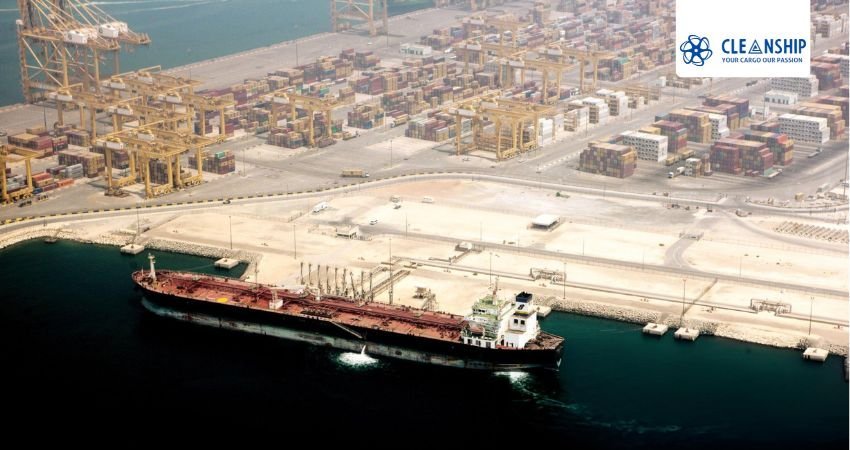
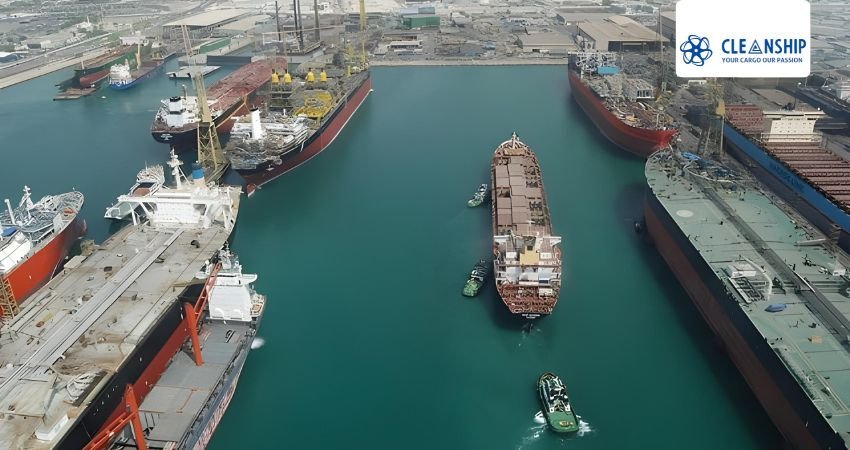
Zayed Port, located in the heart of Abu Dhabi, is one of the most strategic and bustling ports in the Middle East. As the primary gateway for maritime trade in the region, it handles a diverse range of cargo, from bulk materials to containerized goods. To maintain the efficiency, safety, and operational standards of the vessels visiting Zayed Port, one of the most critical services offered is hold cleaning. Hold cleaning, though often overlooked, is essential in maintaining the integrity of a ship’s cargo hold between voyages, especially when transporting bulk materials like grain, coal, cement, or chemicals. We are exploring the importance of hold cleaning service in Zayed Port, the various techniques involved, the challenges unique to Zayed Port, and the impact of professional cleaning on the overall maritime industry. Importance of Hold Cleaning in Maritime Operations The hold of a ship is essentially the large, enclosed space within the vessel where cargo is stored. Over time, residues from previous cargo, dust, moisture, and contaminants can accumulate within the hold. Without proper cleaning, these residues can cause several issues: 1. Contamination: Cross-contamination between different cargo types is a significant risk, especially in the case of bulk materials such as food grains. A cargo hold that previously carried chemicals or coal, if not thoroughly cleaned, can introduce harmful residues into the next shipment, compromising the quality of the cargo and potentially leading to expensive claims or disputes. 2. Corrosion: The residues left from previous loads can also react with moisture, leading to corrosion of the ship’s metal surfaces. Corrosion not only weakens the structural integrity of the vessel but also decreases the lifespan of the cargo hold, necessitating costly repairs. 3. Health and Safety Hazards: Poorly cleaned holds can become breeding grounds for mold, pests, and other hazardous substances that threaten the health of the crew, dock workers, and the cargo itself. 4. Regulatory Compliance: Ports and maritime authorities worldwide, including those in the UAE, have stringent regulations regarding the cleanliness of ship holds. Non-compliance can result in fines, delays in port clearance, or even detention of the vessel. Given the necessary importance of hold cleanliness, Zayed Port has developed a robust framework for hold cleaning services, catering to the diverse needs of the shipping industry. Techniques and Methods Used in Hold Cleaning Hold cleaning requires specialized techniques depending on the type of residue, the material of the cargo hold, and the next cargo to be transported. At Zayed Port, various methods are employed by cleaning contractors to ensure that vessels leaving the port meet international cleanliness standards: 1. Dry Cleaning This is one of the most common techniques used when cleaning holds that have carried dry bulk cargo such as grain, coal, or ore. Dry cleaning involves sweeping, scraping, and vacuuming to remove loose debris and dust. Industrial vacuum machines are often employed to remove fine dust particles that are difficult to clean manually. 2. Chemical Cleaning For holds that have transported hazardous or chemical cargo, a simple dry cleaning may not suffice. Chemical cleaning agents are used to break down and neutralize the residues of the previous cargo. This method involves the application of specialized detergents and solvents, followed by high-pressure washing to ensure no traces of chemicals remain in the hold. 3. High-Pressure Washing Water at extremely high pressure is used to dislodge and remove stubborn debris stuck to the surface of the hold. This method is commonly used after dry cleaning to ensure that all residues are thoroughly removed. High-pressure washing also helps in removing any dust that may have settled into cracks or crevices in the hold structure. 4. Descaling Descaling is a specialized cleaning process used to remove rust and scale that accumulate on the steel surfaces of the hold. This is particularly important for holds that have carried corrosive materials or have been exposed to seawater for prolonged periods. Descaling can be done mechanically or through chemical treatments, depending on the severity of the corrosion. 5. Steam Cleaning In cases where hygiene is critical, such as the transportation of food-grade products, steam cleaning is employed. This method uses high-temperature steam to sterilize and clean the hold, effectively killing bacteria, mold, and other microorganisms that may be present. Steam cleaning is also environmentally friendly, as it uses minimal chemicals. Challenges of Hold Cleaning Service in Zayed Port While hold cleaning is a routine service, Zayed Port presents unique challenges due to its geographical location and the types of cargo it handles: 1. Climate and Weather Conditions Abu Dhabi’s climate is characterized by high temperatures, intense humidity, and dust storms, especially during the summer months. The heat can cause residues within the hold to harden, making them more difficult to clean. Dust storms, on the other hand, introduce additional contaminants that require thorough cleaning before the next cargo is loaded. 2. Diverse Cargo Types Zayed Port handles a wide range of cargo, from petroleum products and chemicals to foodstuffs and construction materials. This diversity means that hold cleaning contractors must be adaptable and knowledgeable about different cleaning techniques to cater to each type of cargo. Specialized equipment and cleaning agents are often required to meet the varying needs of different cargo types. 3. Time Constraints Vessels docking at Zayed Port are often on tight schedules. Efficient turnaround times are essential to avoid delays, so hold cleaning operations must be quick, effective, and thorough. The port’s cleaning teams are trained to work efficiently, minimizing downtime while ensuring compliance with cleanliness standards. 4. Stringent Environmental Regulations The UAE has implemented strict environmental laws to protect its marine ecosystems, and Zayed Port is no exception. Waste disposal from hold cleaning, especially when using chemicals, must be managed carefully to prevent environmental contamination. Cleaning contractors must follow approved protocols for waste management and disposal, ensuring that the port remains compliant with environmental regulations. The Impact of Professional Hold Cleaning on Shipping Operations Professional hold cleaning service in Zayed Port are a crucial element in ensuring smooth and efficient
Read more
Hold cleaning service in Sharjah

Hold Cleaning Service in Sharjah: A Crucial Component for Maritime Operations

Sharjah, located along the Arabian Gulf, is a vital hub for maritime trade in the UAE. Its strategic position makes it an important destination for various industries, including shipping and logistics. The Emirate’s thriving ports, like Port Khalid and Hamriyah Port, serve as gateways for global trade routes, handling significant amounts of cargo. One integral aspect of maritime operations, particularly for cargo vessels, is hold cleaning services. These services ensure the cleanliness and safety of cargo holds, contributing to the overall efficiency, hygiene, and operational compliance of vessels. We will delve into the significance of hold cleaning service in Sharjah, the techniques involved, and the industry standards that must be adhered to. We will also discuss the advantages of hiring professional cleaning services and how Sharjah’s maritime regulations influence these processes. The Importance of Hold Cleaning Service in Sharjah Cargo ships carry a diverse range of products— from bulk commodities like grain, coal, and cement, to hazardous materials. Over time, residues from these materials accumulate within the cargo holds. If these residues are not properly cleaned, they can cause contamination, leading to the spoilage of future cargoes, or even health hazards. For instance, when switching from transporting coal to grain, any leftover coal dust can spoil the grain, rendering it unusable. Thus, a thorough cleaning of the cargo holds is essential before the next shipment. Additionally, cargo holds can accumulate moisture, rust, or microbial growth, all of which can compromise the structural integrity of the vessel and pose risks to the safety of crew members. Neglecting hold cleaning can lead to regulatory penalties, insurance claims, and even the rejection of cargo by clients due to contamination concerns. In Sharjah, where global trade continues to expand, maintaining the cleanliness of cargo holds is crucial for ensuring that goods are transported safely and efficiently. Types of Cargo Holds and Cleaning Requirements Hold cleaning methods vary based on the type of vessel and the cargo being transported. Bulk carriers, container ships, and tanker vessels all have unique hold designs, which means that cleaning procedures must be adapted to the specific type of hold. 1. Bulk Carriers Bulk carriers often transport materials like coal, ore, and grain. These materials leave behind dust, debris, and residue, which can be difficult to clean without specialized equipment. Cleaning bulk carriers typically requires powerful equipment like high-pressure washers or chemical cleaning agents. In some cases, manual scrubbing may also be needed to reach corners and joints. 2. Container Ships Although the cargo itself is not directly stored in the holds of container ships, these vessels still require cleaning to remove residual materials that may be left behind by containers. Hold cleaning for container ships often focuses on preventing corrosion, rust, and maintaining the structural integrity of the ship. 3. Tanker Vessels Tankers are designed to carry liquid cargo, such as oil, chemicals, or petroleum products. Cleaning tanker holds is highly specialized due to the hazardous nature of the cargo they transport. Tanker cleaning often involves the use of chemical solvents to remove residues and prevent contamination of subsequent loads. Techniques Used in Hold Cleaning Effective hold cleaning in Sharjah requires the use of several techniques to ensure that all residues and contaminants are thoroughly removed. These methods range from manual cleaning to advanced technological solutions. 1. Manual Cleaning Manual cleaning is often the first step in hold cleaning, especially when dealing with bulky or hard-to-remove debris. Workers physically enter the hold and remove large chunks of residue using shovels, scrapers, and brushes. In some cases, manual cleaning is combined with other methods to ensure that all contaminants are cleared. 2. High-Pressure Washing High-pressure water jets are a standard method used to clean cargo holds, especially for bulk carriers. This method is effective at removing dust, dirt, and small residues. The high-pressure water can penetrate hard-to-reach areas and clean surfaces that might otherwise be difficult to reach manually. 3. Chemical Cleaning In cases where water alone cannot remove residue, chemical cleaning agents are employed. These agents break down stubborn materials like grease, oil, or certain chemicals that have adhered to the surfaces of the hold. Chemical cleaning is particularly necessary for tanker vessels that carry hazardous liquids, as even the smallest amount of residue can lead to cross-contamination. 4. Vacuum Cleaning Vacuum cleaning is commonly used for dry bulk cargoes like grain, sugar, or cement. Specialized vacuum systems suck up the fine dust particles left behind after manual cleaning and high-pressure washing. This method ensures that no trace of the previous cargo remains, especially when switching between different types of dry bulk materials. Industry Standards and Compliance in Sharjah Sharjah’s maritime sector operates under strict regulations, both at the national level, guided by UAE law, and international maritime conventions such as the International Maritime Organization (IMO) guidelines. Compliance with these standards is critical for shipping companies that want to avoid penalties and ensure their operations run smoothly. 1. IMO Guidelines The IMO sets stringent regulations regarding cargo hold cleanliness, particularly for vessels that transport sensitive cargo like foodstuffs or hazardous materials. These guidelines ensure that vessels meet international standards of cleanliness to prevent contamination and protect public health. 2. Sharjah Port Authorities In Sharjah, the local port authorities work closely with maritime companies to ensure compliance with UAE maritime laws. They regularly inspect vessels to confirm that they meet the necessary standards of hygiene and safety. Failure to meet these standards can lead to fines, vessel detainment, or the refusal of cargo loading operations. Advantages of Hiring Professional Hold Cleaning Services While some shipping companies may consider performing hold cleaning themselves, hiring professional services has several distinct advantages. In Sharjah port, there are numerous companies that specialize in maritime cleaning services, offering expertise and advanced equipment to tackle even the most challenging cleaning tasks. 1. Time Efficiency Professional cleaning companies are equipped with the necessary tools and personnel to complete hold cleaning tasks quickly and efficiently. This reduces downtime for vessels, allowing them to get back to sea
Read more
Hold cleaning service in Abu Dhabi City

Hold Cleaning Service in Abu Dhabi City: A Critical Maritime Solution

Abu Dhabi, the capital of the United Arab Emirates (UAE), is a bustling maritime hub located on the Persian Gulf. The city’s strategic geographical position makes it an essential performer in international trade and logistics. It is home to the Khalifa Port, one of the region’s largest and most advanced deepwater ports, serving as a gateway to global markets. With Abu Dhabi’s extensive maritime activities, hold cleaning services for cargo ships have emerged as a critical component of the shipping industry’s operations in the city. We will explore the importance, process, and challenges of hold cleaning service in Abu Dhabi City and the integral role it plays in providing the efficiency of global maritime trade. The Importance of Hold Cleaning Service in Abu Dhabi City Hold cleaning is an essential procedure carried out between cargo loads to ensure the ship’s holds (compartments where cargo is stored) are clean, safe, and free from contaminants. The cleanliness of cargo holds is crucial for several reasons: 1. Cargo Integrity: Contaminants such as residues, dust, and bacteria can damage or spoil sensitive goods like grains, sugar, fertilizers, and other bulk products. This could lead to significant financial losses for both the shipowner and the cargo owner. 2. Safety Compliance: International maritime organizations and national authorities, including the UAE’s Federal Transport Authority (FTA), enforce strict regulations for cargo ships. These regulations ensure that ships maintain cleanliness and hygiene standards to prevent contamination and maintain seaworthiness. 3. Prevention of Cross-Contamination: Ships often carry different types of cargo, and residues from one cargo can contaminate the next, especially in bulk carriers. For instance, coal dust can seriously impact the quality of grain if holds are not thoroughly cleaned. Hold cleaning eliminates such risks. 4. Environmental Responsibility: In today’s eco-conscious world, there is a growing emphasis on minimizing the environmental footprint of the shipping industry. Proper hold cleaning prevents contaminants from being dumped into the sea during subsequent voyages, thereby supporting cleaner oceans. Types of Hold Cleaning Services Hold cleaning can vary in complexity depending on the type of cargo previously transported and the next cargo to be loaded. In Abu Dhabi, hold cleaning services are tailored to meet the specific needs of vessels that dock at the city’s ports. 1. Basic Cleaning: This involves sweeping and removing any loose debris from the hold. Basic cleaning is typically done when the previous cargo was relatively non-hazardous and unlikely to contaminate the next shipment. 2. Water Washing: After sweeping, water washing is carried out using high-pressure washing systems to remove stubborn residues like coal dust or grain debris. This process is essential when cleaning holds that have transported sticky or fine-powdered substances. 3. Chemical Cleaning: For more challenging residue removal, chemical agents are used to break down and remove contaminants such as oil, chemicals, or hazardous materials. The cleaning agents used must comply with international safety standards to avoid further contamination. 4. Inspection and Certification: Once the cleaning process is complete, a thorough inspection is conducted to ensure the holds meet cleanliness standards. Many ports and cargo receivers require a cleanliness certificate before new cargo can be loaded, ensuring that ships comply with international trade regulations. The Hold Cleaning Process: Step by Step The process of hold cleaning involves several stages, each carefully executed to achieve the desired level of cleanliness and safety. Here’s a breakdown of the procedure: 1. Initial Assessment: Before the cleaning begins, the service provider assesses the hold’s condition and the type of residue present. This helps determine the cleaning methods and equipment required. 2. Debris Removal: Large pieces of debris, dust, and other particles are manually swept or vacuumed out of the hold. This step is particularly important if the previous cargo left behind solid residue. 3. High-Pressure Water Cleaning: After debris removal, high-pressure water jets are used to clean the surfaces of the hold. This is the most effective way to remove smaller particles and sticky substances. 4. Chemical Application: If water washing alone is insufficient, cleaning chemicals are applied to break down and remove stubborn residues. These chemicals must be safe for the environment and leave no harmful residues behind. 5. Drying: After cleaning, the hold must be dried thoroughly to prevent mold or other forms of contamination from moisture. In Abu Dhabi’s hot climate, natural drying often suffices, but sometimes industrial blowers are used to speed up the process. 6. Final Inspection: A visual inspection ensures the hold is spotless and ready for its next load. In some cases, third-party inspection agencies may be involved to certify cleanliness for sensitive cargoes. Challenges in Hold Cleaning Services in Abu Dhabi Despite the importance of hold cleaning, the process comes with several challenges, particularly in Abu Dhabi’s unique maritime environment. 1. Hot Climate: Abu Dhabi’s extreme heat can pose a challenge for cleaning teams, particularly during the summer months when temperatures can soar to 45°C or more. Workers must be adequately protected and hydrated, and cleaning agents must be chosen with the temperature in mind to avoid evaporation before they have had time to work. 2. Diverse Cargo Types: The variety of cargoes passing through Abu Dhabi’s ports means that hold cleaning services must be adaptable. Each type of cargo requires a different approach, whether it’s cleaning residue from coal, grains, or chemical products. 3. Time Constraints: Shipowners and operators are under constant pressure to minimize turnaround times at port. As a result, hold cleaning service in abu dhabi city must be highly efficient to ensure ships can load new cargo quickly and continue on their journeys without unnecessary delays. 4. Environmental Regulations: As the UAE tightens its environmental regulations, hold cleaning services must comply with strict guidelines for waste disposal. Water and chemicals used in the cleaning process must be carefully managed to avoid polluting the sea. The Role of Technology in Enhancing Hold Cleaning Services Technology is playing an increasingly significant part in improving the efficiency and usefulness of hold cleaning service in Abu Dhabi City. Some of the advancements
Read more
Hold cleaning service in Jebel ali port

Hold Cleaning Service in Jebel Ali Port

Jebel Ali Port, located in Dubai, United Arab Emirates, is an important maritime hub, widely acknowledged as one of the busiest and largest container ports in the Middle East. Serving as an essential gateway to the global shipping network, the port supports a wide range of services essential for the smooth operation of vessels, including cargo hold cleaning services. Hold cleaning, often forgotten in the broader context of maritime logistics, plays a integral role in maintaining the efficiency, safety, and integrity of cargo operations. Here we will explore the importance of hold cleaning service in Jebel Ali Port, the methods employed, and the challenges and future prospects for this vital service. The Strategic Role of Jebel Ali Port Jebel Ali Port is operated by DP World, one of the leading global port operators. The port’s strategic location provides seamless connectivity to major shipping lanes between Europe, Asia, and Africa. With world-class infrastructure capable of handling some of the largest vessels in operation, including mega-container ships and bulk carriers, Jebel Ali is not only a major container handling facility but also a key logistics center for a variety of maritime services, including vessel maintenance and cleaning. Jebel Ali’s ability to serve a wide range of vessel types makes it an ideal location for specialized services like hold cleaning. As ships frequently switch between different types of cargo—ranging from bulk commodities to specialized goods—proper hold cleaning becomes an indispensable process to ensure safe, compliant, and efficient operations. The Importance of Hold Cleaning Hold cleaning is the process of thoroughly cleaning the cargo holds of ships between different cargoes to prevent contamination. A dirty or improperly cleaned cargo hold can have disastrous consequences for the next cargo loaded into the ship, especially if the previous cargo was hazardous, reactive, or contaminating. For instance, if a vessel that carried coal is set to transport grain or foodstuffs, residual coal dust in the holds can spoil the grain and result in financial losses, rejected cargo, and legal liabilities. Hold cleaning is not only about protecting cargo quality but also about meeting strict regulatory standards. The International Maritime Organization (IMO) and various other governing bodies set specific standards for vessel cleanliness, especially when ships are transporting sensitive, hazardous, or food-grade materials. Proper hold cleaning prevents cross-contamination, ensures compliance with international shipping regulations, and promotes safety for both the crew and the environment. Types of Hold Cleaning Services at Jebel Ali Port Given the diversity of cargo passing through Jebel Ali Port, hold cleaning services must be versatile and adaptable to different requirements. The methods used depend on the type of cargo being cleaned, the residues left behind, and the standards needed for the next cargo. The most common hold cleaning methods employed at Jebel Ali include: 1. Dry Cleaning: This is the first step in cleaning cargo holds, particularly those that have carried dry bulk materials like coal, cement, or fertilizers. Dry cleaning involves using brushes, brooms, and vacuums to remove loose dust, dirt, and particles from the hold. While it is the most basic method, dry cleaning is essential before any more intensive cleaning processes can be used. It is also cost-effective and environmentally friendly, as it minimizes water usage. 2. High-Pressure Water Cleaning: After dry cleaning, high-pressure water jets are often used to clean holds more thoroughly, particularly when residues are more stubborn or when dust and particles from the previous cargo need to be completely removed. This method is widely used for cargoes like grain or food products, where sanitation is critical. 3. Chemical Cleaning: Some cargoes, especially hazardous chemicals, oils, or refined products, leave behind residues that cannot be cleaned with water alone. In these cases, specialized cleaning chemicals are applied to break down the contaminants. The chemical cleaning process ensures that all traces of potentially dangerous substances are removed, making the hold safe for the next cargo. After applying chemical cleaners, the hold is thoroughly rinsed with water to ensure no chemicals remain. 4. Steam Cleaning: Steam cleaning is often used for vessels that need to meet stringent hygiene requirements, such as those transporting food or pharmaceuticals. The high temperature of the steam not only cleans the hold but also sterilizes it, killing bacteria and removing any lingering odors. Steam cleaning is particularly effective for cleaning holds that have carried odorous or perishable goods. 5. Dehumidification and Drying: One of the final steps in hold cleaning is ensuring that the hold is completely dry before new cargo is loaded. Moisture left in a cargo hold can lead to mold, mildew, and rust, all of which can damage the cargo or the vessel. Dehumidifiers and fans are used to quickly dry out the hold, which is especially important in the hot and humid climate of Dubai. Compliance with Global Standards Vessels operating out of Jebel Ali Port must meet strict international cleanliness standards. These standards vary depending on the type of cargo being transported. For instance, vessels carrying grain or other food products must adhere to stringent cleanliness guidelines to prevent contamination. Additionally, charterers, cargo receivers, and port authorities may have their own cleanliness standards that go beyond international regulations. Failure to comply with these standards can lead to costly delays, penalties, or even rejection of the vessel for loading. To avoid these issues, shipowners and operators rely on experienced hold cleaning service providers in Jebel Ali who understand the specific requirements of the cargo and the necessary standards for cleanliness. Challenges in Hold Cleaning at Jebel Ali Port Hold cleaning is a demanding task, particularly in a port as busy as Jebel Ali. One of the key challenges is the time pressure. Vessels passing through Jebel Ali are often on tight schedules, and any delays in cleaning can result in costly demurrage charges. Therefore, hold cleaning services must be performed quickly and efficiently, without compromising on quality. The climate of Dubai presents another challenge. The region’s high temperatures and humidity can make drying cargo holds a slow process, particularly when
Read more
Hold cleaning service in Fujairah

Hold Cleaning Service in Fujairah: A Key to Efficient Cargo Operations

Fujairah, situated on the eastern coast of the United Arab Emirates (UAE), is one of the most powerful maritime hubs in the region. Its strategic location along international shipping lanes has made the Fujairah Port one of the busiest and most important in the Middle East, offering a broad range of hold cleaning service in Fujairah to the maritime industry. One crucial service that supports the smooth operation of shipping activities in this area is hold cleaning. Hold cleaning ensures that cargo holds on vessels are free from contaminants, residues, and impurities, preparing the ships for their next shipment. The Importance of Hold Cleaning in Shipping Operations Cargo hold cleaning is an essential part of maritime operations. It is the process of thoroughly cleaning the cargo hold of a vessel between different types of cargo to avoid contamination and ensure the integrity of the next load. The importance of hold cleaning becomes even more pronounced when vessels transport sensitive or high-value cargo such as grain, minerals, foodstuffs, chemicals, or other goods that require strict cleanliness standards. The cleanliness of a cargo hold can directly impact the quality and safety of the cargo being transported. Residue from the previous cargo, even in trace amounts, can cause contamination, leading to rejected shipments, financial loss, and delays in the shipping schedule. For instance, if a vessel that previously carried coal is set to transport grain, the residual dust from the coal can spoil the grain if the hold is not cleaned adequately. This is why hold cleaning is not just a routine procedure but a critical process in ensuring operational efficiency and compliance with safety and environmental standards. Fujairah: A Maritime Hub with Specialized Services Fujairah’s importance in the maritime world cannot be understated. As one of the few ports in the UAE located outside the Strait of Hormuz, it provides a safe and convenient location for vessels to anchor for bunkering, repairs, maintenance, and other essential services, including hold cleaning. The region’s maritime infrastructure, combined with its close proximity to key shipping routes, has attracted major shipping companies to use Fujairah as a regular stopover. The port’s ability to handle various vessel types—from oil tankers to bulk carriers—makes it an ideal place for hold cleaning services. This strategic advantage, along with the availability of highly skilled service providers, has established Fujairah as a hub for hold cleaning. Types of Hold Cleaning Services Hold cleaning service in Fujairah caters to a variety of vessel types, including bulk carriers, container ships, and oil tankers. Depending on the cargo, different cleaning techniques are employed. Some of the most common cleaning methods include: 1. Dry Cleaning: This method is used when cargo holds contain residues that are dry and can be removed without water. It typically involves sweeping and vacuuming to get rid of dust, dirt, and other dry residues. Dry cleaning is suitable for cargoes like coal, cement, and fertilizers. 2. High-Pressure Water Cleaning: High-pressure water jets are used to remove more stubborn residues. This method is often used after dry cleaning when there are still remnants of cargo that cannot be cleaned by sweeping alone. It’s commonly used for cargoes like grain, where dust or particles may be more challenging to remove. 3. Chemical Cleaning: Some cargoes leave behind residues that cannot be easily removed by water or physical cleaning methods. In such cases, chemical cleaning agents are used to dissolve the residue. This method is frequently used in cleaning holds after carrying cargoes like oil, chemicals, or other hazardous materials that can leave a thin film on the hold surfaces. 4. Steam Cleaning: This method involves using high-temperature steam to clean and disinfect the cargo hold. It is often used when hygiene is of utmost importance, such as when preparing holds for carrying foodstuffs or pharmaceuticals. 5. Dehumidification and Drying: After cleaning, it is critical that cargo holds are thoroughly dried to prevent moisture build-up, which can lead to mold or rust. Dehumidifiers and fans are used to speed up the drying process, especially in humid climates like that of Fujairah. Hold Cleaning Regulations and Standards Vessels operating out of Fujairah, like anywhere else in the maritime world, must adhere to international regulations and standards. These standards are often set by the International Maritime Organization (IMO) and other regulatory bodies, ensuring that vessels are safe, clean, and ready to transport the next cargo without contamination. The standards for cleanliness vary depending on the type of cargo. For example, grain cargoes have stringent cleanliness requirements due to their sensitivity to contamination. Shipowners and operators must comply with these standards to avoid penalties, delays, and reputational damage. Additionally, port authorities and charterers may also have their specific requirements, making it imperative for ship operators to engage professional hold cleaning services that understand and meet these standards. Challenges of Hold Cleaning in Fujairah While hold cleaning is a necessary service, it comes with its challenges, particularly in regions like Fujairah where the climate and operational demands can complicate the process. The hot and humid climate of Fujairah makes drying cargo holds after cleaning a challenge, requiring specialized drying equipment and techniques. Additionally, some vessels have complex hold configurations that make cleaning difficult, requiring experienced personnel and advanced equipment to ensure thorough cleaning. Another challenge is the need for speed. Ships operating in the global trade market are on tight schedules, and any delay in cleaning can lead to costly demurrage charges. Hold cleaning service providers in Fujairah must, therefore, be efficient and quick, without compromising on the quality of the cleaning. The Future of Hold Cleaning Service in Fujairah As global trade continues to grow, so does the demand for professional and efficient hold cleaning services. Fujairah, being a key player in the maritime industry, is expected to see an increase in demand for these services. Innovations in cleaning technology, such as automated cleaning robots and environmentally friendly cleaning agents, are likely to shape the future of hold cleaning in this region. Furthermore, as environmental
Read more
Engine Room Safety

Securing Engine Room Safety: Key Considerations

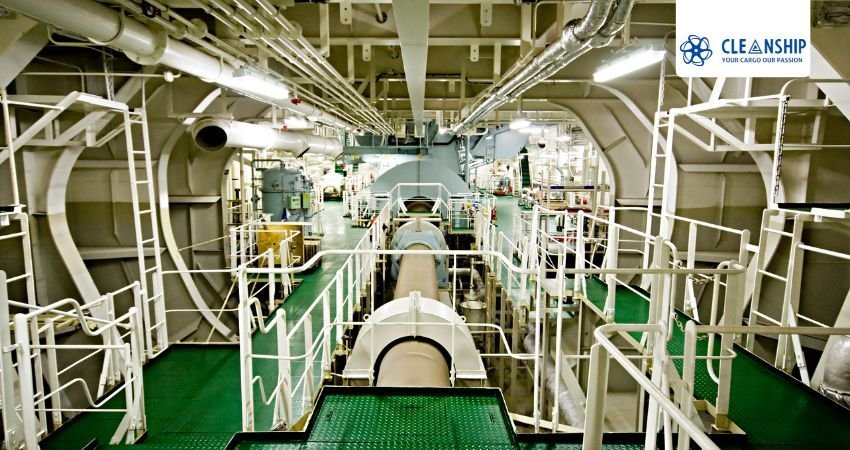
Given the size and complexity of today’s vessels, issues with engines can quickly escalate into significant disasters. Considering the alarming increase in incidents associated with engine fires and failures in current years, strict adherence to established policies and recognized best practices in engine rooms is more essential than ever. It has been recorded that most fires on board ships start in the engine room. A failure in the engine room can seriously affect overall safety. Additionally, new ships using engine propulsion with biofuels and methanol are already in service, and the shipping industry has modified its experience with these fuels. The long-term impacts of alternative fuels on engines and fuel systems have yet to be fully understood. In this context, best practices, established methods, and crew training and familiarity are important for ensuring enhanced safety in the engine room. Modern merchant ships employed in global trade and cargo transportation must comply with multiple regulations and guidance related to construction, operations, and the safety of the ship, crew, cargo, and environment. While regulations for the Deck Department and Bridge operations have been designated for many years, procedures for the Engine Department are relatively new, as mechanical propulsion on ships has been in use for only about 200-300 years. The engine room of a ship has a crucial difference compared to other ship spaces. It includes all related machinery and systems necessary for movement and electrical power supply, the appropriate control room for operation, maintenance areas, such as workshops, other related systems, and storage areas for fuel, oils, and spares, all within the limits of the engine room. It functions like a short industrial factory within the ship’s compartments. Thus, the operation of the engine room demands important skills and an organized approach, as Engine Department personnel must operate, monitor, and support the corresponding systems simultaneously. The smooth operation of the engine room is important for the ship’s overall performance and daily operation. Safety Management Systems (SMS) should include specific actions and processes to ensure these requirements are met. Industry standards for ship management, such as the Tanker Management and Self Assessment (TMSA) for liquid cargo and the Dry Bulk Management Standard (DryBMS) for dry cargo, have specific sections and KPIs for secure engine room operations, that should be effectively executed within SMS. Ship managers and operators should have clear instructions and approaches within their Safety Management Systems or additional guides to protect all aspects of engine room activities and emergencies. Moreover, as the engine room is a key department onboard ships, useful communication between the bridge and other crew members is important. For example, in the event of an emergency, operators must ensure that all communications are calculated, necessary, and proportionate, and follow comprehensive guidance and procedures. Best practices are also needed to maintain high standards of cleanliness at all times, as they are required for fire prevention. For instance, no oils or oily rags should be permitted near heat sources such as boilers and the main engine’s exhaust system. All combustible materials should be discarded, along with any ancient equipment that may hinder access in a fire situation. Read Also: Psychological safety matters: The 4 stages
Read more
Psychological safety

Psychological safety matters: The 4 stages

When leaders formulate psychological safety, teams, and organizations progress through 4 subsequent stages, explains Dr. Timothy R. Clark, founder and CEO of global leadership training organization LeaderFactor. The 4 Stages model outlines how psychological safety manifests and evolves within a team. It highlights that psychological safety is not simply “on” or “off” but is a difficult, multi-layered dynamic that varies as the team progresses. What is “psychological safety”? Psychological safety at work lies in the ability of leaders to create an environment where employees feel included and inspired to contribute their best ideas, without being afraid of retaliation, punishment, or humiliation, according to Dr. Timothy R. Clark.  1. Inclusion Safety – Members feel secure in belonging to the team. They are comfortable being present, do not feel banned, and feel like they are wanted and respected. 2. Learner Safety – Members are able to learn by asking questions. Team members here may be able to test, make (and admit) small mistakes, and ask for help. 3. Contributor Safety – members feel safe to donate their own ideas, without fear of embarrassment or insult. This is a more challenging state because volunteering your own ideas can grow the psychosocial vulnerability of team members. 4. Challenger Safety – members can question others’ (including those in authority) ideas or offer significant changes to ideas, plans, or ways of working. Read Also: NTSB Chair Urges Coast Guard to Enforce Safety Management Systems on Anniversary of ‘Conception’ Tragedy
Read more
Safety Management Systems

NTSB Chair Urges Coast Guard to Enforce Safety Management Systems on Anniversary of ‘Conception’ Tragedy

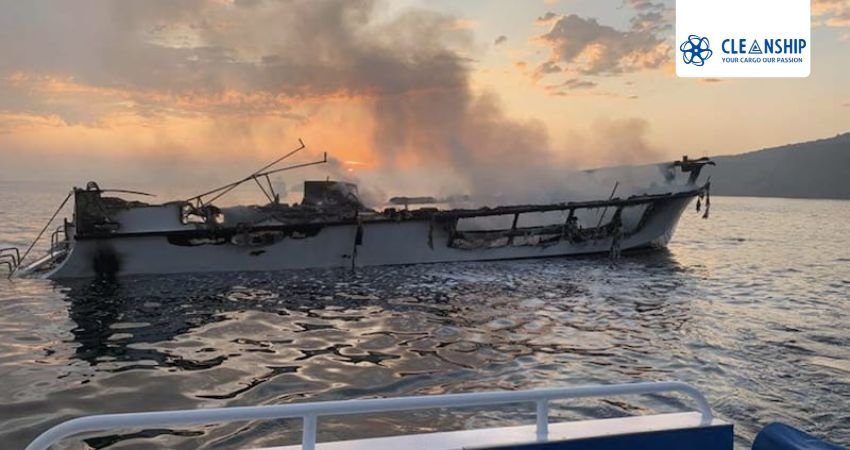
On the 5th anniversary of the Conception dive boat fire that declared 34 lives, National Transportation Safety Board (NTSB) Chair Jennifer Homendy continued calls for the U.S. Coast Guard to require safety management systems (SMS) for all U.S.-flagged passenger vessels. Talking at a media event with victims’ families, Homendy highlighted the longstanding nature of this suggestion: “The NTSB first suggested safety management systems (SMS) in the marine mode 20 years ago, and especially called for it on short passenger vessels since 2012. Additionally, Congress permitted the Coast Guard to mandate SMS in 2010. It’s 2024, and here we are, with no action”. The Conception, caught fire before on September 2, 2019, while anchored off Santa Cruz Island, California, resulting in the deaths of 33 passengers and one crew member who were trapped in the berthing area. The NTSB concluded that an SMS could have helped recognize and address dangerous practices and fire risks before the incident occurred. An SMS is a comprehensive risk management procedure, securing vessel operations aligned with regulations, company requirements, and best practices. Following the investigation, the NTSB issued 10 new safety suggestions and reiterated its 2005 guidance for safety management systems (SMS) implementation on all U.S.-flag passenger vessels. Despite the Coast Guard issuing interim rules managing many NTSB recommendations in December 2021, the SMS necessity remains unimplemented and progress has stalled. The captain of the Conception was sentenced in May to four years in jail after being convicted of “seaman’s manslaughter” over the tragedy in November 2023. Homendy completed this by sending a letter to the Coast Guard commandant and the Secretary of Homeland Security, urging immediate action on SMS conditions. The NTSB’s push for safety management systems (SMS) expands beyond marine vessels, with successful implementation in commercial aviation credited with enhanced safety records. Read Also: TT Club Highlights Ongoing Efforts to Prevent Container Losses
Read more
Hold Cleaning Service in Dubai

Hold Cleaning Service in Dubai

Dubai, a global hub for trade and commerce, is famous for its bustling ports and transportation industry. With the continuous movement of goods throughout its waters, the importance of controlling the integrity and cleanliness of cargo holds can’t be overstated. Hold cleaning service in Dubai is important in ensuring that bulk carrier ships meet the very best standards of hygiene and protection. The Importance of Hold Cleaning Service Hold cleaning is an important part of the shipping industry, particularly for vessels that transport bulk cargoes together with grains, fertilizers, coal, and minerals. These substances can leave behind residues that, if now not well cleaned, may contaminate the next cargoes, result in infestations, or reason structural damage to the vessel. Further to these practical issues, the cleanliness of a ship’s hold is often subject to strict regulatory standards, which vary depending on the type of shipment and destination. In Dubai, a city that prides itself on its premium infrastructure and high standards, Hold cleaning service in dubai is important to maintaining the reputation of its ports. The Dubai Maritime Town Authority (DMCA) and different regulatory our bodies impose strict policies to ensure that vessels adhere to global standards. Non-compliance can bring about heavy fines, delays, and even the rejection of cargo, making professional hold cleaning services necessary. Processes Involved in Hold Cleaning Service in Dubai Hold cleaning service is a meticulous technique that requires a specialized system, professional employees, and adherence to strict protocols. The procedure normally includes the following steps: 1. Preparation and Safety Measures: Before any cleaning begins, the group should ensure that every protection protocol is in the area. This includes the right air flow of the bulk carrier hold, the use of personal protective equipment (PPE), and the implementation of measures to prevent injuries or infection of other areas of the bulk carrier ship. 2. Inspection and Assessment: The first step in the cleaning technique is a thorough inspection of the bulk carrier hold. This includes assessing the type and volume of residues left in the back with the aid of the previous bulk carrier, checking for any damage or corrosion, and identifying potential dangers such as infestations or moisture accumulation. 3. Removal of Residual Cargo: As soon as the evaluation is complete, the following step is the removal of any final cargo residues. This will be achieved manually or through the usage of specialized equipment which includes vacuums, shovels, or brushes. In a few cases, using compressed air or high-pressure water jets may be required to dislodge stubborn residues. 4. Washing and Rinsing: After the bulk of the residue has been eliminated, the hold is thoroughly washed and rinsed. This step is important for eliminating any remaining trash and contaminants. Depending on the type of residue, one of a kind cleaning vendors may be used. For example, alkaline cleaners are frequently used to dispose of oil and grease, while acidic cleaners may be necessary for releasing scale or rust. 5. Drying: Once the hold has been wiped clean and rinsed, it has to be very well dried to prevent the increase of mildew or mold. This is generally finished the usage of air blowers or dehumidifiers. In some instances, heating systems can be used to accelerate the drying procedure. Advanced Techniques and Technologies in Hold Cleaning Dubai’s status as a primary global port has driven the adoption of advanced strategies and technologies in hold cleaning services. Some of the most outstanding advancements include: 1. Automated Cleaning Systems: Automation has come to be increasingly common in hold cleaning, in particular for large vessels. Automatic cleaning structures use robotic arms equipped with high-pressure nozzles to clean the bulk carrier effectively and successfully. These systems can reach areas that are difficult or dangerous for humans to get right of entry to, and they could perform constantly, lowering the time required for cleaning. 2. Environmentally Friendly Cleaning Agents: As environmental policies become more stringent, there may be a developing demand for environmentally friendly cleaning vendors. These products are designed to break down quickly without leaving harmful residues, ensuring that the cleaning technique is effective and sustainable. In Dubai, where environmental stewardship is a concern, using such agents is more and more commonplace. 3. Real-Time Monitoring and Reporting: Advancements in digital technology have made it possible to monitor the hold cleaning procedure in real time. Sensors and cameras can be established in the hold to provide live feedback on the cleaning process, authorizing operators to adjust as needed. This technology also enables detailed reporting, which can be used to verify compliance with regulatory requirements. Read Also: Hold Cleaning Service in India Conclusion Hold cleaning service in dubai is an integral part of the shipping industry in Dubai, making sure the safe and efficient transport of products across the globe. As Dubai resumes to increase its function as a leading global trade hub, the market for high-quality hold cleaning services is only set to grow. With advancements in the era and a commitment to environmental sustainability, the future of hold cleaning service in Dubai seems promising, imparting operational efficiency and peace of mind for the shipping enterprise. FAQs:
Read more
Container Loss

TT Club Highlights Ongoing Efforts to Prevent Container Losses

The TT Club, emphasizes its ongoing commitment to handling the persistent issue of container losses at sea, which fluctuate annually due to extreme weather conditions. As explained, understanding the circumstances that lead to stack collapse and losses overboard incidents is of course important in mitigating the danger. TT applauds the World Shipping Council initiative to publish the details of the annual survey into container loss and recognizes the lowest level of recorded losses during 2023, including the important fact that around 33% of units initially lost are subsequently rescued. Nevertheless, TT’s own analysis of historic incidents clearly shows that weather is the single most influential aspect. Furthermore, the data demonstrate that this is far more difficult a challenge, involving a wide range of interconnected operations. While the focus is, not wholly unreasonably, mostly on ship operations, TT has long recognised that all participants in the freight supply chain carry responsibility. When the transport order is initially placed the accuracy of the verified gross mass (VGM) is pivotal, as is the right load allocation and securing when packing cargo into the container. Consequently, TT’s cargo goodness campaign remains central to its work, alongside partners in the Cargo Integrity Group.
Read more
Dangerous Cargo

Safety Measures for Vessels Carrying Dangerous Cargo to Egyptian Ports

According to NorthStandard, vessels carrying dangerous cargo to take extra precautions when calling at Egyptian ports, particularly during the current summer months when temperatures are notably high. correspondent Eldib P&I has the below recommendations/measures to secure the protection of vessels and compliance with local regulations when calling at Egyptian ports: 1. Pre-Arrival Notifications: Submit detailed information about the dangerous cargo, including Material Safety Data Sheets (MSDS), to Egyptian port authorities well in advance to enable proper risk assessment. 2. Proper Labelling and Documentation: Ensure all containers holding unsafe materials are clearly labelled according to the IMDG Code, with correct and comprehensive documentation ready for inspection. According to Egyptian maritime law, shippers are needed to notify carriers if the goods being transported are dangerous. The bill of lading must clearly indicate the nature of the goods, along with necessary precautions to mitigate risks. Failing to provide correct information can lead to liability for any damages that occur as a result​. 3. Compliance with Local Regulations: Familiarize the crew with the specific requirements of Egyptian port authorities about dangerous cargo, including stowage, handling, and emergency procedures, with particular attention to heat sensitivity. The handling of dangerous materials is primarily regulated under the Environment Law No. 4 of 1994 and its implementing regulations (Decree No. 338 of 1995). This law mandates that any handling, transportation, or disposal of unsafe substances must be done with a permit issued by the Egyptian Environmental Affairs Agency (EEAA). The regulations also detail specific procedures for packaging, transporting, and disposing of hazardous waste, ensuring that it doesn’t pose a risk to the environment​ (UNEP LEAP). 4. Coordination with Local Agents: Engage local agents for safe handling and transport of dangerous cargo within the port, ensuring all procedures are meticulously followed, especially under high-temperature conditions. Egypt is a member of the IMO, which means it adheres to international regulations such as the International Maritime Dangerous Goods (IMDG) Code. This code governs the transportation of dangerous materials by sea and is implemented in Egyptian ports. 5. Emergency Preparedness: Develop and rehearse emergency reaction plans that account for the increased risks posed by elevated temperatures, coordinating with port authorities for swift action in case of an incident. Carrying out drills and instructing the crew members regarding actions to be taken in an emergency situation with the use of emergency equipment is imperative to the safety of the crew and vessel. 6. Onboard Safety Measures: Equip your vessel with the required safety gear, including fire suppression systems, spill containment kits, and personal protective equipment (PPE), ensuring all are operational and accessible. Also, loading different types of dangerous cargo separately and store them in isolation. The relevant IMDG stowage segregation requirements must be complied with at all times. It must be ensured that all DG containers are loaded in the planned stow position. Any discrepancies shall be brought to the notice of the Terminal planner / Central planner and / or local agent as required. Read Also: Improving Boating Safety With AI Technology
Read more
Hold cleaning service in UAE

Hold Cleaning Service in UAE

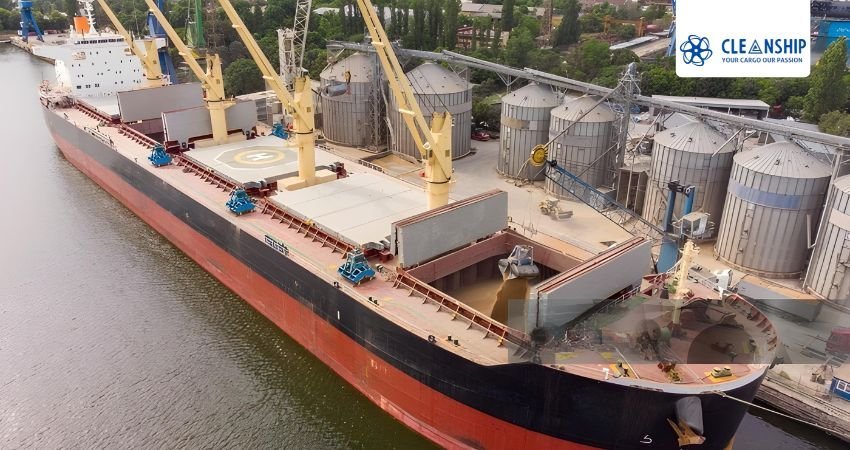
The maritime industry plays an important position in worldwide exchange, with cargo ships being the spine of this huge network. The UAE, a hub of global shipping routes, the significance of maintaining hold cleaning services can not be overstated. Whether it’s making a vessel ready for the next shipment, making sure of compliance with global guidelines, or keeping the integrity of the delivery’s shape, maintaining cleaning services is essential to the smooth operation of any shipment vessel. Hold cleaning service in UAE, exploring numerous elements of vessel cleaning, with a focus on cargo ship cleaning, bulk provider hold cleaning, and the demanding situations faced in these specific surroundings. Bulk Carrier Hold Cleaning Service Hold cleaning service is a specialized method that includes the thorough cleaning of a ship’s cargo hold after the discharge of cargo and before loading the next one. This service is important for preventing infection, ensuring compliance with health and protection regulations, and maintaining the structural integrity of the vessel. The UAE, with its strategic place and bustling ports like Jebel Ali, Khalifa Port, and Port Rashid, has emerged as a key center for maritime activities, making hold cleaning services an essential part of the maritime industry within the territory. The Importance of Hold Cleaning Service in UAE in the UAE, the shipping industry is a prime contributor to the financial system, with a large volume of cargo passing through its ports annually. Given the various range of cargoes managed, from bulk commodities to specialized items, the need for meticulous hold cleaning services is paramount. 1. Preventing Contamination: One of the primary motives for hold cleaning is to prevent cross-contamination between different types of bulk carriers. For example, residues from previous cargoes, including grains, chemicals, or minerals, can contaminate the next load, leading to full-size financial losses and capability legal liabilities. Powerful hold cleaning services ensure that the bulk carrier hold is free from any residues, dust, or contaminants, providing an easy and secure surrounding for the new cargo. 2. Compliance with Regulations: International maritime regulations, together with the ones enforced through the International Maritime Organization (IMO), require ships to maintain high standards of cleanliness in their bulk carrier holds. Within the UAE, port authorities also enforce strict guidelines to ensure that vessels adhere to these conditions. Non-compliance can result in hefty fines, delays, or even the detention of vessels. Consequently, hold cleaning service in UAE is essential for ensuring that ships meet all regulatory requirements and keep away from any legal complications. 3. Protecting Vessel Integrity: Over time, residues from certain kinds of bulk carriers, such as corrosive substances, can cause damage to the ship’s structure. This may lead to high priced repairs and reduce the vessel’s lifespan. Every day hold cleaning services help prevent such damage by way of getting rid of any dangerous residues, hence protecting the ship’s structural integrity and ensuring its long-term operational performance. Vessel Cleaning Service in UAE Vessel cleaning contains a wide variety of services, consisting of not only the best hold cleaning but also the cleaning of other parts of the ship, together with the deck, engine room, and tanks. In the UAE, vessel cleaning services are offered with the aid of specialized groups equipped with advanced technology and skilled employees to deal with the precise demanding situations posed via extraordinary types of vessels and cargoes. 1. Cargo Ship Cleaning: Bulk carrier ships in the UAE bring a wide variety of goods, from crude oil to perishable items. Each type of bulk carrier presents its very own set of demanding situations with regard to cleaning. For instance, cleaning the holds after discharging crude oil or other petroleum merchandise calls for specialized procedures and devices to put off residues successfully and save you any environmental risks. Furthermore, cleaning after perishable goods like grains or fruits requires thorough disinfection to prevent the growth of mold or bacteria. Hold cleaning service in UAE is properly versed in handling these challenges, making sure that bulk carrier ships are cleaned to the best standards. 2. Bulk Carrier Hold Cleaning Service: Bulk carriers, that transport massive quantities of unpackaged cargo such as coal, ore, and grain, require specifically rigorous hold cleaning procedures. Within the UAE, bulk carrier hold cleaning service in UAE are in high demand due to the country’s significant involvement in the international trade of bulk products. The cleaning process for bulk carriers involves numerous steps, which include removing loose detrita, sweeping, washing, and drying. In some cases, high-pressure water jets and specialized chemicals are used to put off stubborn residues and stains. The goal is to make sure that the hold is free of any residues that would contaminate the following cargo or damage the vessel. Challenges in Hold Cleaning Service in UAE Hold cleaning service in UAE presents unique demanding conditions, given the country’s climate, the range of cargoes managed, and the stringent regulatory environment. 1. Climate Considerations: The UAE’s warm and humid weather can pose demanding situations for hold cleaning, specifically in terms of drying the holds after washing. In such conditions, moisture can stay trapped, leading to the growth of mold or rust, which could damage the bulk carrier or the vessel itself. To mitigate this, bulk carrier cleaning companies inside the UAE frequently use dehumidifiers or drying dealers to ensure that the holds are absolutely dry earlier than loading the next bulk carrier. 2. Diverse Cargoes: The UAE’s ports take care of a wide type of bulk carriers, from crude oil and chemical compounds to foodstuffs and construction materials. Every type of cargo requires a distinct approach to cleaning, with precise procedures and chemicals used to eliminate residues properly and successfully. This variety necessitates a high level of expertise and flexibility on the part of a hold cleaning service in the UAE. 3. Regulatory Compliance: As mentioned earlier, compliance with worldwide and local policies is a key issue for bulk carrier operators within the UAE. The country’s port authorities enforce strict policies that ensure vessels meet all
Read more
Bulk carrier hold cleaning in india

Bulk Carrier Hold Cleaning in India

Bulk carrier hold cleaning in India, with its extensive coastline and strategic maritime position, plays an important role in international trade, particularly in bulk cargo transportation. Bulk carriers, the workhorses of the maritime industry, are responsible for transporting massive quantities of raw substances like coal, iron ore, grains, and fertilizers. To preserve the integrity of these cargoes and comply with global standards, meticulous hold cleaning of bulk carriers is required. Importance of Bulk Carrier Hold Cleaning Bulk carrier hold cleaning is an essential method that guarantees the safe and contamination-free transportation of numerous cargoes. Residues from earlier cargoes, dust, and rust can compromise the grade of the new load, leading to economic losses and possible legal issues. Moreover, compliance with international maritime guidelines and requirements is obligatory to avoid consequences and ensure clean operations. 1. Compliance with Regulations: Global maritime policies, together with those set by the International Maritime Organization (IMO), mandate the cleanliness of shipment holds. Non-compliance can result in big fines, arrests, and reputational damage. 2. Preventing Contamination: Various types of shipments have unique needs. For example, food grains have to be separated from contaminants that could compromise their quality. Thorough cleaning prevents cross-contamination among successive cargoes. 3. Maintaining Cargo Integrity: Detrita from previous shipments can chemically react with new shipments, leading to spoilage or damage. Hold cleaning guarantees that the holds are free from this kind of residue. 4. Enhancing Operational Efficiency: Clean holds promote smoother loading and unloading operations, decreasing turnaround times at ports and improving average operational efficiency. Methods of Hold Cleaning The methods employed in bulk carrier hold cleaning in India vary depending on the type of cargo and the quantity of infection. General strategies include: 1. Manual Cleaning: This entails the use of brooms, shovels, and other hand-held gear to dispose of residues. While labor-intensive, manual cleaning is powerful for dealing with stubborn residues and achieving inaccessible regions. 2. High-Pressure Washing: Utilizing high-pressure water jets, this technique is effective for dislodging and putting off bulk residues. It is particularly beneficial for cleaning coal, minerals, and other dry bulk cargoes. 3. Chemical Cleaning: For cargoes that go away with oily or sticky residues, chemical cleaning retailers are used to break down the contaminants. This method guarantees thorough cleaning and sanitization of the holds. 4. Vacuum Systems: Advanced vacuum structures are employed to suck out unfastened residues and dust. This approach is speedy and minimizes the threat of recontamination. 5. Steam Cleaning: Steam is used to sanitize and clean holds, especially when dealing with food-grade cargoes. It confirms the removal of bacteria and other microorganisms. Challenges in Bulk Carrier Hold Cleaning in India 1. Varied Cargo Types: The various range of shipments transported with the aid of bulk carriers way that cleaning needs can vary substantially. Every type of shipment leaves specific residues, necessitating specific cleansing strategies. 2. Accessibility and Safety: Cargo holds are large, confined areas, often making them hard to get entry to and easy to thoroughly. Confirming the protection of cleaning employees is paramount, given the dangers of operating in such environments. 3. Environmental Concerns: The removal of cleaning residues and washing water must follow environmental rules to save you from marine pollution. Endurable and eco-friendly cleaning practices are necessary. 4. Time Constraints: Cargoes often have tight schedules, leaving limited time for hold cleaning between ships. Efficient and powerful cleaning strategies are required to meet these time constraints. Advancements and Innovations The bulk carrier hold cleaning in India industry is witnessing technological advancements aimed toward improving performance and decreasing human exertions. Robotic cleaning structures and automated high-strain washing machines are being increasingly followed. These improvements not only enhance cleaning quality but also ensure employee safety by minimizing manual work in dangerous environments. Read Also: Hold Cleaning Service in Kakinada Port: Ensuring Quality and Efficiency Conclusion Bulk carrier hold cleaning in India is an essential aspect of the maritime industry, making sure the secure and contamination-free transportation of cargo. The system includes a mixture of traditional methods and technological improvements to obtain thorough cleaning even as maintaining compliance with international guidelines. As the industry evolves, the adoption of modern cleaning technology maintains enhanced performance and safety, reinforcing India’s function in the international maritime trade community. FAQs:
Read more
Boating Safety

Improving Boating Safety With AI Technology

The U.S. Coast Guard has issued the 2023 statistics for recreational boating incidents, revealing a decline in both fatalities and overall incidents, and highlighting the main causes of these accidents. The report identifies the top five contributing factors as; Despite a general decline in fatalities and incidents, alcohol remains the leading cause of fatal accidents, liable for 79 deaths, or 17% of the total. The fatality rate dropped to 4.9 deaths per 100,000 registered recreational vessels, down from 5.4 the previous year, with property harm amounting to $63 million. Most deaths involved operators without boating safety instructions and appeared on open motorboats, personal watercraft, and cabin motorboats. Drowning was the cause of 75% of deaths, with 87% of victims not wearing life jackets. The Coast Guard highlights the importance of vigilance, proper lookout, safe navigation speeds, and adherence to safety directions. Technology to Empower the Operator to Improve Boating Safety The Maritime industry is witnessing a technological renaissance, with new innovations desired to improve boating safety onboard vessels and change the way operators work every day. There is a selection of key benefits that are making significant changes and are at the forefront of the future of the maritime industry.  The rise of autonomous ships and AI technology: The use of autonomous ships is becoming increasingly more popular, with drones being used to facilitate examinations and surveillance, improving search and recovery operations. AI technology and navigation techniques are helping to reduce human error on board vessels and enhancing overall safety.  Advanced communication systems: Satellite communication systems guarantee reliable, high-speed internet for better coordination and emergency reply. IoT (Internet Of Things) devices allow real-time monitoring, improving decision-making and boating safety. Enhanced navigation and collision avoidance systems: Modern ships use advanced radar, sonar, and Automatic Identification Systems (AIS) for more useful situational awareness and crash avoidance, leveraging AI and machine learning for earlier warnings. Cybersecurity measures: As operations digitize, advanced cybersecurity technologies, including firewalls and encryption, protect against cyber hazards. Industry standards and crew training are assisting to bolster these defenses and provide maximum protection against outside dangers.  Remote maintenance and predictive analytics: IoT sensors and predictive analytics help early detection of issues and proactive keeping, improving reliability and reducing downtime. Training and simulation technologies: VR and AR simulations offer realistic training environments, improving crew preparedness and decreasing human error. These innovations demonstrate the maritime industry’s responsibility for boating safety and sustainability, paving the way for a safer and more efficient future. Several companies are leveraging this advanced technology, to lead the way in delivering solutions for issues like those presented in the US Coast Guard Report.  Read Also: 1. Best Hold Cleaning Service in Kakinada Port 2. West P&I Club Shares Safety Tips for Seafarers
Read more
West P&I Club

West P&I Club Shares Safety Tips for Seafarers

According to West P&I Club, from easy steps such as the importance of the right PPE and tools to the value of a safety mindset and the requirement for a constant focus on risk assessment, here are West P&I Club’s tips: Read Also: 1. EMSA: Safety Concerns for Hydrogen-fuelled Ships 2. Hold Cleaning Service in Haldia Port
Read more
EMSA: Safety Concerns for Hydrogen-fuelled Ships

EMSA: Safety Concerns for Hydrogen-fuelled Ships

EMSA has issued a report that analyses hydrogen’s primary factors to frame which safety dangers, system hazards, and risks to be considered and mitigated when using hydrogen as ship fuel.  The report aims to help the industry and the regulators in a safe and harmonized deployment of this relevant technology that could establish an important step towards the sector’s decarbonization. According to EMSA, hydrogen, when used as ship fuel, offers the following significant safety hazards and risks due to its unique properties: Flammability and explosiveness Hydrogen’s wide flammability range and lower ignition energy compared to methane make it highly flammable and prone to more severe blasts. Its more increased burning velocity can escalate blasts into detonations, posing more significant risks than natural gas. Storage and distribution challenges The low boiling point of hydrogen confuses its storage and distribution. Managing boil-off gas and controlling the condensation of gases like nitrogen and oxygen are critical to avoid tool malfunction and potential explosion dangers. Density and dispersion Hydrogen’s low density causes it to rise and spread quickly in open environments. In confined spaces, such as within a ship, it can collect in high spots, increasing the risk of ignition from sources like ceiling lights. Designing safety measures, such as gas sensors and ventilation systems, must account for hydrogen’s density and behavior in leak scenarios. Pressure effects High-pressure storage of hydrogen (250-700 bar) forms potential energy that, upon discharge, can cause significant pressure impacts even without combustion. Sudden discharges from high-pressure systems can ignite spontaneously, posing immediate risks to personnel and equipment. Hazards in confined spaces Hydrogen discharges in confined ship spaces amplify explosion pressures rapidly, potentially damaging structures and leading to further leakage. Leakages of liquefied hydrogen (LH2) can induce cooling effects that compromise gas-tight goodness and safety equipment operation, further complicating trouble responses. Material compatibility and embrittlement Hydrogen can adversely impact metal properties through embrittlement, decreasing structural integrity. Condensed oxygen-enriched air can raise material flammability upon contact, necessitating careful material selection and design considerations. Health and safety risks Finally, EMSA notes that significant hydrogen leakages pose dangers of asphyxiation due to oxygen depletion, alongside risks of frostbites and burn injuries due to low temperatures and decreased flame visibility. Read Also: 1. Revising chafe protection to enhance safety and efficiency at Port Hedland 2. Navigating health at sea: Telemedicine’s voyage into maritime healthcare
Read more
Hold Cleaning Service in Mumbai Port

Hold Cleaning Service in Mumbai Port

The bustling maritime hub of Mumbai Port is the gateway to India’s worldwide trade. With its strategic area and vast infrastructure, it handles a large volume of shipments annually. Among the important services that confirm smooth operations in this port is the hold cleaning service. Hold cleaning service in Mumbai port is important for maintaining the efficiency and protection of bulk carriers, which create the spine of maritime shipment delivery. The Importance of Hold Cleaning Services in Mumbai Port Hold cleaning service in Mumbai port is a necessary issue of bulk carrier operations. Bulk carrier companies transport various commodities, consisting of grains, coal, minerals, and fertilizers, regularly leaving residues and contaminants in the cargo holds. These residues can compromise the quality of subsequent cargoes, pose protection risks, and lead to regulatory non-compliance. Consequently, thorough hold cleaning is fundamental to confirm the integrity and protection of the cargo, vessel, and team. Methods of Hold Cleaning Service The methods employed in hold cleaning service in chennai port vary depending on the type of cargo and the quantity of infection. General strategies include: 1. Manual Cleaning: This entails the use of brooms, shovels, and other hand-held gear to dispose of residues. While labor-intensive, manual cleaning is powerful for dealing with stubborn residues and achieving inaccessible regions. 2. High-Pressure Washing: Utilizing high-pressure water jets, this technique is effective for dislodging and putting off bulk residues. It is particularly beneficial for cleaning coal, minerals, and other dry bulk cargoes. 3. Chemical Cleaning: Chemical cleaning retailers are used to break down the contaminants of cargo that go away with oily or sticky residues. This method guarantees thorough cleaning and sanitization of the holds. 4. Vacuum Systems: Advanced vacuum structures are employed to suck out unfastened residues and dust. This approach is speedy and minimizes the threat of recontamination. 5. Steam Cleaning: Steam is used to sanitize and clean holds, especially when dealing with food-grade cargoes. It confirms the removal of bacteria and other microorganisms. Challenges in Hold Cleaning Service in Mumbai Port Hold cleaning service in Mumbai Port comes with its set of demanding situations. These include coping with crowded detrita, making sure adherence to worldwide rules, and minimizing environmental impact. However, revolutionary solutions were evolved to deal with these challenges: 1. Varied Cargo Types: The various range of shipments transported with the aid of bulk carriers way that cleaning needs can vary substantially. Every type of shipment leaves specific residues, necessitating specific cleansing strategies. 2. Accessibility and Safety: Cargo holds are large, confined areas, often making them hard to get entry to and easy to thoroughly. Confirming the protection of cleaning employees is paramount, given the dangers of operating in such environments. 3. Environmental Concerns: The removal of cleaning residues and washing water must follow environmental rules to save you from marine pollution. Endurable and eco-friendly cleaning practices are necessary. 4. Time Constraints: Cargoes often have tight schedules, leaving limited time for hold cleaning between ships. Efficient and powerful cleaning strategies are required to meet these time constraints. Read Also: Hold Cleaning Service in Visakhapatnam Port Future Trends in Hold Cleaning Services The future of hold cleaning service in Mumbai port looks promising, with several arising trends set to revolutionize the industry: 1. Automation and Robotics: The integration of advanced robotics and automation will maintain the efficiency and accuracy of hold cleaning operations. Self-reliant robots ready with sensors and AI abilities will carry out complex cleaning duties with minimum human intervention. 2. Green Technologies: Sustainable practices will take middle level, with a focus on lowering the environmental footprint of hols cleaning. Progress in biodegradable cleaning merchants, water recycling systems, and energy-efficient systems will drive eco-friendly operations. 3. Digital Monitoring: Real-time monitoring and information analytics will play an important function in optimizing hold cleaning methods. Digital platforms will offer insights into hold situations, cleaning efficiency, and regulatory compliance, enabling proactive choice-making. Conclusion Hold cleaning services at Mumbai Port are integral to the efficient and safe operation of bulk carriers. With advanced strategies, environmental issues, and a priority point on compliance. These services guarantee that cargoes are transported in new conditions. The continuous evolution of technology and sustainable practices ensure a shiny future for the hold-cleansing industry. Improving the port’s recognition as a leading maritime hub. As Mumbai Port continues to develop and adapt to worldwide trade needs, hold cleaning services will continue to be a cornerstone of its achievement, safeguarding the integrity of cargoes and vessels alike. Frequently Asked Questions 1. Why cleaning of holds is carried out? Ans : When cargo holds are offered for loading cargoes in bulk and they are not clean enough for the intended cargo. 2. What are the hold cleanliness requirements for loading coal? Ans : Cargo holds must be totally cleaned and dry with no traces of earlier cargo in frames, beams, girders, and other structures. 3. What is cargo hold cleaning? Ans : Cargo hold cleaning involves removing remains and impurities from ship holds and ensuring hygiene, safety, and regulatory compliance for new cargo. 4. What is in a cargo hold? Ans : A cargo hold includes various goods or materials transported by a ship, protected from the elements, and securely stored for safety.
Read more
Shopping Cart (0 items)