
Benefits of Bulk Carrier Hold Cleaning in Khalid Port
Bulk carrier hold cleaning in Khalid Port is a core operational requirement for vessels trading through the UAE. It directly influences cargo acceptance, regulatory compliance, safety outcomes, and overall voyage efficiency. In a port environment shaped by international trade expectations and strict environmental oversight, clean cargo holds are not optional—they are operational proof of professionalism.
For bulk carriers moving between coal, clinker, grain, fertilizers, or steel cargoes, the hold condition determines how smoothly the next fixture begins. This article explains why bulk carrier hold cleaning in Khalid Port matters, how it aligns with global maritime regulations, and the six most important benefits vessel operators gain when cleaning is executed to proper standards.
Why the UAE Plays a Central Role in Marine Cleaning
The UAE occupies a strategic position along major global shipping lanes connecting Asia, Europe, and Africa. Ports such as Khalid Port operate under constant scrutiny from international charterers, regulators, and port authorities.
Bulk carriers calling at UAE ports often arrive after long voyages carrying residue-heavy cargoes. These residues can compromise the next cargo if not removed thoroughly. As a result, bulk carrier hold cleaning in Khalid Port follows internationally accepted methods that balance efficiency, safety, and environmental responsibility.
This commitment has helped UAE ports earn a reputation for reliability and compliance at world ports.
Understanding Bulk Carrier Hold Cleaning in Khalid Port
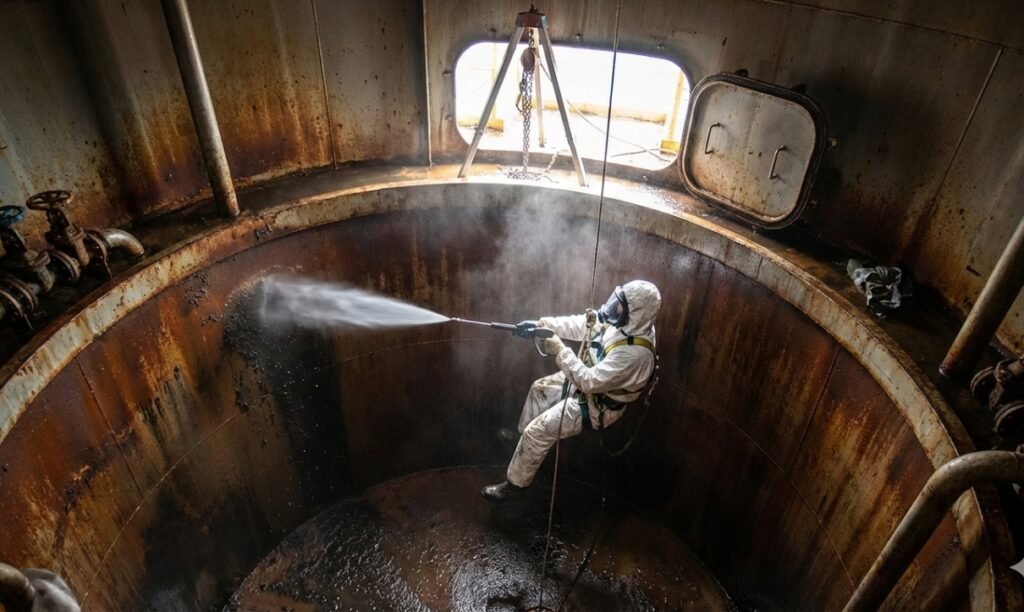
Bulk carrier hold cleaning refers to the systematic removal of cargo residues, dust, rust scale, moisture, and odors from cargo holds after discharge. The objective is simple but demanding: deliver a hold that is clean, dry, and ready for inspection.
In Khalid Port, bulk carrier hold cleaning is commonly required:
- After discharging dusty or sticky cargoes
- Before loading food-grade or sensitive materials
- Before charterer or marine supercargo inspections
- To comply with charter party cleanliness clauses
When bulk carrier hold cleaning in Khalid Port is done correctly, it prevents delays, disputes, and re-cleaning costs.
Regulatory Environment Governing Hold Cleaning
International Maritime Organization Standards
The IMO establishes safety and environmental benchmarks for shipping. Clean cargo holds reduce fire risks, contamination hazards, and unsafe working conditions, aligning directly with IMO principles.
MARPOL Convention Requirements
The MARPOL Convention regulates pollution from ships. Residues removed during bulk carrier hold cleaning in Khalid Port must be handled and disposed of correctly to prevent illegal discharge into port waters.
IMCA Safety Guidance
IMCA guidelines emphasize safe working practices during cleaning operations, including confined space entry, working at height, and hazard control. These principles shape modern hold cleaning procedures.
IAPH Port Expectations
The International Association of Ports and Harbors promotes sustainable port operations. Khalid Port reflects these expectations through strict waste management and cleanliness controls.
Bulk carrier hold cleaning in Khalid Port is designed to meet all these frameworks at once, not selectively.
Benefit 1: Protection of Cargo Quality
The most immediate benefit of bulk carrier hold cleaning in Khalid Port is cargo protection.
Residues from previous cargoes can:
- Contaminate new loads
- Cause staining or discoloration
- Transfer odors
- Increase moisture-related damage
For example, a bulk carrier that last carried coal must remove fine dust completely before loading grain. Even microscopic particles can result in cargo rejection.
Clean holds protect cargo integrity and reduce the risk of commercial disputes.
Benefit 2: Reliable Regulatory Compliance
Regulatory compliance is not theoretical at UAE ports. Inspections are routine, and deficiencies are costly.
Bulk carrier hold cleaning in Khalid Port helps you:
- Passport state control inspections
- Meet charterer cleanliness standards
- Avoid environmental penalties
- Reduce insurance exposure
Clean holds make inspections faster and more predictable, allowing vessels to maintain schedules without disruption.
Benefit 3: Enhanced Crew Safety
Hold cleaning exposes crews to physical and environmental risks.
Common hazards include:
- Confined spaces with poor ventilation
- Dust inhalation
- Slips on wet or uneven surfaces
- Working at height inside large holds
Professional bulk carrier hold cleaning in Khalid Port focuses on controlled access, ventilation, and structured cleaning methods. A clean, dry hold is safer to work in and reduces accident potential.
This safety-first approach aligns with IMCA guidance and modern safety management systems.
Benefit 4: Environmental Protection and Port Sustainability
Environmental responsibility is a defining expectation at UAE ports.
Residues removed during bulk carrier hold cleaning often contain substances harmful to marine ecosystems. Improper disposal can lead to pollution incidents and severe penalties.
Bulk carrier hold cleaning in Khalid Port follows controlled waste handling practices that:
- Prevent residue discharge into port waters
- Ensure proper collection and disposal
- Support Khalid Port’s sustainability commitments
Clean operations protect both the vessel and the port’s environmental standing.
Benefit 5: Long-Term Cost Efficiency
While hold cleaning has an upfront cost, it delivers long-term savings.
Clean holds:
- Reduce corrosion caused by trapped moisture
- Protect coatings and steel structures
- Minimize cargo damage claims
- Lower repair and maintenance frequency
Residue buildup acts like abrasive grit inside a machine. Over time, it accelerates wear. Bulk carrier hold cleaning in Khalid Port helps preserve vessel condition and control lifecycle costs.
Benefit 6: Commercial Readiness and Reputation
Clean holds communicate discipline and reliability.
Charterers, surveyors, and marine supercargo professionals judge a vessel’s management quality by hold condition. Poor cleanliness often signals deeper operational issues.
Bulk carrier hold cleaning in Khalid Port supports:
- Faster cargo acceptance
- Fewer disputes
- Stronger charterer confidence
- Better commercial positioning
A clean hold tells a clear story: this vessel is ready for the next job.
Bulk Carrier, Hold, and Tank Cleaning Standards
Bulk carrier hold cleaning operates within a broader cleaning ecosystem.
Bulk Carrier Hold Standards
Holds must be clean, dry, and free of loose residues. Standards vary depending on cargo type and charter party terms.
Coordination With Tank Cleaning
Some vessels alternate between liquid and dry cargoes. Cleaning standards must prevent cross-contamination between tanks and holds.
Inspection Readiness
Cleanliness must withstand inspection by port authorities, surveyors, and marine supercargo professionals operating under Final Quality Rules.
Bulk carrier hold cleaning in Khalid Port integrates these requirements into a practical operational framework.
Inspection, Documentation, and Compliance Workflows
Cleaning without documentation offers little protection.
Effective workflows include:
- Pre-cleaning risk assessments
- Cleaning method statements
- Waste disposal records
- Final inspection reports
These documents provide traceability and protect vessel operators during audits or claims.
Industry service providers such as Cleanship.co often support these workflows as part of global tank and hold cleaning operations, alongside cargo supervision and compliance support.
Role of Marine Supercargo and Quality Verification
Marine supercargo professionals verify the hold condition before loading. Their assessments are guided by Final Quality Rules recognized at world ports.
Clean, well-documented holds reduce disputes and enable smoother cargo handovers.

Future Trends and Innovation in Marine Cleaning
Marine cleaning is evolving as technology and sustainability expectations increase.
Emerging trends include:
- Mechanized and robotic cleaning tools
- Environmentally friendly cleaning agents
- Digital inspection and reporting systems
- Data-driven maintenance planning
Bulk carrier hold cleaning in Khalid Port is well-positioned to adopt these innovations due to its regulatory maturity and operational scale.
Integrated Maritime Services in Practice
Modern maritime operations rely on integrated service delivery.
Alongside bulk carrier hold cleaning, vessels often require:
- Tank cleaning
- Cargo supervision
- Compliance inspections
- Drug and alcohol testing services for crew safety
Companies such as Cleanship.co illustrate how these services are delivered globally, supporting vessel operators with consistent standards across ports.
Conclusion
Bulk carrier hold cleaning in Khalid Port is a strategic operational discipline, not a routine task. It protects cargo quality, ensures regulatory compliance, and improves crew safety while controlling long-term costs. Three takeaways stand out. First, clean holds reduce regulatory and commercial risk. Second, they support safer and more sustainable operations. Third, they strengthen the vessel’s reputation and readiness at world ports.
For operators seeking dependable compliance and maritime service excellence, partnering with experienced providers like Cleanship.co ensures bulk carrier hold cleaning and related services meet international standards with confidence and consistency.
FAQs:
Q1. What vessels require bulk carrier hold cleaning in Khalid Port?
Bulk carriers and multipurpose vessels carrying dry cargoes require bulk carrier hold cleaning in Khalid Port, especially when changing cargo types or preparing for sensitive loads such as grain or fertilizer. Clean holds help meet charter requirements and port inspection standards.
Q2. How does bulk carrier hold cleaning differ from tank cleaning?
Bulk carrier hold cleaning focuses on dry cargo spaces and involves removing dust, residues, rust scale, and moisture. Tank cleaning applies to liquid cargo tanks and includes gas freeing and chemical washing. Each process follows different technical and safety standards.
Q3. Is bulk carrier hold cleaning mandatory under MARPOL?
Yes. MARPOL requires proper handling and disposal of cargo residues. Bulk carrier hold cleaning must prevent illegal discharge of waste into port waters. Non-compliance can result in fines, delays, or vessel detention.
Q4. Who inspects the holds after cleaning?
Cargo holds may be inspected by port authorities, charterer-appointed surveyors, or marine supercargo professionals. Inspections verify cleanliness, dryness, and readiness in line with Final Quality Rules and charter party terms.
Q5. How does professional cleaning improve cost efficiency?
Professional bulk carrier hold cleaning reduces corrosion, prevents cargo contamination claims, and minimizes delays. Over time, it lowers maintenance costs, protects vessel value, and supports predictable voyage planning.